Whether a Bichon Frise Is Playful Into Old Age
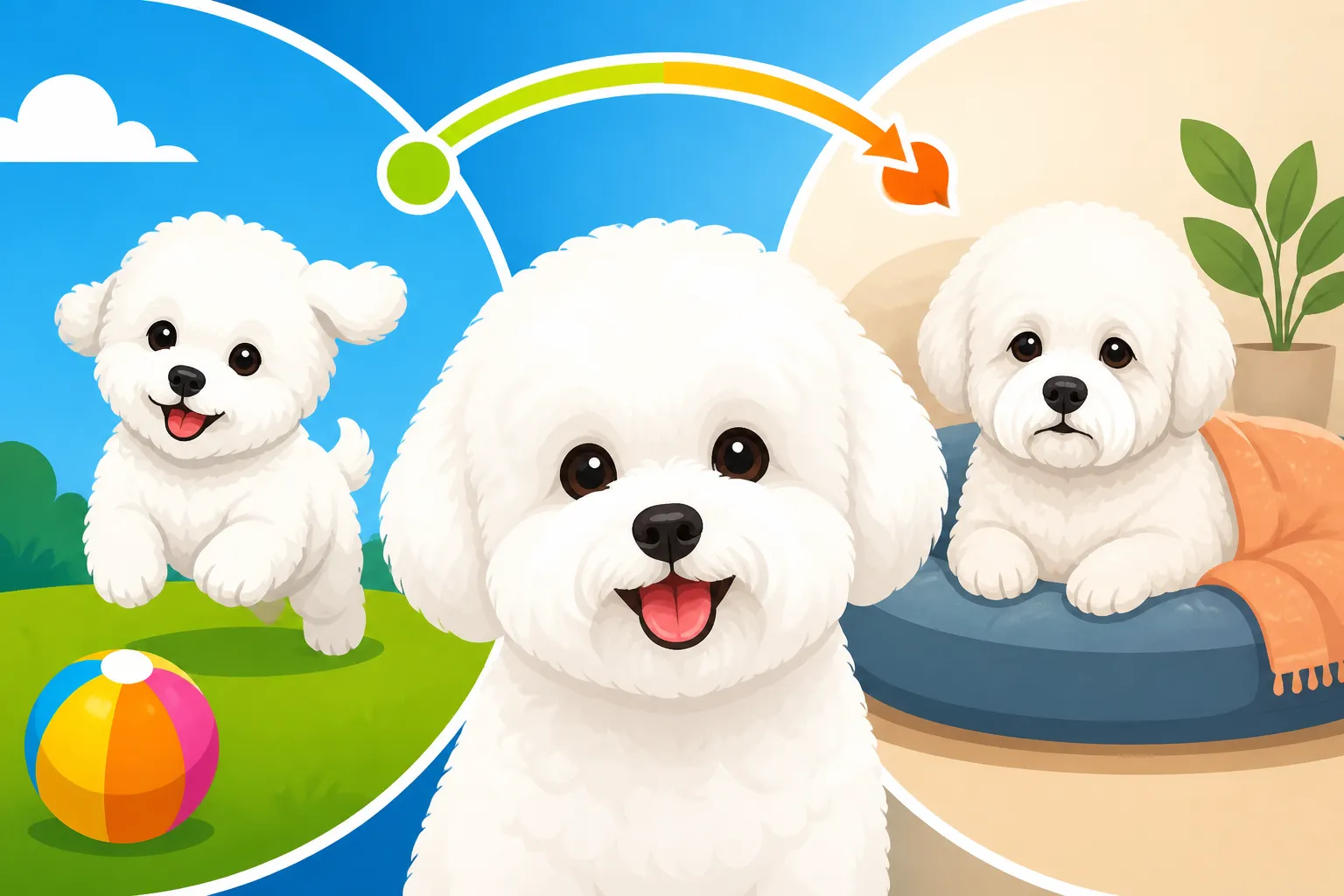
It's a common worry for Bichon Frise owners: will that characteristic zest for life, that famous playful bounce, fade away as they get older? Many people fret that their furry little cloud of joy will become a sedentary senior, losing the very spark that makes them such delightful companions. This guide aims to reassure you and provide practical insights into maintaining your Bichon Frise's playful spirit well into their golden years, addressing concerns about health, environment, and adapting their favorite activities.
The Enduring Spirit of the Bichon Frise: A Lifelong Love of Play
Bichon Frises are renowned for their cheerful dispositions and seemingly endless reserves of energy, even as they mature. It's one of their most endearing qualities, and thankfully, it's often a trait that perseveres through much of their lives. Unlike some breeds that settle into quiet contemplation once they hit a certain age, many Bichons retain a remarkable puppy-like enthusiasm.
Understanding the Bichon's Innate Joy
The Bichon Frise temperament is officially described as "merry," and it's not just a cute word; it truly defines them. They carry an inherent joy, an almost theatrical optimism that can brighten even the dullest day. This isn't something that's easily extinguished. From chasing a favorite toy with gusto to performing an impromptu "Bichon Blitz" around the living room, their capacity for happiness and playful interaction is deeply ingrained. They thrive on companionship and engagement, and play is a fundamental way they express that bond and satisfy their curious, intelligent minds. It’s not merely about physical exercise; it’s about mental stimulation and emotional connection. When you look at their breed history, these dogs were performers and companions, always "on" and ready to charm, and that heritage shines through even in their senior years. This inherent desire to engage means that with the right care and encouragement, their playful nature often endures.
The "Bichon Blitz" and Its Longevity
Ah, the "Bichon Blitz," or as some call them, "zoomies"! If you own a Bichon, you know exactly what I'm talking about: that sudden, inexplicable burst of frantic energy where they tear around the house or yard at top speed, often with a silly grin and ears flying. This joyous explosion of energy isn't just a puppy phenomenon; it's a staple of the breed, and it's quite common for even senior Bichons to experience it. Of course, the intensity and duration might change. A younger Bichon might blitz for five full minutes, zipping under furniture and sliding on rugs, while an older one might have a more subdued, shorter burst of energy. Perhaps they'll do a quick lap around the sofa and then plop down for a nap. The key is that the impulse to play and express that unbridled joy remains. It's a clear indicator that their spirit is still very much alive, even if their bodies can't quite keep up with their youthful exuberance. As long as they're not showing signs of pain or distress during these episodes, it's a wonderful thing to witness, a testament to their enduring, merry disposition. It reminds us that The Bichon Blitz and What It Means is a lifelong trait for many.
Factors Influencing Playfulness in Senior Bichons
While a Bichon's playful spirit is resilient, it's not entirely immune to the natural effects of aging. Several factors can influence how much and how intensely your senior Bichon Frise chooses to play. Understanding these can help you better support them.
Health Conditions That Can Dampen Enthusiasm
The biggest roadblock to playfulness in an older Bichon is often an underlying health issue. Just like us, as dogs age, their bodies start to show wear and tear. A common culprit is arthritis, which can make moving painful. You might notice your Bichon being reluctant to jump, climb stairs, or even get up from a nap. Similarly, Slipping Kneecaps in a Bichon Frise, a common breed concern, can become more pronounced and painful with age, making running and sudden movements uncomfortable. Conditions like Cushing's Disease in a Bichon Frise Past Seven or Diabetes in a Bichon Frise can lead to lethargy, muscle weakness, and a general lack of energy, which naturally reduces their desire to play. Even something as seemingly minor as Dental Disease in a Bichon Frise can make a dog feel unwell and less inclined to engage. If your normally playful Bichon suddenly seems disinterested in their favorite games, it’s always best to consult your veterinarian. Early diagnosis and management of these conditions can make a huge difference in their comfort and willingness to play. It's not that they've lost their joy; it's that their body is sending them signals to slow down.
Here’s a quick overview of how common senior health issues might manifest in a Bichon's play:
| Health Condition | Potential Impact on Play | Observable Signs |
|---|---|---|
| Arthritis/Joint Pain | Reluctance to jump, run, or engage in active play | Stiffness, limping, slow to get up, vocalizing during movement |
| Slipping Kneecaps | Hesitation with sudden turns, short bursts of limping | Skipping steps, reluctance to bear weight on a leg, yelping |
| Cushing's Disease | Decreased energy, panting, less interest in activities | Pot-belly, excessive thirst/urination, thin skin, hair loss |
| Diabetes | Lethargy, weakness, lack of stamina | Increased thirst/urination, weight loss despite eating, dull coat |
| Dental Disease | Reduced interest in chewing toys, general discomfort | Bad breath, pawing at mouth, difficulty eating, reluctance to tug |
| Vision/Hearing Loss | Caution in new environments, difficulty tracking toys | Bumping into things, not responding to verbal cues, disorientation |
The Role of Mental Stimulation and Routine
Physical health isn't the only component of playfulness; mental well-being is just as crucial. A senior Bichon still needs mental stimulation to stay engaged and happy. Without it, they can become bored, withdrawn, or even suffer from cognitive decline, sometimes showing signs like Whether an Old Bichon Frise Gets Confused. If their days consist solely of napping and eating, their playful spirit can indeed wane. Maintaining a consistent routine helps senior dogs feel secure and reduces anxiety, which can contribute to their willingness to play. This means regular feeding times, potty breaks, and short, gentle walks. Beyond that, incorporating brain games, puzzle toys (even simple ones like hiding a treat under a cup), or short training sessions can keep their minds sharp and engaged. Consider brands like BAXTER & Bella which offer online training resources that can be adapted for senior dogs, focusing on gentle mental exercises rather than strenuous physical activity. These activities don't have to be intense; a five-minute session of "find the treat" can be just as enriching as a long run for a younger dog. The goal is to keep their minds active and their spirits bright.
Environmental Impact on Senior Play
The environment your senior Bichon lives in plays a significant role in their comfort and desire to play. A slippery floor, for example, can be intimidating and even painful for a dog with arthritis or Slipping Kneecaps in a Bichon Frise. They might be less inclined to chase a ball if they're constantly worried about losing their footing. Similarly, a home with many stairs might limit their access to certain play areas or make independent movement difficult. Providing non-slip rugs or runners, especially in high-traffic areas, can give them the confidence to move more freely. A comfortable, easily accessible bed or resting spot is also crucial, ensuring they have a place to recover after even short bursts of activity. If you live in a multi-level home, consider baby gates to limit stair access or provide ramps if stairs are unavoidable. Their world should be designed to support their aging body, not challenge it. A safe, comfortable, and predictable environment allows their innate playfulness to shine through, unhindered by unnecessary physical barriers or anxiety.
Adapting Play for the Aging Bichon Frise
Just because your Bichon is getting older doesn't mean playtime has to stop. It simply means adapting the type of play to suit their changing physical capabilities. Think smarter, not harder.
Choosing Appropriate Toys and Activities
The super-squeaky, bouncy ball that was once your Bichon's obsession might now be a source of frustration if they can't chase it as quickly or pick it up easily. It's time to re-evaluate their toy box. Softer toys, lighter balls, or even plush toys that are easy to carry can become new favorites. Puzzle toys that dispense treats slowly can provide mental stimulation without much physical exertion. Interactive toys that you can use while sitting on the floor are fantastic for maintaining engagement. Think about toys that crinkle, have different textures, or that you can easily toss a short distance. Even a simple game of tug-of-war, gently played, can be incredibly satisfying. Brands available on Amazon offer a wide array of senior-friendly dog toys, from soft rubber balls to plush brain games. The key is to observe your Bichon and see what they respond to. Do they prefer sniffing games now? Or are they still up for a gentle retrieve? Their preferences might shift, and that's perfectly normal.
Gentle Exercise and Short Bursts of Fun
Gone are the days of marathon fetch sessions or hour-long jogs for most senior Bichons. Now, it's all about gentle exercise and short, frequent bursts of fun. Instead of one long walk, consider two or three shorter, slower strolls throughout the day. These walks are not just for potty breaks; they're opportunities for sniffing, exploring, and engaging with the world at their own pace. Indoor play can be equally valuable. A short game of "hide and seek" with a treat, a few gentle throws of a soft toy down a hallway, or even just some dedicated cuddle and interaction time can count as quality "play" for an older dog. The important thing is to avoid overexertion. Watch for signs of fatigue like excessive panting, lagging behind, or limping, and always err on the side of shorter, more relaxed sessions. Regular, mild activity helps maintain muscle tone, joint flexibility, and mental well-being without putting undue strain on their aging bodies. Think about a leisurely stroll in the park or a quiet game of "find the toy" in the living room.
Creating a Safe and Accessible Play Space
As we touched on earlier, a senior Bichon's play area needs to be safe and accessible. This might mean making some adjustments around the house. Consider these adaptations:
- Non-slip surfaces: Add rugs, carpet runners, or even yoga mats to slippery hard floors. This provides traction and prevents slips and falls that can cause injury or increase anxiety.
- Easy access to resting spots: Ensure their favorite bed or comfy spot is easy to get in and out of. Orthopedic beds can provide extra support for aching joints.
- Clear pathways: Remove clutter that could be tripping hazards. A senior Bichon might not see as well or navigate obstacles as gracefully as they once did.
- Outdoor considerations: If you have a yard, ensure it's free of sharp objects, uneven terrain, or overly steep inclines. Shaded areas are also important for comfort during warmer weather.
- Ramps or steps: If your Bichon loves to be on the sofa or bed but struggles to jump, a small ramp or pet steps can give them independence and prevent strain on their joints. You can find many options for these mobility aids on Amazon.
By proactively creating a senior-friendly environment, you're not just preventing injuries; you're actively encouraging their continued engagement and play. A dog that feels secure and comfortable is far more likely to indulge in a spontaneous game or follow you around with a wagging tail.
Encouraging Interaction and Battling the Senior Slump
Sometimes, an aging Bichon might simply need a little extra encouragement to stay engaged and playful. It's easy for them to fall into a routine of napping if they don't have consistent prompts for interaction.
The Power of Continued Engagement
The human-animal bond is incredibly powerful, and for a social breed like the Bichon Frise, your continued engagement is paramount. Simply talking to them, offering gentle petting, or inviting them onto your lap can be a form of interaction that keeps their spirits up. Don't assume they're not interested just because they don't jump up and demand attention like they used to. Initiate play gently: roll a soft ball towards them while they're lying down, or dangle a feather toy near their nose. Even if their response is a slow wag of the tail or a gentle nudge with their nose, that's engagement. Remember, they cherish your company. Regular grooming sessions can also be a quiet, bonding activity, and while not "play," it provides touch and attention. Consistency in interaction, even if brief, reinforces their place in the family and reminds them that they are loved and valued, which goes a long way in staving off the "senior slump." For a breed known for its merry disposition, loneliness or neglect can be particularly disheartening.
Nutrition and Supplements Supporting Mobility and Mood
What goes into your Bichon's body profoundly impacts their physical capabilities and overall mood. As they age, their nutritional needs change. Feeding an Old Bichon Frise often means switching to a diet formulated for senior dogs, which typically has fewer calories to prevent weight gain (excess weight puts extra strain on joints) and may contain joint-supporting ingredients.
Look for diets rich in:
- Omega-3 fatty acids: These are natural anti-inflammatories that can help reduce joint pain and improve coat health.
- Glucosamine and Chondroitin: These are building blocks for cartilage and can help support joint health.
- Antioxidants: To combat cellular damage from aging.
Beyond diet, specific supplements can be incredibly beneficial. Your veterinarian might recommend:
- Joint supplements: Specifically formulated to improve mobility and reduce discomfort.
- Probiotics: For digestive health, which can impact overall well-being.
- Cognitive support supplements: Containing ingredients like medium-chain triglycerides (MCTs) or SAMe, which can help support brain health and potentially reduce signs of cognitive dysfunction in older dogs.
Always discuss any dietary changes or supplements with your veterinarian before introducing them. They can help you tailor a plan that specifically addresses your individual Bichon's needs, ensuring they get the right nutrients to stay as comfortable and playful as possible. A well-nourished body is a much happier, more active body.
When to Seek Veterinary Advice for a Change in Play
While it's natural for a senior Bichon to slow down a bit, a sudden or significant drop in playfulness is always a cause for concern and warrants a trip to the vet. It's often the first sign that something isn't quite right.
Recognizing Red Flags in Behavior
Understanding The Signs a Bichon Frise Is Getting Old is crucial, but distinguishing between normal aging and a problem that needs attention can be tricky. Here are some red flags that indicate a veterinary visit is in order:
- Sudden disinterest in favorite activities: If your Bichon adored chasing a specific toy and now ignores it completely, pay attention.
- Limping or difficulty moving: Any new or worsening lameness, stiffness, or reluctance to jump, climb, or walk.
- Excessive panting or lethargy: Especially after minimal exertion, or if they seem unusually tired all the time.
- Vocalizing during movement: Whining, yelping, or groaning when getting up, lying down, or being touched.
- Changes in appetite or thirst: Eating or drinking significantly more or less than usual can be a sign of many underlying health issues.
- Unexplained weight loss or gain: Weight changes can indicate metabolic problems.
- Aggression or irritability: A dog in pain might become snappy or withdrawn when approached, particularly if they anticipate being touched in a sore spot.
- Toileting accidents indoors: While Whether an Old Bichon Frise Becomes Incontinent can happen, it can also signal a urinary tract infection or other medical issues.
Don't wait and see if these symptoms resolve on their own. Early intervention often leads to better outcomes and can significantly improve your Bichon's quality of life. Your Bichon relies on you to advocate for their health.
Diagnostic Steps and Management Options
When you bring your senior Bichon to the vet for a change in playfulness, expect a thorough examination. This will typically include:
- A comprehensive physical exam: Checking their joints, range of motion, dental health, heart, lungs, and abdomen.
- Blood work: A complete blood count and chemistry panel to check organ function, screen for diabetes, Cushing's, thyroid issues, and more.
- Urinalysis: To rule out urinary tract infections, kidney issues, or excessive urine dilution.
- X-rays: Particularly if arthritis or joint issues like Arthritis in a Bichon Frise at Eleven or patellar luxation are suspected, X-rays can show bone and joint changes.
- Other diagnostics: Depending on initial findings, your vet might recommend ultrasound, further endocrine testing, or even a referral to a specialist.
Once a diagnosis is made, management options can vary widely. They might include:
- Medication: Anti-inflammatory drugs for arthritis, specific medications for Cushing's disease, or insulin for diabetes.
- Physical therapy: Gentle exercises, hydrotherapy, or massage to improve mobility and strengthen muscles.
- Dietary changes: Switching to a prescription diet tailored to their condition.
- Supplements: As discussed, to support joint or cognitive health.
- Environmental modifications: Advice on making your home more accessible.
The goal is always to address the underlying cause, alleviate pain, and restore as much comfort and quality of life as possible. With the right care, many senior Bichons can regain a good portion of their playful spirit, allowing them to enjoy their golden years to the fullest. Knowing When an Old Bichon Frise Has Had Enough is a heavy burden, but proactively managing their health is the best way to ensure their senior years are filled with comfort and joy.
Disclaimer
This article is for general informational purposes only and does not constitute professional advice. Laws, prices and regulations vary by location and change over time. Consult a qualified professional for guidance on your specific situation.