Whether a Bichon Frise Greets Every Visitor
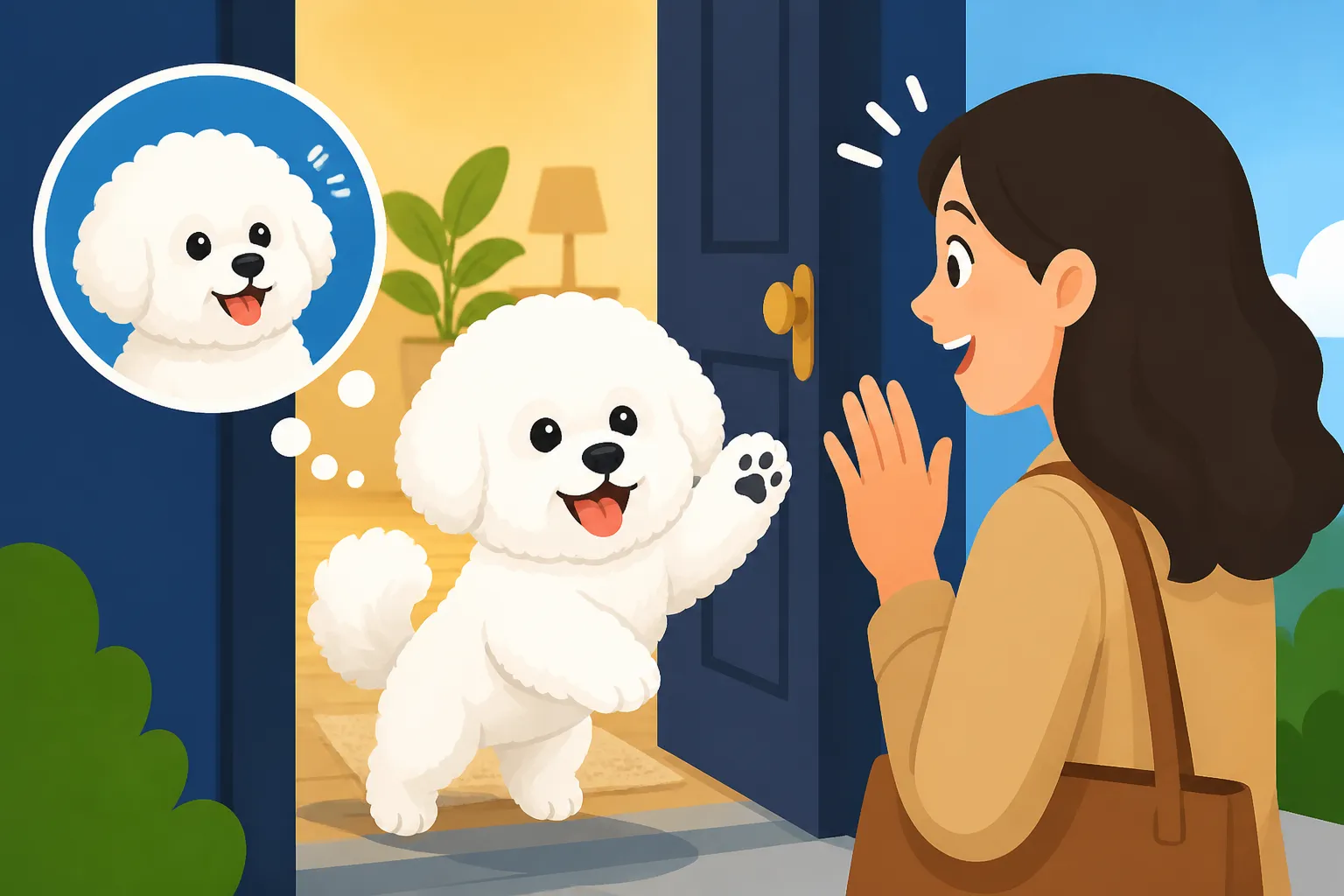
It's a common scenario for Bichon Frise owners: the doorbell rings, and suddenly your calm, fluffy companion transforms into a whirling dervish of excitement, barking, jumping, and trying to lick every inch of your guest. While this exuberance can be endearing, it often leaves visitors feeling overwhelmed and owners feeling a little embarrassed. This guide will explore why your Bichon greets people the way they do and how you can gently guide them toward more polite, manageable interactions, helping them understand that not every guest needs a full-body inspection and a vocal serenade.
The Naturally Sociable Nature of a Bichon Frise
The Bichon Frise, with their cheerful disposition and charming personality, are often described as living clouds of joy. This breed was, after all, developed to be a companion, a lap warmer, and a source of merriment. It's no wonder that many Bichons extend this inherent sociability to almost everyone they meet, seeing every new face as a potential friend and playmate.
Breed Standard and Expected Affection
If you look at the breed standard for the Bichon Frise, terms like "merry," "charming," and "playful" jump out at you. These aren't just pretty words; they describe the very essence of what a Bichon is meant to be. They are bred to be affectionate, to love their human family fiercely, and to generally adore people. This deep-seated desire for connection often translates into their greeting behavior. When someone new walks through the door, your Bichon isn't trying to be rude or difficult; they're simply expressing their natural, joyful eagerness to engage. It's their way of saying, "Welcome! I'm so excited you're here, please pay attention to me!" This intense affection, while lovely, needs a little channeling to ensure it's always appropriate. As we discuss in The Merry Temperament the Bichon Frise Standard Demands, this inherent cheerfulness is a hallmark of the breed, but it also means they need guidance on how to express it calmly.
Imagine a little fluffball whose entire world revolves around human interaction. For a Bichon, a new person isn't just a new person; it's a new opportunity for cuddles, scratches, and perhaps even a game. They don't differentiate between the mail carrier, your best friend, or a distant relative they've never met. To them, everyone is a potential source of affection and fun. This universal approach to greetings is part of their charm, but it's also where the challenge for owners often begins. They're just being their authentic, loving selves, but sometimes that self needs a gentle nudge towards better manners.
The History of the Bichon as a Companion
Tracing back the history of the Bichon Frise, you'll find they were companions to sailors, royalty, and even circus performers. Their role was always to entertain and to be adored. This long lineage of human companionship has ingrained in them a profound need for attention and interaction. They haven't evolved to be aloof guard dogs or independent hunters; they thrive on being part of the family and at the center of attention.
This historical context explains a lot about why your Bichon might greet everyone with such gusto. They learned centuries ago that human interaction equals safety, comfort, and joy. When a new person enters your home, it's not just a social event; it's a reaffirmation of their purpose, a chance to fulfill their historical role as a beloved companion. Their enthusiastic greetings are a direct reflection of this deep-seated instinct to bond with people. They genuinely believe they're doing a good job by showering every newcomer with love and attention, and it's up to us to teach them the nuances of modern human etiquette.
Early Socialization and its Impact
The way a Bichon Frise learns to interact with the world begins in puppyhood. Proper early socialization is absolutely crucial for shaping their greeting behaviors. A puppy exposed to a wide variety of sights, sounds, people, and other friendly dogs in a positive way will generally grow into a more confident and well-adjusted adult. This means carefully orchestrated interactions with different types of people – men, women, children, people with hats, people with glasses – all during their critical socialization window.
Without this early exposure, some Bichons might become overly shy or, conversely, excessively boisterous out of nervousness. A well-socialized Bichon puppy learns that new people are generally good, but also that there are appropriate ways to greet them. If they only ever met a few people, or if their early encounters were negative, it can significantly impact how they view and interact with strangers later in life. This foundational learning, especially during The First Year With a Bichon Frise Puppy, sets the stage for all future social interactions, including how they greet visitors. A solid start can make all the difference in nurturing a calm, confident greeter.
Factors Influencing a Bichon Frise's Greeting Style
While Bichons are generally sociable, not every single one will greet every single visitor with the same level of enthusiasm. There are numerous factors that can influence their individual greeting style, from their personal history to subtle cues they pick up from you. Understanding these nuances can help you tailor your approach to managing their behavior.
The Role of Early Experiences and Training
Just like people, dogs are products of their past experiences. A Bichon Frise who was rescued from a difficult situation or spent their early life with limited positive human interaction might approach new people with caution or even fear. Conversely, a Bichon who was encouraged to jump and bark for attention as a puppy might continue these habits into adulthood, simply because they learned it was an effective way to get what they wanted.
Training, or the lack thereof, plays a massive role. If a Bichon has never been taught an alternative, polite greeting behavior, they'll default to what comes naturally, which often involves jumping and barking. Consistency in training is key here. If sometimes jumping is allowed because it's "cute," and other times it's reprimanded, the dog gets a confusing message. This inconsistency makes it incredibly difficult for them to understand what's expected. For Bichons, especially those who might have a history of limited exposure, consistency and patience are paramount to building positive greeting habits. Without mindful guidance, a Bichon might develop habits that are endearing to some but problematic for others, highlighting the importance of understanding Whether an Undersocialized Bichon Frise Recovers and how to support them.
Individual Personality and Confidence Levels
Even within the same breed, every dog has a unique personality. Some Bichons are naturally more outgoing and fearless, rushing to meet anyone who steps foot in their home. Others are more reserved, preferring to observe from a distance before deciding if a new person is trustworthy. This can be influenced by genetics, but also by their life experiences.
A confident Bichon might bound up to a new person, tail wagging, seeking immediate interaction. A less confident Bichon, however, might hide behind your legs, bark nervously from a distance, or even retreat to a safe space when guests arrive. It's crucial not to force interactions on a shy dog, as this can exacerbate their fear. Instead, give them space and allow them to approach on their own terms. Understanding your individual Bichon's confidence level is vital to fostering positive greeting experiences for everyone involved. For example, some Bichons are naturally bolder, while others might be more prone to anxiety when new people enter their territory, which can manifest as either extreme excitement or extreme shyness.
Health and Comfort Considerations
Sometimes, a change in greeting behavior, or an unusual greeting style, isn't about personality or training, but about a dog's physical well-being. A Bichon Frise experiencing pain, discomfort, or anxiety due to a health issue might be less tolerant of strangers or exhibit atypical behavior when guests arrive. For instance, a dog with arthritis might snap if touched unexpectedly, not out of malice, but because they're in pain.
Similarly, an underlying medical condition, like a urinary tract infection or dental pain, could make them irritable or withdrawn. Always consider a vet check-up if your Bichon's greeting behavior suddenly changes, especially if they become uncharacteristically fearful, aggressive, or withdrawn. Their discomfort could be their way of signaling that something isn't quite right. We can't always assume it's just a behavioral issue; sometimes, their body is trying to tell us something important.
Decoding Common Bichon Frise Greeting Behaviors
Bichon Frises have a repertoire of greeting behaviors, some charming and some, well, a little less so. Understanding what each behavior signifies can help you respond appropriately and guide your fluffy friend towards more polite interactions. From the infamous "Bichon Blitz" to more reserved approaches, their greetings are rarely subtle.
The Enthusiastic "Bichon Blitz" Welcome
Ah, the "Bichon Blitz." If you're a Bichon owner, you know exactly what I'm talking about. The doorbell rings, and suddenly your perfectly poised little dog transforms into a whirlwind of energy, tearing around the house at top speed, barking, and jumping with unbridled excitement. This burst of energy, sometimes called "zoomies," is often triggered by extreme joy or arousal, and meeting new people is definitely high on their list of exciting events.
It's truly a sight to behold, a joyous explosion of fluff and boundless energy. While incredibly endearing to watch, especially when they're healthy and happy, it can be overwhelming for guests, particularly small children or elderly visitors. Your Bichon isn't trying to scare anyone; they are simply overflowing with happiness and can't contain their excitement. They're broadcasting their joy to the world, and unfortunately, their chosen method can be a bit much. This kind of exuberance is part of The Bichon Blitz and What It Means, and managing it requires redirecting that energy into more acceptable forms of greeting.
Barking, Jumping, and Nipping for Attention
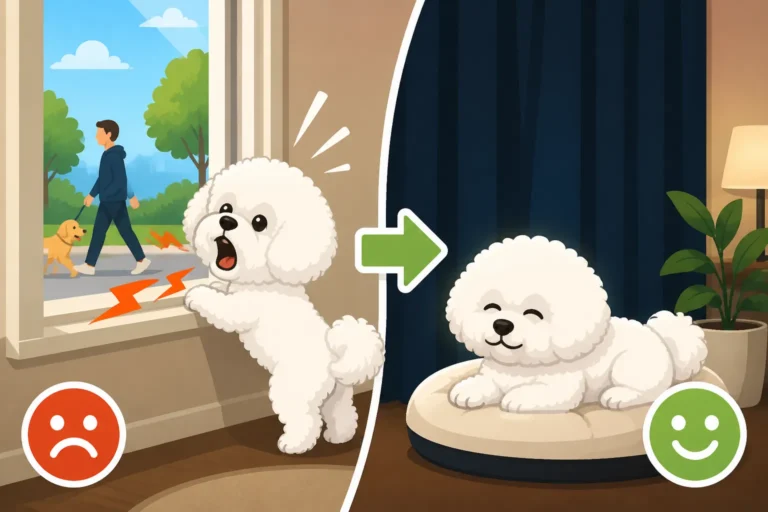
Beyond the blitz, many Bichons incorporate barking, jumping, and sometimes even playful nipping into their greeting rituals. Barking is often a way to alert you to the visitor's presence, but it quickly escalates into an attention-seeking behavior. They've learned that loud noises get a reaction, and any reaction is better than none! Jumping, as we explore in Whether a Bichon Frise Jumps Up on People, is another common attention grabber. They want to be at eye level, to get closer to your face, to ensure they're seen and acknowledged.
Playful nipping, while usually soft and not intended to harm, can still be startling or uncomfortable for guests. It’s their way of trying to engage you in play, or perhaps another tactic to get your attention when they feel they're being ignored. The key here is that all these behaviors are often reinforced, even inadvertently, by human reactions. A gasp, a push, or even just eye contact can be interpreted by your Bichon as a reward, encouraging them to repeat the behavior next time. It’s crucial to understand that they're not being malicious; they're just using the tools they've learned to get what they want: your attention and interaction.
Shy Retreats and Reserved Greetings
While many Bichons are social butterflies, some are quite the opposite. You might have a Bichon who retreats to another room, hides under furniture, or barks defensively from a safe distance when guests arrive. This reserved behavior often stems from shyness, fear, or a lack of positive socialization experiences with strangers. They might be unsure of new people, feeling vulnerable in their presence.
It's important to respect a shy Bichon's need for space. Never force them to interact with a guest, as this can intensify their fear and potentially lead to defensive nipping or snapping. Instead, create a safe haven for them, like their crate or a quiet room, where they can observe from a distance or simply relax away from the commotion. Gradually introduce them to guests, allowing them to approach on their own terms. Sometimes, a quiet treat delivery from the guest, without direct eye contact or attempts to touch, can help build positive associations. This careful approach is particularly important if you have young visitors, as Whether a Bichon Frise Is Safe With Toddlers discusses, ensuring both dog and child feel secure.
Guiding Your Bichon Frise Towards Polite Greetings
Teaching your Bichon Frise to greet visitors politely is not about stifling their joyful nature, but about channeling it into more acceptable behaviors. It requires patience, consistency, and a clear plan. The goal is a calm, controlled greeting that makes everyone feel comfortable and happy.
Establishing Clear Boundaries and Expectations
The first step in shaping polite greetings is to establish clear boundaries long before a guest even rings the doorbell. This means deciding what you do want your Bichon to do when someone arrives. Do you want them to sit? Lie down? Go to their mat? Whatever the chosen behavior, it needs to be consistently taught and reinforced. Consistency is the golden rule here. If sometimes you let them jump and other times you don't, they'll never learn the rule.
Practice this desired behavior repeatedly, even when no one is at the door. Start with simple commands like "sit" or "stay" in a calm environment, gradually adding distractions. When a guest is imminent, have a plan in place. This might involve putting your Bichon on a leash temporarily to prevent jumping, or having them settle in their crate with a special treat. The more predictable and structured the greeting process is, the easier it will be for your Bichon to understand and comply. Setting these expectations early and often is crucial for their understanding.
Positive Reinforcement for Calm Interactions
Positive reinforcement is your best friend when it comes to teaching polite greetings. Instead of punishing unwanted behaviors like jumping or barking, focus on rewarding the behaviors you do want to see. When your Bichon offers a calm sit or stays quietly on their mat as a guest enters, immediately mark that behavior with a verbal cue like "yes!" or a clicker, and then reward them with a high-value treat.
This helps your Bichon understand that calm behavior is what earns them good things, not frantic excitement. Ask your guests to participate too: only give attention or treats when your Bichon is calm. If they jump, the guest should ignore them completely by turning their back until all four paws are on the floor. It takes a lot of repetition, but eventually, your Bichon will connect calm greetings with positive outcomes. This approach taps into their natural desire to please and their love for rewards, as explored in Whether a Bichon Frise Works for Food or Praise. For example, you can purchase a clicker and some delicious training treats from a site like Amazon to get started with positive reinforcement training.
Using Management Tools and Techniques
Sometimes, proactive management is necessary, especially during the learning phase or for Bichons with particularly ingrained habits. A well-placed baby gate can prevent your Bichon from rushing the door, allowing you to answer calmly while they observe from a short distance. A leash and harness can give you better control during introductions, allowing you to gently guide them into a sit or prevent jumping.
A "place" command, teaching your Bichon to go to a designated spot (like a dog bed or mat) and stay there until released, can be incredibly effective. Practicing this command, even when there are no guests, builds a strong foundation. When guests arrive, you can direct your Bichon to their "place" with a long-lasting chew toy or a treat-filled Kong. This not only keeps them out of the immediate fray but also gives them a positive outlet for their energy. Some online training programs, such as BAXTER & Bella, offer excellent resources and step-by-step guidance on teaching reliable "place" commands and managing greetings effectively, providing structured help for owners.
Addressing Problematic Greeting Habits
Even with the best intentions and consistent training, some Bichons develop greeting habits that become genuinely problematic. Whether it's persistent jumping, incessant barking, or even fear-based reactions, these issues require a targeted approach and sometimes, professional intervention.
Overcoming Excessive Excitement and Jumping
Excessive excitement and jumping are perhaps the most common complaints from Bichon owners. It's often fueled by a lack of impulse control and the positive reinforcement (even accidental) they've received in the past. To curb this, focus on teaching an incompatible behavior. It's hard to jump when you're sitting! Consistently ask for a "sit" or "down" as soon as a guest approaches, rewarding heavily when they comply.
Another effective technique is to practice "doorbell desensitization." Record your doorbell sound and play it at a low volume, rewarding your Bichon for remaining calm. Gradually increase the volume and eventually simulate the entire entry sequence, always rewarding calm behavior. If jumping is a major issue, consider having guests step over a baby gate rather than letting your Bichon get too close too quickly. This allows you to manage the interaction more effectively. Remember, consistency across all family members and guests is vital for success; everyone needs to be on the same page about not reinforcing the jumping.
Dealing with Fear-Based or Aggressive Reactions
When a Bichon's greeting behavior veers into fear-based barking, growling, or even snapping, it's a serious concern that requires immediate attention. These behaviors are not about being "dominant" or "naughty"; they stem from genuine fear or anxiety. The dog feels threatened and is trying to make the "threat" (the guest) go away.
Never punish a fear-based reaction, as this will only increase your dog's anxiety and potentially escalate the aggression. Instead, focus on creating positive associations with guests from a safe distance. Start by having your Bichon in a separate room or behind a gate when guests arrive. Gradually, with careful supervision, allow them to observe guests from a distance, rewarding calm behavior with high-value treats. Ask guests to ignore your Bichon and toss treats away from them, avoiding direct eye contact or attempts to pet. If your Bichon shows any signs of aggression, even mild ones, seeking guidance from a certified professional dog trainer or veterinary behaviorist is crucial. They can assess the specific triggers and develop a safe, effective behavior modification plan.
Seeking Professional Guidance
There are times when despite your best efforts, your Bichon's greeting habits remain challenging. This is when a professional can be invaluable. A certified professional dog trainer or a veterinary behaviorist can observe your Bichon's specific behaviors, identify underlying triggers, and help you develop a tailored training plan. They can teach you techniques for managing your dog in real-time and provide strategies for gradually changing their emotional response to visitors.
For persistent barking, trainers often teach a "quiet" cue, as detailed in Teaching a Bichon Frise a Quiet Cue, which can be incredibly useful. If the problem is rooted in deep-seated fear or anxiety, a veterinary behaviorist might also explore medication in conjunction with behavior modification to help reduce your Bichon's stress levels. Don't feel ashamed to reach out for help; it's a sign of a responsible pet owner committed to their dog's well-being and your household's harmony. Remember, professional help is an investment in a calmer, happier life for both you and your beloved Bichon.
Creating a Peaceful Home for Both Bichon and Guests
Ultimately, the goal is to create a home environment where your Bichon Frise feels secure and happy, and your guests feel welcomed without being overwhelmed. This means thinking about how you manage introductions, the consistency of your training, and long-term strategies for success.
Gradual Introductions and Safe Spaces
One of the kindest things you can do for your Bichon, especially one prone to over-excitement or shyness, is to manage introductions to new people gradually. Instead of having guests burst through the door, consider having them wait outside for a moment while you get your Bichon settled. A brief walk with a new guest outside the home before entering can also work wonders. It allows your Bichon to meet them on neutral territory, reducing the intensity of the home-invasion feeling.
Always ensure your Bichon has a designated "safe space" that they can retreat to if they feel overwhelmed. This might be their crate, a bed in a quiet corner, or even another room with a cozy blanket and a favorite toy. Teach them that this space is their sanctuary, and never allow guests to disturb them there. This gives them agency and control over their environment, which can significantly reduce stress, especially in a dog who might otherwise get anxious when Whether a Bichon Frise Cries When You Leave or when strangers arrive.
Consistency in Training and Routine
I cannot stress this enough: consistency is paramount. Every single family member must be on board with the training plan and respond to your Bichon's greeting behaviors in the same way, every time. If one person allows jumping and another corrects it, your Bichon will be confused and progress will be slow, if not non-existent. Develop a clear plan for greetings and stick to it religiously.
This also extends to daily routines. A well-exercised Bichon is generally a calmer Bichon. Ensure they are getting adequate physical and mental stimulation each day. A tired dog is less likely to have the boundless energy for an exaggerated greeting. Regular training sessions, even short ones, help reinforce good manners in general. This consistent routine provides a sense of predictability and security for your Bichon, making them less likely to react impulsively when faced with new situations, including the arrival of guests.
Long-Term Management for Continued Success
Training a Bichon for polite greetings isn't a one-and-done deal; it's an ongoing process that requires long-term management and reinforcement. Just like us, dogs can backslide if good habits aren't maintained. Continue to reinforce desired greeting behaviors with treats and praise, even after they've mastered them. Periodically "proof" their training by practicing with new people or in different environments to ensure the behavior generalizes.
It’s also important to acknowledge that some Bichons, due to their breed characteristics and history, will always have a high default level of excitement for new people. For these dogs, ongoing management tools like leashes, gates, or the "place" command might always be part of your routine when guests are over. This isn't a failure; it's simply understanding and accommodating your dog's individual needs and personality. By doing so, you ensure a happy, harmonious home for everyone, appreciating The Household a Bichon Frise Was Bred For and their joyful nature, while also providing the structure they need to be polite members of your family.
| Greeting Behavior | What it Might Mean | Management Strategy |
|---|---|---|
| Bichon Blitz/Zoomies | Extreme excitement, high energy, joy, lack of impulse control. | Channel energy with toys before guests arrive. Ask for a "sit-stay" with high-value treats. Use a leash or gate to prevent direct rushing. |
| Jumping Up | Seeking attention, desire to be at eye level, excitement, past reinforcement. | Turn your back and ignore until all four paws are on the floor. Reward a calm sit. Teach a "place" command. |
| Excessive Barking | Alerting, seeking attention, excitement, anxiety, fear. | Teach a "quiet" cue. Interrupt barking and redirect to a calm behavior. Desensitize to doorbell/knocks. |
| Playful Nipping/Mouthing | Seeking attention, over-arousal, desire to play, teething (for puppies). | Redirect with a toy. Stop interaction immediately if nipping occurs. Teach "leave it." |
| Shy Retreat/Hiding | Fear, anxiety, lack of socialization, feeling overwhelmed. | Create a safe, quiet retreat for your Bichon. Never force interaction. Allow them to approach guests on their own terms. |
| Growling/Snapping (Fear-Based) | Feeling threatened, fear, pain, last resort to create distance. | Immediately stop interaction and create distance. Seek professional help from a certified behaviorist. Do not punish. |
Disclaimer
This article is for general informational purposes only and does not constitute professional advice. Laws, prices and regulations vary by location and change over time. Consult a qualified professional for guidance on your specific situation.