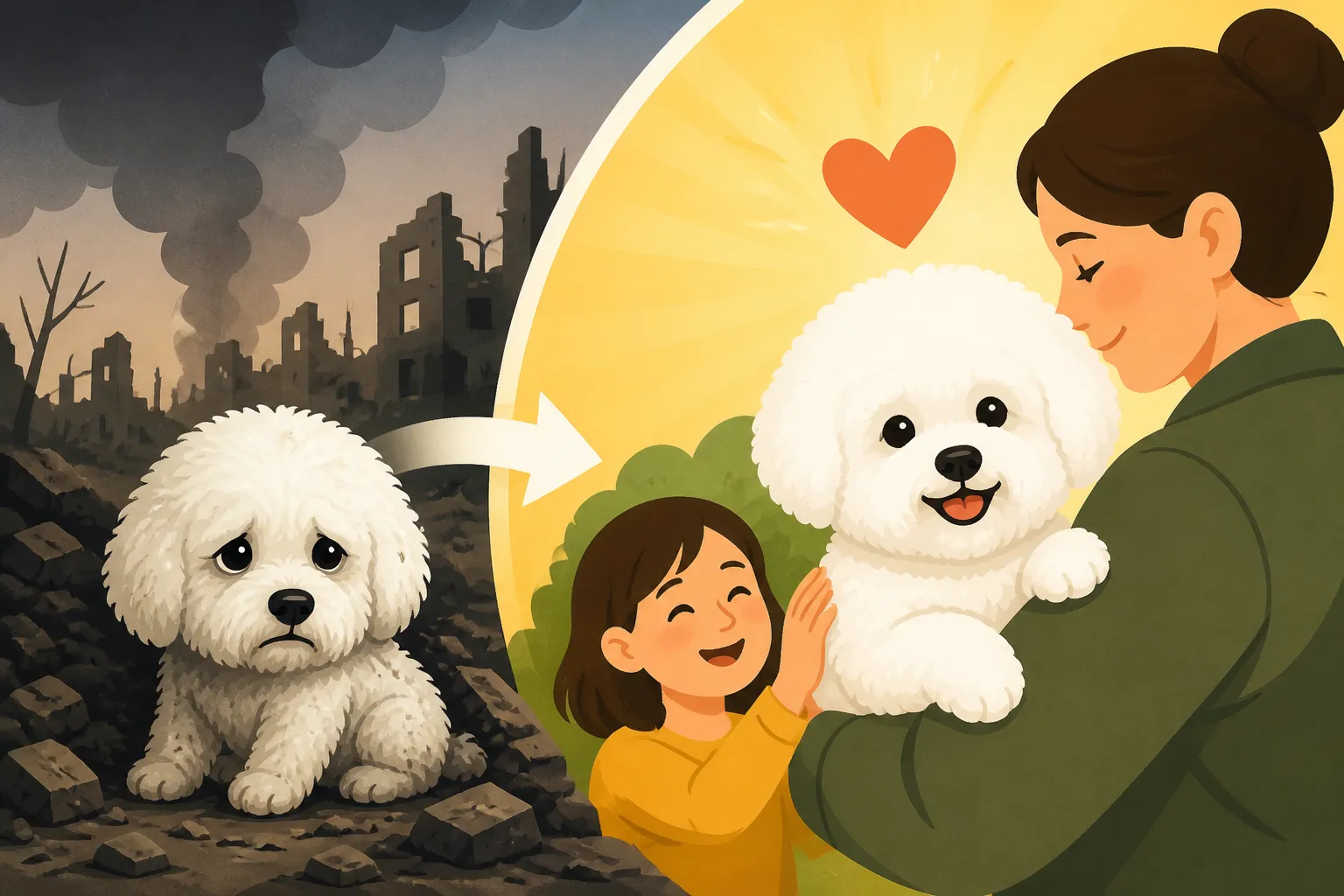
How the Bichon Frise Was Rescued After the Wars
Imagine a world where your beloved fluffy companion, the charming Bichon Frise, almost vanished completely. It's a sobering thought, but that was the stark reality facing this delightful breed after the devastating impact of two World Wars. This guide will explore the incredible story of how passionate individuals and dedicated breed enthusiasts pulled the Bichon Frise back from the brink, ensuring its future for generations to come.
The Brink of Extinction: How Wars Decimated the Breed
The early 20th century was a brutal time for many dog breeds, and the Bichon Frise was no exception. Before the wars, these lively little dogs enjoyed a varied existence, from favored companions in noble courts to performing in street circuses, showcasing their natural intelligence and joyful disposition. However, the chaos and deprivation of global conflicts severely threatened their very survival, pushing them to the edge of extinction.
The Impact of World War I
World War I, often called the Great War, brought unprecedented hardship across Europe. Resources were scarce, and the focus shifted entirely to human survival and the war effort. Keeping pets, especially non-working breeds, became a luxury few could afford. Many families faced impossible choices, leading to widespread neglect, abandonment, or the difficult decision to let go of their beloved animals. Breeding programs, if they existed formally at all, ground to a halt. Registries were non-existent or ceased functioning, meaning bloodlines were lost, and accurate counts of remaining dogs became impossible. The very concept of recreational dog ownership or selective breeding seemed frivolous amidst the devastation. Dogs that once thrived in cozy homes found themselves foraging for scraps, and their numbers plummeted dramatically.
The Further Devastation of World War II
Just as the world began to heal from the first conflict, World War II erupted, bringing even more widespread destruction. This second global conflict deepened the crisis for breeds like the Bichon Frise. Cities were bombed, populations displaced, and food rationing became even more stringent. Dogs, particularly smaller ones, were incredibly vulnerable. Many fell victim to starvation, disease, or were simply lost in the turmoil of evacuation and wartime living. What few remaining breeding lines there might have been were further fragmented or wiped out entirely. The rich history of the Bichon, from its early origins as a favored companion on The Canary Island the Bichon Frise Is Named After to its fashionable status in The French Court That Made the Bichon Frise Fashionable, seemed destined to become merely a historical footnote. The challenge facing anyone hoping to revive the breed was immense – they weren't just rebuilding numbers, but trying to rediscover and re-establish a genetic foundation that had been scattered to the winds.
The Post-War Revival: Dedicated Breeders and Preservation Efforts
Against this backdrop of near annihilation, a few passionate individuals refused to let the Bichon Frise disappear forever. Their unwavering dedication, often in the face of immense personal hardship, was the spark that ignited the breed's recovery. These were not casual dog owners; they were visionaries who understood the unique charm and historical significance of these little white dogs.
Gathering the Fragments
The first crucial step was simply finding surviving Bichon-type dogs. This was less about pedigree papers – which were mostly lost or never existed in a formal sense for many of these "street dogs" – and more about recognizing the characteristic traits of the breed. Individuals combed through markets, shelters, and even took in stray dogs, looking for the fluffy white coat, the merry disposition, and the distinctive curled tail. These early rescuers often had to rely on anecdotal evidence, old photographs, or their own memories of what a true Bichon Frise should look and act like. It was a painstaking, often disheartening process, akin to searching for scattered puzzle pieces without a complete picture to guide them. Every single dog that matched the type was a precious find, a potential cornerstone for the future of the breed.
The Role of Specific Countries and Individuals
While the breed had historical ties to the Mediterranean, it was primarily in France and Belgium that the most concerted efforts began to take root after the wars. Small groups of devoted enthusiasts in these countries took it upon themselves to gather the remaining dogs and start systematic breeding programs. They were driven by a profound love for the breed and a determination to restore it. These individuals, often working with very limited resources, meticulously documented each dog, noted their characteristics, and carefully planned pairings to try and restore health and type. It was a grassroots effort, often carried out in private homes, with a deep sense of responsibility to the future of the Bichon. Their efforts laid the groundwork for the more formal breed clubs that would soon emerge. You can imagine the excitement when a particularly promising litter was born, offering a glimmer of hope that their hard work was paying off. These early pioneers were truly the saviors of the breed.
International Collaboration: Rebuilding the Gene Pool
The task of rebuilding a breed from such a limited number of individuals required more than just local effort; it necessitated cooperation and a shared vision. As breed clubs began to form, they recognized the importance of looking beyond national borders to strengthen the genetic foundation of the Bichon Frise.
Establishing Breed Clubs and Registries
One of the most critical steps in the rescue mission was the formal establishment of breed clubs. These organizations provided a structure for enthusiasts to work together, share knowledge, and standardize their efforts. They began to create breed registries, which were absolutely vital for tracking lineage and ensuring responsible breeding practices. Before this, the term "Bichon Frise" itself was not always consistently applied; many dogs of similar type might have been called "Tenerife dogs" or simply "curly white dogs." The clubs set out to define what a Bichon Frise truly was, moving from a general type to a recognized breed with specific characteristics. This standardization was crucial for ensuring that future generations would consistently display the traits that make a Bichon Frise so unique. For modern owners, platforms like Chewy make finding breed-specific information and products so simple, a luxury unthinkable for these early pioneers who were literally writing the book on the breed as they went along.
Cross-Border Cooperation and Genetic Diversity
As breeders identified the remaining Bichons, they quickly realized that the existing gene pool was incredibly small and fragmented. To avoid the pitfalls of inbreeding and to ensure the long-term health and vitality of the breed, cross-border cooperation became essential. French and Belgian breeders, in particular, communicated and often exchanged dogs to introduce new bloodlines and diversify the genetic material available. This might involve arduous journeys and navigating complex post-war logistics, but the long-term health of the breed was paramount. It was a testament to their dedication that they prioritized genetic diversity over nationalistic pride. This careful management of the gene pool was instrumental in preventing many of the hereditary issues that can plague breeds with limited foundations. Learning about Whether the Bichon Frise Gene Pool Is Wide Enough today gives a sense of how vital those early decisions were.
Formal Recognition: Crafting the Breed Standard
Once a stable population of Bichon Frise dogs was established and breeders were working collaboratively, the next critical phase was to formally define and recognize the breed. This meant creating a universally accepted breed standard, a written description outlining the ideal physical and temperamental traits of the Bichon Frise.
Defining the Ideal Bichon Frise
The creation of the breed standard was a monumental task. It involved careful observation of the surviving dogs, studying historical accounts and artworks featuring Bichon-type dogs, and reaching a consensus among breeders on what constituted the perfect representation of the breed. Every detail, from the signature "powder puff" coat to the dark, expressive eyes, the length of the muzzle, and the way the tail curled over the back, had to be articulated. The standard sought to capture not just the physical appearance but also the quintessential "merry temperament" that is so characteristic of the Bichon Frise. This document became the blueprint for all future breeding decisions, guiding breeders in their efforts to produce dogs that consistently met the ideal.
The French and Belgian Influence on Standardization
It's widely acknowledged that France and Belgium played pivotal roles in this standardization process. The initial breed standard was largely shaped by the efforts of enthusiasts in these countries. They spearheaded the movement to gain official recognition from major canine organizations. For example, the Société Centrale Canine, France's national kennel club, played a significant part in this early recognition. There was even a historical period where Whether Belgian and French Breeders Argued Over the Name for the breed, highlighting the intensity and passion involved in these foundational discussions. Ultimately, the breed was formally named "Bichon à Poil Frisé," which means "Bichon with the curly coat," before being shortened to Bichon Frise. This official designation marked a turning point, solidifying the breed's identity and paving the way for its introduction to a wider audience. If you look at The Year the Bichon Frise Standard Was Written, you'll see how recently this formal codification occurred relative to the breed's much longer history.
Here's a quick overview of the post-war rescue timeline:
| Event | Approximate Period | Key Action | Impact on Breed |
|---|---|---|---|
| Post-WWI Devastation | 1918-1930s | Scattered survival, few organized efforts | Near extinction, loss of lineage |
| Early Post-WWII Recovery | 1945-1950s | Dedicated individuals locate surviving dogs | Initial rebuilding of numbers, genetic assessment |
| Establishment of Breed Clubs | 1950s | Formal organization, initial registries | Standardization, breeding guidelines |
| International Recognition (FCI) | Mid-1950s onwards | Standard formalized by global canine body | Legitimization, international spread begins |
| Arrival in North America | 1950s-1960s | Introduction by enthusiasts, first litters | New populations, increased global gene pool |
| AKC Recognition | Early 1970s | Formal acceptance in the US | Popularity surge, breed security in North America |
The Journey to New Shores: Spreading the Bichon Frise Across the Globe
With a unified standard and a growing, albeit still fragile, population in Europe, the Bichon Frise was ready to embark on its journey beyond its European roots. Its charm, combined with the tireless efforts of a new wave of enthusiasts, allowed the breed to capture hearts in new territories.
Introduction to North America
The mid-20th century saw the first Bichon Frises arriving in North America. American and Canadian enthusiasts, captivated by their irresistible personality and fluffy white appearance, began importing dogs from Europe. This wasn't a simple task; it involved considerable effort, travel, and expense to bring these precious animals across the Atlantic. These early importers understood the historical significance of the breed and were committed to its proper development in their respective countries. They became the foundational breeders in North America, carefully selecting their breeding stock and adhering to the European standard. They formed local clubs, much like their European counterparts, to promote the breed and educate potential owners. When the Bichon Frise Reached America is a fascinating look into this expansion.
Gaining International Recognition
The eventual recognition by major international kennel clubs like the Fédération Cynologique Internationale (FCI) was a crucial milestone. The FCI, which represents kennel clubs from many different countries, officially recognized the Bichon Frise as a distinct breed in the mid-20th century. This international stamp of approval validated the hard work of European breeders and gave the breed global standing. Following this, national kennel clubs, such as the American Kennel Club (AKC), began their own processes for recognizing the breed. The Year the AKC Recognized the Bichon Frise was a huge moment, opening the floodgates for the breed's popularity in the United States. This recognition meant that Bichons could now compete in conformation shows, be registered, and their pedigrees formally tracked, further solidifying their place in the canine world.
Modern Day Legacy: Securing the Future of the Breed
Today, the Bichon Frise is a beloved companion worldwide, a far cry from its post-war scarcity. This enduring popularity is a direct legacy of those who fought to save it, but the work of securing its future continues in new ways.
Maintaining Breed Health and Type
Modern breeders and breed clubs remain dedicated to upholding the breed standard established decades ago, focusing on both physical conformation and that delightful "merry" temperament. However, the focus has broadened significantly to include paramount importance on health. Thanks to advancements in veterinary medicine and genetic testing, breeders can now screen for hereditary conditions that might have been unknown or untestable in the past. Conditions like patellar luxation – Slipping Kneecaps in a Bichon Frise – and bladder stones – Why a Bichon Frise Forms Stones Twenty Times as Often – are carefully monitored. The goal is not just to maintain the look of the Bichon but to ensure they live long, healthy, and happy lives. Responsible breeders meticulously research bloodlines and health clearances, striving to produce puppies that are true to type and robustly healthy. Products and resources from retailers like Chewy support this, allowing owners easy access to specialized diets and supplements recommended by vets.
The Role of Responsible Ownership
Ultimately, the long-term future of the Bichon Frise rests in the hands of responsible owners. Those dedicated individuals who rescued the breed knew that each dog was a precious link to its past and future. Today, responsible ownership means understanding the unique needs of the breed, including its extensive grooming requirements, potential health concerns, and its need for companionship. It means providing proper nutrition, regular veterinary care, and consistent training and socialization. Education is key, and resources abound to help owners give their Bichons the best possible life. For instance, understanding The Diet a Bichon Frise Stays On for Life if they are prone to stones, or knowing What Treating a Bichon Frise's Skin Costs Every Year if allergies are an issue, helps owners budget and plan for their pet's well-being. The legacy of the post-war rescuers lives on in every healthy, happy Bichon Frise thriving in a loving home today, a testament to what passion and perseverance can achieve.
Disclaimer
This article is for general informational purposes only and does not constitute professional advice. Laws, prices and regulations vary by location and change over time. Consult a qualified professional for guidance on your specific situation.