Teaching a Bichon Frise to Accept a Dryer
One of the trickiest parts of owning a Bichon Frise, beyond perhaps the infamous housetraining, is getting them comfortable with grooming – and especially with the dryer. Many Bichon parents dread bath time not because of the bath itself, but because of the battle that follows when the dryer comes out. That high-pitched whine, the blast of air, and the unfamiliar vibration can turn your fluffy companion into a quivering, snapping, or darting ball of anxiety. But don't despair! This guide is all about helping your beloved Bichon Frise learn to accept, and maybe even enjoy, the drying process, making grooming a much less stressful experience for both of you.
Why Many Bichon Frises Hate the Dryer
It's easy to think our dogs are just being stubborn when they fight the dryer, but for many Bichon Frises, their aversion comes from a place of genuine fear or discomfort. Understanding the root causes of this dislike is the first step toward overcoming it. Our little cloud dogs are sensitive creatures, and what seems like a minor inconvenience to us can be an overwhelming assault on their senses.
The Sensory Overload
Imagine a giant, roaring beast blowing hurricane-force winds at you, coupled with a high-pitched shriek that vibrates through the air and directly into your fur. That's a bit like what a force dryer, or even a strong human hairdryer, can feel like to a small Bichon Frise. Their hearing is far more sensitive than ours, making the noise level significantly more intense. The sudden rush of air can feel threatening, especially if it hits sensitive areas like their ears or eyes.
Beyond the noise and the air, there's also the sensation of the air moving their fur, the vibrations from the dryer itself, and the feeling of being held or confined while this "beast" is at work. It’s a multi-sensory experience that can be incredibly disorienting and frightening for a small dog who relies heavily on predictability and comfort. A Bichon Frise, known for its cheerful disposition, can quickly become overwhelmed, leading to fear-based behaviors like struggling, biting, or trying to escape. They aren't trying to be difficult; they're genuinely scared.
Past Negative Experiences
Sometimes, a Bichon Frise's fear of the dryer isn't just innate sensitivity, but a result of past negative experiences. Perhaps as a young puppy, they had a traumatic first grooming session where the dryer was too hot, too loud, or the groomer was impatient. These early experiences can imprint a lasting fear. Even if you have always been gentle, a previous owner or a less-than-ideal grooming salon might have inadvertently created this aversion.
Consider if your Bichon Frise came from a less-than-ideal background, like a puppy mill. Dogs from such environments often lack early socialization and positive exposure to common household sounds and experiences, including grooming tools. They might have been roughly handled, or forced to endure drying without proper desensitization, leading to a deep-seated fear. Sometimes, what looks like "bad behavior" is actually a dog trying to communicate that they are in distress or anticipate pain. Whether a Bichon Frise Learns to Fear the Groomer After Pain is a real concern and one that can make dryer training much harder. It's crucial to approach the situation with empathy, recognizing that their reactions are often rooted in fear or past discomfort, not malice.
The Essential Tools and Environment for Success
Before you even think about turning on a dryer, setting yourself up with the right tools and creating a positive, safe environment is paramount. This isn't just about making your life easier; it's about minimizing your Bichon Frise's stress and maximizing their chances of success. Cutting corners here will only make the training process longer and more frustrating for everyone involved.
Choosing the Right Dryer and Accessories
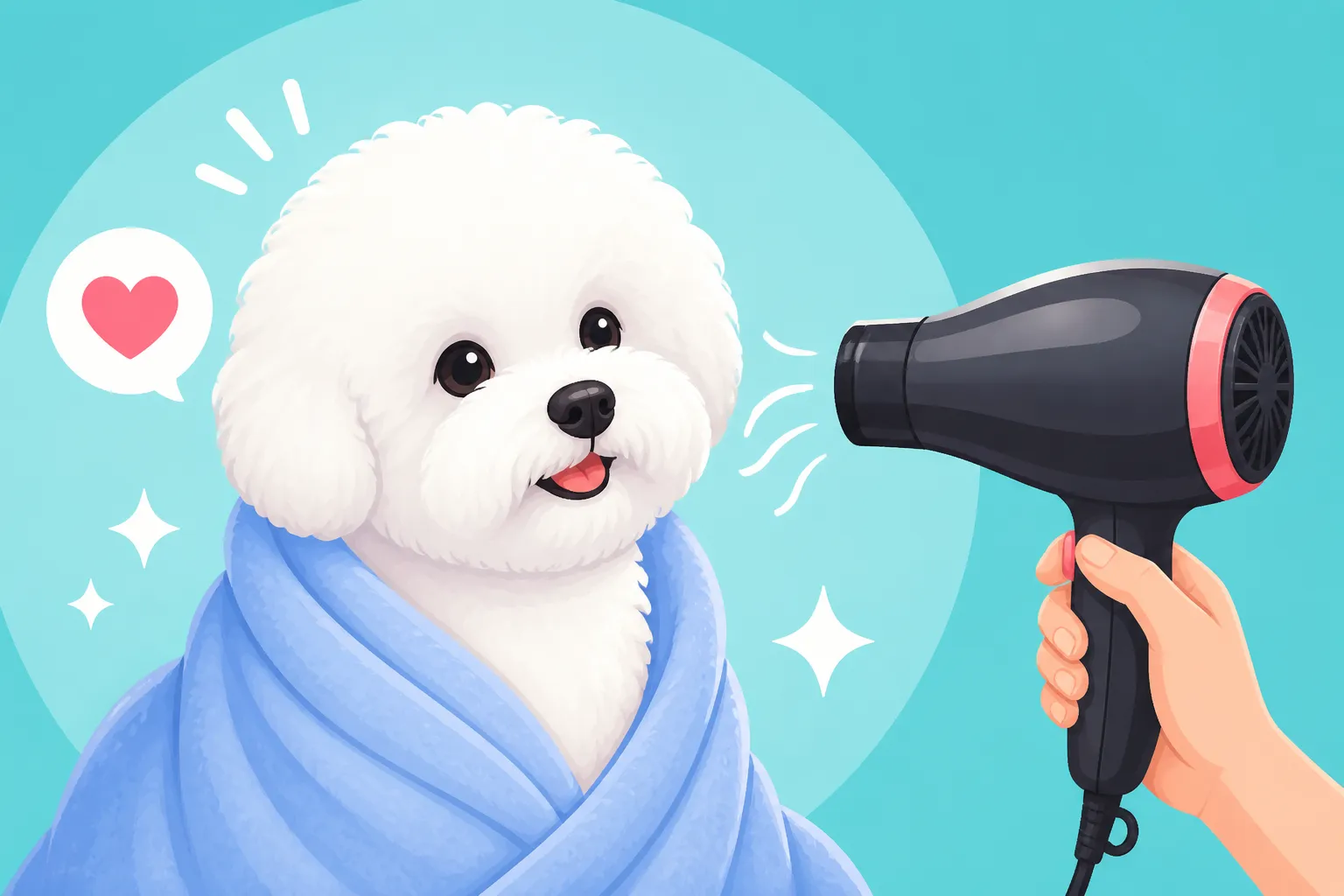
First things first: ditch the human hairdryer. While some might seem quiet, they are often too hot for a dog's sensitive skin and can cause burns. Invest in a dedicated pet dryer. You don't necessarily need a powerful force dryer right off the bat, especially if your Bichon Frise is already fearful. Start with a quieter, low-heat pet dryer. Many excellent models are available on platforms like Amazon that offer variable speed and temperature settings, allowing you to gradually increase intensity as your dog becomes more comfortable. Look for one with a "cool" or "no heat" setting, which is vital for preventing overheating and skin irritation.
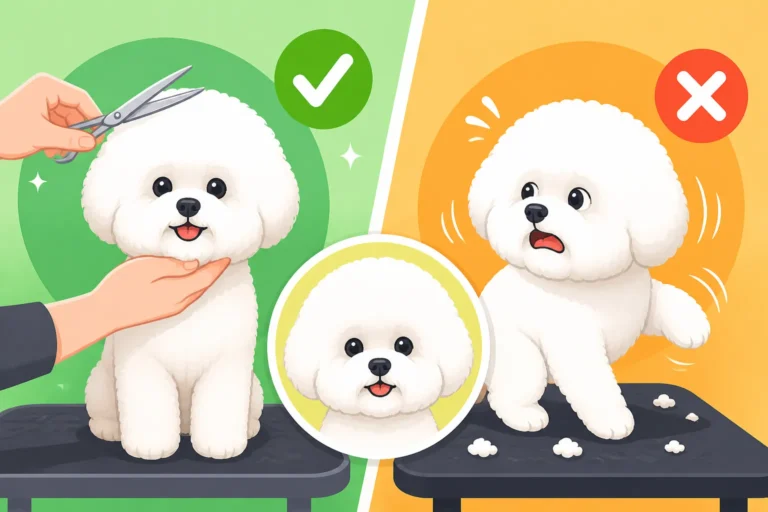
Beyond the dryer, consider a good quality grooming table with a non-slip surface and a grooming arm with a no-sit haunch holder or loop. This helps keep your Bichon securely in place, preventing them from falling or jumping off, which can lead to injury and further trauma. A comfortable restraint isn't about punishment; it's about safety and creating a controlled environment where your dog can't escape the training, but also can't hurt themselves. Make sure it's snug but not tight. You'll also need a high-quality slicker brush and a metal comb to brush through their coat as you dry, preventing mats and ensuring an even dry. Which Brush Suits a Bichon Frise will give you more details on selecting the perfect brush for their fluffy double coat.
Creating a Calm, Positive Space
The environment where you introduce the dryer is just as important as the dryer itself. Choose a quiet, familiar room in your home where your Bichon Frise already feels safe and comfortable. Avoid high-traffic areas or places with sudden noises. Lay down a non-slip mat or towel on your grooming table or even on the floor if you're not using a table for initial sessions. Slipping can cause anxiety and fear, making the experience worse.
Before you even bring out the dryer, engage in some calming activities with your Bichon Frise. A short walk, some gentle cuddles, or a quick play session can help them feel relaxed and happy. Have an arsenal of high-value treats ready – think tiny pieces of cooked chicken, cheese, or their absolute favorite soft treats. These will be your secret weapon for creating positive associations. The goal is to make this space and this activity feel like a reward, not a punishment. If they associate the grooming area with yummy treats and gentle praise, they'll be much more receptive to the training ahead.
Step-by-Step Desensitization Training
Desensitization is key when teaching a fearful dog anything new, and it's particularly effective for overcoming dryer phobia. This isn't a quick fix; it's a gradual process that involves very small steps, patience, and consistent positive reinforcement. The aim is to slowly expose your Bichon Frise to the scary stimulus (the dryer) at such a low level that they don't react negatively, and then pair that exposure with something wonderful.
Introducing the Dryer Noise Gradually
Start with the dryer completely off. Place it on the floor a few feet away from your Bichon Frise. Let them sniff it, explore it. Give them a treat and calm praise for simply being near it without showing fear. Do this for a few minutes, then put the dryer away. Repeat this several times over a day or two. The goal is to make the dryer a neutral object.
Next, turn the dryer on the lowest, coolest setting, but keep it far away – perhaps in another room with the door ajar, or across the house. The volume should be so low that your Bichon barely registers it, or at least doesn't react negatively. As soon as you turn it on, start giving them treats and praise. Turn it off after a minute or two, and stop the treats. This teaches them: dryer noise = yummy treats. Gradually, over days or weeks, you can slowly reduce the distance, always ensuring the noise level remains sub-threshold (meaning, not enough to scare them). If they show any signs of fear – ears back, tail tucked, trying to move away – you've gone too fast. Go back a step. Patience is truly a virtue here.
Acclimating to Airflow and Touch
Once your Bichon Frise is comfortable with the sound of the dryer at a closer distance, it's time to introduce the airflow and touch. With the dryer on its lowest, coolest setting, start by directing the air away from your dog. Then, briefly, direct it towards a non-sensitive part of their body, like a paw or their back leg, for just a second or two. Immediately reward with a treat and praise. Remove the air, stop the treat. The sequence is vital: dryer air ON = treat, dryer air OFF = no treat.
Repeat this process, slowly increasing the duration and moving the airflow to different parts of their body. Avoid their face and ears initially, as these are often the most sensitive areas. While the air is gently blowing, use your slicker brush to gently brush their coat. This mimics the actual drying process. The goal is to get them used to the feeling of the air and the brush simultaneously. Training resources like BAXTER & Bella offer excellent online programs that can guide you through these desensitization steps with video tutorials and expert advice, helping you understand canine body language and tailor the training to your individual Bichon Frise. Remember, small increments are better than pushing too hard and causing a setback.
Building Up to a Full Drying Session
As your Bichon Frise becomes more comfortable with short bursts of air and brushing, you can gradually increase the duration of the drying periods. Start with 30 seconds, then a minute, then two. Always end on a positive note, even if it means cutting a session short. If they start to show signs of stress (lip licking, yawning, turning away, tensing up, or trying to escape), stop immediately. Take a break, and then try again later, or go back to an easier step. It's far better to have many short, successful sessions than one long, traumatic one.
Work on one section of their body at a time. Maybe you dry one leg thoroughly during one session, then their back during another. Gradually, you'll be able to combine these into longer drying periods. Always use your brush and comb to ensure the coat is drying evenly and to prevent matting, especially in areas like behind the ears or under the legs where their soft fur is prone to tangles. How Long Drying a Bichon Frise Takes can give you an idea of the commitment involved in maintaining their beautiful coat. This entire process might take weeks or even months, depending on your Bichon's initial fear level and past experiences. The key is never to rush and to celebrate every tiny victory.
Common Challenges and Troubleshooting
Even with the best intentions and a meticulous step-by-step plan, you might hit some roadblocks. It's completely normal for a Bichon Frise to have good days and bad days during training. Don't let setbacks discourage you; they are part of the learning process.
When Your Bichon Frise Still Hates It
If your Bichon Frise continues to show extreme fear, aggression, or panic despite your careful desensitization efforts, it's a sign that you might need professional help. This isn't a failure on your part; some dogs have deeper-seated anxieties that require expert intervention. A certified professional dog trainer or a positive reinforcement groomer can offer one-on-one guidance, observe your dog's specific reactions, and provide tailored strategies. They might identify nuances in your technique or your dog's body language that you've missed.
In some severe cases, especially if the fear is causing extreme stress or is rooted in a past trauma, your veterinarian might recommend anxiety-reducing medication or supplements. This isn't a magic bullet, but it can help lower your dog's overall anxiety levels, making them more receptive to behavioral modification training. It's important to view medication as a tool to facilitate training, not a standalone solution. Always discuss any concerns with your vet. Whether a Bichon Frise Needs Sedation for Grooming is a question many owners face, and it's best answered with professional veterinary advice.
Maintaining a Positive Routine
Once your Bichon Frise has made progress with dryer acceptance, the work isn't over. Consistency is crucial to maintaining their comfort and preventing a regression. Even if your dog isn't getting a full bath, try to incorporate short, positive "dryer practice" sessions into your routine a few times a week. This could be as simple as turning the dryer on low, offering a few treats, and doing a quick brush-through of their fur for a minute or two. This keeps the experience fresh and reinforces the positive association.
Make grooming, in general, a positive and normal part of their life. This includes daily brushing, ear cleaning, and nail trims. The more accustomed your Bichon Frise is to being handled and to the various tools, the easier the dryer will become. Always remember to praise and reward their cooperation, no matter how small. Your Bichon Frise thrives on your affection and approval, and linking these positive emotions to grooming will make a world of difference in their long-term comfort and well-being. Whether Home Brushing Makes Salon Visits Easier is definitely true and will contribute to a more positive dryer experience.
Desensitization Steps for Dryer Acceptance
| Step | Action | Goal | Important Notes |
|---|---|---|---|
| 1. Neutral Introduction | Place the OFF dryer on the floor. Let your Bichon Frise sniff it. | Dryer becomes a neutral object. | No noise, no air. Give treats for calm curiosity. Repeat frequently for a few days. |
| 2. Distant Sound Exposure | Turn dryer ON (lowest/coolest setting) in another room or far away. | Associate dryer noise with positive rewards. | Noise level should be barely audible to your dog. Immediately give high-value treats and praise. Turn off dryer, stop treats. Keep sessions very short (15-30 seconds). |
| 3. Closer Sound Exposure | Gradually decrease distance of dryer (still lowest/coolest setting). | Maintain positive association with increasing sound proximity. | Only move closer if Bichon shows no signs of fear at current distance. Continue treats while dryer is ON, stop when OFF. If fear arises, move back to a farther distance. |
| 4. Airflow Introduction | With dryer ON (lowest/coolest), direct air away from dog. Briefly aim at a non-sensitive area (paw). | Acclimate to the sensation of air. | Air should be very gentle. Just a quick puff. Reward immediately. Gradually increase duration (1-2 seconds) and move to other body parts (back, sides), avoiding face and ears initially. Brush simultaneously if possible. |
| 5. Gradual Duration Increase | Slowly increase the time the dryer is on and directed at your dog. | Build tolerance for longer drying periods. | Work in short bursts (e.g., 30 seconds per leg). Always end on a positive note. Watch for stress signals and stop before your dog gets overwhelmed. |
| 6. Full Session Practice | Combine short drying periods into a longer, more complete session. | Achieve comfort with a full drying routine. | Focus on one section at a time. Continue to use treats and praise throughout. If possible, integrate a slicker brush and comb to ensure the coat is drying properly and mat-free. Maintain patience and consistency. |
| 7. Ongoing Maintenance | Incorporate short dryer practice sessions (even without a full bath) regularly. | Prevent regression and reinforce positive associations. | Keep the experience positive with treats and praise. This ensures the dryer remains a normal, non-threatening tool in your Bichon Frise's life. |
Disclaimer
This article is for general informational purposes only and does not constitute professional advice. Laws, prices and regulations vary by location and change over time. Consult a qualified professional for guidance on your specific situation.