Whether a Bichon Frise Urgency Problem Looks Like Bad Training
It's incredibly frustrating when you've put in all the effort to housetrain your sweet Bichon Frise, only to find yourself cleaning up accidents or constantly rushing them outside. Many owners feel like they've failed, or that their Bichon is being stubborn, but often, what looks like a "bad training" problem is actually an underlying issue causing genuine urinary urgency. This comprehensive guide will help you understand the difference, identify potential causes, and work towards a solution for your furry friend.
The Nuances of Housetraining a Bichon Frise
Let's be honest, housetraining a Bichon Frise can feel like a marathon, not a sprint. Their small size means a smaller bladder, which inherently requires more frequent trips outside. It's not always a reflection of poor training when they have an accident, but rather a physiological reality that needs careful management.
Understanding the Typical Bichon Bladder Capacity
A tiny Bichon Frise has a tiny bladder – it's just physics! While an adult dog might be able to hold it for several hours, a Bichon, especially a puppy, simply can't. This can be exasperating when you're diligently following a schedule, only for them to have an accident seemingly soon after a successful potty break. It's not defiance; it's capacity. You might find that even well-trained adult Bichons need more frequent outings than larger breeds. For more on their specific training challenges, check out Why a Bichon Frise Is Famously Hard to Housetrain.
Think about it from their perspective: they feel the urge, and the window to get outside is much shorter than it would be for a Labrador. This means we, as owners, need to be hyper-vigilant and proactive. It's not about if they'll need to go, but when, and ensuring you're ready to get them out the door immediately.
Weather Reluctance and Its Impact on Potty Breaks
Bichons are notoriously particular about weather. A little rain, snow, or even a slight chill can turn a perfectly housetrained dog into a statue refusing to set paw on the wet grass. This isn't just a quirky habit; it can lead to holding urine for too long, which increases the risk of urinary tract issues, or, more commonly, simply having an accident indoors because they just can't hold it anymore and refuse to brave the elements.
Imagine your Bichon standing at the door, peering out at the drizzle, then looking back at you with a look that clearly says, "No way." It’s a common scenario. This reluctance can easily be mistaken for a regression in training, when in fact, it’s a preference for comfort that can snowball into actual urgency if they delay too long or have repeated indoor accidents. Providing a sheltered potty area, or even a designated indoor spot during bad weather, can sometimes help mitigate this challenge.
Key Signs Your Bichon Frise Might Have an Urgency Problem
Distinguishing between a training hiccup and a genuine urgency problem is crucial. It often comes down to changes in behavior, not just the act of having an accident. If your Bichon's housetraining suddenly seems to unravel, or if they've always struggled despite consistent effort, it's time to look closer at these signs.
Increased Frequency and Accidents
One of the most telling signs of urgency is a noticeable increase in how often your Bichon needs to urinate. This isn't just a little more frequently; it's often a dramatic shift. They might ask to go out every 15-30 minutes, or you might find small puddles appearing more regularly, even shortly after they've been outside. This change is particularly concerning if they were previously well-housetrained.
It’s easy to dismiss these frequent demands as attention-seeking or a training lapse, but a dog that suddenly needs to go out constantly, or has small, frequent accidents, is telling you something is wrong internally. Keep a diary for a few days, noting the time and amount of each urination, both inside and out. This data will be invaluable for your vet.
Straining or Difficulty Urinating
If your Bichon is straining, squatting repeatedly, or seems uncomfortable when trying to urinate, this is an immediate red flag. They might produce only a few drops, or nothing at all, despite obvious effort. This isn't an urgency problem in the typical sense; it's an emergency. Straining can indicate a partial or complete blockage, which is life-threatening.
Observe closely: is your dog hunching, crying, or showing any signs of pain while attempting to relieve themselves? Are they licking their genital area excessively? These are all serious indicators that require immediate veterinary attention. Don't wait to see if it improves; a blocked male Bichon Frise, in particular, can deteriorate rapidly. For more on what to look for, see The First Signs a Bichon Frise Has Stones and Whether a Straining Bichon Frise Is an Emergency.
Leaking or Dribbling Urine
Accidental leaking or dribbling urine, especially when your Bichon is resting, sleeping, or unaware, is a clear sign of an involuntary urinary issue rather than a training problem. This isn't about not asking to go out; it's about not being able to control their bladder function. You might find wet spots on their bed, the couch, or where they've been lying down.
This can be incredibly disheartening for owners, as it feels like a constant battle against wetness. It's important not to punish these accidents, as your dog literally cannot help it. Incontinence can stem from various causes, from anatomical issues to hormonal imbalances, particularly in spayed females. While waiting for a vet appointment, dog diapers can offer some relief for your home, and you can find various options on sites like Amazon.
Common Medical Reasons Behind Urgency in Bichon Frises
When a Bichon Frise develops urinary urgency, the first and most critical step is to rule out medical causes. Bichons are unfortunately prone to certain conditions that directly affect their urinary tract and can mimic or cause house-training issues.
Bladder Stones
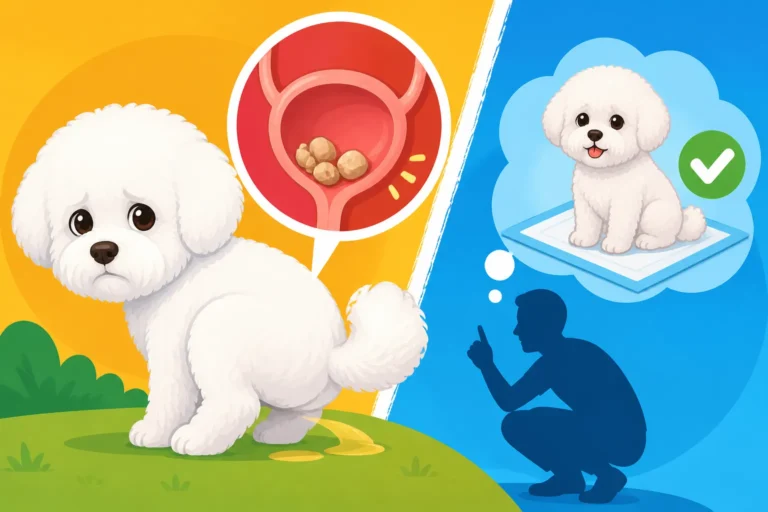
Bichon Frises are famously predisposed to developing bladder stones, particularly calcium oxalate stones. These stones can irritate the bladder lining, leading to inflammation and a constant sensation of needing to urinate, even when the bladder is relatively empty. They act like a persistent itch, making your dog feel like they always have to go. Why a Bichon Frise Tops the Stone Risk List explains why this breed is so susceptible.
The irritation from bladder stones can cause frequent, small urinations, sometimes accompanied by blood in the urine, or straining. It’s not that your Bichon has forgotten their training; it’s that their bladder is screaming at them to go, go, go! If a stone moves into the urethra, it can cause a partial or complete blockage, which, as mentioned, is an absolute emergency. Regular vet check-ups, including urine tests and potentially imaging, are vital for early detection, especially given their genetic predisposition to What a Calcium Oxalate Stone Is in a Bichon Frise.
Urinary Tract Infections (UTIs)
A urinary tract infection is another very common cause of sudden urinary urgency. Bacteria in the bladder cause inflammation and irritation, leading to a strong, frequent urge to urinate. This often presents very similarly to bladder stones, with increased frequency, small amounts of urine, and sometimes straining or discomfort. The urine might appear cloudy or have a strong odor.
UTIs can affect dogs of any age, but they can be particularly troublesome in Bichons due to their dense coat around the perineal area, which can trap moisture and bacteria if not kept meticulously clean. A course of antibiotics, prescribed by your veterinarian after a urine sample is tested, usually clears up a UTI quickly, and with it, the urgency. Ignoring these symptoms can lead to the infection spreading to the kidneys, so it's essential to seek veterinary care promptly.
Diabetes
While not directly affecting the bladder in terms of irritation, diabetes can cause significant changes in a Bichon Frise's urination habits. Dogs with diabetes have high blood sugar levels, and their kidneys try to compensate by filtering out the excess sugar, which in turn draws more water into the urine. This results in increased thirst (polydipsia) and, consequently, increased urination (polyuria).
If your Bichon suddenly starts drinking excessive amounts of water and needing to urinate much more frequently, seemingly unable to hold it, diabetes should be on your radar. This isn't an urgency problem stemming from bladder discomfort, but rather from the sheer volume of urine being produced. It can easily look like a housetraining failure, especially if the dog starts having accidents indoors due to the overwhelming need to go. Whether a Bichon Frise Gets Diabetes provides more detailed information on this condition.
Cushing's Disease
Cushing's Disease, also known as hyperadrenocorticism, is another hormonal condition that can manifest with increased thirst and urination. In Bichons, especially as they age (past seven years old is when it typically appears), the adrenal glands produce too much cortisol. This excess cortisol has wide-ranging effects on the body, including prompting the kidneys to excrete more water, leading to excessive drinking and frequent, voluminous urination.
A Bichon with Cushing's will often display other symptoms too, such as a pot-bellied appearance, thinning coat, increased appetite, and muscle weakness. However, the increased thirst and urination are often among the first signs owners notice. Like diabetes, the sheer volume of urine can make it impossible for a dog to hold it for as long as they once could, leading to accidents that appear to be a training breakdown. For more on this, you might find The Signs of Cushing's in a Bichon Frise helpful.
Other Less Common Medical Causes
Beyond the big hitters, there are other medical conditions that can cause urinary urgency or incontinence in Bichon Frises. These might include kidney disease, which impairs the kidneys' ability to concentrate urine, leading to more frequent trips. Prostate issues in unneutered male Bichons can also cause straining and discomfort during urination. In some cases, neurological problems affecting bladder control or even certain medications can alter a dog's urinary habits.
A veterinarian will perform a thorough physical examination, run blood work, and conduct urinalysis to help pinpoint the underlying cause. Sometimes, imaging like X-rays or ultrasound (which can find stones, as discussed in Whether an Ultrasound Finds a Bichon Frise's Stones) is necessary to get a full picture. It's vital to provide your vet with as much detail as possible about the onset, frequency, and nature of the accidents.
Behavioral Factors That Mimic Urgency
Once medical causes have been thoroughly investigated and ruled out, it's time to consider behavioral factors. What looks like urgency might actually be an incomplete training foundation, anxiety, or marking behaviors.
Incomplete or Inconsistent Housetraining
Sometimes, what appears to be an urgency problem is simply a reflection of an incomplete housetraining process. Bichons can be notoriously challenging to housetrain, and if the foundation wasn't rock-solid, even small environmental changes or lapses in routine can cause regressions. Perhaps your schedule changed, or you moved to a new home, and the dog never fully adapted to the new routine.
In these cases, the dog might know they should go outside, but either hasn't generalized the concept to all situations or hasn't built up the bladder control needed for longer intervals. It's not necessarily an urgency from a medical standpoint, but a lack of robust training. Re-establishing a strict potty schedule, consistent rewards, and being patient can often help. BAXTER & Bella offers excellent online resources and courses that can guide you through refining your dog's housetraining, helping you to build a stronger foundation. Remember, consistency is key, as covered in The Toilet Routine That Finally Works on a Bichon Frise.
Anxiety or Stress-Related Urination
Dogs, just like people, can react to stress and anxiety in physical ways. A Bichon Frise who is anxious, particularly if suffering from separation anxiety, might urinate more frequently or have accidents indoors when stressed. This isn't because their bladder is irritated, but because their nervous system is in overdrive.
Common triggers for anxiety-related urination include being left alone, changes in the household (new baby, new pet, moving), loud noises, or even certain visitors. The urination might happen shortly after the stressful event or during it. You might notice other signs of anxiety, such as pacing, whining, destructive behavior, or excessive licking. Addressing the underlying anxiety through behavior modification, enrichment, and sometimes medication (in severe cases) is necessary here, not just focusing on the urination itself.
Submissive or Excitement Urination
Some Bichons, particularly puppies or young dogs, can exhibit submissive urination or excitement urination. Submissive urination usually occurs when a dog feels threatened, intimidated, or is trying to show deference, often in response to loud voices, looming over them, or even punishment. They might crouch, avert their gaze, and then leak a small amount of urine.
Excitement urination, on the other hand, happens when a dog gets overly stimulated, such as during greetings, vigorous play, or when you first come home. Their bladder simply lets go due to the overwhelming emotion. Neither of these is an "urgency" problem in the sense of a full bladder, nor is it a sign of poor training. It's an involuntary response. Management involves keeping greetings calm, avoiding intimidating body language, and sometimes having your dog relieve themselves before potentially exciting interactions.
Marking Behavior
Marking is a territorial behavior where a dog deposits small amounts of urine to claim an area. While more common in unneutered males, spayed females and neutered males can also mark, especially if there are other pets in the home, new scents, or changes in their environment. This is different from a full bladder accident; markers often lift a leg (even females sometimes do a modified lift) and release a small squirt.
If you notice tiny, frequent spots in specific areas, especially vertical surfaces, it might be marking. Addressing marking involves thorough cleaning with enzymatic cleaners (you can find effective ones on Amazon) to eliminate the scent, neutering (if applicable), identifying and reducing triggers, and sometimes using belly bands for males. This is a behavioral choice, not an inability to hold urine, though it can certainly look like an urgency issue to the frustrated owner. Whether a Male Bichon Frise Marks Indoors delves deeper into this common male behavior.
Working with Your Vet to Diagnose the Problem
When you suspect your Bichon Frise has a urinary urgency problem, your veterinarian is your most important partner. A systematic approach to diagnosis is crucial to ensure no underlying medical condition is overlooked.
Initial Veterinary Examination and History Taking
Your vet will start with a thorough physical examination, palpating your dog's abdomen, checking their temperature, and generally assessing their overall health. This initial check-up can reveal tenderness, a distended bladder, or other physical cues. Even more critical, however, is the history you provide. Be prepared to discuss:
- When the problem started: Was it sudden or gradual?
- Frequency of urination: How often do they go, both indoors and out?
- Amount of urine: Small dribbles, normal volume, or large puddles?
- Appearance of urine: Is it clear, cloudy, reddish, or dark?
- Straining or discomfort: Do they seem to struggle or cry when urinating?
- Changes in thirst or appetite: Are they drinking or eating more or less?
- Any other symptoms: Vomiting, lethargy, changes in coat, weight loss/gain?
- Current diet and medications: Are they on a special diet or any drugs?
The more detailed information you can give, the better your vet can narrow down the potential causes. Keeping a diary of these observations can be incredibly helpful.
Urinalysis and Culture
A urinalysis is a fundamental diagnostic tool for any urinary issue. Your vet will collect a urine sample (ideally, a sterile sample collected directly from the bladder via cystocentesis) and examine it. This test looks for:
- pH levels: Crucial for understanding stone risk. Whether a Bichon Frise Needs Urine pH Monitored explains more.
- Specific gravity: Indicates how concentrated the urine is, which can point to kidney issues or increased water intake.
- Presence of blood, protein, glucose, or ketones: Indicators of infection, inflammation, diabetes, or kidney disease.
- Crystals: Suggestive of bladder stone formation.
- Bacteria and white blood cells: Signs of a urinary tract infection.
If bacteria are present, a urine culture and sensitivity test will be performed. This identifies the specific type of bacteria and determines which antibiotics will be most effective in treating the infection. This avoids using a "shotgun" approach with antibiotics and ensures targeted treatment.
Imaging: X-rays and Ultrasound
If urinalysis is inconclusive or suggests bladder stones, your vet will likely recommend imaging. X-rays are excellent for detecting certain types of bladder stones (like struvite and calcium oxalate, which are common in Bichons) because they are radiopaque, meaning they show up clearly on the film. However, not all stones are radiopaque, and X-rays don't show soft tissue details well.
An ultrasound is invaluable for visualizing the bladder walls, checking for inflammation, detecting stones that might not show on X-rays (like urate stones), and evaluating the kidneys and other abdominal organs. It can also help identify tumors or other structural abnormalities. Both X-rays and ultrasound are non-invasive and provide critical information about the urinary tract's physical condition.
Adjusting Your Routine for an Urgent Bichon Frise
Once a diagnosis is made and any medical issues are being treated, or if behavioral factors are identified, you'll need to adjust your routine to manage the urgency and support your Bichon.
Implementing a Strict Potty Schedule
Regardless of the cause, a strict and frequent potty schedule is often the first line of defense. If your Bichon has a smaller bladder due to age, size, or medical condition, they simply need to go out more often. This means taking them out every 2-3 hours, first thing in the morning, last thing at night, after waking from naps, after meals, and after play sessions. Even if they don't ask to go, take them.
For a dog struggling with urgency, this schedule provides maximum opportunity to relieve themselves outdoors, reducing the chances of accidents. Consistency is paramount. Everyone in the household needs to be on board, and tracking successes can be very motivating. While you're working on this, a training program like those offered by BAXTER & Bella can help reinforce positive associations with outdoor potty breaks.
Managing Water Intake and Encouraging Drinking
If your Bichon has bladder stones or a history of UTIs, encouraging them to drink more water can be beneficial. Diluted urine makes it harder for crystals to form and can help flush out bacteria, as discussed in Whether Diluting Urine Prevents Bichon Frise Stones and Whether Water Intake Changes a Bichon Frise's Risk. Ways to encourage drinking include:
- Multiple water bowls: Place bowls in various locations around the house.
- Water fountains: Some dogs are enticed by the running water of a pet fountain, easily found on Amazon.
- Adding water to food: Mixing a bit of warm water or low-sodium broth into their kibble.
- Wet food: Switching to an all-wet or mixed wet/dry diet, as wet food has a higher moisture content. Whether Wet Food Helps a Bichon Frise's Stones elaborates on this.
- Ice cubes: Many dogs love to crunch on ice cubes, which adds to their water intake.
However, if your Bichon has conditions like kidney disease or heart issues, your vet might advise against increasing water intake, so always consult them first. If your dog has diabetes or Cushing's, their increased drinking is a symptom of the disease, and forcing more water usually isn't the solution; treating the underlying condition is.
Diet Adjustments for Urinary Health
For Bichons with a history of bladder stones, a prescription diet specifically formulated for urinary health is often a lifelong requirement. These diets are designed to alter urine pH, reduce mineral concentrations, and support overall bladder health. The Diet a Bichon Frise Stays On for Life covers this in detail.
It's absolutely critical to stick to these diets strictly. Even a few inappropriate treats or table scraps can throw off the delicate balance the diet is trying to maintain and increase the risk of stone recurrence. Always discuss any dietary changes, including treats, with your vet. They can recommend specific treats that are safe and compatible with the prescription diet.
Environmental Enrichment and Stress Reduction
For behavioral causes of urgency, focusing on environmental enrichment and stress reduction is key. A bored or anxious Bichon is more likely to engage in undesirable behaviors, including inappropriate urination.
- Regular Exercise: Even small dogs need daily walks and playtime. Physical activity helps burn off excess energy and reduces anxiety.
- Mental Stimulation: Puzzle toys, training sessions with treats (BAXTER & Bella offers great ideas for mentally engaging your dog), and interactive games can keep their minds busy and prevent boredom.
- Consistent Routine: Dogs thrive on predictability. A consistent daily schedule for feeding, walks, and playtime can significantly reduce anxiety.
- Safe Space: Provide a comfortable, quiet den or crate where your Bichon can retreat when they feel overwhelmed.
- Anxiety Aids: For dogs with severe anxiety, your vet might discuss options like pheromone diffusers, calming supplements, or even anti-anxiety medication.
By addressing their mental and emotional well-being, you can often alleviate stress-related urination and improve overall behavior. This holistic approach ensures your Bichon feels secure and content, which translates to better bladder control.
When to Seek Emergency Care
While many urgency problems can be managed with a vet appointment, some situations warrant immediate, emergency care. Knowing the difference can save your Bichon's life.
Complete Blockage
If your Bichon Frise is straining repeatedly to urinate with little to no success, or if they haven't urinated for several hours and are showing signs of discomfort (panting, restlessness, abdominal pain, crying), it could be a complete urinary blockage. This is an emergency. The bladder can swell to the point of rupture, and toxins can build up in the bloodstream, leading to kidney failure and death within 24-48 hours.
Male Bichons are more prone to blockages due to their narrower urethra, but females can also be affected. Do not delay. Call your emergency vet immediately and head straight to the clinic. Time is of the essence in these situations.
Severe Pain or Lethargy
Any sudden onset of severe pain, particularly in the abdomen, accompanied by urinary symptoms or a refusal to urinate, is cause for an emergency visit. If your Bichon is suddenly very lethargic, weak, vomiting, or collapses, especially with other signs of urinary distress, something serious is happening.
These symptoms could indicate a ruptured bladder, severe infection, acute kidney injury, or a critical worsening of an underlying condition. Trust your gut: if your dog is acting unlike themselves and appears to be in significant distress, it's always better to err on the side of caution and seek emergency veterinary attention.
| Symptom | Possible Medical Cause(s) | Behavioral Cause(s) | Emergency Status |
|---|---|---|---|
| Increased frequency (small amounts) | UTI, Bladder Stones, Bladder Inflammation | Incomplete Training, Anxiety, Marking (small amount) | Routine Vet Visit |
| Straining/Difficulty Urinating | Bladder Stones, UTI, Blockage (partial or complete) | None (Always Medical) | URGENT/EMERGENCY |
| Leaking/Dribbling (unaware) | Incontinence (hormonal, neurological), Severe UTI | Submissive/Excitement Urination | Routine Vet Visit |
| Increased thirst & urination (large volume) | Diabetes, Cushing's Disease, Kidney Disease | None (Always Medical) | Routine Vet Visit |
| Blood in Urine | Bladder Stones, Severe UTI, Bladder Trauma, Cancer | None (Always Medical) | Routine Vet Visit |
| Complete inability to urinate | Complete Urethral Blockage | None (Always Medical) | EMERGENCY |
| Sudden pain, lethargy, collapse | Ruptured Bladder, Severe Infection, Acute Kidney Injury | Severe Anxiety (less likely to be collapse without medical cause) | EMERGENCY |
Dealing with urinary urgency in a Bichon Frise can be incredibly challenging, both emotionally and practically. Remember, your Bichon isn't doing this to spite you. There's almost always an underlying reason, whether medical or behavioral. By understanding the potential causes, working closely with your veterinarian, and implementing appropriate management strategies, you can help your beloved companion feel more comfortable and get back to being their happy, housetrained self. The journey might require patience and persistence, but seeing your Bichon thrive is truly worth it.
Disclaimer
This article is for general informational purposes only and does not constitute professional advice. Laws, prices and regulations vary by location and change over time. Consult a qualified professional for guidance on your specific situation.