How Long Drying a Bichon Frise Takes
Oh, the never-ending task of drying a Bichon Frise! If you've ever found yourself with a sopping wet furball that seems to hold onto water like a sponge, you're certainly not alone in your frustration. That beautiful, fluffy white coat is a joy to behold, but it's a real challenge when it comes to getting it thoroughly dry. This guide is here to walk you through the realistic expectations of drying your Bichon, whether you're tackling it at home or entrusting them to a professional groomer, and how long you can actually expect it to take.
The Unique Challenge of the Bichon Frise Coat
The Bichon Frise coat is truly a marvel, but it's also the primary reason why drying your little cloud can feel like an Olympic event. Understanding its unique properties is the first step to managing your expectations and making the drying process more efficient. It’s not just about getting the top layer dry; it’s about penetrating deep into that dense undercoat.
Why Bichons Take So Long to Dry
The Bichon Frise boasts a distinctive double coat, and this is the crux of the drying dilemma. They have a soft, dense undercoat that acts almost like a woolly blanket, designed to insulate them. Over this, they have a coarser, curlier outer coat that stands off the body, creating that signature powder-puff look. When wet, this outer coat mats down, trapping moisture in the dense undercoat beneath. It's like trying to dry a deeply piled carpet that's also matted; the surface might feel dry, but deep down, it’s still saturated. This structure is precisely why a quick towel rub simply won't cut it, and why air drying isn't really an option unless you want a matted, damp, and potentially smelly dog for hours, if not days.
Adding to the challenge is the texture of the hair itself. Bichon hair is not like human hair, nor is it like many other dog breeds. It's designed to curl and fluff, which means it holds onto water droplets tenaciously. Every tiny curl becomes a miniature reservoir, making it incredibly difficult for moisture to escape. If you've ever tried to brush out a wet Bichon, you'll feel the resistance and the dense dampness that seems to cling to the brush, even after what feels like endless towel drying. This unique combination of density and curl is why patience and the right tools are absolutely essential.
The Risk of Incomplete Drying
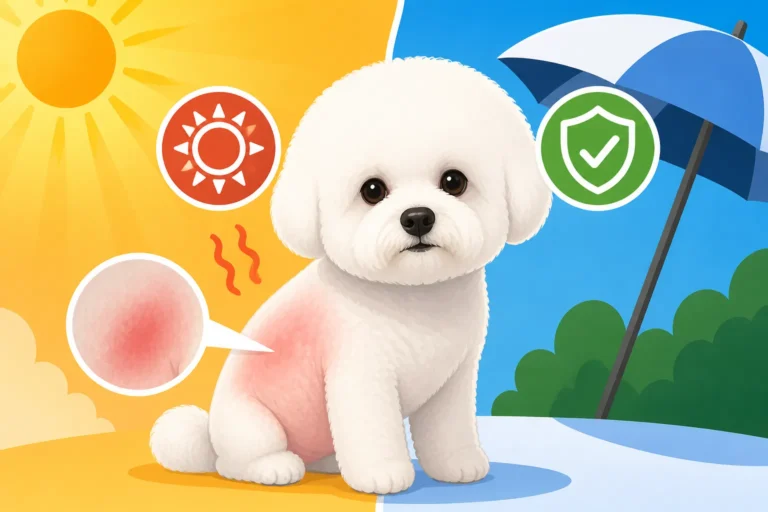
Leaving a Bichon Frise incompletely dried isn't just a minor inconvenience; it can lead to a host of problems for both you and your beloved pet. The most immediate and common issue is matting. That dense undercoat, once wet, will quickly clump together as it dries naturally, forming tight, painful mats close to the skin. These mats aren't just cosmetic; they pull on the skin, causing discomfort, irritation, and even open sores. Imagine wearing a matted sweater that constantly tugs at your skin – it's a miserable experience for your dog. A matted coat also makes future grooming, including subsequent baths and drying sessions, exponentially harder and more painful. It's a vicious cycle that you definitely want to avoid. You can learn more about how Whether Loose Hair Trapped in the Coat Causes Mats contributes to this problem.
Beyond matting, an incompletely dried coat creates a breeding ground for bacteria and yeast, leading to unpleasant odors and serious skin infections. If your Bichon smells "doggy" even shortly after a bath, it's a strong indicator that the coat wasn't dried thoroughly enough. These infections can cause intense itching, redness, and discomfort, often requiring veterinary intervention and costly treatments. In some severe cases, perpetual dampness can even lead to skin conditions like hot spots, where the dog constantly licks and chews at an irritated area, exacerbating the problem. Proper, thorough drying isn't just about fluff; it's a critical component of your Bichon's health and comfort.
Professional vs. Home Drying: A Time Comparison
The contrast between how long it takes to dry a Bichon at a professional grooming salon versus tackling it at home can be significant. It often comes down to the equipment, technique, and sheer experience that groomers bring to the table. If you're wondering why your groomer hands back a perfectly fluffy, dry dog in what seems like record time, there are good reasons for it!
The Professional Groomer's Advantage
Professional groomers are equipped with specialized tools and techniques that dramatically cut down drying time for a Bichon Frise. Their secret weapon is often a high-velocity or "force" dryer. These aren't like human hairdryers; they blow a powerful, concentrated stream of cool or warm (not hot) air that literally blasts the water out of the coat. This process not only dries the dog faster but also helps to de-shed and straighten the hair, making it easier to brush and scissored into that iconic powder-puff shape. A human hairdryer, by contrast, relies on heat to evaporate water, which is slow, can burn the dog's skin, and often just pushes water around the dense coat.
Beyond the equipment, a professional groomer's experience is invaluable. They know how to effectively "line dry" a Bichon, systematically drying small sections of the coat from the skin outwards while brushing, ensuring no damp spots are missed. They also have dedicated grooming tables that raise the dog to a comfortable working height, allowing them to maneuver around the dog efficiently. For a typical Bichon Frise, a professional groomer can often achieve complete dryness, ready for scissoring, in anywhere from 30 to 60 minutes, depending on the dog's coat condition (e.g., whether it's matted or well-maintained), size, and cooperation. This is a far cry from the hours many owners spend battling a damp pet at home. This efficiency is why many owners opt for professional grooms, especially when their Bichon needs How Often a Bichon Frise Needs a Full Groom.
Home Drying Methods and Their Realities
Drying your Bichon at home can be a rewarding experience, but it requires patience, the right tools, and realistic expectations. If you're attempting to dry your Bichon using a standard human hairdryer, prepare for a long haul. These dryers are designed for thinner human hair and rely on heat rather than air velocity. For a dense Bichon coat, a human hairdryer will mostly just dry the surface, leaving the undercoat damp, and it can take well over an hour, often two or more, to get even close to dry. Furthermore, the high heat can easily burn your dog's sensitive skin, making it a risky choice. Many owners find themselves giving up prematurely, leading to the problems of incomplete drying we discussed earlier.
A much better investment for home groomers is a dedicated pet force dryer. These are readily available from online retailers like Chewy and Amazon. While they can be a bit of an investment, they pay for themselves in time and frustration saved, and in the health of your dog's coat. With a good quality force dryer, you can significantly reduce drying time. For a small Bichon with a well-maintained coat, you might achieve complete dryness in 45 minutes to an hour and a half, assuming you're using proper line-drying techniques and consistent brushing. For a larger Bichon or one with a coat that's a bit thicker or has some tangles, it could still push past the 90-minute mark. Always ensure the air isn't too hot and that you're continually moving the nozzle to prevent skin irritation. You can refer to Whether a Bichon Frise Needs a Force Dryer for more detailed information on choosing and using one.
Strategies to Speed Up Your Bichon's Drying Time
While drying a Bichon Frise will never be a five-minute job, there are definitely strategies you can employ to make the process more efficient, thorough, and less stressful for both you and your dog. It's all about preparation, using the right tools, and employing effective techniques.
Pre-Drying Preparation is Key
The battle against a wet Bichon coat begins even before you turn on the dryer. The more water you can remove manually, the less work your dryer has to do, and the faster the overall process will be. Start with thorough towel drying immediately after the bath. Don't just rub; gently blot and squeeze the water out of the coat. Use a highly absorbent towel, like a microfiber pet towel, which can wick away significantly more moisture than a regular bath towel. You might be surprised how much water you can remove with this simple step.
Once you've blotted away the excess water, consider wrapping your Bichon in a dry, absorbent towel for about 10-15 minutes. This can draw even more moisture from the undercoat. Some owners even use specialized pet drying coats or robes which continue to absorb water as the dog shakes and moves around. During this pre-drying stage, you can also use your hands to gently separate the coat, fluffing it up slightly to allow better air circulation once the dryer comes out. This initial effort might seem small, but it can shave precious minutes off the total drying time and make the subsequent steps far more effective.
The Power of a Quality Force Dryer
As mentioned, a high-velocity or force dryer is a game-changer for drying a Bichon Frise. These aren't like the low-powered human hair dryers you might have at home. Force dryers are specifically designed to push water out of a dog's coat using sheer air volume and speed, rather than relying on heat alone. This means they are far more effective at penetrating that dense Bichon undercoat. When you use a force dryer, you'll actually see water droplets flying off your dog, which is incredibly satisfying and a clear sign that you're making progress.
Using a force dryer correctly involves "line drying." This technique means starting at one end of the dog (often the tail or hindquarters) and working in small sections, aiming the nozzle at the skin level while simultaneously brushing the hair outwards. This separates the individual strands, allowing the air to reach every part of the coat and ensuring complete dryness. It also helps prevent mats from forming as the coat dries. You can find excellent force dryers on platforms like Amazon and Chewy, with various settings for air speed and temperature. Always start on a lower setting to get your dog accustomed to the noise and sensation, and gradually increase as they get comfortable. Investing in one of these tools is probably the single best thing you can do to reduce your Bichon's drying time and maintain their beautiful coat.
Brushing and Drying Simultaneously
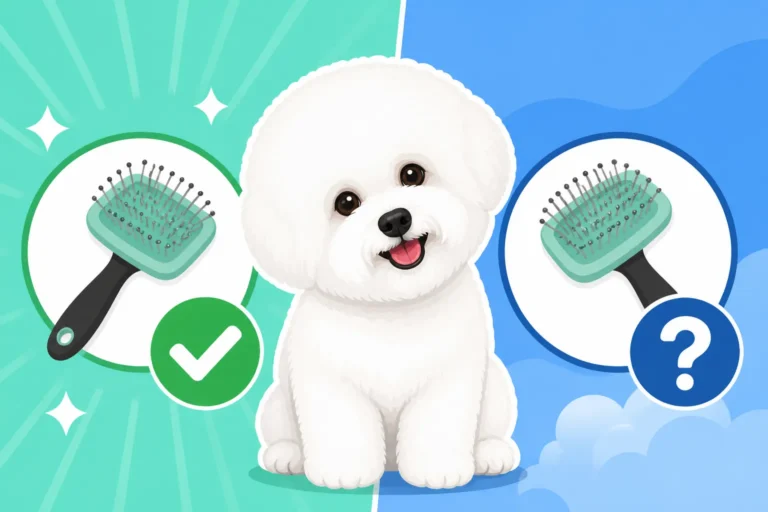
This is perhaps one of the most crucial techniques for efficient Bichon drying, particularly when aiming for that signature fluffy look and preventing mats. As you use your force dryer (or even a pet-safe human hairdryer on a cool setting), you need to be actively brushing the coat. The goal is to separate every single hair strand as it dries. If the coat dries while clumped together, it will become matted and will not achieve that lovely, airy volume. For this, a good quality slicker brush is your best friend.
Start by working in small sections, much like a professional groomer would. Hold a section of hair up, aim the dryer at the roots, and brush through it, working the dryer along with the brush as you go. This is often called "line brushing" or "line drying" because you're essentially creating a straight line of dry, fluffed hair as you move across the dog's body. Pay extra attention to areas prone to matting, such as behind the ears, armpits, and leg furnishings. You’ll find that as the hair dries and fluffs, it becomes much easier to brush through. This continuous brushing during drying is essential for preventing tangles and ensuring a truly dry, tangle-free coat. For more insights, check out Whether Brushing While Drying Sets the Coat. Remember, the more diligently you brush while drying, the better the result, and the less time you'll spend battling mats later on.
Realistic Expectations and Ongoing Coat Care
Even with all the best tools and techniques, drying a Bichon Frise is an ongoing commitment. Setting realistic expectations and establishing a consistent coat care routine are vital for managing drying times and maintaining your dog's overall health and appearance.
Setting Realistic Timeframes
Let's get real about how long this process can truly take. The time it takes to completely dry a Bichon Frise will vary based on several factors: the density and length of their coat, whether they have any mats, your chosen drying method, and your dog's cooperation level. Here's a general guideline to help you set your expectations:
| Drying Method | Estimated Time (Well-Maintained Coat) | Notes |
|---|---|---|
| Air Dry (Not Recommended) | 4-8+ hours, potentially days | Leads to severe matting, skin issues, and odor. Not a viable option for Bichons. |
| Human Hairdryer (Low Heat) | 1.5 – 3 hours | Slow, can still overheat skin. Often leaves undercoat damp. Requires constant brushing. |
| Pet Force Dryer (Home Use) | 45 – 90 minutes | Most efficient home method. Requires line drying and brushing. Time depends on power of dryer and your technique. |
| Professional Groomer | 30 – 60 minutes | Utilizes high-powered equipment, expert techniques, and professional-grade products. Fastest and most thorough option. |
These times assume a coat that is in good condition, meaning no significant matting. If your Bichon is heavily matted, the drying process will be much longer, more difficult, and potentially painful. In severe cases, a matted Bichon might even need to be shaved down before drying can even begin, as detailed in Whether a Matted Bichon Frise Must Be Shaved. Remember, consistency in grooming is key to keeping these times manageable.
Consistency is Your Best Friend
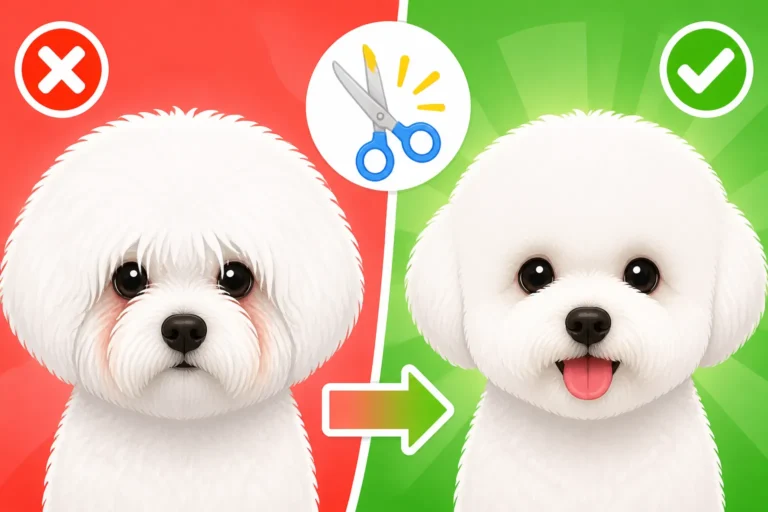
Perhaps the most important factor in managing drying time for your Bichon Frise isn't about speed, but about consistency. A well-maintained coat is significantly easier and quicker to dry than a neglected one. This means regular brushing between baths to prevent mats from forming. If your Bichon has a knot-free, well-brushed coat, the water can be more easily blasted or evaporated from it. If the coat is already matted, water gets trapped, and no amount of high-velocity drying will get through those solid clumps of hair. You'll likely just be drying the exterior of the mat, leaving a damp, smelly core that will only tighten further.
Establishing a regular bathing and drying schedule is also vital. Most Bichons require a full bath and thorough dry every two to four weeks, depending on their lifestyle and how well they are maintained between grooms. Sticking to this schedule ensures that their coat never gets overwhelmingly dirty or matted, making each subsequent grooming session much more efficient. Don't underestimate the power of a good pre-bath brush-out either; removing loose hair and tangles before the bath will make washing and drying a smoother experience. The investment of time in consistent maintenance pays off immensely in reduced drying time and a healthier, happier Bichon. Regular grooming is a must; consider How Many Weeks Between Bichon Frise Grooms to plan your schedule.
The Connection Between Health, Diet, and Coat Quality
While direct drying techniques are paramount, it’s worth remembering that your Bichon’s overall health and nutrition play a subtle but significant role in the quality of their coat, and indirectly, in how easy it is to manage and dry. A dog on a high-quality, balanced diet will generally have a healthier, stronger coat. This isn't just about shine; a healthy coat tends to be less prone to dryness, breakage, and excessive shedding, which can all contribute to matting. A dry, brittle coat can be more challenging to brush through, leading to tangles that trap moisture during drying.
Proper nutrition supports healthy skin and hair follicles, leading to a coat that is supple and resilient. While no specific food will make your Bichon dry faster, a dog with a robust, well-nourished coat will experience less matting, making the grooming process smoother and more efficient. Think of it this way: a healthy, well-maintained coat offers less resistance to the drying process. So, while you're focused on your slicker brush and force dryer, remember that what goes into your Bichon's bowl also contributes to the beautiful, manageable coat you're aiming for.
Disclaimer
This article is for general informational purposes only and does not constitute professional advice. Laws, prices and regulations vary by location and change over time. Consult a qualified professional for guidance on your specific situation.