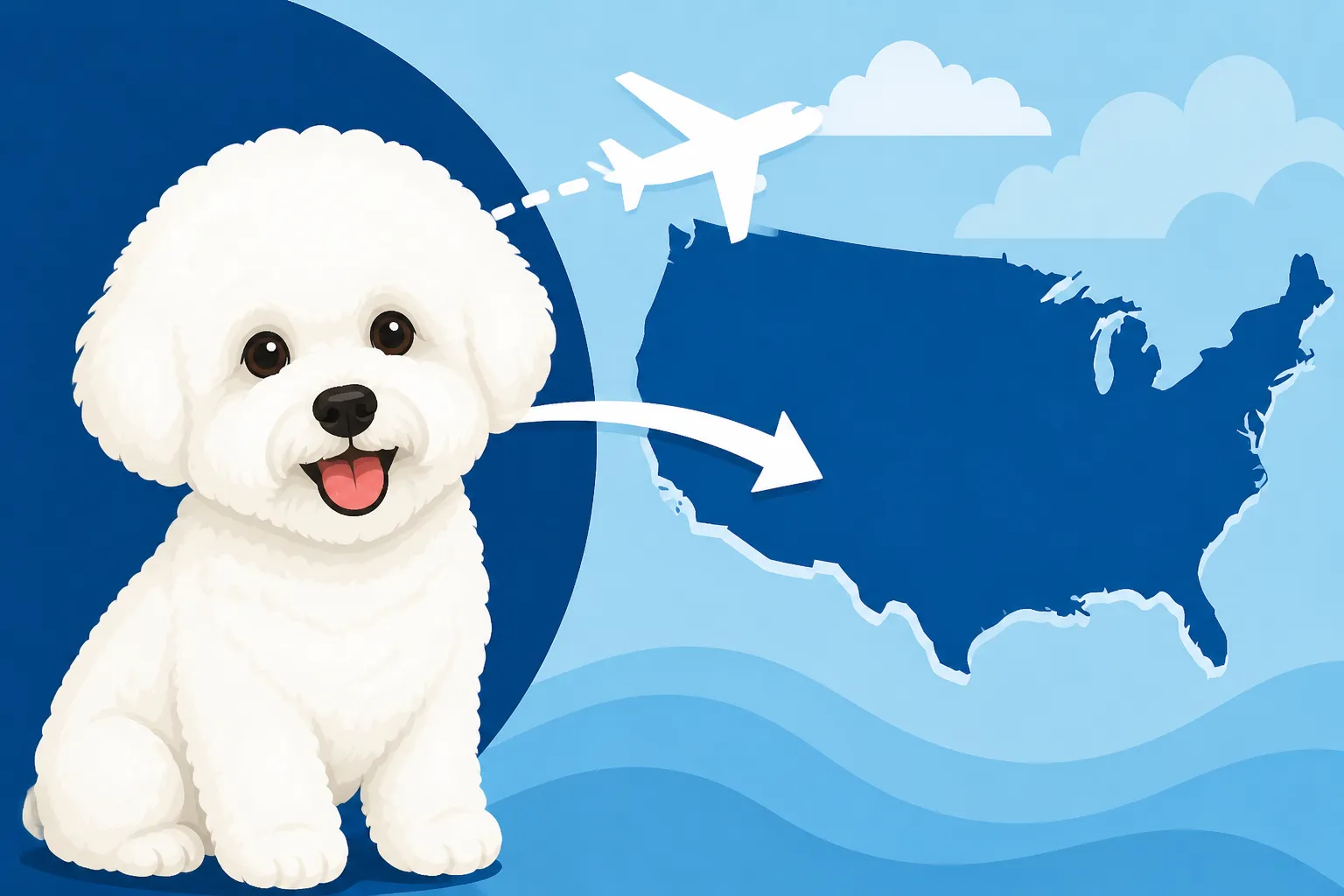
The Decade Bichon Frises Reached the United States
It's quite natural to wonder about the historical journey of our furry family members, especially when it comes to a breed as charming and distinctive as the Bichon Frise. You see these fluffy white bundles of joy everywhere today, but their presence in American homes wasn't always a given. Tracing the path of how these delightful dogs made their way across oceans and into the hearts of pet lovers in the United States is a truly fascinating tale, highlighting the dedication of early enthusiasts. This guide will take you through that journey, focusing on the crucial decade when the Bichon Frise truly began to establish itself in America.
From European Shores to the New World: The Ancestry of the Bichon Frise
Before we can appreciate their arrival in the United States, it's important to understand the rich, vibrant history that preceded it. The Bichon Frise isn't a new breed concocted in modern times; rather, it boasts a lineage stretching back centuries, intimately woven into European culture and society. Their story is one of adapting and thriving, whether in the lap of luxury or on the streets performing for coins.
A Storied Past Across the Mediterranean
The Bichon Frise's story begins long before American shores were even a glimmer in anyone's eye, with roots deeply embedded in the Mediterranean. They belong to a family of small, white companion dogs known as the "Barbichon" type, a group that also includes breeds like the Maltese, Bolognese, and Havanese. These dogs were originally favored by sailors, who would take them on long voyages across the seas, trading them in various ports. It's truly incredible to think of these tiny pups as seasoned travelers, accompanying mariners on bustling trade routes.
From these humble maritime beginnings, the Bichon Frise—or rather, its ancestors—found its way into the homes of nobility. They became incredibly popular in Spain and Italy, often depicted in artworks of the era, cradled by aristocrats. However, it was in France during the Renaissance that the breed truly hit its stride. The French Court That Made the Bichon Frise Fashionable embraced these vivacious little dogs, showering them with attention and making them fashion accessories for kings and queens. They were admired for their playful spirit, their intelligent eyes, and, of course, their exquisite white coats.
Surviving Revolutions and Wars
Like many breeds tied to aristocracy, the Bichon Frise faced a perilous time when political winds shifted. With the French Revolution, their noble patrons were, shall we say, otherwise occupied, and many of these pampered pooches found themselves out on the streets. But this breed, ever adaptable, didn't disappear. Instead, they reinvented themselves. They joined traveling circuses and organ grinders, learning tricks and performing for the public. It's a testament to their intelligence and joyful nature that they could transition from royal laps to the bustling, demanding life of a street performer, bringing smiles to faces wherever they went.
This period of their history forged a resilience and a natural stage presence that continues to define them. They developed a robust constitution and a boundless enthusiasm for life, traits that would serve them well when their time came to cross another ocean. After the various European wars, dedicated fanciers worked hard to preserve and standardize the breed, ensuring that their unique qualities were maintained for future generations.
The Dawn of an Era: Bichons Arrive in the United States
So, after centuries of weaving themselves into the fabric of European society, how and when did these captivating canines finally make their grand entrance into the American consciousness? It wasn't a sudden, grand parade but rather a quiet, determined effort that began to gain traction in a very specific period.
Post-War Hopes and the Search for New Companions
The years following World War II brought significant changes to American society. There was a sense of optimism, a growing middle class, and a renewed focus on home and family life. Many families were seeking not just pets, but companions—dogs that could bring joy, comfort, and a touch of elegance to their lives. The smaller, more manageable breeds were becoming increasingly popular, especially for those living in burgeoning suburban areas or apartments. This societal shift created an ideal environment for a breed like the Bichon Frise, with its compact size and loving disposition, to find a niche.
While it's difficult to pinpoint the absolute first Bichon Frise to ever set paw on American soil—a stray sailor's dog here, an immigrant's beloved companion there—the organized effort to establish the breed began much later. These early, unofficial arrivals probably sparked curiosity but didn't lead to a sustained breeding program.
The Pivotal Decade: The 1950s Introduction
The true, impactful introduction of the Bichon Frise to the United States really began in the mid-1950s. This was the decade when dedicated American fanciers, recognizing the breed's immense potential and unique charm, actively sought out and imported Bichons from their European homelands. It wasn't a commercial enterprise driven by massive puppy mills, but rather a passionate undertaking by individuals who fell in love with the breed and wanted to share it.
These early imports were often few in number, making the task of establishing healthy, robust bloodlines quite challenging. Imagine the effort involved: researching reputable European breeders, navigating international travel and customs, and then, once the dogs arrived, finding suitable mates within a very limited pool. It was a true labor of love, marked by perseverance. They needed to ensure they were bringing in dogs that embodied the correct temperament and physical characteristics, and that could become the foundation for a thriving population here in the States. Without this dedicated groundwork in the 1950s, the Bichon Frise as we know it in America today might look very different, or perhaps not even exist here at all.
Building a Breed: Establishing the Bichon Frise in America
Once those first brave Bichons landed, the real work began. It wasn't enough just to have a few dogs; a solid foundation was needed to ensure the breed's future in the country. This involved careful breeding, collaboration among enthusiasts, and the strenuous process of gaining official recognition.
Early Enthusiasts and Dedicated Breeders
The success of the Bichon Frise in the US owes everything to a small group of highly dedicated individuals. These weren't just pet owners; they were visionaries who saw the potential for the Bichon to flourish. They meticulously studied the breed standard from Europe, striving to import and breed dogs that exemplified the ideal Bichon Frise. This was particularly crucial for characteristics like their pure white coat, as Why a Bichon Frise Is Only Ever White is a hallmark of the breed, differentiating them from other small white dogs.
One of the biggest hurdles was the limited gene pool. With only a handful of imported dogs, breeders had to be incredibly careful to avoid inbreeding while still preserving the distinct traits of the breed. This often meant further imports, expanding the genetic diversity of the fledgling American Bichon population. They weren't just breeding for puppies; they were breeding for the future of the breed, selecting for health, temperament, and conformity to the standard. They spent countless hours educating themselves and others, essentially becoming ambassadors for this wonderful, relatively unknown breed.
The Road to National Recognition
For any breed to truly establish itself in a country, official recognition from a major kennel club is paramount. In the United States, that meant gaining acceptance from the American Kennel Club (AKC). This is a rigorous, multi-year process that demands a significant, documented population of the breed, a stable national breed club, and a clearly defined breed standard.
The American Bichon Frise Club (which would later become the Bichon Frise Club of America, or BFCA) was founded in 1964, a crucial step. This club became the central hub for breeders and owners, working collectively to meet the AKC's stringent requirements. They painstakingly registered individual dogs, compiled pedigrees, and demonstrated the breed's viability and growing presence across the country. This effort culminated in a significant milestone: The Year the AKC Recognized the Bichon Frise. The breed was initially accepted into the Miscellaneous Class in 1971, allowing them to compete in some AKC events, and then achieved full recognition in the Non-Sporting Group in 1972. This official welcome was the ultimate validation of all the hard work and dedication of those early Bichon enthusiasts.
The Bichon Frise's Ascent to Popularity and Enduring Appeal
With AKC recognition in hand, the Bichon Frise was no longer a rare import but a recognized, celebrated member of the American dog world. This official status opened the floodgates for their popularity to truly soar, endearing them to countless families.
From Miscellaneous to Mainstream: AKC Acceptance
The journey from being an obscure European import to a fully recognized AKC breed in the early 1970s was transformative for the Bichon Frise. Moving from the Miscellaneous Class to full Non-Sporting Group status meant they could compete for prestigious titles, participate in conformation shows, and gain much wider visibility. Suddenly, more people were exposed to their delightful charm, whether through dog shows, breed profiles in magazines, or simply encountering them in their communities.
This newfound mainstream exposure sparked a significant increase in demand. Families across America began to seek out these "powder puff" dogs, drawn to their unique appearance and reputation. It's a testament to the breed's inherent appeal that once given the spotlight, they quickly captured hearts.
Why America Fell in Love with the Bichon Frise
The Bichon Frise possesses a unique combination of traits that made them an instant hit in American households, and these qualities continue to make them cherished companions today.
- Merry Disposition: One of the most defining characteristics of the Bichon Frise is their perpetually cheerful and outgoing personality. The Merry Temperament the Bichon Frise Standard Demands isn't just a fancy term; it truly describes their joyful, playful nature. They are known for their exuberance and ability to lighten any mood, a trait perfectly encapsulated by what many owners affectionately call The Bichon Blitz and What It Means, those sudden bursts of energetic running around.
- Intelligence and Trainability: Having a history as circus performers, Bichons are remarkably intelligent and eager to please, making them quite trainable. They pick up commands and tricks with enthusiasm, which is a huge plus for families wanting an interactive pet.
- Suitability for Various Lifestyles: Their relatively small size, with What a Bichon Frise Actually Weighs typically being under 18 pounds, makes them ideal for apartment living or homes with smaller yards. They don't require vast amounts of exercise, though they certainly enjoy their daily walks and playtime.
- The "Hypoallergenic" Coat: Perhaps one of their most celebrated attributes is their non-shedding, "hypoallergenic" coat. While no dog is 100% allergen-free, Whether a Bichon Frise Is Truly Hypoallergenic is a common reason why many individuals and families with allergies seek out this breed. Their unique double coat, consisting of a soft undercoat and coarser guard hairs, requires significant grooming, but the benefit of less dander and shedding is a huge draw. This iconic coat is also responsible for The Powder Puff Outline the Bichon Frise Standard Describes, which requires regular professional grooming and home care.
Today's Bichon Frise: A Cherished Companion
Today, the Bichon Frise remains a beloved breed in the United States, a testament to the foresight and hard work of those who introduced them in the 1950s. They continue to bring immense joy to their families, living up to their reputation as happy, playful, and affectionate companions. However, like any popular breed, ownership comes with its own set of responsibilities and considerations, as many owners come to realize over time. What Bichon Frise Owners Wish They Had Known often touches upon the commitment to grooming and potential health considerations inherent to the breed.
From their origins entertaining French royalty and circuses, to crossing the Atlantic in the mid-20th century, the Bichon Frise has certainly had a remarkable journey. Their presence in our homes today is a direct result of the dedicated efforts to introduce and establish them in the crucial decade of the 1950s, shaping the breed's enduring legacy in America.
| Milestone Event | Approximate Era / Year | Significance |
|---|---|---|
| Ancient Barbichon Ancestry | Before 14th Century | Roots of the Bichon type in the Mediterranean. |
| Popularity with European Nobility | 14th – 18th Centuries | Favored by Spanish, Italian, and French aristocracy. |
| Street Performer Years | 18th – 19th Centuries | Adapted to life outside nobility, performing in circuses and streets. |
| Active Introduction to United States | Mid-1950s | Dedicated American fanciers begin importing Bichons and establishing lines. |
| Formation of National Breed Club (BFCA) | 1964 | Organization of enthusiasts to promote and standardize the breed. |
| AKC Miscellaneous Class Recognition | 1971 | First formal step towards full recognition by the American Kennel Club. |
| AKC Full Recognition (Non-Sporting Group) | 1972 | Bichon Frise officially enters the mainstream of American purebred dogs. |
| Enduring Popularity in US | 1970s – Present | Continues to be a beloved companion breed in American households. |
Disclaimer
This article is for general informational purposes only and does not constitute professional advice. Laws, prices and regulations vary by location and change over time. Consult a qualified professional for guidance on your specific situation.