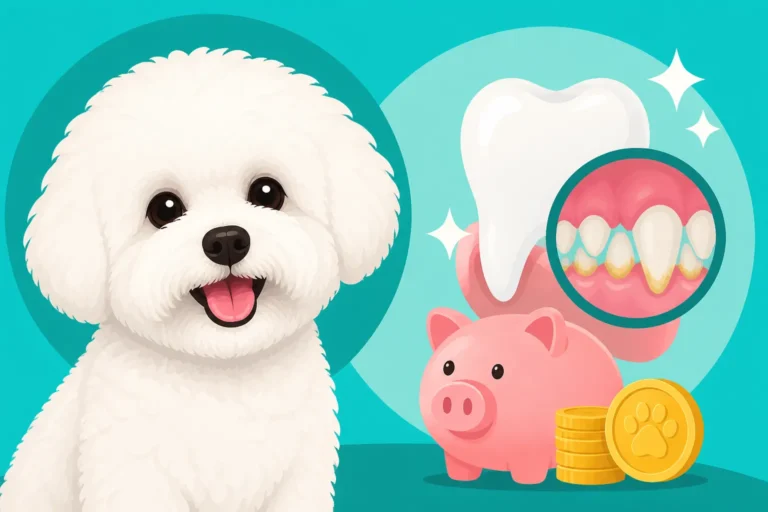
What a Bichon Frise Costs Before Its First Stone
Many prospective Bichon Frise owners fall in love with their fluffy charm and delightful personalities, only to be surprised by the sheer financial commitment involved, even before any major health issues crop up. It's easy to overlook the regular, ongoing expenses that accumulate long before a potential crisis like bladder stones ever becomes a concern. This comprehensive guide will walk you through the various costs associated with owning a Bichon Frise, from the initial puppy purchase and essential supplies to routine care, grooming, training, and preventative measures, all before the dreaded "first stone" appears.
The Upfront Price Tag: Bringing Home Your Bichon Frise
Bringing a new Bichon Frise puppy into your home is an exciting time, but it also comes with a significant initial investment. These aren't just one-off costs; they set the foundation for your dog's health and well-being for years to come. Understanding them upfront helps you budget realistically and ensures you're prepared for this wonderful journey.
Puppy Purchase Price
The cost of a Bichon Frise puppy can vary quite a bit, depending on the breeder's reputation, the puppy's lineage, and where you live. While it might be tempting to seek out the lowest price, especially when you're just starting, remember that a low upfront cost can often translate to much higher veterinary bills down the line. A responsible breeder invests heavily in the health and well-being of their breeding dogs and puppies, which is reflected in their prices.
These breeders perform crucial health screenings on the parents to minimize the risk of inherited conditions common in Bichons, such as luxating patellas and certain eye conditions. They provide proper nutrition, early socialization, and initial veterinary care, including vaccinations and deworming. When you pay a fair price for a puppy from a reputable source, you're not just buying a dog; you're investing in a solid foundation of health and temperament. Be wary of prices that seem too good to be true, as they often come from less scrupulous sources. For a deeper dive, consider What a Bichon Frise Puppy Costs From a Real Breeder to understand the value behind the price. Conversely, understanding Whether a Cheap Bichon Frise Is a Mill Dog can help you avoid unethical practices that lead to sick puppies and heartbreaking costs.
Initial Supplies and Setup
Once you've secured your furry family member, the next wave of costs involves setting up their new home. Think of it like furnishing a nursery, but for a tiny, fluffy, four-legged creature. You'll need more than just food bowls. A comfortable dog bed, appropriately sized crate, a sturdy leash and collar or harness, and an assortment of toys are just the beginning.
Beyond the basics, consider safety gates to block off certain areas of your home, especially if you have stairs or delicate items. Puppy pads might be necessary during the initial housetraining phase, although many owners aim to transition quickly to outdoor potty breaks. You'll also need grooming essentials, which are non-negotiable for a Bichon's coat. This includes a good quality slicker brush, a metal comb, puppy-safe shampoo, and nail clippers. An initial grooming kit is a must for a Bichon, whose coat, if neglected, can quickly become a matted mess. For a comprehensive list of what you'll need, check out What a Crate and Playpen Cost a Bichon Frise Owner and What a Home Grooming Kit Costs a Bichon Frise Owner. Establishing a routine with the crate from day one is also incredibly helpful, as detailed in Whether Crate Training Works on a Bichon Frise.
First Vet Visits and Preventative Care
Your new puppy will need a series of veterinary visits during its first few months. This isn't just a single check-up; it's a critical series of appointments designed to ensure they're growing healthy and protected against common diseases. These visits typically include multiple rounds of vaccinations for diseases like distemper, parvovirus, and rabies, as well as deworming treatments.
The initial vet exam is crucial for catching any congenital issues early and establishing a baseline for your puppy's health. Your vet will discuss flea, tick, and heartworm prevention, which are ongoing monthly costs that protect your Bichon from parasites. While it might feel like a lot of trips and expenses upfront, this preventative care is foundational. It safeguards your puppy during a vulnerable stage of development and helps prevent potentially much more expensive treatments for preventable illnesses later on. Beyond these, if you don't plan to breed, the cost of spaying or neutering your Bichon will also be an early, significant vet expense that is a vital part of responsible pet ownership.
Early Ongoing Expenses: The Daily Realities of Bichon Ownership
Beyond the initial "startup" costs, owning a Bichon Frise involves a consistent flow of recurring expenses that become part of your regular household budget. These are the costs that often surprise new owners who haven't fully accounted for the daily and weekly needs of this charming breed.
Food and Treats
A healthy diet is paramount for a Bichon Frise, even before any specific health concerns like stones manifest. Choosing a high-quality food formulated for small breeds is essential. These foods are typically denser in nutrients and have kibble sizes appropriate for their smaller mouths. While the cost per bag might seem higher than generic brands, the long-term benefits of proper nutrition, including better coat health, energy levels, and overall vitality, are invaluable.
The market offers a vast array of options, from traditional kibble to wet food, fresh-prepared meals, and raw diets. Brands like Ollie, which provides fresh, human-grade dog food, represent a higher-end choice that many owners opt for to ensure optimal nutrition. Whichever you choose, consistency is key. Treats also fall under this category. While great for training and showing affection, they need to be chosen carefully and given in moderation. Many stores, including popular online retailers like Chewy, offer a wide selection of dog foods and treats, often with subscription services that can make budgeting and reordering easier. Remember, every treat, even a tiny one, contributes to their overall dietary intake and, by extension, your ongoing costs.
Routine Grooming Costs
This is arguably one of the most significant and often underestimated ongoing expenses for a Bichon Frise owner. Their beautiful, fluffy white coats are non-shedding, which is fantastic for allergy sufferers, but it means their hair grows continuously and needs constant attention to prevent matting. Without regular grooming, mats can become painful, pulling on the skin and even leading to skin infections.
Most Bichons require professional grooming every 4-8 weeks. This typically includes bathing, drying, brushing, trimming, nail clipping, and ear cleaning. The cost of these regular appointments adds up quickly over a year. While home grooming can save money, it requires a substantial time commitment and the right tools. Even with diligent home brushing, you'll still likely need a professional groomer periodically to maintain their iconic powder puff shape and handle intricate trims, such as around the eyes and paw pads. To truly grasp the commitment, it's worth exploring What a Full Bichon Frise Groom Costs and How Often a Bichon Frise Needs Grooming, as these articles reveal the financial and time implications of keeping your Bichon looking and feeling their best.
Training and Socialization
A well-behaved Bichon Frise is a joy to live with, and achieving that often requires an investment in training and socialization. While some owners are adept at training their dogs themselves, many benefit from puppy classes or private training sessions. These classes are invaluable not just for teaching basic commands, but also for socializing your puppy with other dogs and people in a controlled environment.
Early socialization is critical for a Bichon Frise to develop into a confident, well-adjusted adult. Without it, they can become shy, fearful, or even reactive, which can lead to behavioral problems that are much harder and more expensive to address later. Puppy classes typically cover house-training tips, leash manners, and basic obedience commands like 'sit,' 'stay,' and 'come.' The cost of these classes is an investment in your dog's future behavior and your peace of mind. Investing in a good puppy class can prevent issues down the road that might require costly behaviorists or specialized training. For more on this, check out What Puppy Class Costs a Bichon Frise Owner.
Preparing for the Unexpected: Early Health and Insurance Considerations
While we're discussing costs before the first stone, proactive health management and financial preparation for the unexpected are crucial. A healthy Bichon can still incur significant costs if unforeseen circumstances arise, and being prepared means less stress for you and better care for your dog.
Routine Vet Wellness and Preventative Care
Even a perfectly healthy Bichon Frise needs annual wellness check-ups. These appointments are more than just quick visits; they are comprehensive assessments of your dog's overall health, designed to catch any subtle changes before they become serious problems. During these yearly visits, your veterinarian will perform a physical examination, listen to their heart and lungs, check their teeth, and discuss any concerns you might have.
Annual booster vaccinations, regular parasite control (flea, tick, and heartworm medications), and routine blood work (especially as they approach middle age) are all part of responsible, preventative care. Dental health is another significant, often overlooked, cost. Small breeds like Bichons are particularly prone to dental disease, and regular professional dental cleanings under anesthesia can be a substantial expense. Neglecting dental care can lead to painful infections and other systemic health issues. By investing in these routine services, you're actively working to maintain your Bichon's health and potentially avoid more severe, costly treatments in the future. You can get a clearer picture of these costs by reading What a Bichon Frise's Yearly Vet Bill Looks Like.
Pet Insurance Before Conditions Arise
This is perhaps the most critical financial decision you can make for your Bichon Frise, especially given their breed predispositions, such as a higher risk for bladder stones. Pet insurance, when purchased early in your dog's life, acts as a financial safety net for unexpected illnesses or accidents. The key is to enroll your Bichon before any health conditions develop.
Most pet insurance policies have waiting periods and, crucially, exclude pre-existing conditions. This means if your Bichon develops bladder stones, allergies, or a luxating patella before you have insurance or during a waiting period, future treatments for those specific conditions might not be covered. By signing up when your Bichon is a young, healthy puppy, you ensure that any future eligible conditions, whether common to the breed or entirely unforeseen, have the potential for coverage. This can dramatically reduce your out-of-pocket expenses for diagnostics, medications, and surgeries. Providers like Healthy Paws are well-known for their comprehensive coverage options. Understanding What Insuring a Bichon Frise Runs Monthly can help you factor this essential cost into your budget.
Emergency Fund vs. Insurance
The debate between relying on an emergency savings fund versus pet insurance is a common one among pet owners. Both approaches aim to mitigate the financial impact of unexpected veterinary emergencies, but they work in different ways and often complement each other. An emergency fund is a sum of money you've specifically set aside for your pet's unexpected medical needs. It offers immediate access to funds and doesn't involve monthly premiums or deductibles. However, it requires significant discipline to build and maintain, and a single major incident could quickly deplete it.
Pet insurance, on the other hand, involves monthly premiums in exchange for coverage against eligible vet bills. While you might pay premiums for years without making a claim, it provides peace of mind knowing that substantial costs for conditions like a sudden illness or accident can be reimbursed, potentially saving you thousands. Many owners find a hybrid approach most effective: maintaining a modest emergency fund for smaller, immediate needs (like an unexpected ear infection co-pay) while relying on pet insurance for major, high-cost events. Regardless of your chosen method, having a plan in place for unforeseen veterinary expenses is a fundamental part of responsible Bichon ownership.
Typical Initial and Recurring Costs for a Bichon Frise (Before First Stone)
To give you a clearer picture, here's a simplified overview of the typical costs associated with owning a Bichon Frise, assuming they are generally healthy and haven't yet developed a major specific health issue like bladder stones or severe allergies. Remember, these are qualitative descriptions, as actual prices vary widely.
| Category | Initial (One-Time) Costs | Recurring (Ongoing) Costs | Frequency |
|---|---|---|---|
| Acquisition | Puppy Purchase Price | – | Once |
| Supplies | Crate, Bed, Bowls, Leash, Collar, Toys, Basic Grooming Tools | Replacements for Toys/Chews, Training Aids | As needed |
| Veterinary Care | Initial Exams, Puppy Vaccinations, Deworming, Spay/Neuter | Annual Wellness Exam, Booster Shots, Flea/Tick/Heartworm Prevention, Early Dental Care | Annually/Monthly/As recommended by vet |
| Food & Nutrition | Initial bag of high-quality puppy food | High-quality Kibble/Wet/Fresh Food, Healthy Treats | Monthly/Bi-monthly |
| Grooming | – | Professional Grooming Sessions, Grooming Products (Shampoo, Sprays) | Every 4-8 weeks (professional), Weekly (home) |
| Training | Puppy Classes, Books/Online Courses | Advanced Classes, Refreshers | Initial 8-12 weeks (puppy), As needed (adult) |
| Health Protection | – | Pet Insurance Premiums | Monthly |
Lifestyle Factors That Impact Initial Costs
The overall cost of owning a Bichon Frise, even before any specific health issues arise, isn't just about the dog itself. Your personal choices, where you live, and how much time you're able to invest can significantly influence your expenditure. Being aware of these variables can help you tailor your approach to Bichon ownership to fit your budget and lifestyle.
Geographic Location and Cost of Living
It's a truth universally acknowledged in the pet world: where you live profoundly impacts what you pay. Veterinary services, professional grooming, and even the price of quality pet food can vary dramatically from one region to another. For instance, a veterinarian in a bustling metropolitan area, like New York City or Los Angeles, will likely charge more for an annual check-up or a routine dental cleaning than a practice in a quieter suburban town or rural community.
Similarly, a groomer specializing in Bichon Frises in a high-rent urban setting will have higher overheads, which are naturally passed on to clients. Even the initial puppy price can reflect local demand and the cost of living for breeders. So, when you're budgeting, consider your specific location. What might be considered a standard cost in one state could be a luxury in another, or vice-versa. Always research local service providers and their pricing structures to get a realistic estimate for your area.
Your Personal Choices and Brand Preferences
Every pet owner makes a myriad of choices that impact their spending, and Bichon Frise ownership is no different. From the brand of dog food you select to the type of bed you buy, your preferences play a huge role. Do you opt for a premium, fresh-cooked diet like Ollie, a mid-range kibble, or a more budget-friendly option found at the supermarket? Each choice has a different price point, and these differences compound over time.
The same goes for toys and accessories. High-end, durable chew toys or designer collars will certainly cost more than basic versions. While it's tempting to spoil your furry friend, especially one as cute as a Bichon, prioritizing essential items and quality where it truly matters (like nutrition and health) can help manage costs. However, cutting corners on critical items like grooming tools or quality food can ironically lead to higher costs later due to health or maintenance issues. Finding that balance between quality and cost-effectiveness is key, and it's a deeply personal decision that shapes your overall expenditure. When considering pet supplies, resources like Chewy can offer a wide range of options at various price points, allowing you to compare and choose what best fits your budget and your dog's needs.
Time Investment as a Cost Saver
One of the most valuable resources you can invest in your Bichon Frise is your time, and this investment often translates into significant cost savings. For instance, dedicating time to consistent home grooming—daily brushing, regular ear cleaning, and routine nail trims—can reduce the frequency of professional grooming appointments, though it won't eliminate them entirely. When your Bichon is well-maintained at home, professional groomers might also charge less for a dog with a mat-free coat.
Similarly, investing time in training your Bichon yourself, or reinforcing lessons from a puppy class, can prevent behavioral issues that might otherwise require expensive professional intervention. Regular exercise and playtime not only keep your Bichon healthy and happy but can also reduce boredom-related destructive behaviors. Teaching your dog to tolerate basic handling, like teeth brushing, can even contribute to better dental health and potentially fewer costly dental procedures down the line. In essence, a hands-on approach to your Bichon's care is an investment that pays dividends in both their well-being and your wallet.
Owning a Bichon Frise is a truly rewarding experience, but it's also a significant financial commitment from day one. Understanding the array of costs involved, even before any major health concerns like bladder stones arise, is crucial for responsible pet ownership. From the initial purchase and setting up their cozy home to ongoing quality food, regular grooming, and proactive veterinary care, these expenses accumulate. By budgeting wisely, making informed choices about food and services, considering pet insurance from a young age, and investing your time in their care, you can ensure your beloved Bichon Frise lives a happy, healthy life without undue financial stress.
Disclaimer
This article is for general informational purposes only and does not constitute professional advice. Laws, prices and regulations vary by location and change over time. Consult a qualified professional for guidance on your specific situation.