Whether Vet Bills Are Why Bichon Frises Are Given Up
It’s a truly heartbreaking scenario no pet parent ever wants to imagine: having to make the impossible decision to surrender a beloved furry family member. For those of us devoted to Bichon Frises, these little bundles of joy quickly become the center of our world. But life throws curveballs, and sometimes, the sheer financial burden of caring for a Bichon, especially when faced with persistent health issues, can push even the most dedicated owners to their absolute limits. This guide aims to explore the very real and often devastating impact vet bills can have, leading some families to consider rehoming their cherished Bichon Frise.
The Unique Health Costs of a Bichon Frise
Bichon Frises, with their cheerful dispositions and fluffy white coats, are undeniably adorable. What many prospective owners don't realize, however, is that this breed is predisposed to a range of health conditions that can lead to significant and ongoing veterinary expenses. These aren't just occasional check-ups; we're talking about chronic, recurring issues that demand consistent medical attention and a substantial financial commitment.
Common and Costly Health Issues
Let's be realistic: while every dog breed can have health challenges, Bichons seem to hit the jackpot when it comes to certain conditions that require persistent, often expensive, management.
One of the most notorious issues for Bichons is the formation of bladder stones, particularly calcium oxalate stones. It's not just a one-time event either; these little guys are prone to recurrence. Imagine the stress of finding out your Bichon needs surgery, knowing full well it might not be the last time. The initial surgery is a major undertaking, but then comes the lifelong prescription diet, often a special formula that helps prevent new stones from forming. This isn't just a minor dietary tweak; it's a permanent change, and that specialized food can certainly add up over the years. You'll likely be sending your Bichon's urine off for regular testing and possibly even follow-up imaging, like X-rays or ultrasounds, to keep an eye on things. It's a vigilant, ongoing effort, and the costs associated with it are relentless. Understanding What a Calcium Oxalate Stone Is in a Bichon Frise helps clarify why prevention is so crucial.
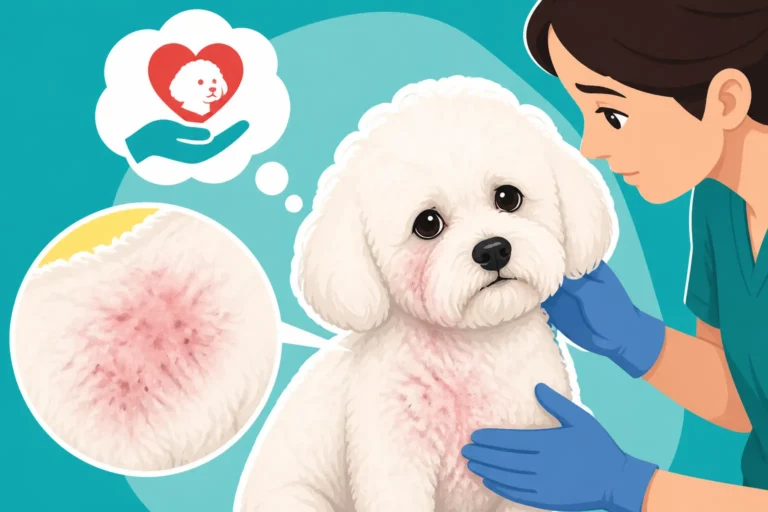
Then there's the pervasive world of allergies, often manifesting as atopic dermatitis. Your sweet Bichon might seem fine one day, and the next they're licking their paws raw, scratching incessantly, or battling recurrent ear infections. This isn't just an annoyance; it's a chronic, inflammatory condition that can make their lives miserable and yours just as stressful trying to find relief for them. Treating allergies often involves a multi-pronged approach: special shampoos, ear cleaners, regular veterinary visits for medication, and sometimes even hypoallergenic diets. Some Bichons require regular injections or daily oral medications to manage their itching. All of this is costly, and it’s not a temporary fix; it’s usually a lifelong management plan. What Atopic Dermatitis Does to a Bichon Frise truly explains the extent of this condition.
Orthopedic issues are another concern. Many Bichons are prone to luxating patellas, or "slipping kneecaps." You might notice a little skip in their step, or they might suddenly hold a leg up for a few seconds before continuing on as if nothing happened. While not all cases require surgery, those that do can be quite expensive. It’s a specialized orthopedic procedure, and recovery can involve physical therapy and pain management. Even for those managed medically, joint supplements and regular check-ups contribute to the overall vet bill. Slipping Kneecaps in a Bichon Frise is a topic many Bichon owners become intimately familiar with.
The Cumulative Effect of Chronic Conditions
The real financial strain often comes not from a single, isolated health issue, but from the cumulative effect of managing one or more chronic conditions simultaneously. It's not just about paying for an emergency surgery; it's about the consistent outflow of money for daily medications, specialized foods, recurring diagnostic tests, and frequent follow-up appointments.
Imagine a Bichon who develops bladder stones, then a few years later starts showing signs of severe allergies. Now you're not just buying prescription urinary food; you're also buying hypoallergenic food, special shampoos, and potentially expensive allergy medications. The vet visits stack up: one for the urinary issue, another for the skin, and then routine wellness checks on top of that. Each visit has a consultation fee, then there are the costs for any tests, medications, or treatments. It feels like you’re constantly at the veterinary office, and your bank account reflects it.
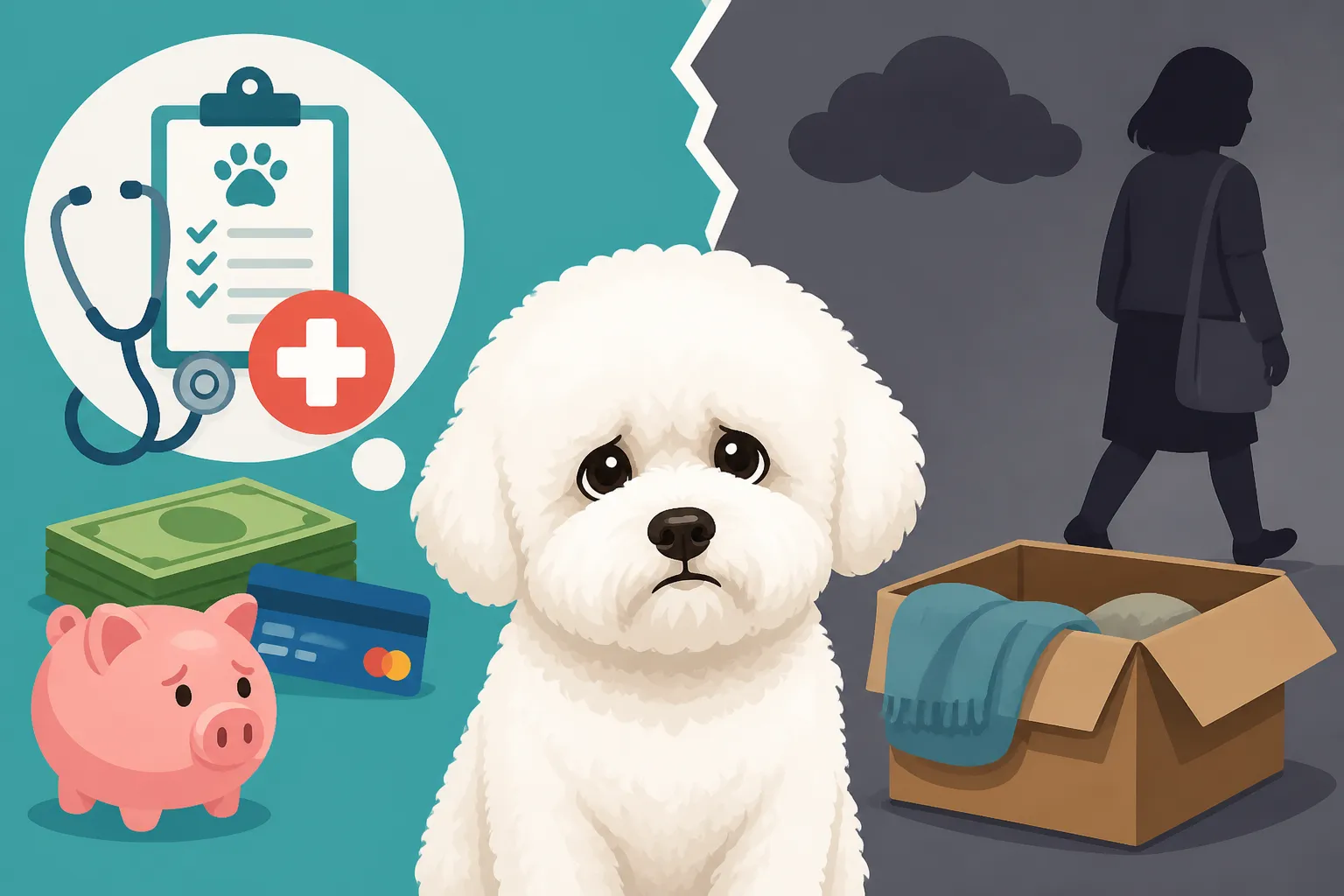
This ongoing financial commitment can be emotionally draining, too. You want to give your beloved Bichon the best possible care, but when the bills feel never-ending, it can lead to immense stress and guilt. Owners often feel trapped between wanting to provide for their pet's health and facing their own financial realities. The "little" bills for ear cleaner, medicated wipes, or joint supplements, when added to the big bills for surgeries or diagnostics, create a significant financial burden over the lifespan of a Bichon Frise.
When Financial Strain Becomes Overwhelming
For many Bichon Frise owners, the decision to surrender their pet is not made lightly; it's often a heartbreaking last resort after exhausting all other options. This desperation frequently stems from two major sources of financial strain: sudden, unexpected emergency bills and the relentless, ongoing costs of managing chronic conditions.
Unexpected Emergency Bills
One of the most terrifying scenarios for any pet parent is a sudden, acute emergency. For a Bichon Frise, this often means a blocked urinary tract due to bladder stones. These tiny, otherwise cheerful dogs can go from seemingly normal to critically ill in a matter of hours. When a stone lodges in the urethra, it can completely block the flow of urine, leading to excruciating pain and a rapid build-up of toxins in the body. This is an immediate, life-threatening emergency that requires urgent veterinary intervention, usually surgery.
Imagine the panic when your Bichon starts straining to urinate, crying, or producing only tiny drops of blood-tinged urine. You rush them to the emergency vet, often in the middle of the night, knowing that every second counts. The emergency clinic fees are already higher than a regular vet visit, and then you're hit with the diagnostic tests, IV fluids, pain medication, and potentially thousands of dollars for emergency surgery. Whether a Straining Bichon Frise Is an Emergency cannot be stressed enough – it truly is. For many families, this single, unexpected bill can be catastrophic, especially if they haven't planned for such an event. It can quickly become a choice between paying for essential human needs or an astronomical, unforeseen vet bill for their pet.
Beyond stones, severe allergic reactions, sudden injuries, or unexpected illnesses can also lead to massive emergency bills. A Bichon could ingest something toxic, suffer an accident that causes a fracture requiring orthopedic surgery, or suddenly develop an acute pancreatitis flare-up. These events happen without warning and demand immediate, often costly, care. The emotional toll of seeing your pet in distress, coupled with the sudden financial pressure, is immense.
The Reality of Ongoing Maintenance and Specialized Care
While emergencies are dramatic, the insidious drain of ongoing maintenance for chronic conditions can be just as devastating, if not more so, because it never truly ends. Many Bichon Frises live for years with conditions like allergies, diabetes, or recurrent stone formation, all of which require continuous, specialized care.
Consider a Bichon Frise that needs a prescription urinary diet for life to prevent stone recurrence. This isn't just any dog food; it's a specific formula designed to alter urine pH and mineral content. Brands like Royal Canin or Hill's Science Diet offer these specialized foods, which you might find readily available on platforms like Chewy or directly from your vet. These foods are generally more expensive than standard kibble, and this cost is a non-negotiable, monthly expense for the duration of the dog's life. Similarly, if your Bichon has severe allergies, they might be on a hydrolyzed protein diet, again, a higher-cost food item. Maybe you've even explored fresh food options like Ollie, but even those need to be carefully chosen to fit specific dietary needs.
Then add in the medication. A Bichon with chronic allergies might need daily antihistamines, immune suppressants like Apoquel, or regular Cytopoint injections. These medications can cost a significant amount each month, year after year. For a Bichon managing Cushing's disease, for example, the medication alone can be a substantial monthly outlay, compounded by the need for regular monitoring blood tests. What Cushing's Medication Costs a Bichon Frise Owner Monthly is a very real concern.
Even seemingly minor ongoing care, like specialized shampoos for skin conditions or frequent ear cleanings and medications for recurrent ear infections, accumulates over time. These aren't one-off purchases; they become part of the monthly budget, often for the dog's entire life. When you look at What a Bichon Frise's Yearly Vet Bill Looks Like, it becomes clear that these continuous costs are a major factor in the overall financial burden, making it incredibly difficult for owners who are already struggling.
Strategies to Mitigate Financial Risk (and keep your Bichon)
Facing astronomical vet bills or the relentless financial drain of chronic conditions can feel hopeless, but there are proactive steps and support systems that can help mitigate the financial risk and keep your beloved Bichon Frise safely by your side.
Pet Insurance as a Lifeline
One of the most impactful decisions you can make as a Bichon Frise owner is to invest in pet insurance, and the sooner, the better. Pet insurance acts as a financial safety net, helping to cover unexpected accidents, illnesses, and even some chronic conditions, depending on the policy. It's truly a game-changer when you're hit with a thousands-of-dollars bill for emergency surgery or ongoing treatment.
When researching policies, look for comprehensive plans that cover accidents, illnesses, and ideally, chronic conditions. Be aware that most policies have a waiting period, and pre-existing conditions are almost universally excluded. This is why getting insurance when your Bichon is a puppy or young adult, before any major health issues arise, is crucial. If your Bichon already has bladder stones or diagnosed allergies, those specific conditions might be considered pre-existing and therefore not covered. However, a good policy can still cover new, unrelated issues that may arise. Companies like Healthy Paws are well-known for their comprehensive coverage options that can really take the sting out of those big vet bills.
It's important to understand the deductible, reimbursement percentage, and annual limits of any policy you consider. A higher deductible usually means lower monthly premiums, but you'll pay more out-of-pocket before coverage kicks in. A typical reimbursement rate might be 80% or 90% of the vet bill after your deductible is met. While pet insurance isn't a magic bullet that makes all vet care free, it can dramatically reduce the financial impact of major medical events, turning a devastating bill into a manageable one. Knowing What Insuring a Bichon Frise Runs Monthly helps you budget for this essential protection.
Proactive Care and Budgeting
Beyond insurance, adopting a proactive approach to your Bichon's health and your personal finances can make a huge difference. Prevention is always better (and often cheaper) than cure.
Start with regular veterinary check-ups. Annual wellness exams allow your vet to catch potential issues early, when they are often easier and less expensive to treat. For Bichons, this might include routine urine tests to check for early signs of crystal formation or discussions about any subtle changes in skin or behavior. Whether a Bichon Frise Should Be Urine Tested Yearly is a question worth exploring with your vet, given their predisposition to stones.
Proper grooming is another preventative measure. Bichons require consistent grooming, typically every six weeks, to prevent mats that can lead to painful skin infections. Neglecting grooming can lead to skin problems that require veterinary attention, adding to your bills. Understanding The Six Week Bichon Frise Groom That Never Stops isn't just about aesthetics; it's vital for their health.
Financially, creating a dedicated "pet emergency fund" is highly advisable. Even with insurance, you'll have deductibles and non-covered expenses. Setting aside a small amount each month into a separate savings account means you'll have funds available when unexpected costs arise. It's like having a cushion for those times when life inevitably throws a curveball. Think of it as Setting Money Aside for a Bichon Frise's Vet Bills – it's a practical step that can prevent future heartbreak.
Exploring Support Systems
If you find yourself in a difficult financial situation regarding your Bichon's vet bills, remember that you are not alone, and there are often resources and people who want to help.
Firstly, communicate openly and honestly with your veterinarian. Many veterinary practices understand the financial pressures pet owners face and may be able to offer solutions. This could include discussing payment plans, exploring less expensive but still effective treatment options, or recommending specific veterinary financial aid programs in your area. Sometimes, a vet might be able to refer you to a specialty clinic that offers certain procedures at a lower cost, or suggest a local rescue that might have resources.
Secondly, breed-specific rescues and animal welfare organizations can sometimes provide assistance. While their primary mission is often rehoming, some Bichon Frise rescues or general animal welfare groups have programs to help owners keep their pets by assisting with vet bills or providing resources for specialized food. They understand the strong bond between pets and their families and want to prevent surrenders whenever possible. Don't hesitate to reach out to these organizations for advice or potential aid.
Lastly, explore online resources. There are various non-profit organizations and crowdfunding platforms specifically dedicated to helping pet owners with high vet bills. While it requires some effort, these avenues can sometimes provide crucial support during a crisis.
When all is said and done, the decision to surrender a Bichon Frise due to vet bills is a complex and deeply painful one, reflecting not a lack of love, but often an impossible situation. By being prepared, proactive, and seeking support, many owners can navigate these challenges and ensure their beloved Bichons remain cherished members of their families.
Disclaimer
This article is for general informational purposes only and does not constitute professional advice. Laws, prices and regulations vary by location and change over time. Consult a qualified professional for guidance on your specific situation.