What a Shave Down Costs on a Bichon Frise
It's a tough moment for any Bichon Frise owner when your groomer delivers the news: your beloved fluffball needs a shave down. It feels like a drastic step, often accompanied by a pang of guilt, and then, naturally, the question arises, "What's this going to cost me?" This guide will walk you through the realities of a Bichon Frise shave down, from understanding why it might be necessary to breaking down the factors influencing the price, and importantly, how to prevent future occurrences.
Why a Bichon Frise Might Need a Shave Down (and the heartbreak of it)
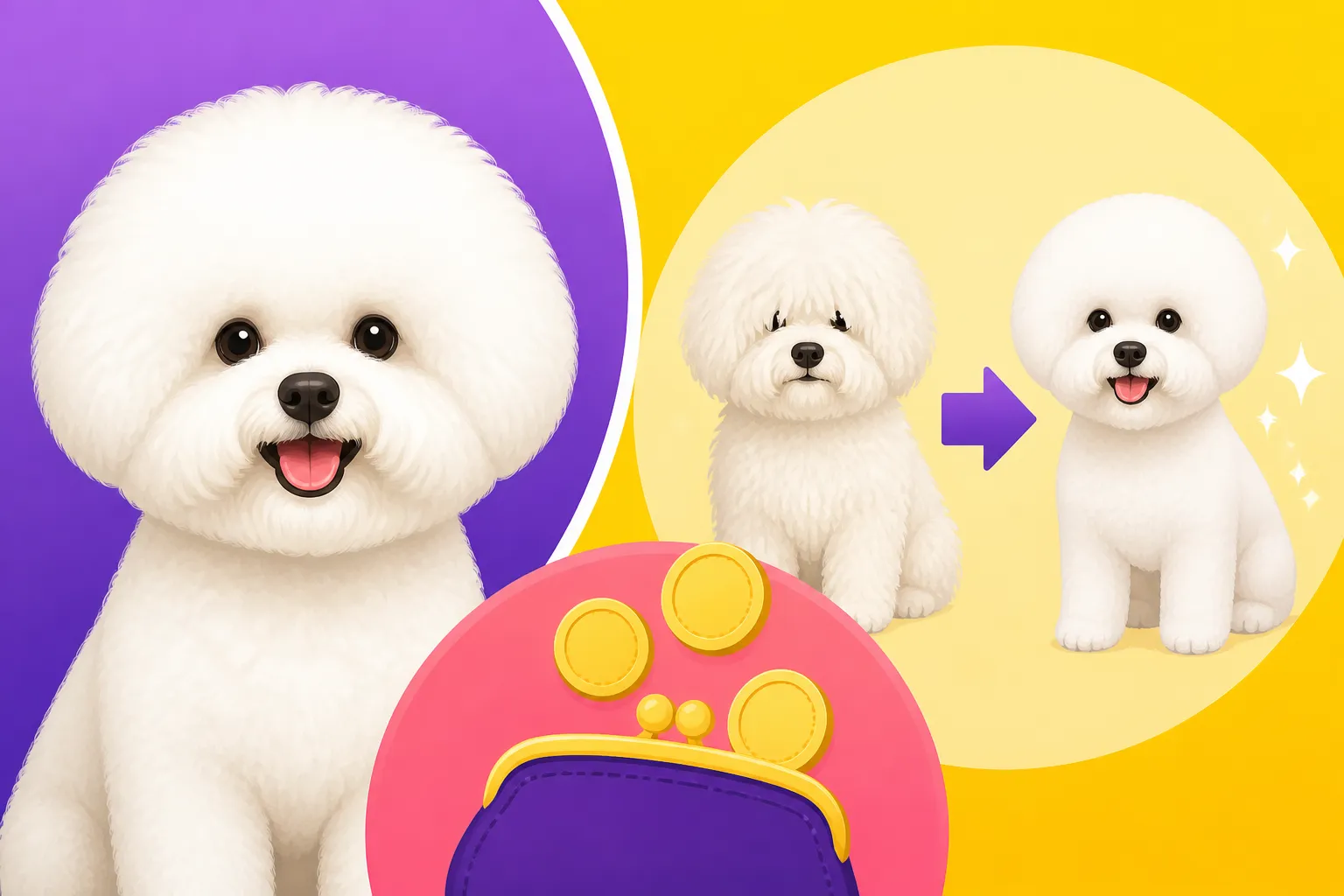
Let's be honest, seeing your Bichon Frise transform from a fluffy cloud into a short-haired pup after a shave down can be startling, and often, quite upsetting for owners. It's rarely a first choice, and usually signals that the coat has reached a point of no return due to severe matting. Matting isn't just a cosmetic issue; it's a serious health concern that can cause your dog significant pain and discomfort.
The Pain and Danger of Severe Matting
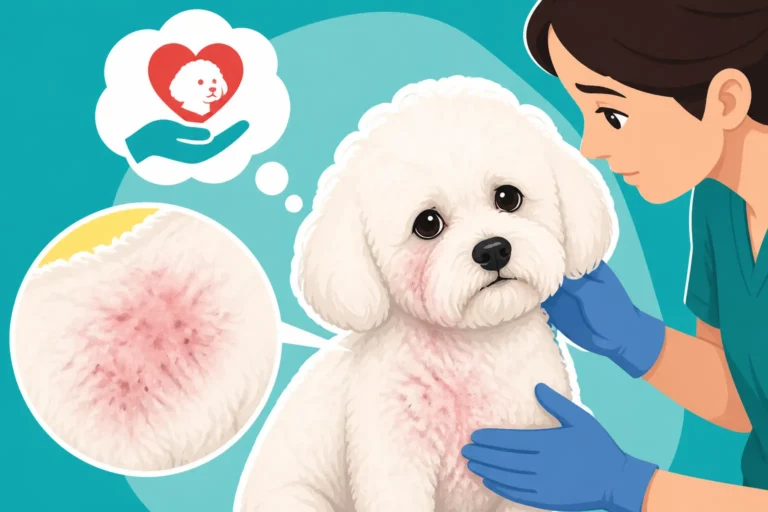
Imagine trying to brush out your own hair after weeks of neglect, except your entire body is covered in it, and it's pulling at your skin with every movement. That's what matting feels like for a Bichon. Mats form when shed hair gets tangled with live hair, creating dense, felt-like clumps close to the skin. These mats pull at the skin, causing constant irritation, pain, and even bruising. In severe cases, they can restrict blood flow, hide skin infections, or even harbor parasites. When a groomer recommends a shave down, it's not a judgment on your care; it's a necessary intervention to alleviate suffering and restore your dog's comfort and health. It’s a bit like a doctor recommending surgery – sometimes it’s the only way forward. You might want to read more about Whether a Matted Bichon Frise Must Be Shaved.
When a Shave Down Becomes the Only Option
There are times when brushing and dematting are simply not feasible or humane. If the mats are too tight, too numerous, or too close to the skin, attempting to brush them out would cause immense pain and stress to your Bichon. A skilled groomer understands this and will recommend a shave down to prioritize your dog's well-being. This involves using clippers with a very short blade length to go under the mats, safely separating the matted coat from the skin. It's a delicate process that requires expertise and a calm approach, as the skin under severe mats can be thin, inflamed, and prone to nicks. Sometimes, matting is so extensive that it even makes regular daily activities uncomfortable for your Bichon.
What Goes Into the Cost of a Professional Bichon Frise Shave Down
The cost of a shave down for a Bichon Frise isn't a fixed price you can simply look up. It's influenced by several factors, and it's often more expensive than a standard groom because of the extra time, skill, and care required. Think of it less as a haircut and more like a rescue mission for your dog's coat.
Groomer's Time and Expertise
The primary driver of the cost is the groomer's time and specialized skill. Shaving down a severely matted Bichon takes significantly longer than a routine trim. Each mat needs to be carefully navigated, often with multiple blade changes to ensure a smooth, safe cut. The groomer must work slowly and meticulously to avoid cutting the fragile, often irritated skin underneath the mats. This isn't a task for an inexperienced hand; it requires a professional who understands canine anatomy and how to handle a stressed or uncomfortable dog. They are effectively performing a precise, intricate task under challenging conditions. It's why a groomer might charge extra Whether a Groomer Charges Extra for a Matted Bichon Frise.
Additional Services Required for a Matted Coat
A shave down isn't just about removing the matted fur. Once the coat is off, the skin underneath often needs immediate attention. This can include specialized medicated baths to soothe irritation or treat underlying skin infections that were hidden by the mats. Your groomer might also need to spend extra time drying and inspecting the skin for any issues. Depending on the condition of your Bichon's nails and ears, these services might also take longer, as a severely matted dog might have neglected other areas of its care due to discomfort or difficulty in handling. Sometimes, a post-shave down examination by a vet is even recommended if the skin condition is particularly concerning.
Factors That Inflate or Reduce Your Shave Down Bill
While the need for a shave down itself implies a higher cost than a routine groom, several variables can further push that price up or, conversely, help keep it manageable for future visits. It’s all about the condition of your dog and the choices you make.
Severity of Matting and Coat Condition
This is the biggest factor. A Bichon with just a few small, loose mats will incur a much lower charge (or perhaps even just a dematting fee added to a regular groom) than a dog whose entire body is a solid block of felt. The more severe and widespread the matting, the longer it takes, the more tools the groomer may need to use, and the higher the risk of complications, all of which contribute to a higher final bill. If the mats are pulling the skin so tightly that your Bichon is visibly uncomfortable or aggressive due to pain, the groomer will need to take even more precautions, increasing the time and hence the cost. Groomers often have a surcharge schedule based on the condition of the coat, which reflects the difficulty of the job. You might want to consider Whether a Bichon Frise Groomer Charges by Coat Condition.
Your Dog's Temperament and Cooperation
Even with the most skilled groomer, a nervous, fearful, or aggressive Bichon will make the shave down process more challenging and time-consuming. If your dog resists being handled or becomes overly stressed, the groomer might need assistance, or may even need to take breaks to allow your Bichon to calm down. In extreme cases, a veterinarian might need to be involved to provide mild sedation for the procedure, which would add veterinary fees on top of the grooming cost. A calm, cooperative dog, even one that's severely matted, can often be groomed more efficiently, which might keep the cost from escalating too much. Building a positive relationship with a regular groomer can make a huge difference here.
Geographic Location and Grooming Salon Pricing
Just like most services, grooming prices vary significantly by region and by the type of salon. A high-end boutique grooming salon in a major city will likely charge more than a smaller, independent groomer in a rural area. Mobile groomers, who come to your home, might have a higher base fee to cover travel and convenience, but can sometimes offer a more stress-free experience for a nervous dog. It's always a good idea to call around to different local groomers to get an estimate for a shave down, but be prepared for them to quote a range, as the exact cost often can't be determined until they see the dog's coat condition firsthand. Large pet supply retailers with grooming services, like those found through Chewy's broader network for pet services, may also have different pricing structures.
Preventing the Need for a Shave Down and Managing Future Grooming Costs
Nobody wants to put their Bichon through a shave down, and certainly nobody wants the associated cost to become a regular expense. The good news is that with consistent, proactive care, you can often prevent severe matting and keep your Bichon looking and feeling its best, which ultimately saves you money in the long run.
The Power of Regular Home Grooming
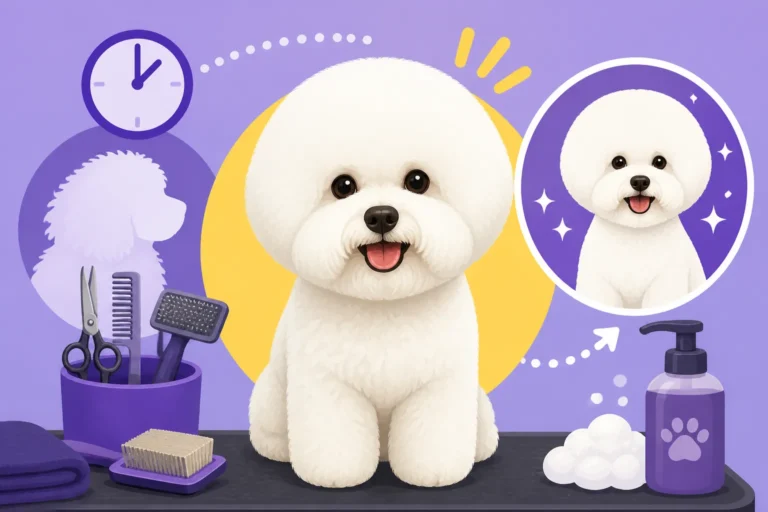
This is your first line of defense! Daily brushing is absolutely crucial for a Bichon Frise. Their beautiful, curly double coat is designed to trap shed hair, which is wonderful for allergy sufferers, but a nightmare for matting if not managed. Investing in the right tools – a good slicker brush, a metal comb that can reach down to the skin, and perhaps even a dematting rake – is essential. Focus on line brushing, sectioning the coat and brushing from the skin out, rather than just skimming the top. Pay special attention to areas prone to matting: behind the ears, under the armpits, around the collar, and on the legs and belly. Even ten to fifteen minutes a day can make a world of difference. To learn more, check out How Long Brushing a Bichon Frise Takes and Whether Home Brushing Makes Salon Visits Easier.
Establishing a Consistent Professional Grooming Schedule
Even with diligent home brushing, professional grooming is a necessity for Bichons. Aim for a full groom every 4-6 weeks. Your groomer will bathe, dry, brush, and trim your Bichon, ensuring the coat stays in a manageable condition. They can also spot small mats forming before they become severe and give you advice on areas to focus on at home. A consistent schedule means your groomer gets to know your dog's coat and temperament, making each visit smoother and less stressful. This proactive approach prevents the costly, traumatic cycle of shave downs. Consider What a Full Bichon Frise Groom Costs and How Often a Bichon Frise Needs Grooming entails.
The Role of Diet and Hydration in Coat Health
It might not be the first thing you think of, but a healthy diet and good hydration contribute significantly to coat health, which in turn can make it easier to maintain and less prone to matting. A high-quality dog food, rich in essential fatty acids, can promote a healthier skin barrier and a stronger, more resilient coat. Look for foods that support skin and coat health, and ensure your Bichon always has access to fresh, clean water. Some owners even incorporate wet food or water fountains to encourage more drinking, which can keep skin hydrated and healthy. While not directly preventing mats, a supple, well-nourished coat is simply easier to manage and less likely to break and tangle severely. Services like Ollie, which focus on fresh, quality ingredients, can contribute to overall canine wellness, including coat health.
Investing in Quality Grooming Tools and Products
Don't skimp on your home grooming kit. Cheap brushes can be ineffective, and harsh shampoos can irritate the skin, potentially leading to excessive scratching and more matting. A good quality slicker brush, a wide-toothed comb, a fine-toothed comb for the face and feet, and a pair of blunt-tipped scissors for trimming around the eyes and paws are great starting points. Use a gentle, conditioning dog shampoo specifically formulated for white or sensitive skin. If you’re struggling with tear stains, you might want to look at products designed to address that, as excessive moisture can also contribute to matting around the face. You can find a wide range of reliable grooming supplies at online retailers like Chewy. Getting advice from your professional groomer on specific products that work well for Bichon Frise coats can be incredibly valuable. What a Home Grooming Kit Costs a Bichon Frise Owner can give you an idea of the initial investment.
| Grooming Frequency | Impact on Matting Risk | Typical Cost Implications |
|---|---|---|
| Daily Home Brushing | Very Low | Low (initial tool cost) |
| Weekly Home Brushing | Moderate | Moderate (some matting possible) |
| Bi-Weekly Professional Groom | Low | Moderate (prevents severe issues) |
| Monthly Professional Groom | Low to Moderate | Moderate (standard upkeep) |
| Every 2-3 Months Professional Groom | High | High (increased risk of matting/shave-down) |
| Infrequent/Neglected | Very High | Very High (almost guaranteed shave-down) |
This table illustrates the direct correlation between consistent grooming and the likelihood of avoiding costly shave-downs. Proactive care is truly the most economical approach in the long run for your Bichon's coat.
Disclaimer
This article is for general informational purposes only and does not constitute professional advice. Laws, prices and regulations vary by location and change over time. Consult a qualified professional for guidance on your specific situation.