What Fifteen Years With a Bichon Frise Comes To
Bringing a Bichon Frise into your life is an incredible joy, but many new and even seasoned owners find themselves blindsided by the true financial commitment involved over their entire lifespan. It's not just the initial puppy price; it's the continuous stream of expenses for food, grooming, vet care, and all the little extras that truly add up over a decade or more. This comprehensive guide will meticulously break down all the costs you can expect throughout your Bichon Frise's 14 to 15 years, helping you budget wisely and ensure your fluffy companion receives the best possible care without unexpected financial strain.
The Initial Investment: Bringing Your Bichon Frise Home
The moment you decide to welcome a Bichon Frise into your family, you're looking at a series of upfront costs. These aren't just about the dog itself but also about creating a safe, comfortable, and healthy environment for them from day one. It's easy to underestimate these initial outlays, but being prepared makes the transition smoother for everyone.
Puppy Purchase Price and Adoption Fees
The first major expense is acquiring your Bichon Frise. This can vary wildly depending on whether you choose to purchase from a reputable breeder or adopt from a rescue.
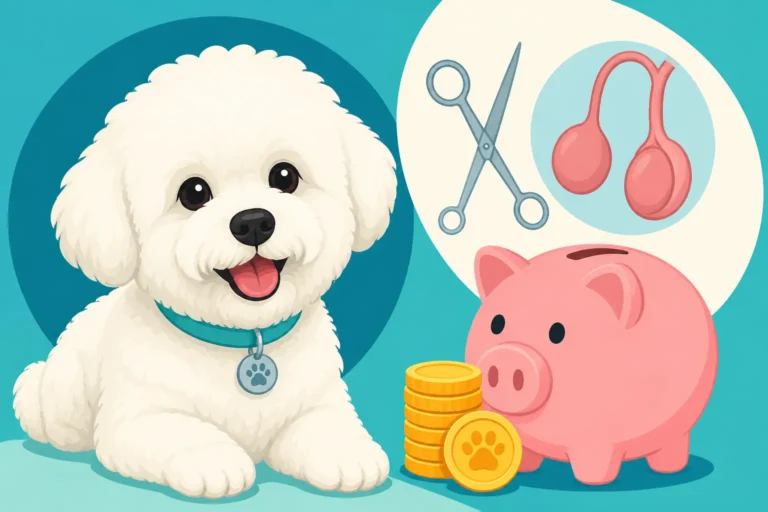
If you're looking for a healthy, well-socialized puppy from a responsible breeder, you'll be investing a significant sum. A reputable breeder screens their breeding dogs for common genetic health issues like patellar luxation and certain eye conditions, and they provide initial vaccinations, deworming, and often a microchip. This upfront cost reflects the breeder's investment in health testing, quality care for the dam and puppies, and early socialization. You can typically expect to pay anywhere from $1,500 to $3,000 or even more for a Bichon Frise puppy from a real breeder, depending on your location and the breeder's reputation. Don't be tempted by cheaper puppies from backyard breeders or puppy mills, as these often come with hidden health problems and behavioral issues that will cost you far more in the long run.
On the other hand, adopting a Bichon Frise from a rescue organization or shelter can be a more budget-friendly option, with adoption fees usually ranging from $150 to $500. These fees often cover spaying/neutering, initial vaccinations, microchipping, and sometimes even a starter kit of food or toys. Rescues often get Why Bichon Frises Reach Rescue Around Eight or older dogs that might have some health history, but they usually disclose this transparently. While the immediate financial cost might be lower, be prepared for potential medical needs, as many rescue dogs come with pre-existing conditions that need attention. It's a different kind of financial commitment but equally rewarding.
Initial Supplies and Setup Costs
Once your Bichon is on the way, you'll need to transform your home into a dog-friendly haven. This isn't just about fun toys; it's about essential items for their safety, comfort, and well-being.
Your shopping list will include items like a crate (for housetraining and a safe den), a comfortable dog bed, food and water bowls, a collar, leash, and ID tags. Don't forget grooming supplies like brushes, combs, puppy shampoo, and nail clippers – because that fluffy white coat needs constant attention from day one. You'll also need puppy pads, enzymatic cleaner for inevitable accidents (Bichons are notoriously hard to housetrain!), and a selection of appropriate chew toys. Think about a playpen for containing a curious puppy when you can't supervise directly. All these items can easily add up to $300-$700 initially. It's a substantial sum, but investing in good quality, durable items upfront can save money in the long run. Many new owners find themselves making multiple trips to pet stores like Chewy in those first few weeks as they realize what they've forgotten!
First Vet Visits and Vaccinations
Bringing a new puppy home means an immediate trip to the veterinarian. Even if your breeder provided initial shots, a vet check-up is crucial to establish a baseline of health and to ensure your puppy is thriving.
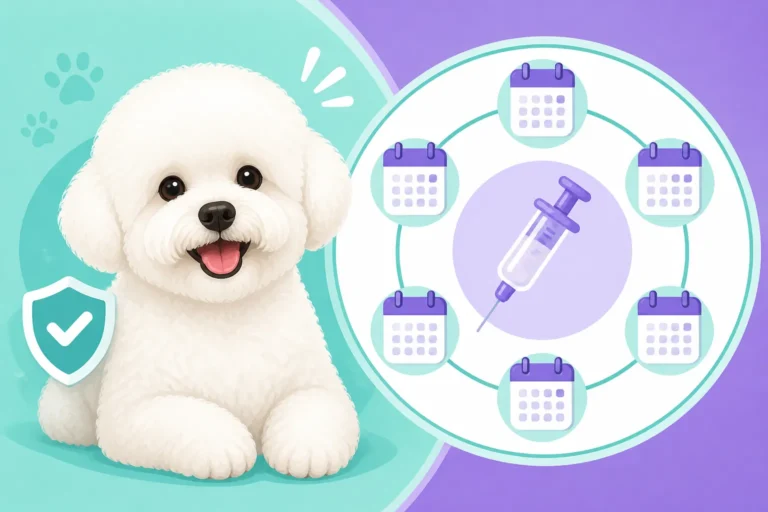
This initial vet visit will involve a comprehensive physical exam, fecal tests for parasites, and the completion of their puppy vaccination series (distemper, parvovirus, adenovirus, parainfluenza, and rabies). They'll also discuss deworming schedules and flea/tick prevention. If your puppy isn't already microchipped, this is an excellent time to get it done. These first few veterinary visits and necessary preventative treatments can quickly accumulate to $200-$500 in the first year alone. This doesn't even account for any unexpected illnesses or issues that might crop up with a new puppy, which, let's be honest, often do! It's a critical investment in your Bichon Frise's long-term health, laying the groundwork for a robust future.
Ongoing Essential Care: The Day-to-Day Expenses
Once your Bichon Frise is settled, the initial flurry of purchases gives way to a steady stream of routine, predictable expenses. These are the costs of keeping your dog healthy, safe, and happy year after year.
Annual Vet Check-ups and Preventative Care
Just like us, our furry friends need regular check-ups to stay in tip-top shape. An annual vet visit is non-negotiable for a Bichon Frise, even if they seem perfectly healthy.
During these yearly appointments, your vet will perform a thorough physical examination, check for any changes in weight or dental health, and discuss any concerns you might have. Booster vaccinations will be administered, and you'll renew prescriptions for heartworm, flea, and tick prevention. Many vets also recommend routine blood work for adult dogs, especially as they approach their senior years, to catch potential issues early. These annual preventative care visits, including vaccinations and parasite medications, can run anywhere from $200-$400 per year. Remember, catching a health issue early through routine checks can prevent it from becoming a much larger, more expensive problem down the line. It's a preventative measure that genuinely pays off.
Licensing and Identification
Responsible pet ownership includes ensuring your Bichon Frise is properly licensed and identified. This might seem like a small detail, but it's important for their safety and your peace of mind.
Most municipalities require annual dog licensing, which typically costs $10-$50 per year, with discounts often available for spayed or neutered pets. This license helps authorities identify your dog if they ever get lost. Beyond licensing, ensure their ID tags are current with your contact information. A microchip, ideally implanted during one of their first vet visits, acts as a permanent form of identification. While the microchip itself is a one-time fee (often covered by adoption fees or initial puppy costs), some registries have optional annual fees for enhanced services, like pet recovery networks, which are usually minimal, perhaps $15-$25 per year. These small costs are vital safety nets, increasing the chances of a reunion if your beloved Bichon ever wanders off.
Routine Supplies and Replacements
Life with a Bichon Frise means a constant need for various everyday supplies. These aren't just one-time purchases; they're items that need regular replenishment or replacement.
Think about waste bags, which you'll go through constantly during walks and yard clean-up. Your Bichon's bed might need replacing every few years due to wear and tear or accidents. Toys will inevitably be chewed up and destroyed, requiring new ones to keep them engaged and prevent boredom. Dental chews and toothbrushes for daily oral hygiene are also recurring expenses. A good rule of thumb is to budget around $50-$100 per year for these miscellaneous routine supplies. While each item might seem inexpensive on its own, their cumulative cost over 15 years becomes significant. It's the small things that add up, but they're essential for a comfortable and stimulating life for your Bichon.
Grooming: The Non-Negotiable Cost of That Fluffy Coat
Ah, the glorious powder puff coat of a Bichon Frise! It's what draws many people to the breed, but it's also one of their most significant ongoing expenses. This isn't just about aesthetics; it's vital for their health and comfort.
Professional Grooming Costs
The iconic Bichon Frise look doesn't happen by accident. Their dense, curly double coat grows continuously and is prone to matting without diligent care. This often means regular visits to a professional groomer.
Most Bichon owners find that their dog needs a full professional groom every 4 to 6 weeks. A typical full groom includes bathing, blow-drying, brushing, de-matting (if necessary), nail trimming, ear cleaning, and styling that classic round head and body. Depending on your location, the groomer's experience, and your dog's coat condition and temperament, What a Full Bichon Frise Groom Costs can range from $60 to $100 or more per visit. Over a year, this can amount to $720 to $1,200. While it seems like a lot, a good groomer can prevent painful mats that can lead to skin infections and costly vet visits. Skipping professional grooms often leads to a matted Bichon that needs to be shaved down, which is often more expensive and distressing for the dog.
Home Grooming Tools and Products
Even with professional grooming, daily or every-other-day home grooming is crucial for a Bichon Frise. Investing in the right tools and products for at-home maintenance can't be stressed enough.
You'll need a slicker brush, a metal comb, specialized shampoo and conditioner for white coats, ear cleaner, nail clippers or a grinder, and potentially tear stain wipes or solutions. A high-velocity dryer can be a game-changer for thoroughly drying their dense coat after baths, preventing mats and skin issues. While the initial investment in these tools can be around $100-$300, the products like shampoo, conditioner, and ear cleaner will need replenishing every few months. This ongoing cost could be around $50-$100 annually. Learning to properly brush your Bichon, line brushing all the way to the skin, is essential. Not only does it help you bond with your dog, but it also helps extend the time between professional grooms if you're meticulous, and makes those professional visits less stressful for your dog and less costly for you if their coat is well-maintained.
Specialty Grooming Needs (e.g., tear stains, ear care)
Bichon Frises have a few particular grooming challenges that require extra attention and, you guessed it, extra costs. Two of the most common are tear staining and recurrent ear issues.
Tear staining, those reddish-brown streaks under their eyes, is a common frustration for Bichon owners. While often just cosmetic, severe staining can indicate underlying issues or lead to skin irritation. You might invest in special tear stain removers, filtered water, or even specific food supplements to try and manage it. These products can add $30-$100 annually to your grooming budget. Then there are those adorable floppy ears! Bichon Frise ears, with their dense hair, are prone to moisture and wax buildup, leading to infections. Regular ear cleaning is essential, and some owners opt for plucking ear hair (though this is debated among vets and groomers). You'll need good quality ear cleaning solution, which might cost $20-$40 per bottle, and if infections do occur, vet visits, medications, and specialized cleansers will be additional expenses. Proper The Ears a Bichon Frise Needs Cleaned Every Week can help prevent these infections, but they are a constant management task and a potential recurring cost.
Healthcare: Preparing for the Inevitable Vet Bills
This is where the costs can truly become significant, especially as your Bichon Frise ages. While we hope for a perfectly healthy pet, Bichons, like all breeds, are prone to certain conditions.
Understanding Common Bichon Frise Health Issues
Knowing the breed's common health predispositions is key to being financially prepared. Bichon Frises are adorable, but they do have their share of genetic and breed-specific health challenges.
Some of the more common issues include bladder stones (especially calcium oxalate stones), patellar luxation (slipping kneecaps), cataracts and other eye problems, allergies leading to skin issues, and sometimes even Cushing's disease later in life. Why a Bichon Frise Forms Stones Twenty Times as Often is a particularly notorious and costly problem, often requiring multiple surgeries. These conditions aren't guaranteed, but being aware means you can prioritize preventative care and understand potential future expenses. For example, knowing about patellar luxation might make you more diligent about keeping your dog from jumping off high furniture. Proactive care and early detection are your best allies in managing these potential health challenges and their associated costs.
Pet Insurance: A Lifeline or a Luxury?
With the high cost of veterinary care, pet insurance has become a serious consideration for many owners. For a Bichon Frise, especially given their predispositions, it's worth a deep dive.
Pet insurance works much like human health insurance, covering a percentage of vet bills for accidents, illnesses, and sometimes even routine wellness. Monthly premiums for a Bichon Frise can range from $30 to $70, depending on factors like your dog's age, your location, the deductible you choose, and the coverage level. Over 15 years, this adds up to $5,400 to $12,600. While it's a significant ongoing expense, it can be an absolute lifesaver when an unexpected major illness or accident strikes. Imagine a bladder stone surgery, which can cost thousands of dollars; if your policy covers 80-90% after your deductible, it could save you a huge financial burden. Companies like Healthy Paws offer comprehensive plans that could make a difference. However, be aware of waiting periods and pre-existing condition exclusions. Whether Insurance Still Covers a Bichon Frise's Second Stone is a crucial question to ask your provider if your Bichon has had previous health issues. It's not a luxury; for many, it's a necessity that provides peace of mind.
Managing Chronic Conditions and Surgeries
Even with insurance, chronic conditions and surgeries represent major financial outlays that you must be prepared for. These are often the biggest and most disheartening costs.
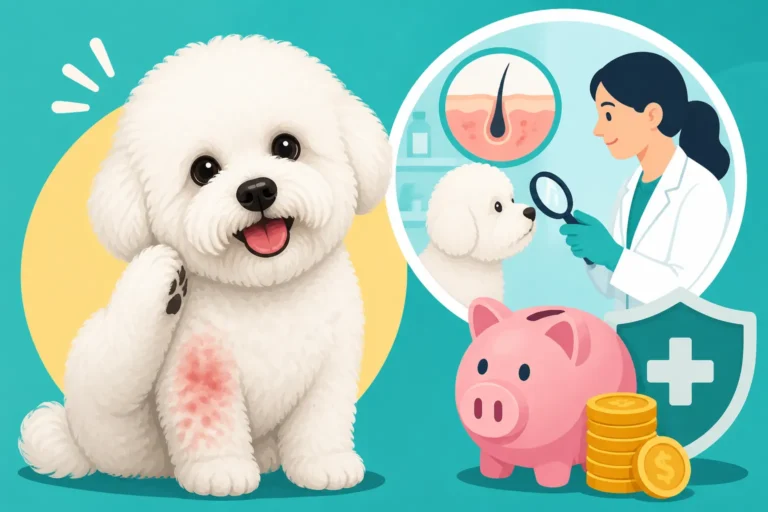
Take bladder stones, for instance. What One Bichon Frise Stone Surgery Costs and What Three Cost can be astronomical. A single cystotomy can easily cost $2,000 to $5,000, and some Bichons require repeat surgeries. This doesn't even include post-operative care, specialized diets, and ongoing monitoring. If your Bichon develops Cushing's disease, the What Cushing's Medication Costs a Bichon Frise Owner Monthly can be $50-$200 or more, for the rest of their life, plus regular monitoring blood tests. Allergies, a very common Bichon issue, can require lifelong medication (like Apoquel or Cytopoint injections) or prescription diets, easily adding hundreds to over a thousand dollars annually. These ongoing treatments for chronic conditions represent a significant long-term financial commitment, far beyond the cost of a routine annual check-up.
Common Bichon Frise Health Issues and Estimated Costs
| Condition | Estimated Cost Range (Single Incident or Annual) |
|---|---|
| Bladder Stones (Surgery) | $2,000 – $5,000 (per surgery, multiple surgeries possible) |
| Patellar Luxation (Surgery) | $1,500 – $4,000 (per knee) |
| Allergies (Annual Management) | $500 – $2,000 (medications, prescription food, vet visits) |
| Cushing's Disease (Annual Meds/Tests) | $600 – $2,400 (monthly medication, regular monitoring) |
| Cataracts (Surgery) | $3,000 – $5,000 (per eye) |
| Dental Disease (Annual Cleaning) | $400 – $1,000 (with anesthesia, extractions add more) |
| Pet Insurance (Annual Premium) | $360 – $840 |
Note: These are estimated costs and can vary significantly based on location, vet clinic, and severity of the condition.
Food and Nutrition: Fueling Your Bichon Frise for a Long Life
What you feed your Bichon Frise is foundational to their health, energy, and longevity. This is an area where cutting corners can lead to greater health expenses down the line, so choosing quality food is a wise investment.
Quality Kibble vs. Specialty Diets
Feeding your Bichon Frise isn't just about filling their bowl; it's about providing balanced nutrition, and that choice has a direct impact on your budget.
For a healthy adult Bichon Frise, a high-quality small-breed kibble will typically cost $30-$60 per month, or $360-$720 annually. Brands like Purina Pro Plan, Royal Canin, or Hill's Science Diet are often recommended by veterinarians. However, many Bichons, particularly those prone to bladder stones or allergies, will require prescription or specialty diets. The Diet a Bichon Frise Stays On for Life after a stone episode, for example, is a non-negotiable part of prevention. These veterinary-exclusive diets, which you often purchase through your vet or authorized retailers like Chewy with vet approval, can cost significantly more, often $60-$100 per month, or $720-$1,200 annually. Wet food options, while sometimes more palatable, tend to be even pricier. Some owners opt for fresh-cooked or raw diets from companies like Ollie, which can also be on the higher end, but some owners swear by the health benefits. The key is to choose food appropriate for your dog's specific needs, even if it means a higher price tag.
Treats and Supplements
Beyond their main meals, most Bichon Frises enjoy treats, and some benefit from dietary supplements. These small additions also contribute to your overall cost.
Training treats, dental chews, or just occasional "good boy" snacks are part of many dogs' daily lives. It's crucial, especially for Bichons prone to stones, to choose treats carefully. Many regular treats are high in oxalates or other minerals that can contribute to stone formation. Opting for low-oxalate, vet-approved treats (which are often more expensive) is a must. Budget around $10-$30 per month for treats, or $120-$360 annually. Additionally, some Bichons might benefit from supplements, such as joint support for Slipping Kneecaps in a Bichon Frise, omega-3 fatty acids for skin and coat health, or probiotics for digestive issues. These can add another $20-$50 per month, or $240-$600 annually. Always discuss any supplements with your veterinarian to ensure they are appropriate and won't interfere with other medications or health conditions.
Managing Dietary Needs for Health Conditions
When a Bichon Frise develops a health condition, their diet often becomes a critical part of their medical management, leading to very specific and sometimes expensive nutritional requirements.
As mentioned, a Bichon who has formed calcium oxalate bladder stones must stay on a prescription urinary diet for life. This isn't a temporary measure; it's a foundational part of preventing recurrence. Owners often ask, Whether a Bichon Frise Ever Comes Off the Stone Diet, and the answer is almost always no, because even a single treat or deviation can restart the process. Similarly, Bichons with allergies might need limited ingredient or hydrolyzed protein diets to manage their skin and digestive symptoms. These specialty foods are carefully formulated to address specific medical needs and are therefore priced accordingly. The ongoing cost of these prescription diets can be a significant financial commitment over the many years your Bichon will be on them, easily doubling or tripling your monthly food budget. But it's an investment that can prevent more costly vet interventions and improve your dog's quality of life.
Training, Toys, and Miscellaneous: The Smaller, But Still Significant, Costs
Beyond the essentials of food, grooming, and vet care, there are many other aspects of your Bichon Frise's life that come with their own price tags. These are the costs that contribute to their mental stimulation, good behavior, and overall happiness.
Obedience Classes and Behavioral Support
Proper training is vital for a well-adjusted dog and can actually save you money in the long run by preventing destructive behaviors. Bichons are intelligent but can be stubborn, especially with housetraining.
Basic puppy classes, often around $150-$300 for a 6-8 week course, are highly recommended for socialization and foundational obedience. Many Bichon owners find that their dogs benefit from ongoing training or even private sessions, particularly for challenges like Why a Bichon Frise Is Famously Hard to Housetrain or excessive barking. A private trainer might charge $75-$200 per hour session. While these costs might seem optional, investing in training can prevent costly damage to your home, reduce stress, and strengthen the bond with your dog. A well-behaved Bichon is a happier Bichon, and a happier owner! Think of it as an investment in a harmonious household.
Toys, Beds, and Enrichment Items
To keep your Bichon Frise mentally stimulated and physically active, you'll need a steady supply of toys and comfortable resting spots. These aren't just luxuries; they're crucial for their well-being.
Dogs need a variety of toys – chew toys for dental health and mental engagement, puzzle toys to challenge their minds, and soft toys for comfort. Since Bichons can be quite playful, you'll find yourself replacing toys regularly as they get worn out or destroyed. Budget around $10-$30 per month for new toys, or $120-$360 annually. Beyond toys, comfortable beds are essential, and a Bichon often enjoys multiple sleeping spots around the house. Beds can range from $30-$150, and you might replace them every few years. Investing in good quality, durable items for their comfort and entertainment is important. It prevents boredom, which can lead to destructive behaviors like chewing furniture or excessive barking, thus saving you money on repairs or behavioral interventions.
Boarding, Sitters, and Travel Expenses
Life happens, and sometimes you'll need to travel without your Bichon Frise. Planning for their care when you're away is another financial consideration.
Professional pet sitters, dog walkers, or boarding facilities are often necessary. Dog walkers typically charge $15-$30 per walk, while pet sitters might charge $30-$60 per visit or $60-$100 for overnight stays. Boarding kennels can range from $30-$70 per night. If you travel for just two weeks a year, this could easily add $400-$1,000 annually to your pet expenses. If your Bichon is small enough to fly in the cabin with you, there's usually an airline fee of $100-$150 each way, plus the cost of an approved carrier. These costs can quickly escalate, so it's wise to factor them into your vacation budget. Having a trusted friend or family member care for your Bichon can reduce these costs, but it's important to have backup plans.
The Unexpected: Emergency Funds and Senior Care
No matter how well you plan, life with a pet inevitably throws curveballs. Preparing for emergencies and understanding the unique needs of an aging Bichon Frise is vital for their long-term welfare and your financial stability.
Building an Emergency Vet Fund
While pet insurance helps with large, unexpected medical bills, there's often a deductible or co-pay you'll need to cover. Beyond that, minor emergencies or situations not covered by insurance can arise.
This is where a dedicated emergency fund comes in. Aim to set aside at least $1,000 to $3,000 for your Bichon Frise's unexpected medical needs. This could cover an emergency visit for an upset stomach, an injury from a fall, or diagnostic tests for a sudden illness. Imagine if your Bichon accidentally ingested something toxic – an emergency vet visit, diagnostics, and treatment could easily run into hundreds or even thousands of dollars. Having this fund means you can make decisions based on your pet's health, not solely on your immediate financial capacity. Many owners feel immense stress when faced with a sick pet and no immediate funds; this proactive step mitigates that.
Special Considerations for Senior Bichons
As your Bichon Frise moves past the age of 8 or 9 years and becomes a senior, their needs – and associated costs – often change significantly. Caring for a Bichon Frise Past Eleven becomes a whole new chapter.
Senior Bichons are more prone to conditions like arthritis, dental disease, heart murmurs, kidney disease, cognitive dysfunction, and even cancer. They may need more frequent vet check-ups (sometimes twice a year), specialized senior diets (often more expensive), and ongoing medications for chronic pain or other age-related ailments. Mobility aids, such as ramps or orthopedic beds, might become necessary. If they develop Diabetes in a Bichon Frise, you'll face ongoing insulin costs and regular monitoring. These senior-specific care costs can easily add $500-$1,500 annually, or even more if a major illness arises. It's a testament to the fact that The Fourteen to Fifteen Years a Bichon Frise Lives are precious, but the later years often demand a greater financial and emotional investment.
End-of-Life Planning
It's a difficult topic to consider, but responsible pet ownership includes planning for the inevitable end of your beloved Bichon Frise's life. These costs, while emotionally painful, are part of the journey.
Euthanasia, when the time comes, typically costs $100-$300, with in-home services often being more expensive ($200-$500) but offering a more peaceful experience. Cremation services, either communal or private, range from $150-$500, depending on whether you wish to receive your pet's ashes back. Urns, memorial items, and grief counseling services are additional optional costs. While no one wants to think about this day, having a general understanding of these costs can help alleviate some financial burden during a time of immense grief. It allows you to focus on saying goodbye to your cherished companion without added monetary stress.
Making it Manageable: Budgeting and Saving for Your Bichon Frise's Future
Looking at all these potential costs can feel overwhelming, but owning a Bichon Frise doesn't have to break the bank if you approach it strategically. Thoughtful budgeting and smart choices can make pet ownership a joyful, manageable experience.
Creating a Realistic Pet Budget
The first step to managing your Bichon Frise's lifetime costs is to create a detailed and realistic budget. This isn't about cutting corners on care, but about understanding where your money goes.
Start by listing all the regular, predictable expenses: food, grooming, annual vet care, parasite prevention, and routine supplies. Then, factor in the less frequent but important costs like pet insurance premiums, training classes, and potential boarding. Don't forget to include a buffer for unexpected costs by contributing regularly to your emergency fund. Review your budget annually, as costs can change, and your Bichon's needs will evolve as they age. Many owners find it helpful to use budgeting apps or spreadsheets to track their actual spending. This clear picture helps you allocate funds effectively and prevents financial surprises, ensuring you can provide consistent, quality care for your Bichon throughout their life.
Finding Savings Without Compromising Care
While quality care is paramount, there are smart ways to save money without sacrificing your Bichon Frise's well-being. It's about being a savvy pet parent.
One significant way to save is by being diligent with home grooming. While professional grooms are essential, regular brushing and maintenance at home can reduce matting, potentially lowering the cost or frequency of salon visits. Buying pet supplies, food, and even some medications in bulk from reputable online retailers like Chewy can often be cheaper than local pet stores. Just be careful with expiration dates. Participating in your vet's wellness plans, if offered, can sometimes provide discounts on routine care. Preventative care is also a huge money-saver: keeping your Bichon at a healthy weight, brushing their teeth daily to prevent expensive dental procedures, and adhering to flea/tick/heartworm prevention can ward off far costlier health issues. Remember, a healthy pet is often a less expensive pet in the long run.
The True Value Beyond the Dollar Amount
While this guide focuses on the financial aspects of owning a Bichon Frise for fifteen years, it's crucial to remember that the true value of these amazing companions cannot be measured in dollars and cents.
The joy, companionship, unconditional love, and endless entertainment a Bichon Frise brings to your life are priceless. They become cherished family members, offering comfort, laughter, and a furry shoulder to cry on. The wagging tail that greets you at the door, the silly The Bichon Blitz and What It Means zoomies, the soft cuddles on the couch – these moments are invaluable. Yes, the financial commitment is substantial, easily totaling tens of thousands of dollars over their lifetime. But for those who welcome a Bichon Frise into their hearts and homes, the emotional returns far outweigh the monetary investment. It's a profound relationship that enriches lives in countless ways, making every penny spent a worthwhile investment in happiness and love.
Disclaimer
Please note that the information provided in this guide is for general informational purposes only and does not constitute professional veterinary advice. Always consult with a qualified veterinarian for any health concerns or before making any decisions about your pet's medical care, diet, or training. Cost estimates are approximate and can vary widely based on geographic location, service provider, and individual circumstances.