Drying a Bichon Frise Into the Powder Puff Shape
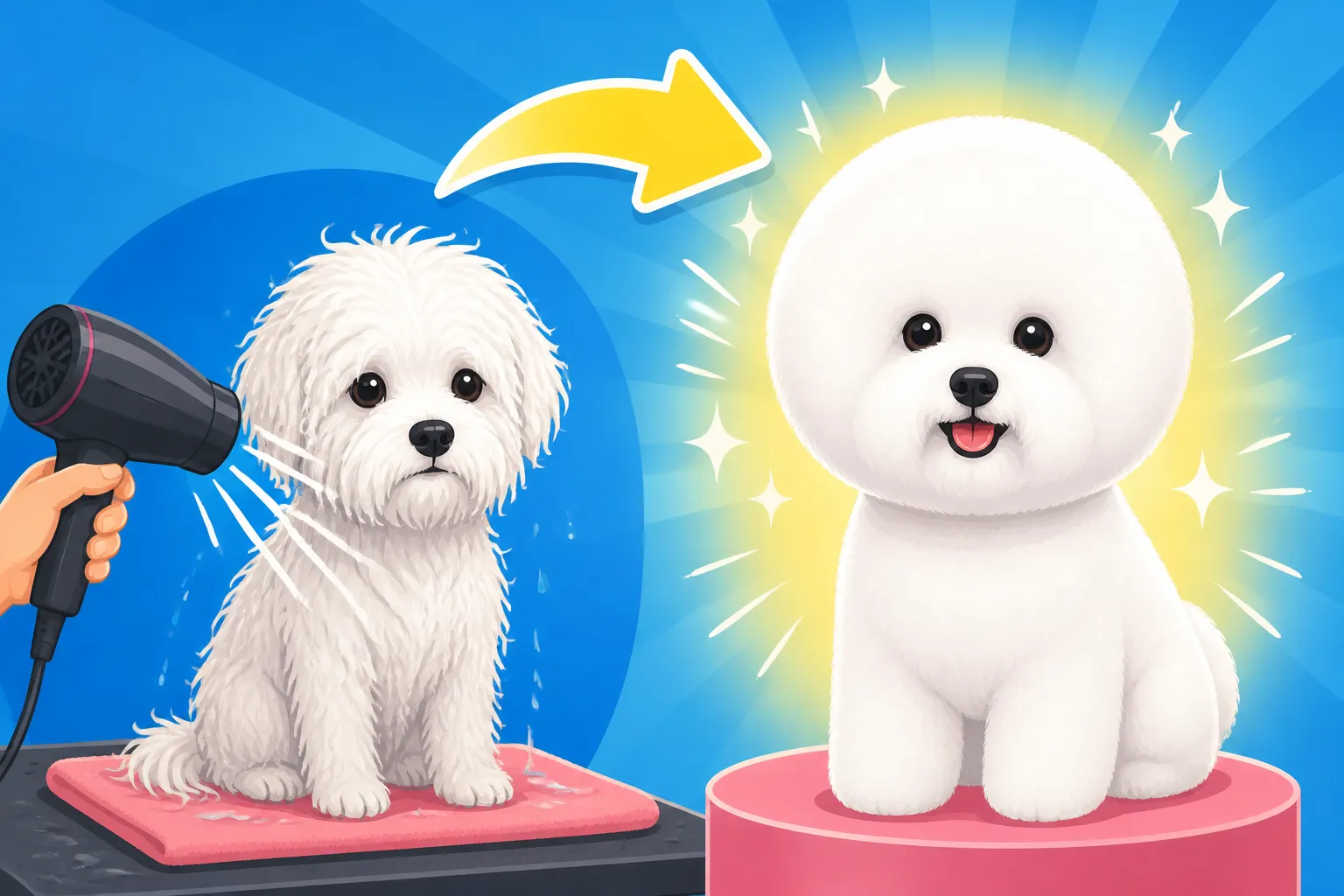
You've just given your beloved Bichon Frise a bath, and now you're faced with a beautiful, albeit slightly damp, cloud of white fur. The challenge isn't just getting them dry, but transforming that wet fluff into the iconic, perfectly sculpted "powder puff" shape. It’s a rewarding process, but many owners find themselves struggling to achieve that professional salon look at home. This comprehensive guide will walk you through the techniques, tools, and patience needed to master the art of drying your Bichon into that beautiful, classic silhouette.
Understanding the Bichon Frise Coat
Before you even pick up a brush or turn on a dryer, it's important to understand the unique characteristics of your Bichon Frise's coat. This isn't just any dog fur; it's a finely tuned marvel that requires specific care to look its best. Without this understanding, you might inadvertently work against the coat, leading to matting, flatness, or an overall unkempt appearance instead of that desired fluffy perfection.
The Unique Double Coat
A Bichon Frise boasts a distinctive double coat, which is the secret to its signature soft, yet substantial, "powder puff" look. The inner layer is dense and soft, much like cotton, providing insulation and that plush feel. Overlapping this is a coarser, curlier outer coat, often described as guard hairs. When properly groomed, these two layers intertwine and stand away from the body, creating that voluminous, springy texture. It’s not just about the length; it’s about the way the individual hairs are allowed to lift and separate.
This combination of soft undercoat and slightly coarser outer coat is what gives the Bichon its unique feel and appearance. If you don't fully understand how these layers interact, you might not brush deep enough to untangle the undercoat, or you might over-dry the outer coat, leading to frizz. The goal during drying is to meticulously straighten and separate every single hair, from root to tip, allowing both layers to contribute to that full, airy effect. Think of it as creating tiny, individual springs that collectively make up the overall buoyant coat.
Why Air Drying is a No-Go
You might be tempted, especially on a warm day, to let your Bichon Frise air dry, or perhaps just towel dry and let nature do the rest. Resist this urge! Air drying a Bichon Frise is practically a recipe for disaster when it comes to maintaining their coat. Their dense, curly fur will simply curl tighter and mat severely as it dries naturally. Instead of a fluffy cloud, you'll end up with a tangled mess that's incredibly difficult, and potentially painful, to brush out later.
Beyond the matting nightmare, air drying also robs the coat of its inherent luster and volume. The individual hairs won't be straightened and fluffed as needed for the powder puff look; they'll retain their natural curl, compacting against the body. This can lead to a dull, flat appearance, and can even trap moisture against the skin, potentially leading to skin irritations or hot spots. To achieve the proper shape and texture, active drying with heat and brushing is absolutely non-negotiable for a Bichon Frise.
The Ideal Texture for Scissoring
The entire drying process is fundamentally geared towards preparing the coat for its final artistic touch: scissoring. When you aim to create The Powder Puff Outline a Bichon Frise Is Scissored Into, you need the hair to be perfectly straight, standing away from the body, and completely free of any curl or dampness. Imagine trying to cut a perfectly round topiary when the leaves are all limp and matted – it's impossible to get a clean, even line.
A properly dried Bichon coat should feel light, airy, and fluffy, with each strand feeling distinct and straight. This allows your scissors to glide through the coat smoothly, creating precise angles and curves that define the classic Bichon silhouette. If the coat is still damp, or if there's any residual curl, your scissoring efforts will be futile, resulting in an uneven, lumpy, or simply un-Bichon-like cut. The ideal texture is paramount for both aesthetic appeal and the health of the coat itself.
Essential Tools for the Powder Puff Dry
Achieving that picture-perfect Bichon Frise powder puff isn't just about technique; it's heavily reliant on having the right arsenal of grooming tools at your disposal. Skimping on quality here can turn a manageable task into a frustrating battle against mats and dampness. Investing in good tools will not only make the job easier but will also result in a far superior finish and a more comfortable experience for your furry friend.
Choosing the Right Dryer
When it comes to drying a Bichon Frise, not all dryers are created equal. Forget your human hairdryer; it's simply not powerful enough, can get too hot for canine skin, and will take ages, leading to potential heat damage and exhaustion for both of you. For a Bichon, a high-velocity force dryer is practically indispensable. These dryers push a powerful stream of unheated or low-heated air, quickly blowing water off the coat and, crucially, straightening the individual hairs. This force of air helps separate the double coat, preventing mats before they even form, and dramatically cutting down drying time.
Many Bichon owners also find a stand dryer to be a valuable addition, especially for finishing touches. A stand dryer allows you to keep both hands free for brushing, which is essential for shaping and ensuring every hair is perfectly straight. You can often find a good selection of both force dryers and stand dryers on platforms like Amazon or specialized pet supply retailers like Chewy. Consider the noise level and adjustable heat settings when making your choice, as your Bichon's comfort is key. Remember, Whether a Bichon Frise Needs a Force Dryer is often answered with a resounding "yes" by experienced groomers and owners.
Brushes and Combs for the Job
Just as vital as the right dryer are the brushes and combs you'll use to work through that magnificent coat. A high-quality slicker brush is your primary tool for fluffing and straightening. Look for one with firm, bent pins that are densely packed, as this will allow you to reach down to the undercoat and thoroughly work through any tangles. A slicker brush effectively pulls the hair straight as the dryer removes moisture, setting the foundation for the powder puff.
In addition to the slicker, a sturdy metal comb with both fine and wide teeth is essential for checking your work and tackling stubborn knots. The wide-toothed end can be used for initial detangling, while the fine-toothed end is perfect for ensuring there are absolutely no hidden mats and for defining sections, especially around the face and feet. Always follow up a slicker brush with a comb to confirm every single strand is tangle-free. This combination ensures thoroughness, and knowing Which Brush Suits a Bichon Frise is half the battle won.
Product Helpers: Conditioners, Sprays, and More
While good technique and tools are paramount, certain grooming products can lend a helping hand in achieving that flawless finish. After shampooing, a high-quality conditioning rinse is crucial to moisturize the coat, making it softer, more manageable, and less prone to tangling during the drying process. A well-conditioned coat also has less static, which can be a real headache when trying to achieve a smooth, even fluff.
During the drying process, a leave-in conditioning or detangling spray can be incredibly beneficial. Spritzing a fine mist over small sections of damp coat before brushing and drying can further lubricate the hair, making it easier to straighten and preventing breakage. These sprays also offer a layer of protection against the heat of the dryer. Look for products specifically formulated for dogs, preferably those that are light and won't weigh down the delicate Bichon coat. Many excellent options can be found on Chewy or Amazon, designed to protect and enhance the natural beauty of the coat while you work your magic.
The Step-by-Step Drying Process
Now that you understand your Bichon's unique coat and have gathered your essential tools, it's time to dive into the actual drying process. This isn't a race; it's a methodical, step-by-step approach that requires patience and consistency. Rushing through it will only lead to frustration, matting, and a less-than-perfect result. Remember, the goal is not just dry, but beautifully fluffed and straightened.
Pre-Drying Prep: Squeeze, Blot, and Comb
The drying process truly begins the moment the bath ends. Once you've thoroughly rinsed all shampoo and conditioner from your Bichon's coat, gently squeeze as much excess water out of the fur as possible with your hands. Avoid harsh rubbing with a towel, as this can create immediate tangles and mats. Instead, use a super-absorbent microfiber towel to blot the coat. Press the towel gently but firmly against sections of fur to soak up moisture, rather than rubbing back and forth.
After blotting, your Bichon should still be damp, but not dripping wet. This is the perfect time for an initial, gentle comb-through. Using your wide-toothed metal comb, carefully work through the entire coat, making sure there are no large tangles left from the washing process. If you encounter any mats, work them out very gently with your fingers and the comb, potentially using a detangling spray, before applying any dryer heat. This initial comb-out is critical, as drying over tangles will cement them into stubborn mats that are far harder to remove later.
Line Drying Technique
This is the absolute cornerstone of achieving the powder puff shape. "Line drying" refers to the technique of drying the hair in sections, from root to tip, lifting and straightening each strand as you go. You'll need both hands for this: one holding the dryer (if it's a force dryer, keep the nozzle a safe distance from the skin) and the other continuously brushing with your slicker. The key is to direct the air against the natural lay of the hair while brushing simultaneously in the opposite direction, pulling the hair straight.
Start with the legs, then move to the body, and finally the head and face, which often requires the most meticulous work. Take small sections of hair, usually no wider than your brush, and work on them until they are completely dry and straight before moving to the next. Angle the dryer so the air flows through the section you're brushing, lifting the hair away from the skin. Don't just dry the top layer; you must reach the roots. If the roots are still damp or curly, the coat will collapse and lose its volume. This continuous brushing and drying motion is what sets the coat and creates that lasting volume. As you work, remember Whether Brushing While Drying Sets the Coat – the answer is unequivocally yes, it's how the magic happens!
Finishing Touches and Shaping
Once you believe your Bichon is completely dry, do a final "dry check." Run your fingers deep into the coat, feeling for any damp spots, especially behind the ears, in the armpits, and around the tail. Any lingering moisture will quickly lead to matting and flatten the coat. Use your metal comb to ensure you can glide through every part of the coat without snagging, confirming that all tangles have been removed and every hair is straight.
For an extra touch of fluff, you can use a stand dryer (if you have one) on a cool setting, allowing the cool air to "set" the volume, or simply continue to lightly brush and fluff with your slicker brush. At this stage, you're not just drying, but actively shaping. Use the brush to gently round the head, lift the top knot, and create the desired fullness on the body. While the actual scissoring comes next, this drying technique pre-shapes the coat, making the scissoring much easier and more effective. You'll notice a significant difference in how the coat feels and looks compared to simply letting it air dry – it should be light, bouncy, and ready for its stylish trim.
Common Challenges and Troubleshooting
Even with the right tools and techniques, drying a Bichon Frise can present its share of challenges. From stubborn mats to a nervous pup, these hurdles are common, but with a bit of understanding and patience, they can be overcome. Knowing how to troubleshoot these issues will save you time, reduce stress for your Bichon, and help you achieve consistent, beautiful results.
Dealing with Mats and Tangles During Drying
Mats and tangles are the arch-nemeses of any Bichon Frise owner. While thorough pre-bathing brushing helps immensely, sometimes mats can still develop during the washing or initial drying phase, especially if your Bichon has a longer coat or if Whether a Damp Bichon Frise Mats Faster becomes a reality. If you encounter a mat during line drying, stop drying that section immediately. Continuing to blow-dry a mat will only make it tighter and harder to remove.
Instead, gently work the mat out with your fingers, a dematting tool, or the fine-toothed end of your metal comb. You can apply a bit of detangling spray to the mat to help loosen the hairs. Work from the outside edges of the mat inwards, teasing apart small sections of hair rather than pulling on the entire mat. If a mat is too tight to comb out without causing pain, it’s always better to carefully cut it out with blunt-nosed scissors, cutting away from the skin, or to consider a professional groomer. Prevention, however, is always best, so ensure diligent brushing before bathing and throughout the drying process. Understanding Whether Loose Hair Trapped in the Coat Causes Mats helps in preventing them from forming in the first place.
Managing a Fussy or Fearful Bichon Frise
For some Bichons, the sound and sensation of a dryer can be intimidating, leading to squirming, biting, or outright panic. If your Bichon is fussy or fearful, patience and positive reinforcement are your best friends. Start by introducing the dryer slowly, perhaps just turning it on in another room while offering treats. Gradually move closer, letting them sniff the inactive dryer, then turn it on low from a distance. Pair the sound with high-value treats and praise.
During the actual drying process, work in short bursts. Dry one section, then give them a quick break, a treat, and some praise. You might need a second person to help hold and soothe a very nervous dog, or consider investing in a grooming noose (always supervise closely!) to keep them safely in place on a grooming table. Make sure the air temperature isn't too hot, as discomfort can exacerbate fear. For puppies, early positive introductions to the dryer and grooming table are key to preventing fear later. Teaching a Bichon Frise to Teaching a Bichon Frise to Accept a Dryer is a gradual process but essential for their comfort and your sanity.
Achieving Even Dryness and Volume
It’s surprisingly common to finish drying and realize certain areas are still damp, or that some spots lack the desired volume. This usually comes down to not thoroughly line drying every section, particularly dense areas like the ruff, the tail, or the deepest parts of the undercoat. To troubleshoot, perform a meticulous 'comb test' by running your metal comb through the entire coat. If the comb snags or doesn't glide smoothly, it indicates either a mat or a damp spot.
To address flat areas or uneven volume, go back to the line drying technique. Focus on lifting the hair directly at the root, directing the air stream against the grain of the fur while brushing upwards and outwards. Pay extra attention to layers. Sometimes, simply misting a flat area lightly with water (or a conditioning spray) and re-drying with the proper technique can re-activate the fluff. Ensuring every hair, from root to tip, is completely dry and straight is the only way to achieve consistent volume that holds its shape. This careful, methodical approach is why How Long Drying a Bichon Frise Takes can vary, but thoroughness is always worth the extra time.
Maintaining the Powder Puff Between Grooms
Achieving that perfect powder puff dry is a triumph, but the work doesn't stop there. A Bichon Frise's coat is a high-maintenance affair, and without regular upkeep between full grooming sessions, that beautiful fluff will quickly revert to tangles and mats. Consistent daily care is the secret to extending the life of your professionally dried or home-groomed look, ensuring your Bichon always looks their best and making future grooming sessions much easier.
Daily Brushing and Spot Drying
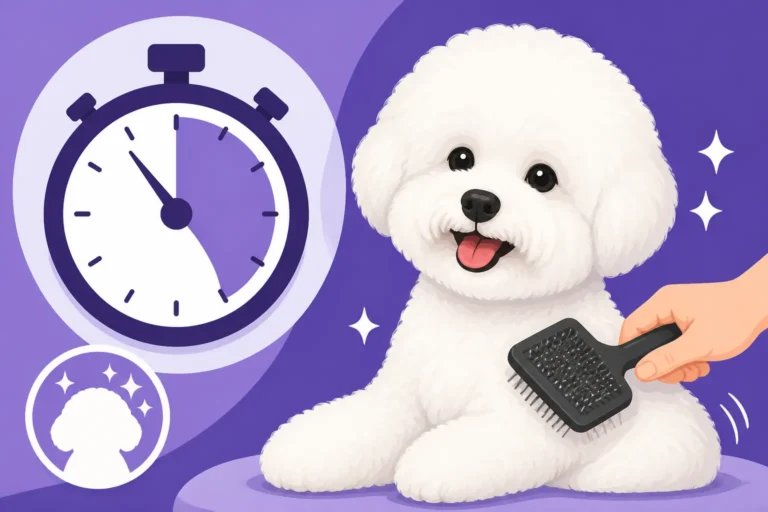
To keep that powder puff looking fresh, daily brushing is absolutely non-negotiable. Even if your Bichon hasn't been bathed, loose hairs can quickly get trapped in their dense double coat, leading to mats. A quick 10-15 minute daily session with your slicker brush and metal comb will prevent the vast majority of matting. Focus on areas prone to tangles: behind the ears, in the armpits, around the collar line, and on the legs. Whether Home Brushing Makes Salon Visits Easier is definitely true – a well-maintained coat is a groomer's dream and can even reduce your professional grooming costs.
Beyond brushing, spot drying is key. Bichons love to drink, and their beards often get wet. They also tend to splash in puddles or get damp paws on walks. Any time your Bichon's coat gets wet, even just a small section, it should be thoroughly dried with a cool, low-velocity dryer and brushed out. Ignoring damp spots, especially those that curl up, is a fast track to matting. A quick comb-out after any dampness will prevent the hair from drying into a tight, uncomfortable knot.
Protecting the Coat from Moisture
Your Bichon's white, fluffy coat is like a magnet for dirt and moisture, both of which can compromise that pristine powder puff. Protecting their coat from the elements and everyday dampness is vital. On rainy or snowy days, consider a dog raincoat to minimize the amount of water absorbed by their fur. For walks, especially in damp conditions, paw booties can protect their delicate foot fur from getting wet and dirty, which can otherwise lead to staining and matting.
Indoors, think about practical solutions. For instance, a snood (a fabric tube worn over the ears and beard) can keep your Bichon's facial hair dry while they eat or drink, preventing staining and matting around the muzzle. You can find these handy accessories, along with other protective gear, on pet supply websites like Chewy or Amazon. Remember, prevention is far easier than trying to fix a matted or stained coat after the fact, especially considering What a Bichon Frise Costs a Year to Keep, making efforts to protect the coat a smart investment.
Tips for a Lasting Look
To ensure your Bichon's powder puff lasts as long as possible, a few extra tips can make a world of difference. Firstly, be mindful of their collars and harnesses. Tight or constantly rubbing collars can flatten the fur and create friction mats. Consider a wider, softer collar, or a harness that distributes pressure gently and is regularly adjusted. Secondly, supervise playtime, especially with other dogs or boisterous activities, as rough play can quickly tangle and flatten a freshly fluffed coat.
Lastly, consider the surfaces your Bichon rests on. Soft, clean bedding will help maintain the coat's integrity, whereas rougher textures might contribute to matting or breakage. Specialized grooming sprays, used lightly, can also help maintain the coat's structure and add a layer of protection between full grooms. By being proactive and incorporating these small habits into your daily routine, you can keep your Bichon Frise looking beautifully fluffed and fabulous between those more intensive grooming sessions.
Disclaimer
This article is for general informational purposes only and does not constitute professional advice. Laws, prices and regulations vary by location and change over time. Consult a qualified professional for guidance on your specific situation.