Why the Bichon Frise Outline Matters to a Groomer
One of the most common head-scratchers for Bichon Frise parents is understanding why their groomer is so particular about their dog's shape. You might just want your beloved floof to be clean and tidy, but your groomer often has a very specific "vision" in mind. This guide dives deep into why that classic Bichon Frise outline isn't just about aesthetics for show dogs, but genuinely matters for your pet's health, comfort, and why professional groomers are so passionate about getting it just right.
Understanding the Bichon Frise Breed Standard Outline
When you look at a perfectly groomed Bichon Frise, what do you see? Often, it's that iconic, marshmallow-like silhouette, a fluffy cloud on four legs. This isn't just a stylistic choice; it's deeply rooted in the breed's history and its official standard, which serves as a blueprint for the ideal Bichon. Many owners might not realize the meticulous detail that goes into maintaining this look, and how it impacts more than just appearances.
What the "Powder Puff" Really Means
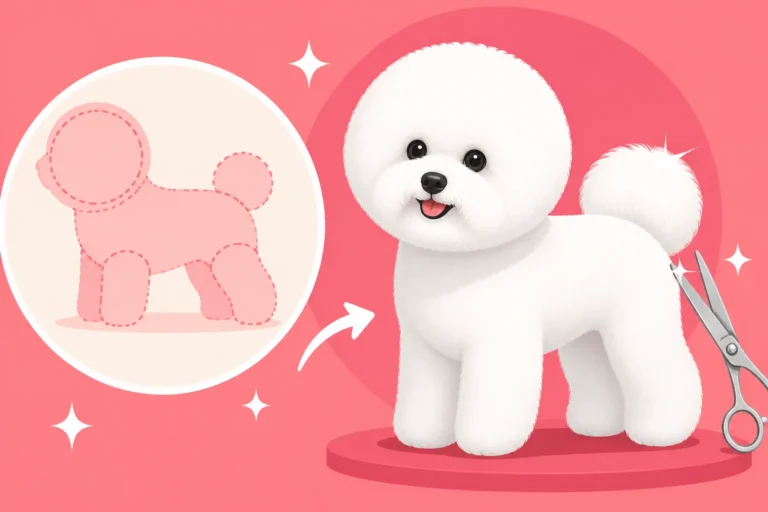
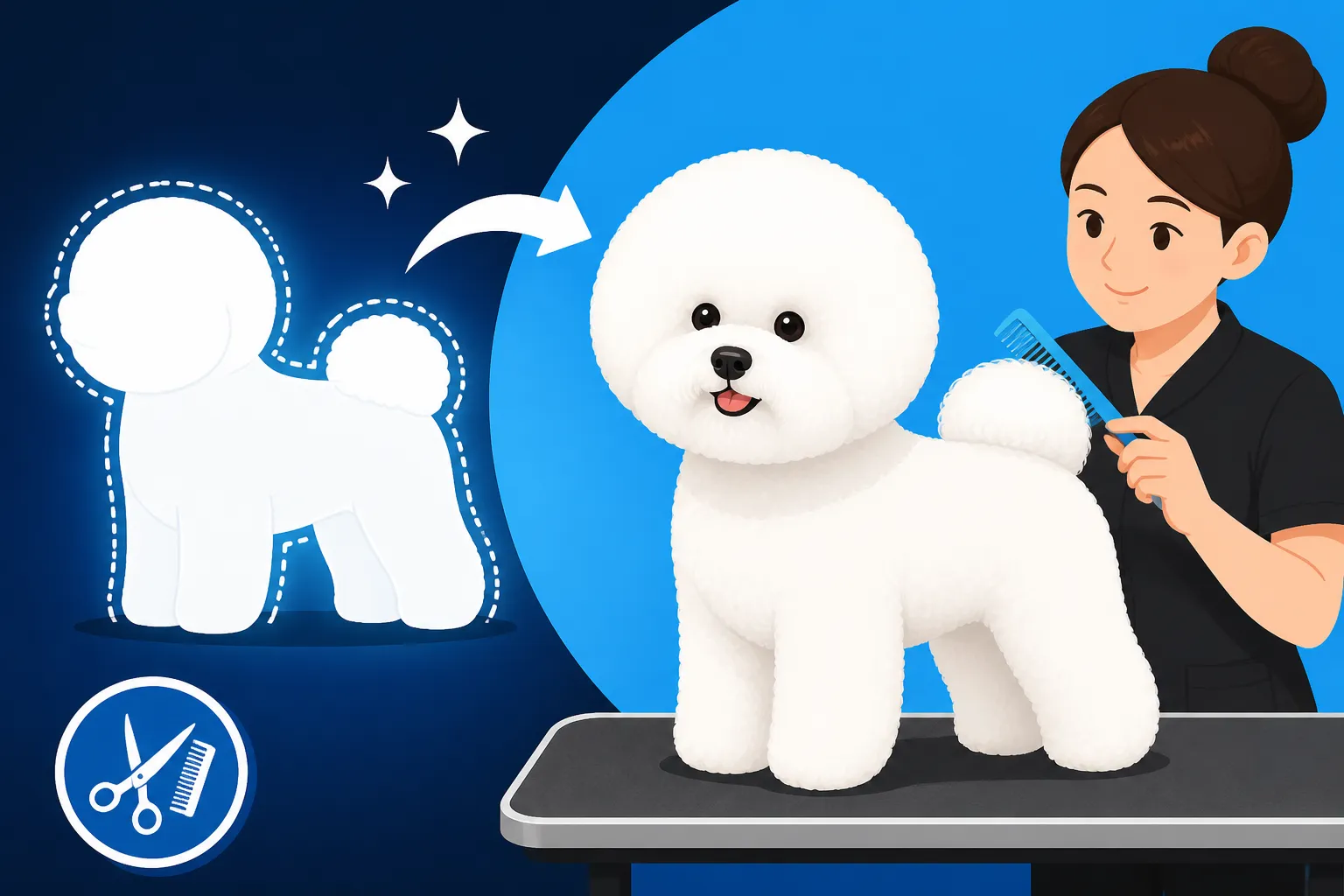
The term "powder puff" is often used to describe the quintessential Bichon Frise haircut, and it’s truly an art form. It's not about clipping the dog short or just evening out the fur. Instead, it involves carefully scissoring the coat into a soft, rounded contour that frames the body, giving the impression of a living, breathing cloud. This includes the distinct round head, blending seamlessly into the neck and body, with well-rounded legs and a fluffy tail curving gracefully over the back. This specific shape accentuates the Bichon's naturally merry and playful disposition, making them look like animated cotton balls.
Achieving this "powder puff" look requires immense skill, patience, and a deep understanding of canine anatomy. It means paying attention to how the coat grows, the texture of the fur, and how to create volume and softness while maintaining a crisp, clean outline. For a professional groomer, mastering this trim is a hallmark of their craft, showcasing their ability to transform a shaggy dog into a picture-perfect example of the breed. It's more than just a haircut; it's a sculptural process that brings out the very essence of the Bichon.
Why the Breed Standard Guides Grooming
The breed standard for the Bichon Frise, set by kennel clubs, dictates everything from temperament to coat texture, and yes, even the preferred grooming style. While your pet Bichon doesn't need to conform to show ring perfection, the standard serves as a guide for groomers on what the breed's coat is meant to look like and how it functions. This isn't about being snobby; it's about understanding the breed's unique coat type and how best to care for it. The standard emphasizes a double coat that is soft, dense, and curly, providing that distinctive "powder puff" appearance.
Adhering to the breed standard, even for a pet trim, helps groomers maintain the integrity of the Bichon's coat. For instance, knowing the coat should have a certain length and texture guides decisions on blade choices and scissoring techniques. Deviating too much, such as shaving the body too short without proper blending, can fundamentally alter the coat's structure, making future grooming more challenging and potentially leading to coat problems. Why a Groomer Scissors a Bichon Frise Instead of Clipping It delves deeper into these specific techniques. It's about respecting the dog's natural attributes and ensuring their coat is cared for in a way that aligns with its genetic makeup.
The Practical Side of the Bichon Outline for Health and Comfort
Beyond just looking good, maintaining the correct Bichon Frise outline has significant health and comfort benefits for your furry friend. While a "cute" haircut might seem harmless, certain styles can inadvertently lead to problems, especially with a coat as dense and curly as a Bichon's.
Preventing Mats and Skin Issues
The Bichon's famous curly, non-shedding coat is a double-edged sword. While it’s wonderful for allergy sufferers, it’s a magnet for mats if not groomed properly. The "powder puff" outline, maintained with regular scissoring, actually helps manage this. When the coat is scissored to a specific length and shape, it's easier to brush through thoroughly, reaching down to the skin. This prevents the loose hairs, which would normally shed, from becoming tangled and forming tight, painful mats that pull on the skin.
Mats aren't just unsightly; they can be incredibly painful and lead to serious skin issues. Trapped moisture under mats can cause skin infections, yeast overgrowth, and hot spots. Severe matting can restrict movement and even cut off circulation. A groomer who understands the Bichon outline is not just styling your dog; they are actively working to prevent these painful conditions by keeping the coat at a manageable length and texture that discourages mat formation. Regular professional grooming, often every four to six weeks, is crucial to stay ahead of matting. You can find essential grooming tools on sites like Amazon or Chewy to help with daily maintenance at home.
Maintaining Hygiene and Mobility
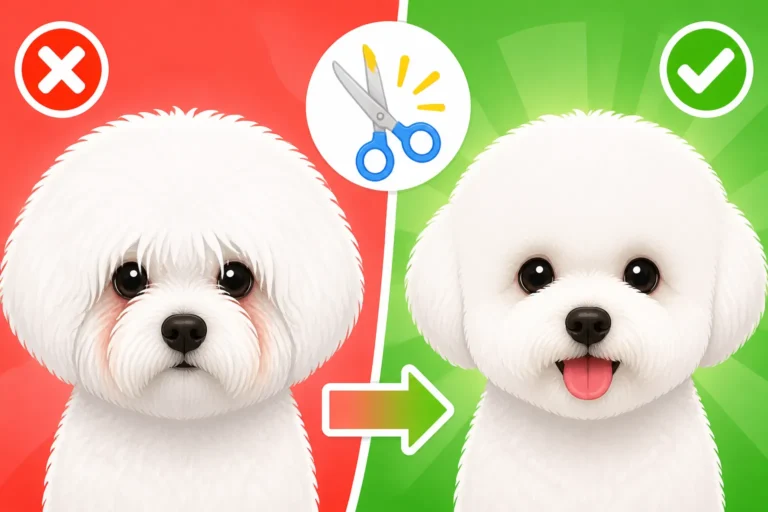
The thoughtful outline of a Bichon Frise also plays a vital role in their overall hygiene and mobility. Areas like the sanitary region, paw pads, and around the eyes and ears are particularly important. A well-executed trim ensures that the hair in these areas is kept short and neat, preventing accumulations that can lead to infections or discomfort. For instance, keeping the hair around the eyes short minimizes tear staining and prevents hair from irritating the eyes, which can lead to ulcers. The Tear Stains Under a Bichon Frise's Eyes discusses this issue in more detail.
Similarly, neatly trimmed paw pads prevent debris from getting stuck, which can cause discomfort or even infections. Excess hair between the pads can also make walking on slippery surfaces difficult, impacting their balance and potentially leading to injuries, especially in older dogs. The overall rounded body shape, while fluffy, should still allow for free movement of limbs. If the coat becomes too long or unruly, it can impede their natural gait, making simple acts like running and playing less enjoyable. A skilled groomer ensures your Bichon is not only adorable but also able to move freely and stay clean between baths.
The Art and Skill Behind Achieving the Bichon Outline
Achieving the iconic Bichon Frise outline is far from a simple trim. It’s an art form that demands specialized tools, advanced techniques, and a profound understanding of the breed's unique coat. This is where the true value of a professional groomer, especially one experienced with Bichons, becomes evident.
The Tools and Techniques of a Professional Groomer
You might be surprised by the array of tools a groomer uses to create that perfect Bichon look. It’s not just a pair of clippers and some scissors. Professionals rely on a specialized arsenal, including various types of shears (straight, curved, thinning), high-velocity dryers, and a range of brushes and combs. The process often begins with a thorough bath using appropriate shampoos and conditioners, followed by meticulous drying. The high-velocity dryer is essential not just for speed, but to straighten the curly coat strands, allowing for precise scissoring. Without proper drying and brushing, the coat won't lay correctly, and the rounded "powder puff" shape cannot be achieved.
Once the dog is clean and thoroughly dried, the real artistry begins with scissoring. This technique requires a steady hand, an eye for symmetry, and the ability to sculpt the coat freehand. Curved shears are often used to create the signature round head and body contours, while straight shears perfect the lines and blend transitions. Thinning shears help soften harsh edges and create that fluffy, cloud-like texture without removing too much length. It’s a painstaking process that can take a skilled groomer a significant amount of time, but the result is a beautifully balanced and shaped Bichon.
Why Scissoring is Key and Clipping Isn't Always Enough
While clippers might seem like a quicker solution, especially for owners seeking a low-maintenance "shave down," scissoring is absolutely fundamental to maintaining the true Bichon Frise outline and coat health. Clippers cut hair uniformly and can leave a much harsher, blockier look that doesn't capture the breed's soft, rounded essence. More importantly, using clippers too frequently or with the wrong blade length can damage the delicate undercoat and topcoat, sometimes leading to "clipper alopecia" where the hair grows back slowly, patchily, or with a different texture. This is especially true for Whether a Clipped Bichon Frise Loses Its Shape.
Scissoring, on the other hand, allows the groomer to hand-sculpt the coat, following the natural lines of the dog's body while maintaining length and volume. It creates a softer, more natural finish that blends seamlessly, giving the coat that springy, cloud-like appearance unique to the Bichon. It preserves the coat's texture and integrity, allowing it to grow back correctly. While some areas, like the sanitary region or paw pads, might see a clipper for hygiene, the majority of the body and face work for the "powder puff" is done meticulously with scissors. This dedication to technique is why you often see a higher price point for a full Bichon groom – you're paying for skill, not just a haircut.
Communicating with Your Groomer About the Bichon Look
Open and honest communication with your groomer is paramount to ensuring your Bichon Frise always looks their best and that their grooming experience is a positive one. Understanding the groomer’s perspective on the breed standard, while also conveying your own preferences for your pet, is key to a successful partnership.
Balancing Breed Standard with Lifestyle
Many Bichon Frise owners love the "powder puff" look but might also have a very active pet who loves to roll in mud or simply gets tangled easily. This is where balancing the breed standard with your dog's actual lifestyle becomes important. You might adore the fluffy, rounded head, but if your dog is constantly getting food and debris stuck in their beard, a slightly shorter, more practical cut around the muzzle might be preferable for daily hygiene. Your groomer, while aiming for the ideal outline, should also be a partner in finding a style that works for both of you.
Don't be afraid to discuss your dog's daily activities, how much time you have for at-home brushing, and any specific concerns you have. A good groomer will listen and suggest modifications that maintain the spirit of the Bichon outline while making it more functional for your lifestyle. For example, they might suggest keeping the body a bit shorter than show length but still scissoring to maintain softness and shape, or tidying up the feet more frequently. It's about finding that sweet spot where your Bichon is comfortable, healthy, and still looks unmistakably like the charming breed you adore.
When a "Pet Trim" Still Respects the Outline
The term "pet trim" can sometimes be misleading, implying a quick, generic cut. However, for a skilled groomer, a Bichon's pet trim still means respecting the breed's unique outline, just perhaps in a slightly more practical and maintainable length. It's not about abandoning the "powder puff" entirely, but adapting it. A pet trim might feature a slightly shorter body length than a show dog, making brushing easier between grooms, but the key elements of the rounded head, full tail, and blended contours should still be evident. The goal is to keep the dog looking like a Bichon, not a generic white fluffy dog.
The distinction lies in the technique and the understanding of the coat. Even a shorter pet trim for a Bichon will ideally be largely scissored, or at least meticulously blended after clipping, to ensure that soft, fluffy texture and rounded appearance. A reputable groomer won't just buzz a Bichon down with clippers like they might a Poodle in a kennel clip, unless it’s absolutely necessary due to severe matting. They'll strive to achieve a balanced, aesthetically pleasing look that is easier for the owner to maintain, but still recognizably Bichon. Whether a Pet Trim Suits a Bichon Frise further explores this concept.
Here’s a quick comparison of the nuances between these grooming approaches:
| Feature | Show Trim (Powder Puff) | Pet Trim (Adapted Outline) | Shave Down (Emergency/Extreme Matting) |
|---|---|---|---|
| Length | Maximum length to achieve full, rounded look | Shorter body, but still leaving enough to sculpt and shape | Very short, often to the skin, due to necessity |
| Technique | Primarily scissored, meticulous hand-sculpting | Scissored for shape, may use clippers with longer guards for body | Primarily clippers with very short blades |
| Outline | Strict adherence to breed standard, perfectly rounded | Retains the essence of the Bichon outline, softer curves | Outline often sacrificed for practicality/health |
| Maintenance | Very high, daily intensive brushing, frequent professional grooms | Moderate to high, regular brushing, professional grooms every 4-6 weeks | Low (initially), but coat may grow back with altered texture |
| Aesthetics | Iconic, prize-winning "cloud-like" appearance | Charming, tidy, still recognizably Bichon Frise | Functional, prioritizes health over appearance |
| Primary Goal | Conformity to standard, visual perfection | Health, comfort, manageable aesthetics, practicality | Mat removal, skin health restoration, fresh start |
The Owner's Role in Maintaining the Bichon Frise Coat
While your groomer is a vital partner, the bulk of the responsibility for maintaining your Bichon Frise's coat falls to you, the owner, between professional appointments. Skipping daily care can not only ruin that beautiful outline but also lead to significant discomfort for your dog and more costly, difficult grooms.
Daily Brushing and Line Brushing Essentials
The most crucial aspect of Bichon coat care at home is diligent daily brushing. This isn't just a quick once-over; it's a technique known as "line brushing." Because the Bichon has a dense double coat that holds onto shed hair, you need to brush in layers, starting from the bottom and working your way up, ensuring your brush reaches all the way to the skin. Missing the undercoat or brushing only the top layer is the fastest way to develop mats close to the skin, which are the most painful and difficult to remove. A good slicker brush followed by a metal comb is indispensable for this task. Brands like Chris Christensen offer high-quality grooming tools that many Bichon owners swear by.
Imagine trying to brush a tangled ball of yarn – it's impossible without separating the strands. Your Bichon's coat is similar. You need to part the hair down to the skin, brush out that section, and then move up, layer by layer, until the entire dog is tangle-free. This routine, though time-consuming (often 15-30 minutes daily, depending on coat length), is what prevents matting and keeps your Bichon comfortable. Neglecting it means the groomer will face a matted coat, which might necessitate a complete shave-down, erasing that beautiful outline you both love. How Long Brushing a Bichon Frise Takes provides more insight into this daily commitment.
Recognizing When a Professional Groom is Due
Even with the most meticulous at-home brushing, a Bichon Frise will need professional grooming regularly. Their coat grows continuously, and that scissored outline will gradually get longer and lose its shape. Typically, a Bichon requires a full professional groom every four to six weeks. Waiting much longer than this, especially if you're not brushing diligently, can lead to serious matting and make the groomer's job much harder, potentially leading to extra charges or the necessity of a shorter cut than desired.
Learning to recognize the signs that your Bichon is due for a groom is crucial. Are you starting to find small tangles despite brushing? Is their coat looking shaggy and losing its defined shape? Are the hairs around their eyes and mouth getting long enough to bother them? These are all indicators. Regular maintenance not only keeps your dog looking great but also makes the grooming process less stressful for them, as they'll be accustomed to being handled and won't have to endure painful dematting sessions. Think of your groomer as a partner in your Bichon's overall well-being, not just a stylist. Scheduling recurring appointments with a trusted groomer, perhaps one listed on a local pet service directory or found through pet care sections on Chewy or Ollie, can take the guesswork out of it.
Disclaimer
This article is for general informational purposes only and does not constitute professional advice. Laws, prices and regulations vary by location and change over time. Consult a qualified professional for guidance on your specific situation.