Whether a Bichon Frise Objects to Its Feet Being Done
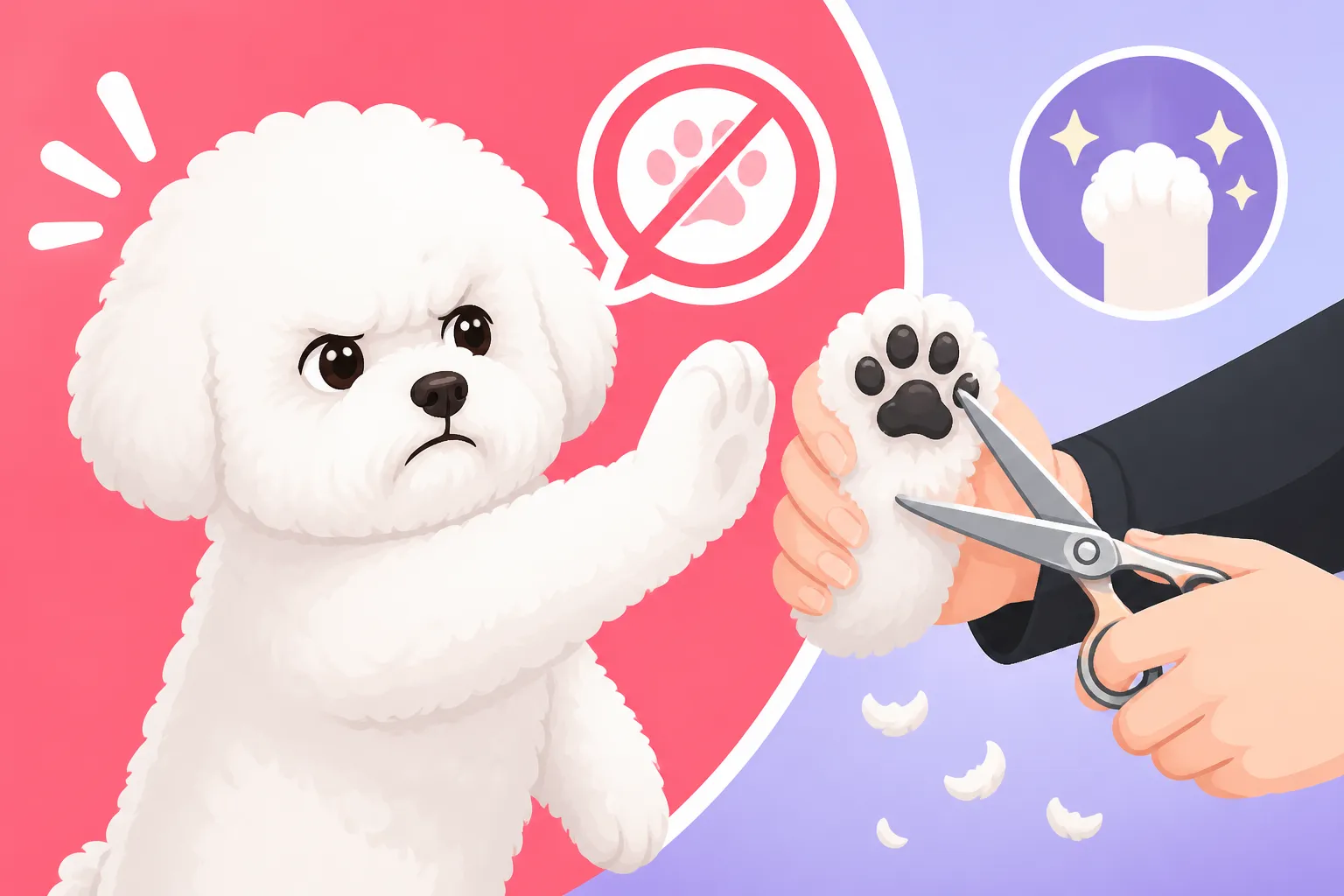
It’s a scenario many Bichon Frise owners know all too well: the moment you reach for those fluffy little paws, your sweet, cooperative companion suddenly transforms into a squirming, sometimes even nippy, ball of resistance. Getting their feet handled, whether for a quick trim of those ever-growing nails or a gentle comb-out, can feel like a wrestling match. This guide is here to help you understand why your Bichon might object to foot care and, more importantly, equip you with compassionate, effective strategies to make paw maintenance a calmer, more positive experience for both of you.
Why Bichon Frises Can Be Sensitive About Their Paws
Bichon Frises, with their dainty paws and often delicate disposition, can develop a strong aversion to having their feet touched. It's not usually about being "naughty"; often, it stems from a combination of their early experiences, potential physical discomfort, or even just their natural instincts. Understanding these roots is the first step toward building a more cooperative relationship.
Early Experiences and Socialization
Just like people, dogs form strong associations based on their early life. A Bichon Frise puppy who wasn't regularly and positively exposed to having their paws touched might naturally find it unsettling as an adult. Think about it: a puppy's feet are incredibly sensitive. If every time someone grabbed their paw it was a quick, slightly uncomfortable nail trim, or if they were never taught that paw handling could be gentle and rewarding, they learn to brace for an unpleasant experience. This lack of positive conditioning during the crucial socialization period, typically before 16 weeks, can set the stage for a lifetime of resistance. Even if you got your Bichon as an adult, past experiences – or lack thereof – will shape their current reactions. Some puppies, especially those from less-than-ideal breeding situations, may never have experienced gentle handling at all, making the process even more challenging from the start. A solid foundation during The First Year With a Bichon Frise Puppy is invaluable for all aspects of their care.
Physical Discomfort or Pain
Sometimes, your Bichon's objection isn't just behavioral; it could be rooted in genuine physical discomfort. Their little paws are constantly on the go, navigating various terrains, and they can be prone to issues. Overgrown nails, for instance, can put pressure on their paw pads, making walking uncomfortable and touching painful. Imagine trying to walk with shoes that are too tight; that's often what long nails feel like to a dog. Furthermore, conditions like arthritis, particularly common in older Bichons, or even minor sprains or strains from playful antics, can make their paws extra sensitive. If you notice a sudden change in their willingness to have their feet handled, or if they start limping, licking their paws excessively, or favoring a particular foot, a vet visit is absolutely in order. What might seem like stubbornness could very well be a cry for help from a painful paw. Whether a Bichon Frise With Sore Paws Refuses Nail Trims is a very real concern, and pain should always be ruled out first.
Natural Instincts and Prey Drive
While Bichons are far removed from their wild ancestors, some primal instincts can still play a role. Many dogs, especially smaller breeds, have a natural instinct to protect their vulnerable areas. Their paws, while used for movement, are also surprisingly defenseless. In the wild, an injured paw could mean a death sentence, so there's an ingrained caution. Additionally, the act of restraining or holding a paw can trigger a sense of being trapped or vulnerable, which some dogs instinctively resist. They might not understand that you're trying to help them; they just feel confined. Their small size can also make them feel more vulnerable, leading to a heightened sense of caution when being manipulated. This isn't unique to Bichons, but combined with other factors, it can contribute to their strong objections to foot handling.
Common Reasons for Resistance During Foot Care
Beyond general sensitivity, there are specific aspects of routine foot care that often lead to resistance. Understanding these triggers can help you modify your approach and make the experience less stressful for your fluffy friend.
Nail Trimming Trauma
Ah, the dreaded nail trim. For many Bichons, this is the biggest source of paw anxiety. The quick, that sensitive blood vessel within the nail, can be easily nicked, especially on white nails where it's harder to see. A single "quick" incident can be incredibly painful and frightening, creating a lasting negative association. Your Bichon remembers that sharp pain and the sudden jolt, and they learn to anticipate it every time the clippers come out. This can lead to a dog who struggles, pulls away, or even snaps, not out of malice, but out of fear and a desire to avoid pain. Even the vibration or sound of clippers can become a trigger. This isn't just limited to professional grooming sessions; home attempts can also contribute to this trauma. It’s why Whether a Bichon Frise Learns to Fear the Groomer After Pain is such a critical consideration, and why gentle handling and positive experiences are paramount.
Matting and Skin Irritation
Bichons are famous for their beautiful, non-shedding coats, but this also means they are highly prone to matting, especially around their paws and between their toes. If left unchecked, these mats can pull at the skin, causing significant discomfort and even painful skin infections. Imagine having a tight knot constantly tugging at your skin – it's no wonder your Bichon might object when you try to touch it. Furthermore, constant licking or environmental allergies can lead to skin irritation, redness, or even yeast infections between their paw pads. When these areas are inflamed, any touch can be painful. If your Bichon's feet are often stained brown, this could be a sign of excessive licking and yeast. In such cases, trying to brush or trim their feet without addressing the underlying skin issue is a recipe for disaster. Whether Treating the Skin First Makes Grooming Possible is a valid point; a comfortable dog is a cooperative dog. Regularly brushing their coat, including their legs and feet, is crucial, and it doesn't take as long as you might think. How Long Brushing a Bichon Frise Takes often depends on consistency.
General Anxiety and Lack of Conditioning
Sometimes, the resistance isn't tied to a specific traumatic event but rather a general lack of positive conditioning around handling their feet. If your Bichon was never gradually introduced to having their paws touched, held, and manipulated in a calm, rewarding way, they might simply find it strange or intrusive. This can manifest as general anxiety during grooming or vet visits, where paw handling is a necessary part of the examination. They might pull away, whine, or simply try to hide their paws. This isn't necessarily fear of pain, but a lack of understanding and comfort with the process. For some Bichons, their merry temperament may make them seem perpetually happy, but even they can harbor anxieties if not properly socialized and conditioned. For those who want a structured approach to early training, programs like those offered by BAXTER & Bella can provide excellent guidance on foundational puppy behaviors, including comfortable handling.
Strategies to Help Your Bichon Accept Foot Handling
So, how do you turn the tide and make paw care less of a battle? It's all about patience, positive reinforcement, and a consistent approach. These strategies focus on rebuilding trust and creating positive associations.
Gradual Desensitization and Positive Reinforcement
This is the cornerstone of making foot care enjoyable. The idea is to slowly introduce paw handling, pairing it with something your Bichon loves, like high-value treats or praise. Start small:
- Touch and Treat: Lightly touch your Bichon's paw, immediately say "good" or "yes," and give a treat. Repeat this many times over several short sessions.
- Increase Duration: Gradually increase the duration of the touch – from a quick tap to holding the paw for a second, then two, and so on. Always follow with a reward.
- Manipulate: Once they're comfortable with holding, start gently manipulating individual toes, then the pads, again, always pairing it with treats.
- Introduce Tools (unpowered): Bring out the clippers or grinder, let them sniff it, touch their paw with the unpowered tool, and treat. The goal is to make the tool a predictor of good things, not scary things.
- Simulate Action: Once they are okay with the presence of the tool, gently press the clippers together next to their paw (without actually trimming) to get them used to the sound and sensation.
This process should be incredibly slow and always stop before your Bichon shows signs of stress. Never force it. If they pull away, you've gone too far too fast. Revert to an easier step. A good online resource, like a reputable course from BAXTER & Bella, can walk you through these steps in detail, often providing video demonstrations to ensure you're doing it correctly.
Choosing the Right Tools and Techniques
The tools you use and how you use them can make a huge difference. For nail trimming, there are two main options: clippers or a dremel/grinder.
- Clippers: Make sure they are sharp and the right size for your Bichon's nails. Dull clippers crush the nail, which is painful. There are scissor-style and guillotine-style clippers; some owners find one easier than the other.
- Dremel/Grinder: Many Bichons tolerate a grinder better because it removes small amounts of nail gradually, reducing the risk of hitting the quick. However, the sound and vibration can be intimidating initially, so careful desensitization is key.
When trimming, take off tiny slivers at a time. It’s better to do many small trims frequently than one big, traumatic one. Always have styptic powder on hand just in case you do nick the quick, as this helps stop bleeding quickly and reduces their discomfort. For brushing their feet, a small slicker brush followed by a greyhound comb can work wonders for preventing mats. Which Brush Suits a Bichon Frise can make a huge difference in comfort. You can find a wide variety of these grooming tools on platforms like Amazon, making it easy to experiment and find what works best for your dog.
Seeking Professional Guidance
If your Bichon's resistance is severe, involves aggression, or you're simply feeling overwhelmed, don't hesitate to seek professional help.
- Veterinarian: Rule out any underlying medical conditions causing pain or discomfort. Your vet can also offer advice on calming aids or techniques if anxiety is high.
- Professional Groomer: A skilled groomer, especially one with experience with anxious dogs, can be a godsend. They often have specialized equipment, techniques, and the patience to work through resistance. Many offer "happy visits" where your Bichon comes in just for positive exposure, without full grooming. Regular grooming sessions every How Often a Bichon Frise Needs Grooming can help keep their paws in good condition and make handling more routine.
- Certified Professional Dog Trainer (CPDT): A trainer specializing in fear-free techniques can guide you through desensitization and counter-conditioning protocols specific to your dog's needs. They can also help address any general anxiety or behavioral issues that might be contributing to the paw-handling problem. They can help you implement strategies learned from resources like BAXTER & Bella with practical, hands-on application.
Maintaining a Positive Foot Care Routine
Once you've made progress, consistency is vital to ensure your Bichon continues to be comfortable with paw handling. This isn't a one-and-done solution; it's an ongoing commitment.
Regularity is Key
Infrequent foot care only reinforces the idea that it’s an unpleasant, rare event. Aim for daily, brief sessions of paw handling, even if it’s just a quick touch and treat. This keeps the positive association fresh and prevents them from "forgetting" their training. For nail trims, consider trimming a tiny bit off one or two nails every few days, rather than trying to do all of them in one go. This keeps the nails short and reduces the likelihood of quicking. Regular brushing of their paws and between their toes also prevents matting, which in itself reduces discomfort during handling and full grooms. Establishing a regular routine, even for just five minutes a day, will yield significant results.
Making it a Fun, Bonding Experience
Shift your mindset from "I have to do this" to "this is a chance to bond and build trust." Approach each session with a calm, happy demeanor. Use a cheerful voice, offer lots of praise, and make sure the treats are truly irresistible. You can even incorporate paw handling into playtime – gently touch a paw during a game of fetch, followed by a reward. This helps your Bichon see paw care not as a chore or a threat, but as another positive interaction with their favorite human. Remember, their The Merry Temperament the Bichon Frise Standard Demands means they thrive on positive interaction and praise. Building this positive association can actually strengthen your bond, rather than creating tension.
Recognizing Underlying Issues
Always be observant. If your Bichon, who was once tolerant, suddenly starts resisting, or if their aversion seems to worsen despite your efforts, it’s a red flag.
- New Pain: Could they have stepped on something, have a splinter, or developed a mild sprain? Check carefully between their pads.
- Skin Problems: Is there redness, swelling, or odor indicating an infection or irritation?
- Anxiety: Is there something new in their environment causing general stress that makes them less tolerant?
- Environmental Factors: Even things like Whether Slippery Floors Hurt a Bichon Frise can impact paw sensitivity, as they might be compensating for instability.
Never ignore persistent resistance. It's your Bichon's way of communicating that something is wrong. A quick check-up with your vet can often identify and resolve these issues, making paw care a much easier task once the underlying problem is addressed. Investing in a What a Home Grooming Kit Costs a Bichon Frise Owner will give you the tools to keep their paws in top condition between professional grooms.
| Aspect of Foot Care | Common Bichon Frise Objection | Recommended Strategy |
|---|---|---|
| Nail Trimming | Fear of pain, quicking | Gradual desensitization, sharp tools, small trims, styptic powder, consider grinder |
| Paw Pad Brushing/Combing | Mats, skin irritation | Regular brushing (slicker & comb), gentle detangling, check for skin issues |
| General Paw Handling | Intrusive, confinement | Touch-and-treat, positive reinforcement, short sessions, build positive associations |
| Washing/Drying Paws | Wetness, loud dryer | Introduce water gradually, gentle towel drying, low dryer settings, make it fun |
Ultimately, helping your Bichon Frise accept foot handling is a journey that requires patience and empathy. By understanding why they might object and implementing positive, consistent strategies, you can transform what was once a stressful ordeal into a routine part of their happy, healthy life.
Disclaimer
This article is for general informational purposes only and does not constitute professional advice. Laws, prices and regulations vary by location and change over time. Consult a qualified professional for guidance on your specific situation.