Whether a Bichon Frise Rests Enough After Stone Surgery
Bringing your beloved Bichon Frise home after stone surgery is a huge relief, but it often quickly turns into a new kind of anxiety: are they resting enough? It’s completely natural to worry about their recovery, especially when your normally energetic fluffball seems a bit too eager to bounce back, or perhaps too lethargic. This comprehensive guide will help you understand why proper rest is crucial, how to tell if your Bichon is getting what they need, and practical ways to support their recovery, ensuring they heal completely and comfortably.
The Absolute Necessity of Rest After Bichon Frise Stone Surgery
It’s easy to think once the surgery is done, the hardest part is over. And in many ways, it is! But the recovery period is just as, if not more, critical for your Bichon Frise's long-term health and preventing complications. Their little body has been through a significant procedure, and allowing it the time it needs to mend is paramount.
Why Your Bichon Needs Strict Rest to Heal
Think about how you feel after surgery – you're often advised to take it easy, right? The same goes for your Bichon, perhaps even more so because they don't understand the concept of "taking it easy." During stone surgery, the vet makes an incision, usually in the abdomen, to access the bladder and remove those pesky stones. This involves cutting through muscle layers and, of course, the bladder wall itself. All of these tissues need to heal, and that healing process requires a lot of energy and minimal strain.
Rest allows the body to redirect its resources towards cellular repair, reducing inflammation and preventing unnecessary tension on the stitches. Internally, the bladder wall needs to knit back together strongly to avoid leaks or further issues. Externally, the skin incision also needs to close up neatly. Any vigorous activity can pull at these healing tissues, setting back recovery or worse. It's not just about the external stitches you can see; the internal healing is even more vital and vulnerable. Understanding What Stone Surgery Involves on a Bichon Frise can help clarify the extent of internal healing needed.
The Risks of Overactivity and Not Resting Enough
When a Bichon Frise doesn't get adequate rest after stone surgery, they're not just delaying their recovery; they're putting themselves at risk for serious complications. The most immediate concern is the integrity of the incision site. Jumping, running, or even stretching too vigorously can cause the external stitches to break open, a painful and messy situation that often requires another trip to the vet for repair. But the internal risks are even more alarming.
The bladder wall, still fragile, can rupture or leak urine into the abdominal cavity if too much pressure is applied, leading to peritonitis – a life-threatening infection. Bleeding can also occur if blood vessels are disturbed before they've had a chance to fully clot and heal. Beyond immediate dangers, inadequate rest can lead to prolonged pain, increased swelling, and a slower, more uncomfortable recovery overall. It can even impact long-term outcomes, potentially contributing to scar tissue formation that could cause future issues, or making your Bichon more susceptible to new stone formation if their urinary tract doesn't heal optimally. Essentially, not resting enough can undo all the good the surgery intended to achieve.
Recognizing True Rest vs. Fidgety Boredom in Your Recovering Bichon
One of the trickiest parts of post-operative care is interpreting your Bichon's behavior. Are they truly resting, or are they just bored and subtly pushing their limits? Bichons are smart and can be quite adept at getting their way, even when they're supposed to be taking it easy.
Spotting the Signs of Adequate Rest
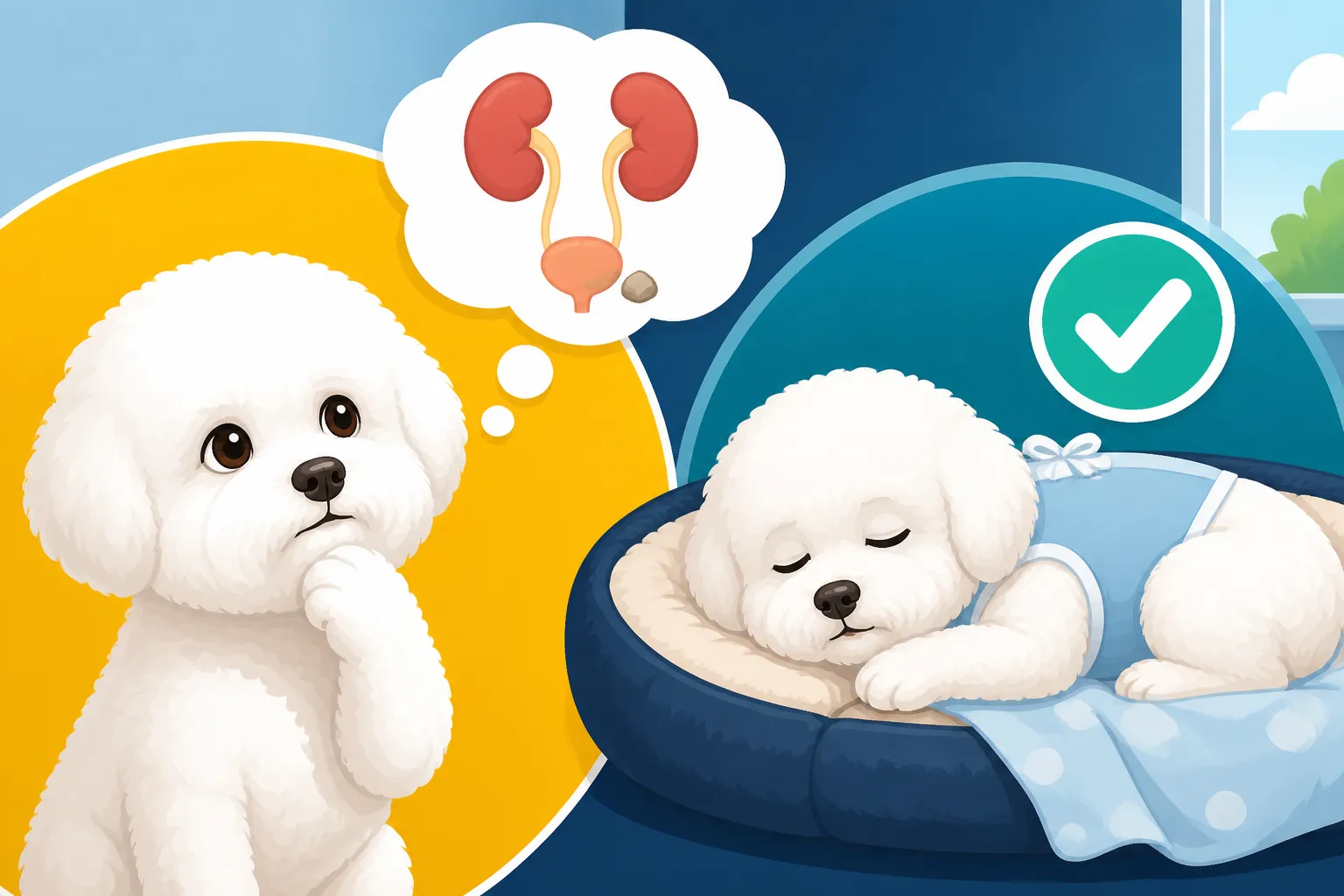
A Bichon Frise who is truly resting will exhibit calm and relaxed behaviors. This usually means a lot of sleeping, especially during the first few days after surgery. They might nap soundly for hours, often curled up comfortably. When awake, a well-rested Bichon will be quiet, perhaps observing their surroundings calmly from their bed. Their breathing should be even and relaxed, not panting or rapid unless they've just had a short, controlled potty break. They might show interest in a gentle stroke or a quiet interaction, but won't be demanding vigorous play or attention.
Their appetite should slowly return to normal, and they should be drinking water consistently, which is crucial for preventing future stones. If they are on pain medication, they should appear comfortable and not show signs of discomfort when moving slowly or being gently handled. A good indicator is their overall demeanor: a soft gaze, relaxed posture, and an acceptance of their limited activity. They might still get up for a stretch or a sniff around a very small, confined area, but these movements should be deliberate and unhurried. For an owner, observing these subtle cues means you're doing a great job managing their recovery.
When "Playful" Becomes Problematic
Bichons are known for their playful, sometimes mischievous nature, and their famous "Bichon Blitz" or "zoomies." While endearing, these traits can be a real headache during recovery. "Playful" becomes problematic when your Bichon starts to show signs of restlessness, excessive energy, or attempts to engage in activities that could jeopardize their healing. This might include trying to jump on or off furniture, attempting to run or pounce, or even just constantly shifting positions and whining if they are confined. If they're trying to chew at their incision or endlessly licking, it's a huge red flag that they aren't resting enough and are likely irritated or uncomfortable. You might need to invest in a protective collar, and many owners find great options on Amazon, from traditional cones to softer, inflatable versions.
A Bichon who is fidgety might get up and lie down repeatedly, pace, or refuse to settle in one spot. They might nudge toys or try to initiate play with other pets or family members. These are all signs that their activity level is too high, and the internal and external stitches are under undue stress. It's vital to differentiate between a healthy, gradual return to energy and behaviors that risk reopening wounds or internal damage. Ignoring these signs can lead to setbacks, extended recovery times, or even another surgery. Knowing Whether a Bichon Frise Licks a Surgical Wound is a good indicator of discomfort or irritation.
Practical Strategies for Encouraging Your Bichon to Rest
Encouraging a lively Bichon Frise to rest can feel like trying to convince a toddler to take a nap after a sugary snack. It requires patience, consistency, and a well-thought-out environment.
Creating the Ideal Recovery Environment
The first step is to establish a calm, safe, and confined space for your Bichon. This usually means strict crate rest or using a small playpen. This isn't a punishment; it's a crucial part of their healing. The space should be warm, quiet, and away from high-traffic areas of the house where they might get excited or feel left out. A comfortable, soft bed is essential, as they'll be spending a lot of time on it. You can find excellent orthopedic dog beds and sturdy crates on Amazon. Consider placing their water bowl and food dish within easy reach, perhaps slightly elevated if that's more comfortable for them.
Limiting access to stairs, slippery floors, and furniture is also key. Use baby gates or block off rooms if necessary. If you have other pets, ensure they understand to give your recovering Bichon space. Supervised interactions, if allowed by your vet, should be calm and brief. The goal is to minimize any opportunity for them to suddenly jump, run, or twist. Consistent visual reminders, like a "Do Not Disturb" sign for family members, can help reinforce the message of quiet and calm. Remember that creating this environment is a temporary measure, but it's vital for their full recovery.
Gentle Mental Stimulation and Avoiding Boredom
While physical rest is paramount, mental stimulation is equally important to prevent boredom from leading to destructive or restless behavior. A bored Bichon is a troublemaker, and that's the last thing you need right now. Gentle, low-impact activities are your best friend.
- Chew Toys: Offer appropriate chew toys that don't encourage excessive movement. Soft rubber toys or puzzle feeders that dispense treats slowly can keep their minds engaged. Just ensure they aren't so hard that they might strain their neck or jaw, or so enticing they cause a "Bichon Blitz" of excitement.
- Quiet Cuddle Time: Spend short, frequent periods just sitting with your Bichon, offering gentle pets and soft words. This provides comfort and strengthens your bond without encouraging physical activity.
- Window Watching (Supervised): If their crate or playpen can be safely positioned near a window where they can watch the world go by without getting overly excited, this can provide passive entertainment. Be mindful of potential triggers like squirrels or other dogs that might cause them to bark or lunge.
- Calming Music or Podcasts: Some dogs respond well to classical music or audiobooks, which can create a soothing atmosphere.
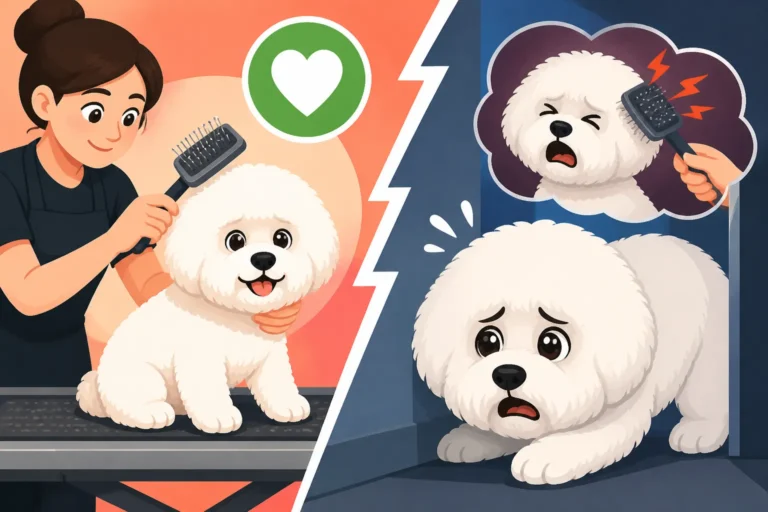
- Soft Brushing: If your Bichon tolerates it, gentle brushing can be calming and help maintain their coat. It's a low-impact way to interact.
For those who have invested in positive reinforcement training, resources like BAXTER & Bella can offer ideas for gentle mental games or short, calm training refreshers that can be done from a stationary position. The key is engagement without exertion.
Managing Potty Breaks and Limited Activity
Potty breaks are a necessary exception to strict rest, but they must be managed carefully. Your vet will likely advise short, controlled leash walks for bathroom purposes only. This means no off-leash romping, no running, and no sniffing around for extended periods.
- Leash Protocol: Always use a leash, even in a fenced yard, to maintain control and prevent sudden bursts of speed. A harness is often recommended over a collar to avoid pressure on the neck if they pull, especially important for breeds like Bichons that can be prone to Whether a Bichon Frise Gets a Collapsing Trachea.
- Frequent, Short Trips: Take them out more frequently than usual to reduce the chances of accidents indoors and the urgency that might lead to rushing. Each trip should be just long enough for them to relieve themselves, then it's straight back inside to their recovery zone.
- Support: For the first few days, your Bichon might need a sling or a towel placed under their abdomen to support their body weight and prevent straining during squatting. Always check with your vet if this is appropriate for your dog.
- Monitor Output: Keep an eye on their urine stream and consistency. Any straining, frequent squatting with little output, or blood in the urine should be reported to your vet immediately, as these could be signs of complications like The First Signs a Bichon Frise Has Stones returning or an infection.
- No Jumping: Absolutely no jumping up or down stairs, onto furniture, or in and out of cars. You will need to lift and carry them if these situations arise. This protects the incision and prevents any sudden jolts to their healing bladder.
The duration of these restricted activities will be guided by your veterinarian, but generally, expect at least two to three weeks of strict confinement before gradually reintroducing more movement. This careful management of potty breaks is fundamental to their safe and successful recovery.
What to Do When Rest Isn't Happening and When to Call the Vet
Despite your best efforts, sometimes a Bichon Frise just won't cooperate with rest. Knowing how to troubleshoot common issues and, more importantly, when to escalate to professional help, is vital.
Common Challenges and How to Address Them
It’s completely normal for a recovering Bichon to present challenges. Here are a few common ones and how to handle them:
- Excessive Licking or Chewing at the Incision: This is one of the most common and dangerous issues. If your Bichon is constantly trying to get at their stitches, they absolutely need an Elizabethan collar (E-collar), often called a "cone of shame." While they might hate it, it's non-negotiable for protection. Many vets provide traditional plastic cones, but you can also find softer, inflatable, or fabric E-collars on Amazon that some dogs tolerate better. Make sure whatever you use is effective and doesn't allow them to reach the wound. Learning Whether a Bichon Frise Wears a Recovery Suit might be an alternative solution for some dogs.
- Restlessness and Whining in the Crate: Your Bichon might feel anxious or bored. Double-check their pain medication schedule; sometimes increased restlessness is simply a sign that their pain relief is wearing off. Ensure they've had a recent potty break. If they're still restless, try some of the gentle mental stimulation tactics mentioned earlier, like a quiet chew toy. Sometimes, simply being in the same room with you, even if they're confined, can provide comfort.
- Refusal to Eat or Drink: A slight decrease in appetite immediately after surgery is normal, but prolonged refusal is concerning. Offer bland, easily digestible food. If they refuse water, try adding a little low-sodium chicken broth to it, or offering ice chips. Hydration is especially critical for a Bichon prone to stones; you want to make sure Whether a Bichon Frise Should Be Encouraged to Drink is always a priority. If it persists for more than 24 hours, contact your vet.
- Housetraining Accidents: Post-surgery, some dogs might have temporary incontinence or just struggle to hold it as long. This can be especially frustrating for owners who've worked hard on housetraining. Increase the frequency of potty breaks and remain patient. Do not scold them for accidents; it will only increase their anxiety.
Red Flags That Warrant Immediate Veterinary Attention
While some fussiness is expected, certain signs indicate a serious problem and require immediate veterinary contact. Never hesitate to call your vet or emergency clinic if you observe any of the following:
- Significant Bleeding: Any noticeable fresh blood or excessive oozing from the incision site. A tiny bit of pinkish discharge might be normal, but anything more than that is worrying.
- Swelling or Redness at the Incision: While some mild swelling is normal, rapidly increasing swelling, heat, or intense redness around the incision can indicate infection or fluid accumulation.
- Pus or Foul-Smelling Discharge: These are definitive signs of infection.
- Incision Opening (Dehiscence): If the edges of the incision start to pull apart, exposing underlying tissue. This is a critical emergency.
- Persistent Vomiting or Diarrhea: These can lead to dehydration and indicate other complications.
- Extreme Lethargy or Weakness: While some sleepiness is normal, a Bichon who is unresponsive, collapses, or is too weak to stand is in distress.
- Persistent Pain: If your Bichon is vocalizing pain, panting excessively, hunched, or refuses to get comfortable despite pain medication, their pain isn't adequately controlled, or there's a new issue.
- Straining to Urinate Without Producing Urine: This is a critical emergency, especially for male Bichons, as it could indicate a urethral obstruction, possibly by new or migrating stones. Whether a Straining Bichon Frise Is an Emergency cannot be stressed enough – it means immediate attention is needed.
- Lack of Appetite for Over 24 Hours: Sustained refusal to eat can lead to other complications.
- Fever: If your Bichon feels unusually warm or you take their temperature and it's elevated above the normal range (around 101-102.5°F or 38.3-39.2°C).
Trust your instincts. You know your Bichon best. If something feels off, it's always better to be safe and have them checked by a professional. Early intervention can make all the difference in a smooth recovery.
Disclaimer
This article is for general informational purposes only and does not constitute professional advice. Laws, prices and regulations vary by location and change over time. Consult a qualified professional for guidance on your specific situation.