Whether a Bichon Frise Passes a Group Class
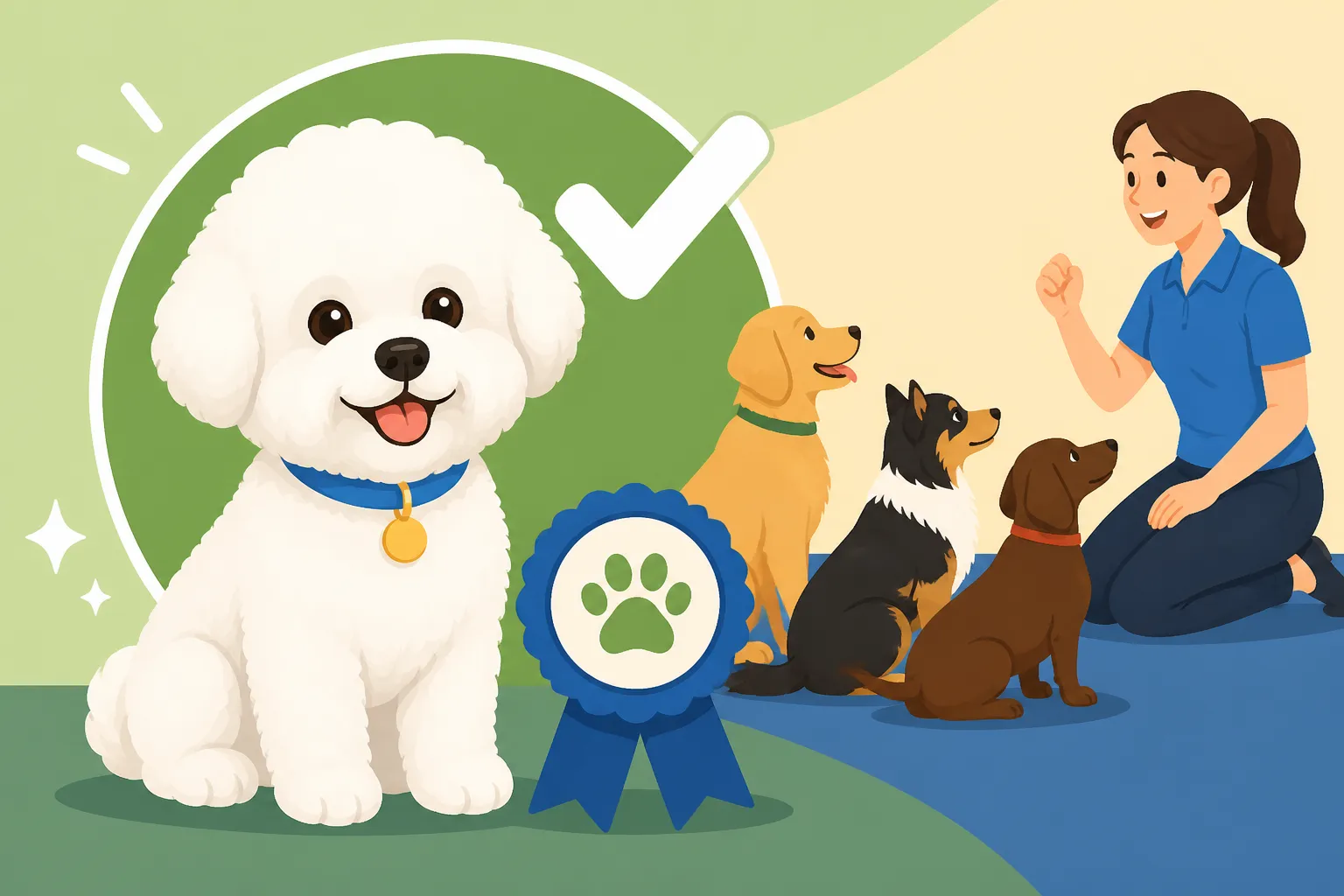
It’s a common worry for Bichon Frise owners: you adore your fluffy companion, but the thought of taking them to a bustling group obedience class fills you with dread. Will they bark at every other dog? Will they be too easily distracted? Will their famously stubborn streak make you the 'problem student' in class? This guide is here to reassure you that with the right preparation and understanding of your Bichon's unique personality, your little cloud can absolutely thrive in a group training environment, proving that these charming dogs are far more capable than their delicate appearance suggests.
Understanding the Bichon Frise Temperament in a Group Setting
Before you even step foot in a group class, it’s incredibly helpful to understand the inherent traits of a Bichon Frise that might either help or hinder their progress. These aren't just cute, fluffy bundles; they come with a rich history and a specific set of characteristics that influence their behavior and how they interact with the world around them. Knowing this helps you manage expectations and tailor your training approach.
The "Merry" Disposition and Its Distractions
The breed standard describes the Bichon Frise as having a "merry" disposition, and it's true! They are generally cheerful, outgoing, and love to be the center of attention. This can be a huge asset in a group class, as a confident, happy dog is often more willing to engage and learn. They want to please you and enjoy interaction. However, this same merry nature can quickly turn into a distraction. Imagine little Fluffy, usually a darling at home, suddenly transforms into an excited whirlwind when faced with three other dogs, five new humans, and a room full of interesting smells. Their natural exuberance can manifest as enthusiastic greetings, which might include jumping or excessive sniffing, or a desire to play rather than focus on your cues. Their outgoing personality means they’ll be very aware of everything happening around them, sometimes to the detriment of their focus on you. This isn't naughtiness; it's simply their joyful nature trying to take it all in.
For a deeper dive into their natural disposition, you might find The Merry Temperament the Bichon Frise Standard Demands interesting.
Barking and Alertness: A Double-Edged Sword
Bichons are known for being quite alert and, yes, sometimes a bit "yappy." They have keen hearing and a natural inclination to let you know if something is amiss – be it a leaf blowing past the window or a new person walking into the training hall. In a group class, this can quickly become overwhelming. The presence of other dogs, the sounds of leashes jingling, the instructor's voice, and the general hubbub can all trigger their vocal tendencies. It’s not necessarily aggression; often, it’s a form of communication or over-excitement. For some Bichons, it might be a protective instinct, feeling a bit overwhelmed by larger dogs or strangers. This vocalization can be incredibly disruptive in a class setting, making it hard for you and other students to hear instructions and for your Bichon to concentrate. Addressing this tendency beforehand, even with simple "quiet" cues at home, can make a world of difference. To understand more about this specific trait, check out Whether a Bichon Frise Is a Yappy Breed.
The Stubborn Streak and Attention Span
Let's be real: Bichons, for all their charm, can have a stubborn streak. They’re intelligent, but they also have a strong sense of what they want to do. If a command isn't immediately rewarding or if they've decided sniffing that interesting corner is more important than a "sit," they might just dig in their heels. Their attention span, especially when young, can be quite short, making sustained focus in a distracting environment a challenge. This isn't unique to Bichons – many small breeds can be easily distracted – but it's something to be particularly mindful of. You might feel frustrated when your Bichon seems to "forget" everything they know as soon as another dog barks, but it's rarely malice. It's often a combination of environmental overstimulation and their inherent preference for doing things their way. Understanding Whether a Bichon Frise Is Stubborn can help you approach training with more patience.
Common Obstacles and Practical Solutions in Group Classes
Even with the best intentions, you and your Bichon might encounter specific challenges in a group class. Recognizing these common hurdles and having strategies ready can prevent frustration and keep you both motivated.
The Leash Reactivity and Over-Excitement Conundrum
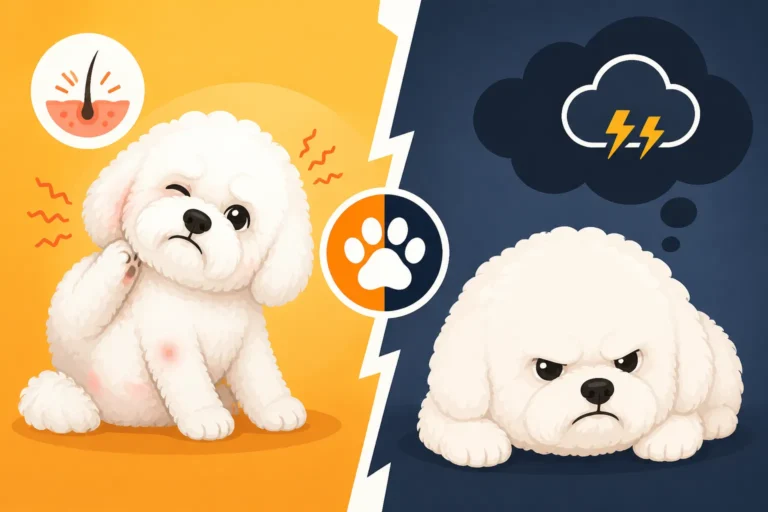
Many Bichons, especially those not extensively socialized as puppies, can become quite reactive on leash in a group setting. This doesn't mean they're aggressive, but rather they might pull, bark, or lunge out of excitement, anxiety, or frustration. They might desperately want to greet every dog, or they might feel overwhelmed by the proximity of larger, boisterous canines. This can make walking calmly in line or even just sitting next to another dog a Herculean task.
The solution here often lies in proactive management and counter-conditioning. Before class, take your Bichon for a good walk to burn off some energy. During class, position yourselves at the edge of the group initially, giving your Bichon more space from other dogs. Use high-value treats to reward calm behavior whenever another dog passes by, even if it's just a fleeting moment of quiet observation. The goal is to change their emotional response from "OMG, other dogs!" to "Oh, other dogs mean delicious treats from my human." Having a comfortable, secure harness is also vital to prevent strain on their delicate neck. For advice on appropriate gear, consider Whether a Bichon Frise Should Wear a Harness Not a Collar.
Housetraining Relapses Under Stress
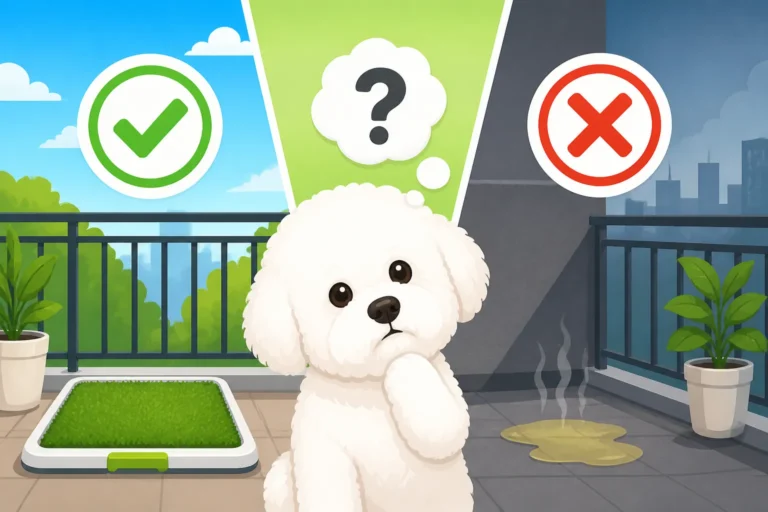
You've spent months diligently The Toilet Routine That Finally Works on a Bichon Frise and feel like you've finally got housetraining down. Then, you get to class, and your Bichon has an accident. It's incredibly disheartening, but it's also a common issue. Stress, excitement, or simply being in a new, stimulating environment can cause even a perfectly housetrained dog to have a mishap. They might be so absorbed by their surroundings that they forget to signal, or their small bladder might simply not be able to hold it for an extended period in a new place.
To combat this, make sure your Bichon has had a thorough potty break right before class. If the class is long, ask the instructor if you can step out for a quick relief break midway through. Bring absorbent pads just in case, and clean up any accidents without fuss, using an enzymatic cleaner if possible. Never punish your Bichon for an accident in class; it will only increase their stress and fear of going to the bathroom, potentially making future accidents more likely. This is particularly relevant as housetraining can already be a challenge.
The Grooming Connection: Handling and Touch
Bichons require significant grooming, which means they need to be comfortable with being handled, touched, and manipulated. While this might seem unrelated to obedience class, it's actually crucial. Many basic obedience exercises involve the instructor or other students gently touching your dog (e.g., checking teeth, handling paws for nail trims, or simply getting accustomed to different people). A Bichon who isn't used to this can become fearful or even snap, not out of malice but out of discomfort or fear.
Start desensitizing your Bichon to handling at home long before class. Gently touch their paws, ears, tail, and mouth regularly, making it a positive experience with treats and praise. Practice holding them still for short periods. If you're struggling, consider taking a grooming basics class or consulting a professional groomer for tips on how to build positive associations. Your Bichon's comfort with handling will not only benefit them in group class but also make their regular grooming sessions, which are essential for the breed, much less stressful. For tips on managing these vital routines, Teaching a Bichon Frise to Hold Still on a Table can be a helpful resource.
Strategies for Group Class Success with Your Bichon
Successfully navigating a group class with a Bichon Frise isn't about having a "perfect" dog from day one, but about setting both of you up for success. It involves careful preparation, smart choices, and consistent, positive reinforcement.
Preparation is Key: Before Day One
The work for group class truly begins at home. Don't wait until the first session to start thinking about training.
- Socialization: Expose your Bichon to a variety of sights, sounds, people, and calm dogs in a positive way. Puppy classes are fantastic for this, but even regular walks in a park where you can observe from a distance are beneficial. The goal isn't necessarily nose-to-nose greetings, but rather for your Bichon to be comfortable with the presence of others.
- Basic Cues at Home: Ensure your Bichon has a solid grasp of basic cues like "sit," "stay," "come," and "leave it" in a low-distraction environment. Practicing these consistently at home makes it easier for them to perform them when distractions are added.
- High-Value Rewards: Discover what truly motivates your Bichon. Is it tiny pieces of cooked chicken? Cheese? A favorite squeaky toy? In a distracting environment like a group class, you'll need rewards that are far more exciting than their regular kibble.
- Equipment Check: Make sure you have a comfortable harness, a standard 4-6 foot leash (no retractable leashes in class!), and a treat pouch. You can find excellent options for these on Amazon, often with detailed reviews from other dog owners.
- Energy Management: A tired Bichon is usually a well-behaved Bichon. Aim for a good walk or playtime before class so they can focus better. However, don't over-tire them to the point of grumpiness or exhaustion. What a Bichon Frise needs every day in terms of exercise is often more than people assume.
Choosing the Right Class and Instructor
Not all group classes are created equal, and finding the right fit for your Bichon is crucial.
- Small Class Sizes: For easily distracted or sensitive Bichons, a class with fewer dogs can be a godsend. It means less sensory overload and more individual attention from the instructor.
- Positive Reinforcement Focus: Always opt for classes that use positive reinforcement methods (treats, praise, toys) and avoid those that rely on punitive measures, harsh corrections, or alpha theory. Bichons respond best to kindness and motivation.
- Instructor Experience: Look for an instructor who has experience with small breeds and understands their unique challenges. They should be patient, encouraging, and able to offer modifications for individual dogs. Don't hesitate to observe a class beforehand to see the instructor's style.
- Environment: Is the training space too loud? Too chaotic? Is it clean? A comfortable environment contributes greatly to your Bichon's ability to learn.
- Puppy vs. Adult Classes: If you have a puppy, a dedicated puppy socialization class is invaluable. For adult Bichons, a basic obedience class is usually the starting point.
During Class: Tips for Active Learning
Once you're in class, your active participation and mindful approach are key.
- Manage the Environment: Don't be afraid to create distance between your Bichon and other dogs if they're struggling to focus. Standing at the end of a line or having a visual barrier can help. Your instructor should be understanding of this.
- Keep Sessions Short and Fun: Bichons, especially as puppies, have shorter attention spans. If your instructor allows it, break up exercises into very short segments (e.g., 30 seconds of "sit," then a play break, then another 30 seconds). Keep the energy positive and light. Remember Whether Short Sessions Suit a Bichon Frise.
- High-Value Rewards, Always: Be generous with your treats and praise for any effort, no matter how small. A sniff in the right direction, a momentary glance at you instead of the barking dog, a partial "sit" – all deserve a reward.
- Advocate for Your Dog: If your Bichon is clearly stressed, overwhelmed, or needs a break, don't be shy about stepping out for a few minutes. It's better to end on a positive note, even if it means missing a bit of the lesson, than to push them past their limit.
- Practice at Home: The real learning happens between classes. Reinforce what you learned in a quiet environment daily. Consistency is vital for cementing new behaviors.
Moving Beyond Basic Obedience: Advanced Training for Bichons
Passing a basic group class isn't the end of the journey; it's often just the beginning! Bichons are intelligent and enjoy having a "job," even if that job is just learning fun tricks or engaging in dog sports. Don't underestimate their capabilities just because they're small.
Continuing Education and Fun Classes
Once your Bichon has mastered the basics, consider enrolling in intermediate or advanced obedience classes. These can refine their skills, introduce more complex commands, and provide continued socialization. Beyond traditional obedience, there's a whole world of fun classes that Bichons can excel at:
- Trick Classes: Bichons love to entertain and show off. They are often quick to Whether a Bichon Frise Learns Tricks and can learn an impressive array of commands, from "spin" and "wave" to more complex routines. These classes are fantastic for mental stimulation and strengthening your bond.
- Canine Good Citizen (CGC): The AKC Canine Good Citizen program is a great next step, focusing on responsible dog ownership and basic manners. It tests things like walking politely on a leash, sitting politely for petting, and reacting calmly to distractions. It's a wonderful way to prove your Bichon's good behavior.
- Rally Obedience: This is a fun dog sport that's a bit more relaxed than traditional obedience. You and your Bichon navigate a course with numbered stations, each with a sign indicating a different command to perform. It's excellent for teamwork and practicing obedience in a dynamic environment.
Grooming and Handling as a Continuous Process
As mentioned, grooming is a lifelong commitment for a Bichon Frise. Group classes can sometimes touch on aspects of handling, but it's important to keep up with positive grooming practices at home. Regularly brushing your Bichon, checking their ears, and wiping their eyes (especially for tear stains) are not just about aesthetics; they're critical for their health and comfort.
Making grooming a positive experience with treats and praise, similar to how you’d train a "sit," ensures your Bichon tolerates it well. If your Bichon learns to enjoy grooming, it translates into a much happier experience for both of you and any professional groomers you employ. For some tips on maintaining their beautiful coat, consider How Long Brushing a Bichon Frise Takes and Whether Home Brushing Makes Salon Visits Easier.
Online Training Resources for Supplemental Learning
Sometimes, a physical group class isn't enough, or you might prefer to supplement with at-home learning. Online training platforms offer incredible flexibility and a wealth of resources. A program like BAXTER & Bella provides step-by-step guidance, live Q&A sessions, and a supportive community, which can be invaluable for reinforcing class lessons or even working on specific challenges your Bichon faces. These resources allow you to pause, rewind, and practice at your own pace, ensuring your Bichon fully grasps each concept before moving on. Many also offer excellent advice on managing specific behaviors, complementing the general guidance you receive in a group class. You might even find specialized tools or training aids on Amazon that are recommended by these online courses.
Remember, a group class is a journey, not a race. Your Bichon Frise, with their intelligence, charm, and desire to please, can absolutely pass and even excel, bringing you immense pride and an even stronger bond. It just takes patience, consistency, and a deep understanding of what makes your little cloud dog tick.
Comparative Overview of Bichon Frise Class Challenges and Solutions
Here's a quick look at common Bichon Frise challenges in group classes and how to approach them:
| Challenge | Description | Proactive Solutions | In-Class Strategies |
|---|---|---|---|
| Over-Excitement/Reactivity | Barking, jumping, pulling towards other dogs/people due to enthusiasm or anxiety. | Early, positive socialization. Desensitize to novel sights/sounds. Practice "watch me" at home. | Increase distance from distractions. Use high-value treats for calm behavior. Short, frequent breaks. |
| Distraction/Lack of Focus | Easily diverted by other dogs, people, sounds, smells, ignoring handler's cues. | Build strong foundation of basic cues in quiet environments. Use exciting, novel treats. | Work in quieter spots. Gradually increase distractions. Make yourself more exciting than the environment. |
| Housetraining Accidents | Urinating/defecating in class due to stress, excitement, or forgetting cues. | Frequent potty breaks before class. Reinforce outdoor potty habits. Avoid punishment. | Take frequent potty breaks during class. Clean accidents discreetly with enzymatic cleaner. No reprimands. |
| Vocalization (Barking) | Alert barking, attention-seeking barking, or stress barking in response to class environment. | Practice "quiet" cue at home. Desensitize to common triggers (doorbells, knocking). | Manage distance from triggers. Redirect barking with a "quiet" cue and reward. Provide mental enrichment. |
| Handling Sensitivity | Reluctance or fear when touched by strangers (instructor/other students), or for grooming checks. | Regular, positive handling exercises at home (paws, ears, mouth) with treats. | Inform instructor of sensitivities. Start with minimal touch, gradually increase. Reward calm acceptance. |
| Stubbornness/Motivation | Reluctance to perform commands if not immediately interested or highly rewarded. | Identify highest-value treats/toys. Keep training sessions short, fun, and varied. | Use irresistible rewards. End sessions on a high note. Don't get into power struggles; redirect instead. |
Disclaimer
This article is for general informational purposes only and does not constitute professional advice. Laws, prices and regulations vary by location and change over time. Consult a qualified professional for guidance on your specific situation.