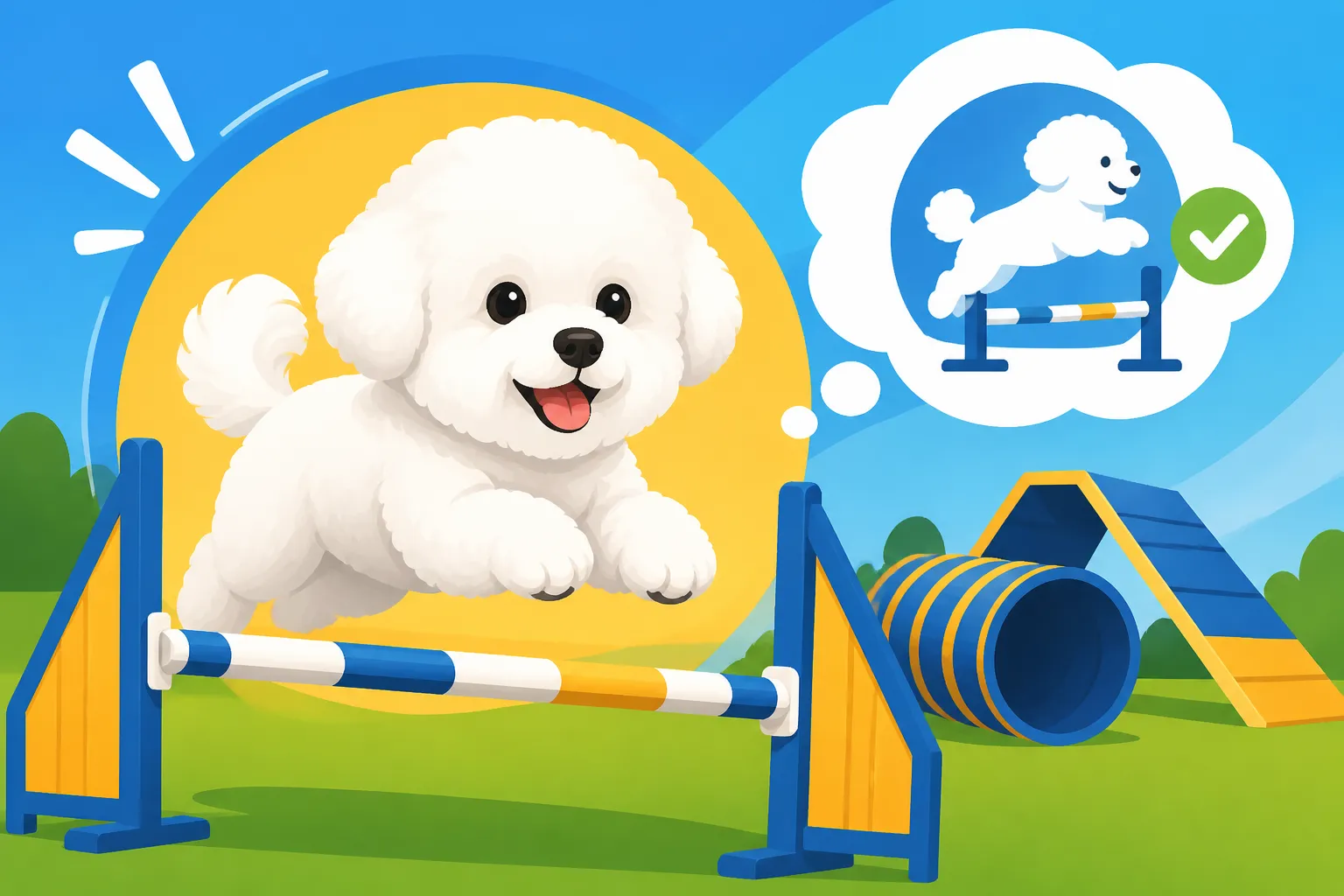
Whether a Bichon Frise Can Do Agility
It’s a common scenario: you look at your fluffy, adorable Bichon Frise, nestled comfortably on your lap, and then you see videos of dogs soaring over jumps, zipping through tunnels, and weaving through poles with incredible speed and precision. The thought "Can my Bichon Frise do agility?" probably seems a little outlandish, even laughable to some. Yet, the truth is, your charming companion might be far more capable and eager for such a challenge than you think! Many owners are surprised to learn that these merry little dogs can absolutely excel in the sport of agility. This guide aims to clear up any misconceptions and provide a comprehensive look into how your Bichon Frise can dive into the exciting world of dog agility.
Dispelling the Myth: Bichons and Agility Potential
The image of a Bichon Frise often conjures up thoughts of a pampered lapdog, content with short strolls and endless cuddles. While they certainly excel at being beloved companions, this perception often overshadows their inherent athleticism, intelligence, and surprising zest for life. It’s easy to underestimate these small, fluffy creatures, but doing so means missing out on a whole world of potential activities you could enjoy together, like agility.
Beyond the Lapdog Stereotype
Let’s be honest, when you picture a dog doing agility, a Border Collie or a Jack Russell Terrier probably comes to mind first. The Bichon Frise, with its cloud-like coat and cheerful disposition, often gets pigeonholed as a purely ornamental breed, a living stuffed animal designed for comfort rather than competition. This stereotype is a disservice to the breed's rich history, which actually includes stints as performers in circuses and with street artists. These roles required not only intelligence and trainability but also a degree of physical dexterity and stamina. They are, at their core, bright, eager-to-please dogs who thrive on interaction and having a "job" to do, even if that job is navigating an obstacle course. They possess a surprisingly robust spirit and a playful energy that, when channeled correctly, can lead to impressive achievements. Don't let their dainty appearance fool you; beneath all that fluff is a dog that loves to move and solve puzzles. The Merry Temperament the Bichon Frise Standard Demands is not just about being happy; it implies an active, engaged mind.
Physical Suitability and Natural Aptitude
When it comes to agility, a Bichon Frise’s size can actually be a significant advantage. Their compact frame means they can turn on a dime, dart through tunnels with ease, and navigate tight spaces that larger breeds might struggle with. They are quick, nimble, and often possess excellent body awareness, especially once they understand the game. Their light weight also reduces impact on their joints compared to heavier dogs, which can be beneficial in a high-impact sport like agility.
However, it's crucial to acknowledge potential breed-specific health concerns. Bichon Frises, like many small breeds, can be predisposed to conditions such as luxating patellas, or "slipping kneecaps." This is why a thorough veterinary check-up is absolutely non-negotiable before you even consider starting agility. Your vet can assess your Bichon's joints and overall fitness, perhaps even Grading a Bichon Frise's Luxating Patella, to ensure they are physically sound enough for the demands of the sport. Starting any strenuous activity with an underlying health issue could lead to injury and discomfort for your dog. If your Bichon is given the all-clear, you'll find that they are much Whether a Bichon Frise Is Sturdier Than It Looks than their delicate appearance suggests.
The Benefits of Agility for Your Bichon Frise
Beyond the sheer fun and excitement, engaging your Bichon Frise in agility training offers a wealth of benefits for both their physical and mental well-being, as well as strengthening the unique bond you share. It's not just about running courses; it's about holistic development.
Mental Stimulation and Problem Solving
Bichon Frises are intelligent little dogs, and like all smart breeds, they need an outlet for their brains. A bored Bichon is often a mischievous Bichon, and that pent-up mental energy can manifest in undesirable behaviors like excessive barking, digging, or even destructive chewing. Agility provides incredible mental stimulation by asking your dog to think, problem-solve, and follow a sequence of commands in a dynamic environment. They learn to differentiate between obstacles, anticipate your next cue, and navigate courses, all of which keeps their minds sharp and engaged.
This intense focus required in agility also translates to improved overall obedience and responsiveness in daily life. A dog that is accustomed to paying close attention to its handler in a high-distraction setting will likely be more attentive on walks or in new environments. It builds their confidence in understanding and executing commands, reinforcing their natural desire to please. You'll quickly see that Whether a Bichon Frise Works for Food or Praise becomes very clear as they eagerly anticipate their next reward for a successful run.
Physical Fitness and Health
Regular physical activity is vital for any dog's health, and agility offers a fantastic, structured way to ensure your Bichon Frise stays in top physical condition. The sport involves running, jumping (within safe limits for their size), weaving, and climbing, all of which contribute to cardiovascular health, muscle development, and flexibility. It helps maintain a healthy weight, which is particularly important for small breeds prone to joint issues. An overweight Bichon puts extra strain on those delicate kneecaps, for example. Agility can be a fun and engaging way to keep those extra pounds off, reducing the risk of obesity-related health problems. You can think of it as a much more exciting way to Getting Weight Off a Bichon Frise than just a standard walk.
It's also a great way to improve their coordination and balance, which can benefit them as they age. While you should always consult your vet about any pre-existing conditions, consistent, appropriate agility training can build strength and agility that supports their overall mobility throughout their lives. Just remember, it's about progressive training, not pushing them too hard too fast.
Strengthening the Bond and Building Confidence
One of the most profound benefits of agility is the incredible strengthening of the bond between you and your Bichon. Agility is a team sport, requiring clear communication, trust, and mutual understanding. You become a unit, working together to achieve a shared goal. The verbal cues, body language, and encouragement you provide all foster a deeper connection. As your Bichon learns to trust your guidance through challenging courses, their confidence will soar.
This is especially true for Bichons who might be a bit shy or hesitant in new situations. Successfully navigating an obstacle, even a small one, provides a huge boost to their self-esteem. They learn that they are capable, that they can overcome challenges, and that you are their reliable partner. Watching your fluffy companion proudly complete a course, tail wagging furiously, is an incredibly rewarding experience that deepens your appreciation for their capabilities and personality.
Common Challenges and How to Overcome Them
While Bichons have fantastic potential in agility, it’s not without its specific considerations. Every breed has its quirks, and being aware of these can help you better prepare and support your furry athlete. It's about proactive planning and patience.
Housetraining Hurdles and Focus
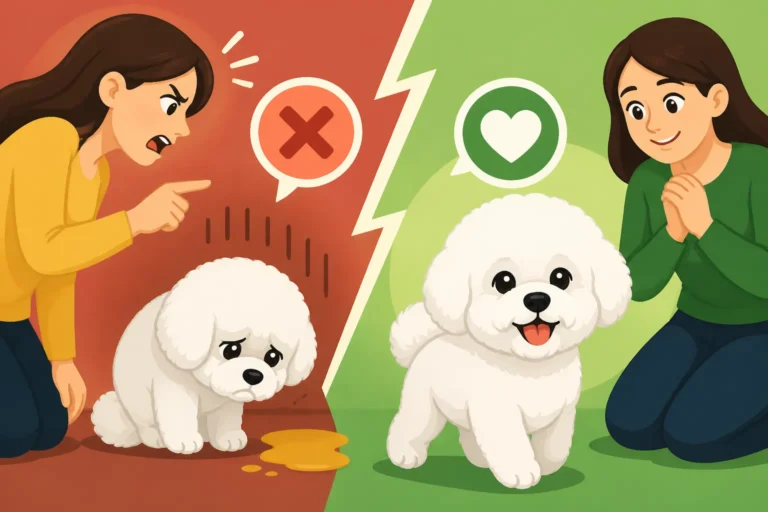
Bichon Frises have a reputation, sometimes unfairly earned, for being a bit challenging to housetrain. Their small bladder size and tendency to get distracted can sometimes lead to accidents indoors. This same trait can sometimes manifest as a challenge with focus in the stimulating environment of an agility class or course. When there are other dogs, exciting smells, and new sights, a Bichon might find it harder to concentrate on you. This isn't necessarily a lack of intelligence, but rather a combination of their curious nature and perhaps an early lack of consistent training.
To overcome this, foundation training is key. Before stepping foot on an agility course, ensure your Bichon has a solid grasp of basic obedience commands like "sit," "stay," "come," and a reliable recall, even with distractions. Platforms like BAXTER & Bella offer excellent online programs that focus on these foundational skills, which are crucial for any dog sport. Building this solid base at home will give your Bichon the confidence and understanding to tune into your cues when the excitement level rises. Positive reinforcement, with high-value treats and enthusiastic praise, will be your best friend in teaching them to focus on you. If you've struggled with housetraining in the past, understanding Why a Bichon Frise Is Famously Hard to Housetrain can give you insights into their learning style that apply to agility too.
Grooming and Coat Maintenance for an Active Dog
Let's face it, a Bichon's iconic powder puff coat is a high-maintenance affair. While it's beautiful, it's also a magnet for dirt, burrs, and tangles, especially when your dog is running through grass, diving into tunnels, and rolling around. Maintaining that pristine white coat while also engaging in an active sport can feel like a full-time job! Mud, grass stains, and debris can quickly ruin a carefully groomed look.
You'll likely need to adjust your grooming routine to accommodate their new athletic endeavors. Regular, thorough brushing sessions will be essential, perhaps even daily, to prevent mats from forming after dusty or damp training sessions. Consider a slightly shorter "pet trim" for practical purposes, especially around the legs and belly, to make cleaning easier. This doesn't mean sacrificing their adorable look, just making it more manageable. You'll also want to invest in good quality whitening shampoos and conditioners to help keep them looking their best, even if they're covered in mud one day a week. Regular bathing will be a part of life, so understanding How Often a Bichon Frise Needs a Full Groom will give you an idea of the commitment. The goal is to keep them comfortable and clean, not necessarily show-ring perfect, though you'll still want to try Keeping a White Bichon Frise Actually White.
Patience, Positive Reinforcement, and Proper Equipment
Agility is not a sport to be rushed, especially with a small dog like a Bichon. Patience is paramount. Your Bichon may not grasp every obstacle immediately, and that's perfectly normal. Celebrate every small success, no matter how minor. Positive reinforcement – using treats, toys, and enthusiastic praise – is the only way to effectively train a Bichon in agility. Forcing them or using harsh corrections will only lead to fear and a reluctance to participate. Make it a game, make it fun, and your Bichon will be eager to learn.
The right equipment is also vital for safety and effective training. Start with basic, safe equipment for home practice, such as a low jump bar, a collapsible tunnel, and some weave pole markers. You can find many affordable and appropriate options on platforms like Amazon. Ensure any equipment you use is appropriately sized for your Bichon, preventing injuries and building confidence. Always use a harness, not just a collar, when doing agility to protect their neck and trachea. Understanding What a Harness for a Bichon Frise Costs is a small investment for their safety and comfort.
Getting Started with Agility Training
So, you're convinced your Bichon Frise has the potential and you're ready to give agility a try. Fantastic! Here’s how to set yourselves up for success from the very beginning.
Assessing Your Bichon's Readiness
The first and most important step is a visit to your veterinarian. As mentioned, small breeds like Bichons can be prone to orthopedic issues such as luxating patellas. A thorough physical examination will ensure your dog is healthy and structurally sound enough to engage in the jumping, weaving, and running involved in agility. Don't skip this step – it's crucial for their long-term well-being.
Beyond physical health, consider your Bichon's temperament and basic obedience. Do they enjoy learning? Are they motivated by treats or toys? Do they have a reliable recall and a basic understanding of commands? Agility builds upon these foundational skills. Puppies generally shouldn't start formal agility until their growth plates have closed, usually around 12-18 months, to prevent injury. However, you can start building foundation skills like body awareness, targeting, and short tunnel runs (without jumps) at a younger age.
Finding a Reputable Trainer and Class
Once your Bichon gets a clean bill of health and has those basic manners down, the next step is finding a good agility class. Look for trainers who use positive reinforcement methods and understand the nuances of working with small breeds. A good instructor will prioritize safety, fun, and building your dog's confidence, rather than pushing for speed too early. They should offer classes appropriate for beginners, focusing on teaching each obstacle safely and correctly.
Many local dog training clubs and private facilities offer agility programs. Don't be afraid to observe a class before enrolling your Bichon to see if the teaching style and environment are a good fit. If in-person classes aren't readily available or if you want to build a stronger foundation before joining a group, online resources can be incredibly helpful. Companies like BAXTER & Bella provide comprehensive online training programs that can guide you through everything from basic obedience to introductory agility concepts, right from the comfort of your home. This can be a great way to start building skills at your own pace before tackling a group setting.
DIY at Home: Foundation Skills and Practice
You don't need a full agility course to start building essential skills at home. In fact, many successful agility teams begin with simple exercises. Here are a few ideas:
- Tunnels: Start with a short, open tunnel. Lure your Bichon through with a treat or toy. Make it a fun game! As they get more confident, you can gradually lengthen the tunnel or add gentle curves. You can find collapsible tunnels easily on Amazon.
- Low Jumps: Use a broomstick or PVC pipe set very low to the ground as a jump. Lure your dog over it, making sure they clear it comfortably. Keep it extremely low to start, just enough to teach them the concept of jumping.
- Weave Poles: For beginners, you can use a line of cones or even water bottles. Start with just two poles, luring your dog in a "figure-eight" pattern around them. Gradually add more poles as they understand the motion. Patience is key here; weave poles are often the most challenging obstacle to teach.
- Targeting: Teach your Bichon to touch their nose to your hand or a specific target. This is invaluable for guiding them through courses and to specific obstacles.
- Body Awareness: Create simple household obstacles like walking over a blanket or stepping over a cushion to help them learn where their feet are in space.
Remember, the goal is to make it fun and engaging. Keep sessions short, positive, and always end on a high note. Your Bichon Frise might just surprise you with their agility prowess and become your star athlete!
| Agility Obstacle | How a Bichon Frise Can Excel | Potential Challenges for Bichons | Beginner Practice Tips |
|---|---|---|---|
| Jumps (low) | Agile, quick off the ground, light weight reduces impact. | Can be prone to patellar luxation; requires vet clearance. | Start with a very low bar, lure over, keep it fun. |
| Tunnels | Small size allows for easy navigation and speed. | Some may be hesitant initially to enter a dark space. | Use short, open tunnels, lure with treats, make it a game. |
| Weave Poles | Intelligent, can learn complex sequences with consistency. | Requires precision, body awareness, and high focus; can be tricky. | Begin with 2-3 poles, use a "channel" or "gate" method, positive luring. |
| Dog Walk / A-Frame | Good balance for their size; enjoy elevated surfaces. | Height can be intimidating; potential for falls if not confident. | Start with low planks, ensure solid contacts on "contact zones", prioritize safety. |
| See-Saw | Light weight for easy tipping, good balance when trained. | Noise and movement of the plank can be scary for sensitive dogs. | Introduce slowly, desensitize to movement, build confidence with treats. |
Disclaimer
This article is for general informational purposes only and does not constitute professional advice. Laws, prices and regulations vary by location and change over time. Consult a qualified professional for guidance on your specific situation.