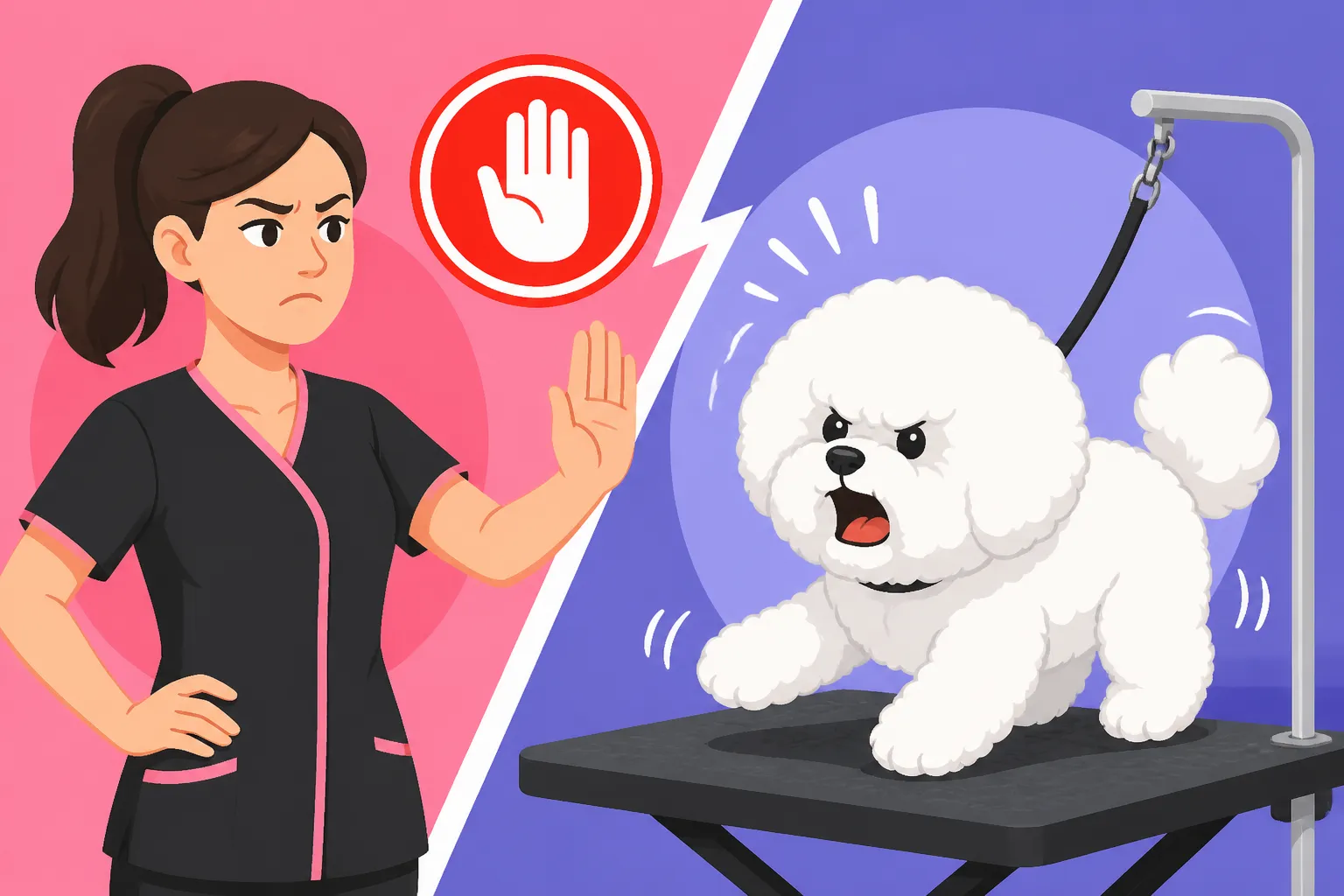
Whether a Groomer Refuses a Difficult Bichon Frise
Oh, the stress of grooming a Bichon Frise who decides the salon is actually a torture chamber! It's a truly heartbreaking situation when your fluffy companion, usually so sweet, transforms into a snarling, squirming, or even biting ball of anxiety at the groomer. Many owners face the agonizing question of whether their beloved Bichon will simply be refused service because they're deemed "too difficult." This guide is here to shed light on why groomers sometimes make that tough call, what steps you can take if it happens to you, and most importantly, how to proactively work towards a calmer, more positive grooming experience for your Bichon Frise.
Understanding the "Difficult" Bichon Frise in a Grooming Setting
Let's be honest, Bichons are adorable, but their strong personalities and sometimes dramatic flair can make grooming a genuine challenge. It's not always about malice; often, it's fear, discomfort, or simply a lack of early conditioning. When a groomer labels a Bichon Frise as "difficult," they're usually referring to a set of behaviors that make the grooming process unsafe or excessively stressful for the dog, the groomer, or both.
Common Behaviors That Challenge Groomers
It's easy for us as owners to see our dog's struggles as just being "nervous" or "silly," but for a professional groomer, these behaviors pose real risks. One of the most common issues is constant squirming and refusal to stand still. Imagine trying to precisely scissor delicate areas around the eyes or feet on a dog that is constantly trying to sit, lie down, or spin in circles. This isn't just an inconvenience; it dramatically increases the risk of accidental nicks or cuts from sharp shears or clippers. A groomer needs a still, cooperative canvas, especially when working on intricate breed-specific trims that define the Bichon Frise's signature look.
Then there's the biting or snapping. A Bichon, for all its small stature, can inflict a painful bite, especially when driven by fear or pain. A quick snap during a nail trim, or a sustained effort to mouth the groomer's hands during face trimming, puts the groomer at risk of injury and slows the entire process down to a crawl. Some Bichons might even escalate to full-blown aggression, lunging or trying to bite whenever a specific tool comes near or a sensitive area is touched. This level of reactivity indicates a profound distress that goes beyond mere "dislike" of grooming; it signals a genuine fear response that needs to be addressed with compassion and specialized techniques.
Beyond physical aggression, some Bichons resort to ear-splitting screams, incessant crying, or frantic attempts to escape the grooming table. While this behavior might not lead to immediate physical injury to the groomer, it is incredibly distressing for everyone in the salon. It can agitate other dogs, disrupt the focus of other groomers, and create a highly stressful environment for the Bichon itself. Often, these vocal protests are rooted in fear, and the dog is simply trying to communicate their intense discomfort. Recognizing these signs early and understanding their root cause is key to finding a solution, rather than simply dismissing them as a "bad dog" problem.
The Groomer's Perspective: Safety First
For a professional groomer, safety isn't just a buzzword; it's the absolute foundation of their practice. They are responsible for the well-being of every dog in their care, and that includes preventing injuries to themselves, their staff, and other animals. When a Bichon Frise displays difficult behaviors, the primary concern shifts from aesthetics to injury prevention. A groomer is using very sharp tools, often under intense time pressure, and a sudden lunge or bite from a distressed dog can lead to serious cuts, nicks, or even deep wounds. These aren't just minor inconveniences; they can result in costly veterinary visits, stitches, and even infections for the dog, not to mention potential career-ending injuries for the groomer.
Consider the physical toll a truly difficult dog can take. Holding a squirming, lunging Bichon for an hour or more requires immense physical strength, endurance, and careful maneuvering. Groomers often suffer from chronic back, shoulder, and wrist problems from their demanding work, and a dog that actively fights the process exacerbates these issues significantly. Beyond the physical, there's the emotional and mental stress. Every groomer wants to provide a positive experience, and when a dog is terrified or aggressive, it's emotionally draining. They go home worrying about the dog, replaying what happened, and feeling frustrated that they couldn't create a better outcome. It's a job that requires not just skill with shears, but also profound empathy and patience.
Professional groomers also have liability to consider. An injured dog or an injured human on their premises can lead to significant legal and financial repercussions. Their insurance policies often have clauses regarding aggressive animals, and consistent issues with a particular dog might even jeopardize their coverage. Therefore, when a groomer makes the difficult decision to refuse a dog, it's usually a careful, professional judgment call made after evaluating the risks and their capacity to safely manage the situation. It's not a personal slight against you or your dog, but rather a necessary boundary to protect all involved.
Why a Groomer Might Say "No"
It's a tough conversation to have, and even tougher to hear: "We can't groom your Bichon Frise anymore." Most groomers genuinely love dogs and want to help, so a refusal isn't a decision they take lightly. It typically stems from a combination of professional boundaries, safety concerns, and the practicalities of running a busy salon.
Beyond Frustration: Professional Boundaries and Liability
When a groomer refuses service, it's rarely a reflection of personal frustration, but rather a professional and ethical decision. Their primary responsibility is the safety and well-being of the dog, themselves, and their staff. If a Bichon Frise is showing extreme aggression – biting, snapping, lunging repeatedly – the risk of injury becomes too high. A groomer might be able to manage a little grumbling, but sustained, unpredictable aggression with sharp tools involved is a recipe for disaster. They are not animal behaviorists or veterinary professionals equipped to handle severe behavioral issues, especially without medical intervention.
Another key reason for refusal involves the potential need for sedation. If a dog is so terrified or aggressive that it cannot be safely groomed without chemical restraint, a professional groomer, who is not a veterinarian, cannot legally or ethically administer sedatives. In such cases, they will often recommend veterinary grooming, where the dog can be sedated under the supervision of a vet and groomed by a vet tech or a groomer working within the clinic. It's about recognizing their limitations and ensuring the dog receives the care it needs in the safest possible environment. They aren't saying "no" to the dog, but "no" to putting the dog (and themselves) in a dangerous situation they are not equipped to handle.
Furthermore, a groomer's decision can also be influenced by past incidents. If your Bichon Frise has previously bitten a groomer or required excessive restraint, that history creates a justifiable caution. Their insurance may even dictate conditions under which they can accept such dogs, or, in extreme cases, they might face exclusion if they continue to take on high-risk clients. The groomer is essentially setting boundaries to protect their business, their employees, and their professional license. It’s a harsh reality, but an important one for owners to understand, as it underscores the seriousness of their dog's behavior in this specific context.
The Impact on the Grooming Salon and Schedule
A "difficult" Bichon Frise doesn't just impact their own grooming session; they can have a ripple effect throughout the entire salon. Grooming schedules are often tightly packed, with appointments timed to allow for thorough work on each dog. A dog that fights every step of the process can easily turn a 2-hour groom into a 4-hour ordeal. This throws off the entire day, causing subsequent clients to wait, and potentially forcing the groomer to rush later appointments, which compromises quality and increases stress for everyone involved.
Moreover, the environment in a grooming salon is typically designed to be as calm and quiet as possible. A highly stressed or vocal Bichon Frise can create significant disruption. Constant barking, howling, or screaming isn't just unpleasant for staff; it can also stress out other dogs waiting for or undergoing their own grooming services. Imagine a nervous puppy having its first groom, only to be subjected to the frantic cries of a larger, more reactive dog nearby. It can create negative associations for that puppy, making their future grooming experiences more challenging. Groomers strive to create a safe and serene atmosphere, and one overly stressed dog can undermine that effort for many others.
Ultimately, a groomer has to consider the overall efficiency and emotional well-being of their entire operation. While they want to help every dog, they also have a business to run and a responsibility to all their clients. If a particular Bichon Frise consistently demands a disproportionate amount of time, emotional energy, or creates an unsafe environment, it may simply not be sustainable for the salon to continue providing services. It's a tough economic reality that factors into their professional decision-making process.
What to Do If Your Bichon Frise Is Refused Grooming Service
It's a gut-punch when you hear that your beloved Bichon Frise has been turned away. Your first reaction might be anger or embarrassment, but it's crucial to move past those feelings and focus on finding a constructive path forward. This situation is a signal that something needs to change for your dog's well-being and for the safety of those trying to care for them.
Open Communication with Your Current Groomer
The very first step is to have an open, honest, and non-defensive conversation with the groomer who refused your Bichon. Try to understand their perspective. Ask specific questions: What exactly happened during the last session? What behaviors did your Bichon exhibit that led to the refusal? Was it biting, squirming, screaming, or a combination? Identify the specific triggers – was it nail trims, ear cleaning, brushing around a certain area? Pinpointing these details is incredibly helpful, not just for understanding the refusal, but for formulating a plan.
You might ask if there's anything you can do at home to help. Sometimes, a groomer will offer specific suggestions for desensitization exercises or coat maintenance that could make a difference. Inquire if they would be willing to try again, perhaps with shorter, more frequent appointments, or if they have specific requirements you need to meet first. For instance, they might suggest your Bichon needs to be perfectly brushed out before arrival, reducing the time spent on uncomfortable dematting. It's about working together, not against each other. They might also share insights into your dog's temperament that you hadn't fully recognized, such as signs of pain or extreme fear in specific situations. Understanding the groomer's point of view can provide invaluable clues for helping your dog.
Seeking Specialized or Veterinary Grooming
If your regular groomer absolutely cannot or will not take your Bichon Frise back, it's time to explore alternative options. One excellent avenue is to look for groomers who specialize in handling anxious, fearful, or aggressive dogs. These groomers often have smaller, quieter setups, more flexible scheduling to allow for longer, calmer sessions, and advanced training in positive reinforcement techniques and canine body language. They might use specialized tools or techniques designed to minimize stress, such as calming wraps or muzzles that are introduced gently and positively, not as punishment. You can often find these specialized professionals through local vet clinics or by asking for recommendations in breed-specific online communities. They understand that a "difficult" dog isn't a "bad" dog, but one that needs extra patience and a tailored approach.
For Bichons with extreme anxiety or aggression that poses a significant safety risk, veterinary grooming is often the safest and most humane solution. This involves having your dog groomed at a veterinary clinic, usually under mild sedation administered and monitored by a veterinarian. This option ensures that your dog is relaxed and comfortable, preventing distress and potential injury. While it's typically more expensive and requires a vet visit and possibly blood work beforehand, it provides peace of mind that your dog's grooming needs are met without trauma. Discuss this option with your vet, who can assess if your Bichon Frise is a good candidate for sedation. Sometimes, a veterinary professional can recommend specific calming aids or supplements, some of which you might find available on Amazon with a vet's guidance, to help reduce anxiety even before a visit.
Proactive Steps to Improve Your Bichon Frise's Grooming Experience
The best defense against a groomer refusing your Bichon Frise is a good offense: proactive training and consistent home care. Addressing potential issues early can transform grooming from a dreaded chore into a manageable routine, or even a pleasant experience for your dog.
Building a Foundation with Early Socialization and Positive Reinforcement
Starting early is absolutely paramount, especially with a Bichon Frise puppy. The world can be a big, scary place, and introducing your puppy to new sights, sounds, people, and experiences in a positive, controlled way is called socialization. This includes getting them used to being handled all over their body. Start gently touching their paws, ears, tail, and muzzle daily, always pairing it with praise and high-value treats. Make it a game, not a chore. The goal is to teach them that human touch, even in sensitive areas, predicts good things. Puppy classes are fantastic for this, as they provide controlled exposure to other dogs and people, and often include basic handling exercises.
Positive reinforcement is your best friend here. Every time your Bichon allows you to touch a paw, trim a nail, or brush a section of coat without fuss, reward them instantly with a treat and verbal praise. If they resist, don't punish or force them. Instead, back off, try a less intrusive touch, and work up gradually. You want to avoid creating negative associations with grooming tools or handling. How Early a Bichon Frise Should Meet a Groomer is a critical piece of the puzzle, emphasizing that even before full vaccinations, positive exposure can begin at home. Companies like BAXTER & Bella offer fantastic online puppy training programs that guide new owners through these crucial early socialization and handling steps, making it accessible from your living room. Their structured approach can lay a solid foundation, teaching you how to make grooming a positive, cooperative venture from the very start.
Consistent Home Grooming and Desensitization
Professional grooming appointments are typically every 4-8 weeks for a Bichon Frise, but the work doesn't stop in between visits. Consistent home grooming is non-negotiable for this breed due to their non-shedding, continually growing coat. Daily brushing is essential to prevent mats, which can be incredibly painful for your dog and make professional grooming much harder. Use a good quality slicker brush and a metal comb to ensure you're getting down to the skin. How Long Brushing a Bichon Frise Takes often surprises new owners, but it's a dedicated process. As you brush, gently hold and touch their paws, practice touching their ears, and softly wipe around their eyes. This regular, gentle handling desensitizes them to the sensations they'll encounter at the groomer.
Don't shy away from basic tasks like nail trimming and ear cleaning at home. If your Bichon is sensitive about having their nails done, start by simply touching their paws and giving treats. Gradually introduce the clippers (even if you don't cut anything at first), rewarding calm behavior. For ear cleaning, get them used to having their ears gently handled and lifted. Whether a Bichon Frise Tolerates Daily Eye Wiping is another area where consistent home care can make a huge difference, preventing tear stains from hardening and causing irritation, which then makes face trims difficult. By making these routines a normal, positive part of your dog's life, you reduce the novelty and fear associated with them, which translates to a much more cooperative dog on the grooming table.
Professional Training and Behavior Modification
Sometimes, despite your best efforts, a Bichon Frise might develop significant fear or aggression related to grooming. This isn't a failure on your part, but rather a sign that you might need professional help. A certified professional dog trainer, especially one specializing in cooperative care or fear-free techniques, can be invaluable. They can assess your dog's specific triggers and develop a tailored behavior modification plan. This might involve counter-conditioning (changing your dog's emotional response to a trigger) and desensitization (gradually exposing them to the trigger at a low intensity). For instance, if your Bichon snaps when its ears hurt, as discussed in Whether a Bichon Frise Snaps When Its Ears Hurt, a trainer can help you rebuild trust around that area, possibly after a vet has ruled out any underlying medical causes for the pain.
In more severe cases, or if aggression is a significant concern, consulting a veterinary behaviorist might be necessary. These are veterinarians with advanced training in animal behavior, who can rule out medical conditions contributing to the behavior and, if appropriate, prescribe medication to help manage anxiety alongside behavior modification. Often, underlying pain or discomfort, such as skin irritation from allergies, can make a Bichon extremely sensitive to handling. Whether Treating the Skin First Makes Grooming Possible highlights how addressing these medical issues can dramatically improve a dog's tolerance for grooming. It's a team effort between you, your vet, and a behavior professional, all working towards making grooming a less stressful, and ultimately safer, experience for your Bichon Frise.
Finding the Right Groomer for Your Challenging Bichon Frise
If your Bichon Frise has a history of being difficult at the groomer, finding the right professional is crucial. It’s not just about finding someone with scissors; it’s about finding a patient, empathetic partner who understands canine behavior and prioritizes your dog’s emotional well-being above all else.
Qualities of a Patient and Experienced Groomer
When seeking a groomer for a challenging Bichon Frise, look for specific qualities and experience. First and foremost, they should have extensive experience with anxious or difficult dogs, and ideally, small breeds known for their grooming needs. Ask them about their approach to fearful dogs. Do they use force or positive reinforcement? A groomer who prioritizes a calm, gentle approach and is willing to take extra time for a fearful dog is worth their weight in gold. They should be able to read canine body language, recognize signs of stress (lip licking, yawning, stiff posture), and adjust their technique accordingly.
Good communication is also key. The groomer should be willing to discuss your Bichon's specific issues with you, explain their methods, and provide feedback on your dog's progress. They should be transparent about what they can and cannot do safely. Look for reviews or testimonials that specifically mention patience with nervous dogs. Sometimes, a smaller, independent groomer might be a better fit than a busy corporate salon, as they often have more flexibility and a quieter environment. Don't be afraid to ask about their continuing education – many dedicated groomers invest in courses on fear-free handling, animal behavior, or stress reduction techniques.
Trial Runs and Gradual Introductions
Once you've identified a potential new groomer, don't just drop your Bichon off for a full groom. Propose a series of "happy visits" or desensitization sessions. These are short, non-grooming appointments where your Bichon simply comes to the salon, gets some treats, meets the groomer, maybe stands on the table for a moment, and then goes home. The goal is to create positive associations with the environment and the groomer, gradually building trust without the pressure of a full groom. It's similar to the concepts discussed in Teaching a Bichon Frise to Hold Still on a Table, but with no actual grooming taking place initially.
After a few happy visits, you can progress to very short, partial grooming sessions. Perhaps just a nail trim, or a quick brush, followed by lots of praise and treats. The idea is to break down the overwhelming grooming process into tiny, manageable steps, each ending on a positive note. This allows your Bichon Frise to slowly acclimate, realizing that the groomer isn't scary and that good things happen there. This patient, gradual approach is much more effective than forcing a full groom on a terrified dog, which can reinforce negative associations. Remember, this is an investment in your dog's long-term well-being, reducing stress not only during grooming but also in other potentially scary situations.
Here's a table summarizing common challenging behaviors and potential strategies:
| Challenging Behavior | Groomer's Concern | Owner's Proactive Steps (Home & Professional) |
|---|---|---|
| Constant Squirming/Wiggling | Risk of injury from sharp tools, time delays | Early handling practice (paws, ears, tail), "stay" command training, desensitization to grooming table, short positive reinforcement sessions. Consider a patient, low-volume groomer. |
| Biting/Snapping | High risk of injury to groomer and dog | Rule out pain with vet, consult veterinary behaviorist/trainer, muzzle training (positive association), desensitization to touch/tools. May require veterinary grooming with sedation. |
| Excessive Vocalization | Stress to other dogs/staff, self-induced distress | Create positive associations with groomer/salon (happy visits), counter-conditioning (treats when quiet), calming aids (vet consultation), quiet grooming environment. |
| Fear of Specific Tools | Increased fear, panic, injury risk | Desensitize at home (introduce tools without using them, pair with treats), gradual introduction of tools by groomer, use of less intimidating alternatives (e.g., nail grinder vs. clippers). |
| Matting/Tangles | Pain during dematting, increased grooming time | Consistent daily brushing and combing at home (line brushing critical), proper bathing/drying techniques, discuss shorter pet clips with groomer to maintain coat more easily. |
Disclaimer
This article is for general informational purposes only and does not constitute professional advice. Laws, prices and regulations vary by location and change over time. Consult a qualified professional for guidance on your specific situation.