Whether a Bichon Frise Plays With Toys Alone
It’s a common scenario for many Bichon Frise owners: you adore your fluffy, cheerful companion, but sometimes you just need to step away for a bit – whether it's to work, run an errand, or simply take a shower. The question then becomes, can your charming Bichon Frise actually entertain themselves with toys alone, or are you doomed to a life of constant companionship and puppy-dog eyes? This guide will dive deep into understanding your Bichon's natural instincts, exploring effective strategies to encourage independent play, and helping you create a healthy balance between cuddles and solo fun.
The Bichon Frise: A Breed Built for Companionship
Let's be real, if you chose a Bichon Frise, you probably fell in love with their famously cheerful, outgoing, and affectionate nature. These aren't dogs bred for solitary hunting or guarding vast estates. Their very history is intertwined with human companionship, and that deeply ingrained need for connection often makes solo play a bit of a puzzle for them.
Deep-Rooted Need for Company
The Bichon Frise descends from a line of "Barbichon" dogs, essentially charming lapdogs who historically traveled with sailors and later found their way into the laps of European nobility and even circus performers. Their entire existence has revolved around being close to people. They were bred to bring joy and comfort, and that means they thrive on interaction, attention, and being part of the family's daily life. It’s not just a cute quirk; it’s in their DNA.
Think about it: from the moment they were brought aboard ships by Italian sailors, or adorned by French kings and queens, their purpose was to be a constant presence. They never had to fend for themselves or spend long periods alone. This historical context gives us a huge clue as to why your Bichon might look utterly bewildered when you hand them a squeaky toy and walk away. Their instinct tells them that joy comes from you, not from a rubber chicken sitting by itself in the corner. Understanding this foundational aspect of their breed helps manage expectations and approach training with the right mindset. Their delightful personalities, as described in The Merry Temperament the Bichon Frise Standard Demands, are often expressed through interaction with their favorite humans.
The "Velcro Dog" Tendency
Because of their strong bonding instinct, many Bichon Frises earn the affectionate (or sometimes exasperated) nickname of "Velcro dogs." They stick to you like glue, following you from room to room, often preferring to nap at your feet or right on your lap. This isn't out of insecurity, though it can morph into separation anxiety if not managed; it's simply their natural inclination to be where the action is, which, in their world, almost always involves their human family.
When you leave the room, their world can feel a little less exciting, a little less complete. A toy, no matter how engaging, often can't fill that human-shaped void. This is why you might find your Bichon staring forlornly at the door you just exited, rather than happily batting at a ball. It’s not that they don’t like toys, it’s that they prefer to share the experience of play, or indeed any experience, with you. This can be particularly noticeable during The First Year With a Bichon Frise Puppy, when they are forming their strongest attachments and learning about their world through their human guardians.
Cultivating Independent Play: More Than Just a Toy
While your Bichon Frise may be a natural-born companion, it doesn't mean they can't learn to enjoy some solo playtime. It's not about making them self-sufficient for hours on end, but about building their confidence and providing them with engaging alternatives when you're busy. This takes intentional effort, the right tools, and a healthy dose of patience.
The Right Toys Make All the Difference
Not all toys are created equal when it comes to encouraging solo play. A simple squeaky toy might grab their attention for a moment, but it often requires human interaction to truly come alive. For independent play, you need toys that are self-rewarding, mentally stimulating, or deeply satisfying for their natural chewing instincts.
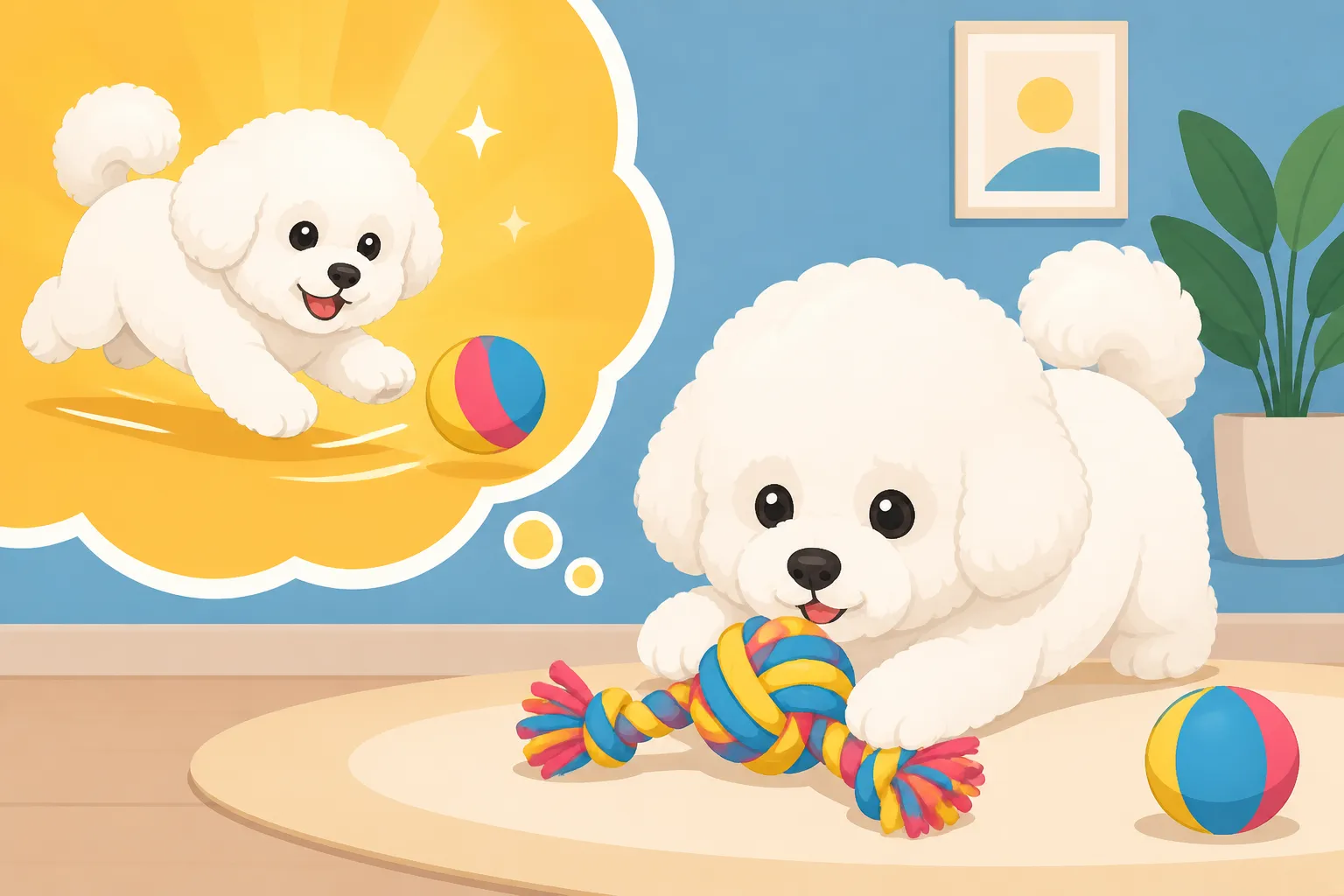
Consider puzzle toys or treat-dispensing toys. Brands like Kong are excellent for this, as you can stuff them with peanut butter, yogurt, or even their regular kibble and freeze it to make the challenge last longer. Your Bichon will spend a good chunk of time licking, nudging, and rolling the toy to get to the delicious reward inside. This transforms play into a problem-solving activity, engaging their brain and keeping their paws busy. You can find a huge variety of these on Amazon, from beginner-friendly designs to more complex ones that require a bit more strategy. Another fantastic option for solo play is a durable chew toy. Look for materials that can withstand rigorous chewing, as this satisfies a natural canine instinct and can be very calming. Ensure the size is appropriate for your Bichon to prevent choking hazards.
Gradual Introduction to Alone Time
Teaching your Bichon to play alone is a gradual process, much like any other training. You can't just throw a toy at them and expect miracles. Start with short, positive experiences. When you're in the room but busy (e.g., reading a book, on your laptop), offer them a high-value solo toy like a stuffed Kong. Praise them calmly when they engage with it. The goal is to create a positive association with independent activity, not just your presence.
Once they're comfortable with this, begin to introduce very short periods where you leave the room while they're engrossed in their toy. Start with just a minute or two, then return without making a big fuss. Gradually increase the duration. If your Bichon shows signs of distress – pacing, whining, or ignoring the toy to follow you – you've gone too far, too fast. Revert to shorter periods. This method helps prevent Whether a Bichon Frise Cries When You Leave from becoming a habit. Platforms like BAXTER & Bella, known for their online puppy training programs, often emphasize foundational skills that build confidence and independence, which can certainly extend to encouraging solo play. Their approach to positive reinforcement and structured learning can be a great resource for teaching your Bichon to feel secure even when you’re not right there.
The Benefits and Challenges of Encouraging Solo Play
Encouraging your Bichon Frise to play alone isn't just about giving yourself a break, though that's certainly a valid benefit! It’s also about fostering their mental well-being, preventing destructive behaviors, and building their confidence as independent creatures. However, it's not without its hurdles, especially with a breed as companion-oriented as the Bichon.
Why Solo Play is Important (for them and you)
For your Bichon, independent play offers crucial mental stimulation. When they're focused on a puzzle toy or a long-lasting chew, they're engaging their brain, solving problems, and satisfying natural urges. This can significantly reduce boredom, which is a common precursor to unwanted behaviors like excessive barking, chewing on furniture, or even digging. A mentally stimulated Bichon is generally a calmer, happier Bichon. It also helps build their self-confidence. Learning that they can entertain themselves and find enjoyment without constant human input contributes to a more secure and less anxious dog. This is especially important for preventing or mitigating separation anxiety down the line.
For you, the owner, the benefits are clear: a much-needed reprieve. Whether it's to concentrate on work, prepare a meal, or simply enjoy a quiet cup of coffee, knowing your Bichon is happily engaged allows you a moment to yourself. It can also make those necessary times you do have to leave the house less stressful for both of you, as your Bichon will have some learned coping mechanisms for being alone. This also plays into the overall well-being, contributing to a more balanced life for both dog and owner. Think of it as part of What a Bichon Frise Needs Every Day – a healthy dose of mental engagement alongside physical exercise and affection.
Overcoming the "Velcro Dog" Tendency
The biggest challenge, as we've discussed, is their inherent "Velcro dog" nature. Bichons genuinely adore being with their people, and convincing them that a solo toy is just as fun can be an uphill battle. You might encounter resistance, a lack of interest in the toy once you move away, or even outright refusal to engage. Patience is paramount. Don't get frustrated if it doesn't happen overnight. It's a marathon, not a sprint.
Another common hurdle is ensuring the toys remain novel and engaging. If you always leave the same stuffed Kong, it might lose its appeal. Rotate toys, vary the fillings, and introduce new types of puzzles to keep them interested. Consistency is also key. Make solo play a regular, predictable part of their routine. For instance, perhaps every morning after their walk, they get a special solo toy while you have breakfast. This helps them anticipate and accept the alone time. If you use a crate, it can be a great place to offer these solo toys, making the crate a positive den for independent activity. This links to Whether Crate Training Works on a Bichon Frise and can create a safe, designated space for solo enrichment.
Making Alone Time Enjoyable and Safe for Your Bichon
Successfully encouraging independent play in your Bichon Frise requires more than just tossing a toy their way. It's about creating an entire environment and routine that supports their emotional well-being and keeps them safe when you're not actively supervising.
Creating a Safe and Engaging Space
When you're encouraging solo play, especially if you're leaving the room or the house, the environment matters immensely. Your Bichon needs a safe, secure space where they feel comfortable and won't get into trouble. A designated "den" or crate can be ideal. If they are accustomed to their crate through positive training, it becomes their sanctuary, a place where they feel safe and where you know they can't chew on anything dangerous or have accidents. Whether Crate Training Works on a Bichon Frise often explores how to make this space inviting.
Within this space, ensure they have access to their rotation of solo play toys. Add a comfortable bed or blanket that carries your scent to provide an extra layer of comfort. Consider ambient sounds, such as classical music or a white noise machine, which can help mask outdoor noises that might trigger barking or anxiety. The goal is to create an atmosphere where being alone isn't a punishment or a source of anxiety, but a peaceful and even enjoyable part of their day. This careful preparation is crucial for a breed that thrives on connection and can struggle with isolation.
Incorporating Training for Independence
Beyond just toys, true independent play stems from an overall sense of security and confidence when alone. This is where dedicated training comes into play. Teaching your Bichon that it's okay for you to be out of sight for periods, and that you will always return, is fundamental. This training should start from puppyhood. Many online programs, such as those offered by BAXTER & Bella, include modules on building independent confidence and managing alone time effectively.
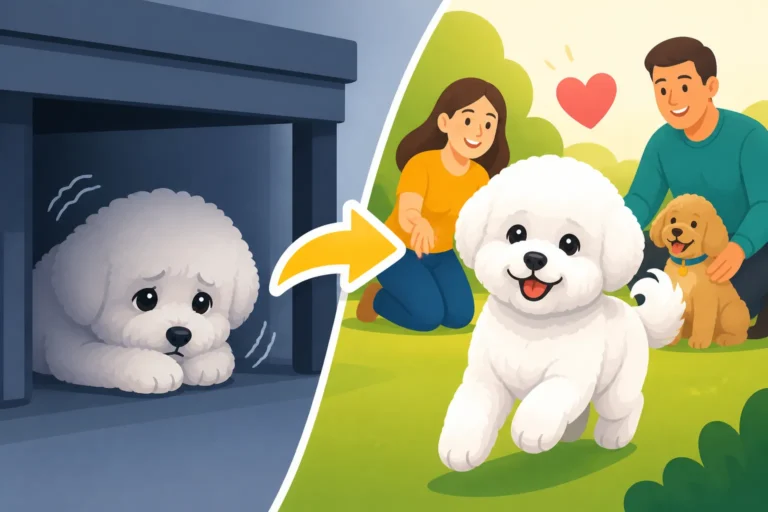
You can practice short "stays" in a designated spot while you move around the house, gradually increasing distance and duration. Reward them not just for staying, but for remaining calm. Desensitize them to your departure cues (grabbing keys, putting on shoes) by doing them frequently without actually leaving. When you do leave, make it a calm, low-key event – no dramatic goodbyes. When you return, also keep it low-key until they are calm, reinforcing that your comings and goings are not a big deal. This consistent approach helps them understand that alone time is just a normal part of life, rather than something to fear. A well-adjusted Bichon who trusts you will be far more likely to engage with their toys contentedly when you’re not right there.
Toy Rotation and Engagement Tips
To keep your Bichon interested in solo play, variety and novelty are your best friends. Don't leave all the toys out all the time. Instead, rotate them, offering a different selection every day or every few days. This keeps the toys "fresh" and exciting.
Here’s a simple table illustrating how different toy types can be leveraged for solo play:
| Toy Type | Best For | Benefits | Considerations |
|---|---|---|---|
| Puzzle/Interactive | Mental stimulation, slow eating, engagement | Brain work, reduces boredom, rewards effort | Can be messy, may require some initial human demonstration, ensure treats are size-appropriate |
| Treat-Dispensing | Extended play, positive association with alone time | Keeps them busy, reinforces positive behavior | Choose durable, non-toxic materials; refillable; clean regularly |
| Durable Chew Toys | Satisfies chewing instinct, dental health | Long-lasting, prevents destructive chewing, calming | Choose non-toxic, appropriately sized items; supervise for tearing/ingestion |
| Comfort/Scent Toys | Anxiety relief, familiar scent, security | Provides security, especially in new environments | Not intended for chewing; replace if damaged; can carry your scent |
When you offer a toy, especially a new one or a puzzle, take a moment to "activate" it with your Bichon. Show them how it works, let them get excited about it with you, and then let them take over. This initial shared enthusiasm can help kickstart their solo engagement. For instance, when you purchase a new puzzle toy from Amazon, spend some time on the floor demonstrating how treats come out. Once they understand, they'll be more likely to pursue it independently. By consistently providing enriching solo play opportunities, you’ll help your Bichon develop valuable independence while still cherishing all the wonderful companionship they offer.
Disclaimer
This article is for general informational purposes only and does not constitute professional advice. Laws, prices and regulations vary by location and change over time. Consult a qualified professional for guidance on your specific situation.