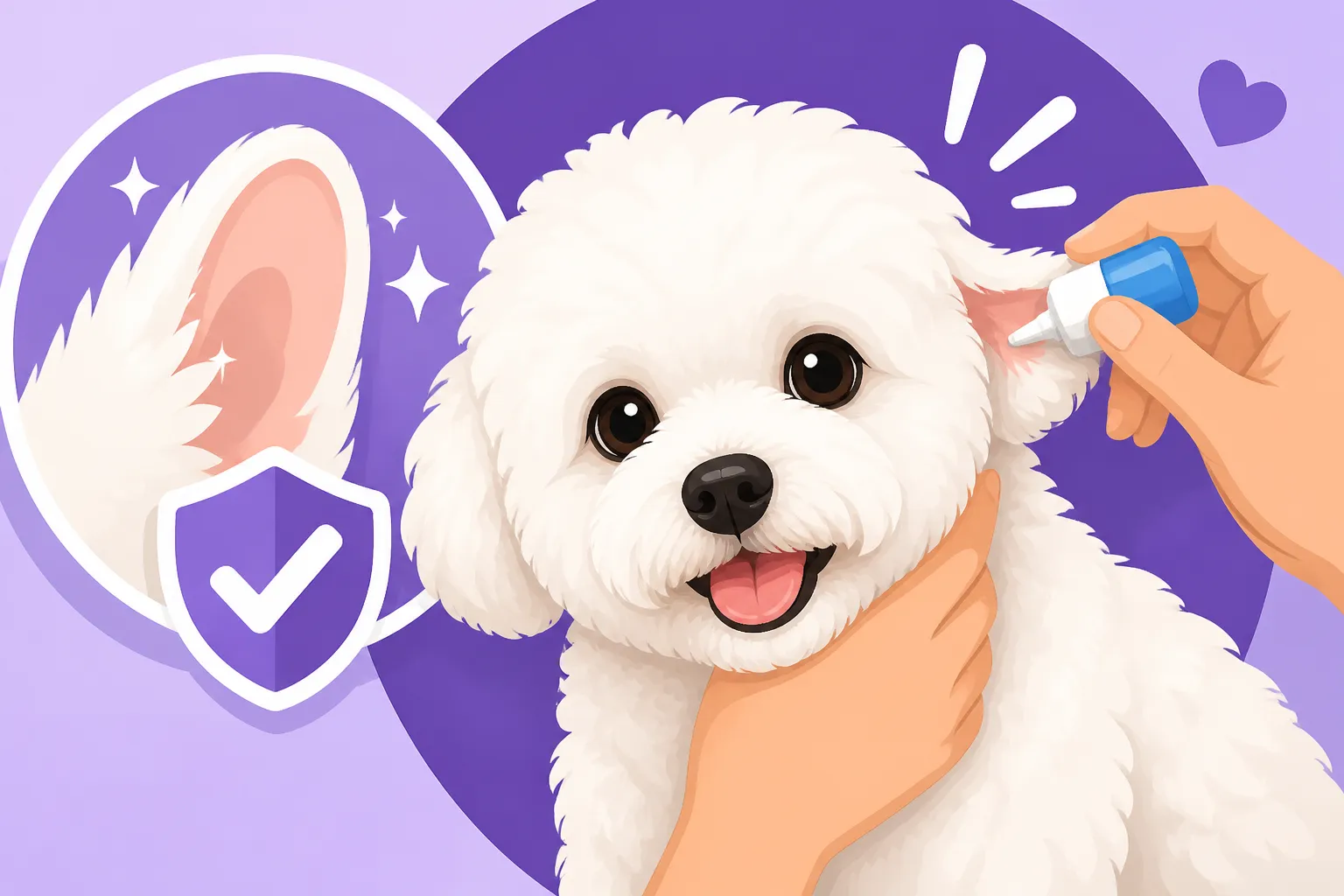
Teaching a Bichon Frise to Accept Ear Treatment
It's a common frustration for many Bichon Frise owners: the moment you even look at their ears with a bottle of cleaner, they're already wriggling, shaking their head, or even trying to bite. This isn't just about being stubborn; it often stems from discomfort, fear, or a lack of positive early experiences. This guide will walk you through empathetic, practical strategies to help your beloved Bichon not just tolerate, but actually accept ear treatment, turning a stressful chore into a manageable routine.
Understanding Why Ear Treatment is a Challenge for Bichons
For many Bichon Frise owners, the struggle to clean or treat their dog's ears feels like a personal battle. It's easy to get frustrated, thinking your dog is just being difficult. However, there are very real, often overlooked reasons why Bichons, in particular, can be resistant to ear care. Understanding these underlying factors is the first step toward finding a compassionate and effective solution. It’s not just about what you’re doing, but also what your dog is experiencing.
The Bichon's Unique Ear Anatomy
Let's face it, those fluffy, drop-down ears that give our Bichons so much of their charm are also a bit of a curse when it comes to ear health. Unlike dogs with erect ears, which allow for better airflow, a Bichon's ears hang down, covering the ear canal. This creates a warm, moist, and often dark environment – essentially a perfect breeding ground for bacteria and yeast. Combine this with the significant amount of hair that grows inside their ear canals, and you have a recipe for potential issues. This dense hair can trap moisture, debris, and wax, further exacerbating the humid conditions. When an ear canal becomes inflamed or infected, it's incredibly painful. Imagine having a persistent, itchy, and sore spot that someone keeps trying to poke and prod – you'd be reactive too! This anatomical predisposition means many Bichons experience ear discomfort more often than other breeds, leading to a natural aversion to anything that touches their ears. Regular cleaning, therefore, isn't just cosmetic; it's a vital health necessity to prevent these painful flare-ups. You can read more about routine care in How Often a Bichon Frise's Ears Should Be Cleaned.
The Pain and Fear Cycle
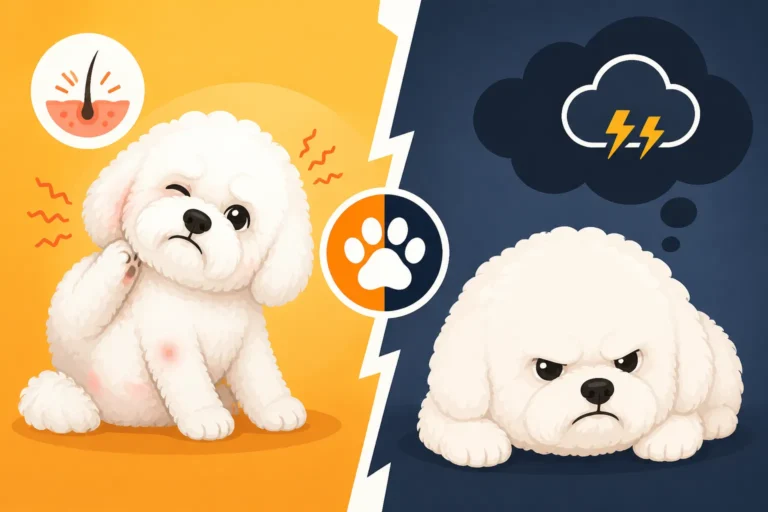
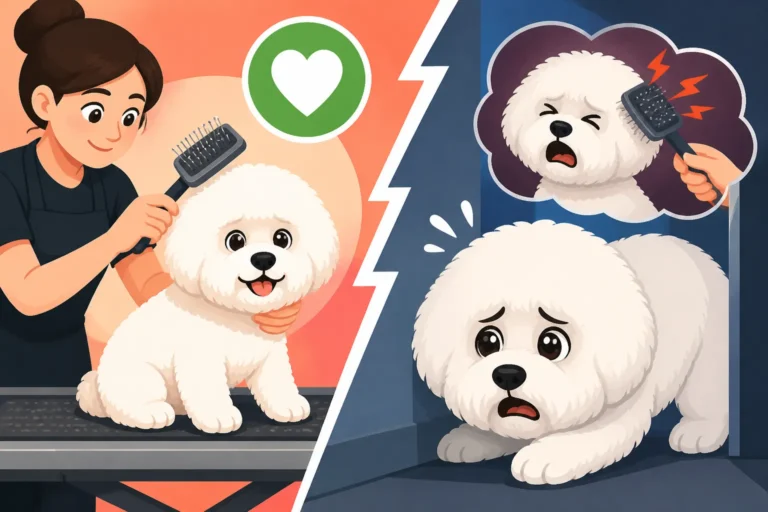
When a Bichon has experienced painful ear infections or rough handling during ear cleaning in the past, a strong negative association forms. This is a classic example of classical conditioning, where the sight of the ear cleaner, the smell of the solution, or even just the act of being restrained can trigger an immediate "fight or flight" response. It's not about being naughty; it's a learned survival mechanism. If your Bichon has shaken their head in pain after an infection or yelped during a clumsy cleaning attempt, they remember that. Each subsequent attempt at ear treatment can reinforce this fear, turning a potentially minor discomfort into a full-blown panic. This cycle makes it incredibly difficult to perform necessary ear care, as the dog anticipates pain even when it might not be present. Breaking this cycle requires immense patience, a gentle approach, and a commitment to rebuilding trust through positive experiences. It's about changing their emotional response to the entire process, replacing fear with feelings of safety and reward. Early detection of potential issues is key, so familiarizing yourself with The First Signs a Bichon Frise Has Stones (though this is about bladder stones, the principle of early detection for any health issue applies) can help prevent severe pain from developing in the first place for any ailment.
Starting Early: Puppyhood Training for Ear Handling
The best time to teach your Bichon Frise to accept ear treatment isn't when they're an adult struggling with an infection – it's when they're a tiny, impressionable puppy. Think of it as laying down a foundation for a lifetime of cooperative care. Just like teaching them to sit or stay, familiarizing them with having their ears handled calmly from a young age can prevent a world of headaches (and potential vet bills) down the line. It's about proactive rather than reactive training.
Gentle Touch and Positive Reinforcement
From the moment you bring your Bichon puppy home, start making ear handling a positive and normal part of their day. This doesn't mean cleaning their ears right away, but simply touching and gently manipulating them. While cuddling on the couch, gently stroke their ears. Lift the ear flap, peek inside, and immediately follow with a tiny, high-value treat and verbal praise ("Good ear!"). Do this for just a few seconds at a time, several times a day. The key is short, positive interactions. You want them to associate the sensation of ear touching with something wonderful, like a delicious piece of cooked chicken or a favorite soft treat. Never force it or hold them down if they resist initially. If they pull away, stop, wait a moment, and try again with even gentler touches and higher-value rewards. The goal is to build trust and show them that ear handling is a benign, even pleasant, experience. Many online puppy training programs, like those offered by BAXTER & Bella, emphasize foundational handling skills that can be incredibly useful for desensitizing puppies to touch in sensitive areas. This early exposure helps prevent the development of fear and resistance later on.
Making the Ear Exam a Routine
As your puppy gets more comfortable with gentle ear touches, gradually increase the duration and intensity. Move from simply touching to gently lifting the ear flap, then briefly touching the opening of the ear canal with your finger. Again, always pair these actions with lavish praise and treats. You can even introduce the smell of ear cleaner without actually applying it. Let them sniff the bottle, give them a treat, put the bottle away. The idea is to desensitize them to all the elements involved in the process. Aim to perform a quick "ear check" as part of their daily grooming or cuddle routine. This might involve briefly looking inside, gently massaging the base of the ear, and then rewarding. The more routine and predictable these positive interactions become, the less likely your Bichon will be to perceive ear treatment as a threat. This approach helps to normalize the process, making it just another part of their day, rather than a surprise assault. This routine will also make it easier to perform critical care like Whether a Bichon Frise Needs Its Glands Emptied or How Often a Bichon Frise's Teeth Need Scaling, as the general acceptance of handling will be much higher.
Desensitization and Counter-Conditioning for Older Bichons
If your Bichon Frise is already an adult who dreads ear treatment, don't despair! While it might take more time and patience than starting with a puppy, desensitization and counter-conditioning are powerful tools that can transform their fear into acceptance. This process is all about changing your dog's emotional response by gradually exposing them to the feared stimulus while pairing it with something positive.
Breaking Down the Process into Tiny Steps
The key to success with an adult Bichon is to break the ear treatment process down into the absolute smallest, most manageable steps. Trying to do a full ear cleaning all at once will likely overwhelm them and reinforce their fear. Start far away from the actual cleaning. For example, begin by simply sitting near your dog with the ear cleaning solution and cotton balls in sight, but not touching them. Reward calm behavior. Over several sessions, slowly move the items closer.
Here's a possible step-by-step progression:
- Sight: Ear cleaner bottle visible across the room. Reward calm.
- Proximity: Bottle on a table nearby. Reward calm.
- Touch the Bottle: You touch the bottle. Reward calm.
- Handle Bottle: You pick up the bottle. Reward calm.
- Touch Ear Flap: Gently touch their ear flap (no bottle yet). Reward.
- Lift Ear Flap: Gently lift the ear flap. Reward.
- Briefly Touch Ear Opening: With your finger. Reward.
- Introduce Scent: Let them sniff the bottle. Reward.
- Damp Cotton Ball: Touch the outer ear with a damp (with water, not cleaner) cotton ball. Reward.
- Small Amount of Cleaner: Apply a tiny drop of cleaner to the outer ear, nowhere near the canal. Reward.
Each step should be repeated until your Bichon shows no signs of stress or fear. If they react negatively, you've gone too fast; go back to the previous step where they were comfortable. This methodical approach ensures that you're always building on positive experiences.
Pairing Treatment with High-Value Rewards
Counter-conditioning is about changing your dog's emotional association with the ear treatment from negative to positive. This means consistently pairing every step of the process with something your Bichon absolutely loves. Forget regular kibble; for this, you need the good stuff! Think small pieces of cheese, cooked chicken, hot dogs, or even a lick from a spoonful of peanut butter (xylitol-free, of course!).
The timing of the reward is crucial. The treat should appear immediately after the desired behavior or the introduction of the scary stimulus. For instance, the moment you lift their ear flap, a treat appears. The moment the ear cleaner bottle is visible, a treat appears. You want your Bichon to think, "Oh, ear cleaner? That means delicious chicken is coming!" It's not about bribing them, but about changing their internal feeling about the event. Make it a game, not a battle. Keep sessions very short – just a minute or two – and always end on a positive note. Never push them past their comfort level. For further guidance on positive training, the BAXTER & Bella online puppy school offers excellent resources that apply equally to adult dog behavioral modification, focusing on gentle methods and building trust.
Essential Tools and Techniques for Successful Ear Care
Having the right tools and knowing how to use them effectively can make a world of difference when it comes to cleaning your Bichon Frise's ears. A clumsy or painful experience with inadequate supplies can undo weeks of positive training, reinforcing their aversion. It's not just about the what, but the how that truly counts here.
Choosing the Right Cleaning Products and Swabs
Selecting the appropriate ear cleaner is paramount. Always consult your veterinarian first to ensure you're using a product suitable for your Bichon's specific ear health needs, especially if they are prone to infections. Some cleaners are designed to dry the ear canal, others to break down wax, and some have antiseptic properties. Using the wrong one can irritate sensitive skin. Look for gentle, pH-balanced solutions often recommended by vets. You can often find a good selection of vet-approved ear cleaners and other pet supplies on platforms like Amazon, making it convenient to source the right products.
When it comes to swabs, resist the urge to use cotton buds (Q-tips) deep inside the ear canal. The Bichon's ear canal makes a sharp bend, and cotton buds can easily push debris further in, or worse, damage the delicate eardrum. Instead, opt for large cotton balls or gauze pads. These are much safer for wiping the outer ear and the folds of the ear flap. For any deeper cleaning, always defer to your vet, who can use appropriate tools to safely visualize and clean the canal. Knowing the correct tools will prevent accidental harm and keep your Bichon more cooperative. This is part of preventing Recurrent Ear Infections in a Bichon Frise.
The Art of Holding and Distracting
Even with the best training, some Bichons will still prefer to avoid ear treatment. This is where gentle, secure holding and strategic distraction come into play. A calm and confident owner often makes all the difference. Instead of wrestling your dog on the floor, try to position them in a way that feels secure but not overly restrained. Placing them on a non-slip surface on a table, or even cradling them in your lap with their head facing away from you, can work. Having another person assist can be incredibly helpful: one person can hold and distract, while the other focuses on the ear.
Distraction is your secret weapon. A stuffed Kong smeared with peanut butter, a long-lasting chew, or a steady stream of high-value treats from a second person can keep your Bichon focused on something enjoyable while you quickly and efficiently perform the ear treatment. The key is speed and efficiency once you start. Be confident in your movements; hesitation can make your dog more anxious. Remember, the goal is to make the experience as quick and positive as possible, minimizing the time they spend feeling uncomfortable. For many, the process will also include specific care such as Whether a Bichon Frise's Ear Hair Needs Plucking.
Here’s a helpful table comparing ear cleaning approaches:
| Method | Pros | Cons | Ideal For |
|---|---|---|---|
| Early Puppy Training | Builds lifelong acceptance, prevents fear. | Requires consistency, starts young. | New puppies, preventing future issues. |
| Desensitization | Rebuilds trust for fearful adults, effective long-term. | Time-consuming, requires extreme patience. | Adult Bichons with mild to moderate ear aversion. |
| Counter-Conditioning | Changes emotional association with positive rewards. | Requires high-value treats, consistent positive reinforcement. | Adult Bichons with moderate to severe ear aversion. |
| Distraction & Hold | Allows quick treatment, useful in a pinch. | Doesn't address underlying fear, can be stressful if overused. | Emergency situations, quick checks, or combined with training. |
| Professional Groomer | Expert handling, specific tools. | Can be costly, doesn't teach owner skills, may still cause stress. | Severe matting, complex grooming needs. |
Dealing with Resistance and Aggression During Treatment
It's heartbreaking when your sweet Bichon Frise snarls, growls, or tries to snap at you during ear treatment. It feels like a betrayal, but it's crucial to remember that this isn't personal. Such behavior is almost always rooted in fear, pain, or both. Understanding these signals and knowing when to back off or seek professional help is vital, not just for your safety, but for maintaining your bond with your dog.
Recognizing the Signs of Stress and Pain
Dogs communicate their discomfort long before they resort to biting. Learning to read these subtle (and not-so-subtle) cues is paramount. If your Bichon is showing any of the following, they are telling you they are stressed, anxious, or in pain:
- Lip licking or yawning (when not tired): These are common appeasement signals.
- Head turning or looking away: Trying to avoid interaction.
- Tensing up, stiff posture: Indicating discomfort or bracing for an unpleasant experience.
- Whites of the eyes showing (whale eye): A clear sign of stress or fear.
- Tail tucked or held low: General anxiety.
- Shaking or trembling: Fear response.
- Low growl or soft whine: An audible warning.
- Attempting to escape or hide: Wanting to get away from the situation.
If you observe these signs, stop what you are doing immediately. Pushing past these warnings can escalate the situation, leading to increased fear and potentially a bite. A dog that is constantly shaking its head may also be exhibiting pain related to ear issues, as mentioned in Whether a Bichon Frise Shakes Its Head. Persistent scratching, rubbing their face, or even crying when their ears are touched are also clear indicators of distress.
When to Seek Professional Help
There are times when no amount of gentle coaxing or positive reinforcement at home will suffice, and that's perfectly okay. If your Bichon is exhibiting consistent aggression (growling, snapping, biting), severe pain, or if you suspect a deep-seated ear infection, it's time to call in the professionals.
Your veterinarian is your first port of call. They can properly diagnose any underlying ear conditions, prescribe medication for pain or infection, and often provide professional ear cleaning under sedation if necessary. Sometimes, a painful ear infection needs to be treated and healed before any training can begin, as trying to train through pain is ineffective and cruel. A vet can also rule out other health issues, such as allergies, that might be contributing to chronic ear problems. If you're concerned about the financial aspect, it's worth noting What an Ear Infection Costs to Treat on a Bichon Frise can be significant, making preventative care and early intervention even more valuable.
For behavioral challenges, particularly aggression, a certified professional dog trainer or a veterinary behaviorist can provide invaluable guidance. They can assess your Bichon's specific behavior, create a tailored desensitization and counter-conditioning plan, and teach you advanced handling techniques. They can also advise on specific tools or muzzles for safety if necessary during treatment. Remember, seeking help is a sign of responsible pet ownership, not failure. Sometimes, a fresh perspective and expert guidance are exactly what you and your Bichon need to overcome these hurdles.
Maintaining Long-Term Ear Health and Compliance
Getting your Bichon Frise to accept ear treatment is a marathon, not a sprint. Once you've achieved a level of comfort and cooperation, the real work begins: maintaining that progress and ensuring their ear health for the long haul. Consistency, vigilance, and preventative measures are your best allies in keeping those fluffy ears happy and healthy.
Establishing a Consistent Schedule
Just like regular grooming appointments are crucial for their coat, a consistent schedule for ear checks and cleaning is vital for ear health. Many Bichon owners find that a weekly or bi-weekly ear check, followed by a gentle cleaning if needed, works best. This routine helps prevent wax and debris buildup, and more importantly, allows you to spot potential problems early, before they become painful infections. Incorporate ear care into an existing routine, like after a bath when the ears might already be slightly damp and the dog is used to being handled, or during a quiet evening cuddle session.
By making it a predictable part of their life, your Bichon will be less likely to resist. Think of it like brushing your teeth – it’s a non-negotiable part of daily hygiene. Mark it on your calendar, set a reminder on your phone, or simply integrate it into a Saturday morning routine. Consistency reinforces the positive associations you've worked so hard to build and keeps the skills sharp. It also helps to prevent bigger problems that might lead to more intense treatments, such as those that might arise from The Stone That Comes Back a Year After Bichon Frise Surgery (again, a general principle of ongoing care, though this specific link is for bladder stones).
Preventative Measures to Reduce Treatment Needs
The best ear treatment is often no treatment at all – meaning, preventing problems from arising in the first place! Several preventative measures can significantly reduce the frequency and intensity of ear issues for your Bichon.
Firstly, regular grooming is essential. The hair inside a Bichon's ear canal should be carefully plucked by a professional groomer or vet. This allows for better airflow and prevents wax and debris from getting trapped. Discuss this with your groomer during your regular six-week appointment – for example, as part of What a Full Bichon Frise Groom Costs. Secondly, post-bath care is critical. Bichons love baths, but moisture trapped in the ear canal is a prime culprit for infections. Always ensure their ears are thoroughly dried after bathing or swimming. You can gently blot the outer ear with a cotton ball, and a very light application of an ear-drying solution (vet-approved) can be beneficial. Consider Whether a Bichon Frise Needs Ear Drying After a Bath for more detailed insights.
Finally, addressing underlying allergies can dramatically impact ear health. Many chronic ear infections in Bichons are secondary to environmental or food allergies. If your Bichon frequently has red, itchy, or smelly ears, discuss allergy testing and management with your vet. This might involve a special diet, medication, or allergy shots. By tackling the root cause, you can often break the cycle of recurring ear infections, making ear care a much less frequent and stressful event for everyone involved. Managing a Bichon Frise's Skin Without Steroids might also offer alternative approaches that benefit overall skin and ear health.
Disclaimer
This article is for general informational purposes only and does not constitute professional advice. Laws, prices and regulations vary by location and change over time. Consult a qualified professional for guidance on your specific situation.