Whether a Clipped Bichon Frise Coat Grows Back the Same
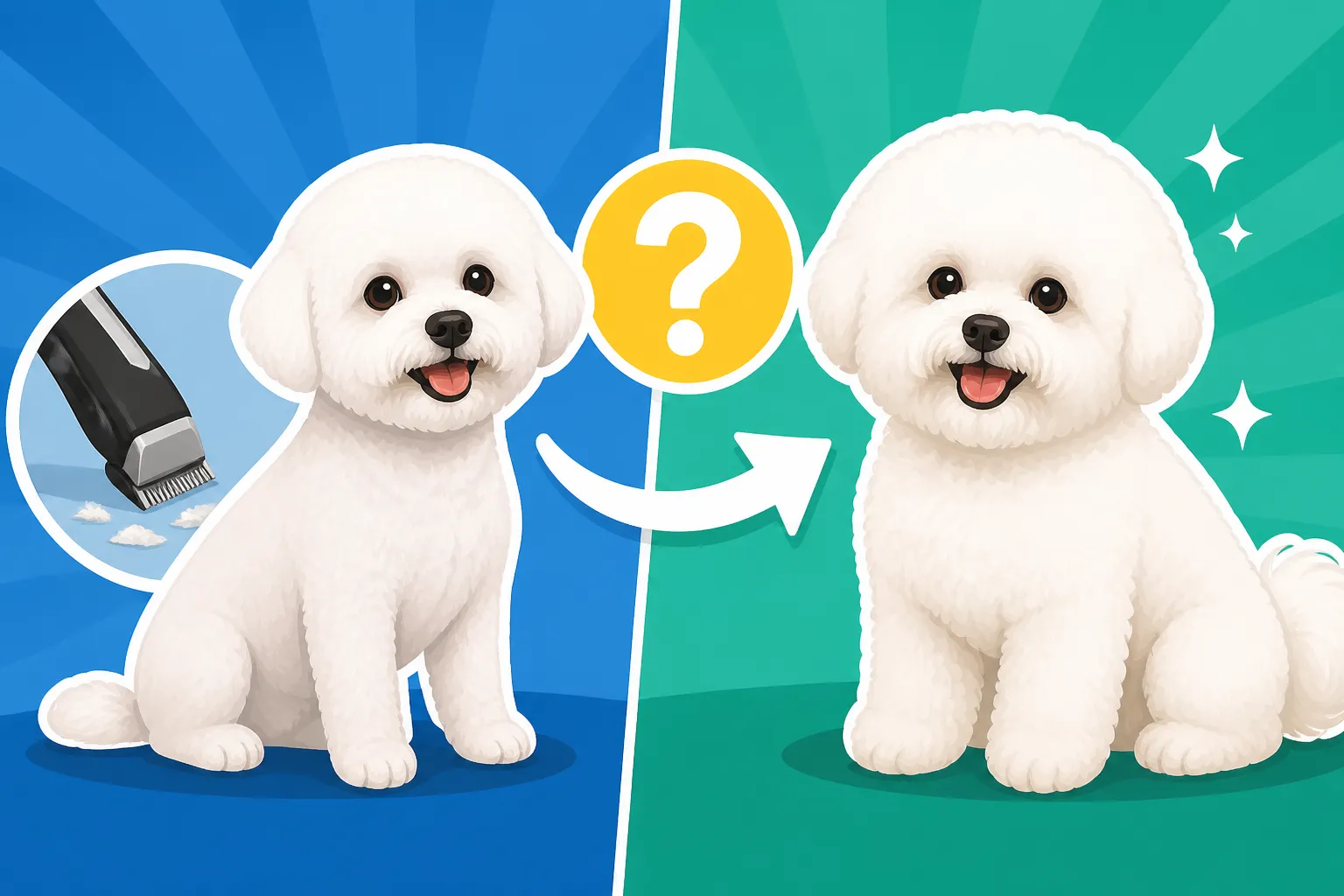
It’s a common scenario: your beautiful Bichon Frise gets a little matted, or maybe you just want a lower-maintenance look for summer, so you opt for a full clip. Then, the worry sets in – will that signature fluffy, powder-puff coat ever truly grow back the same? This is a question that weighs heavily on the hearts of many Bichon owners, and it’s a totally valid concern because the Bichon’s coat is quite unique. This guide aims to clear up the confusion, explain what truly happens when a Bichon Frise coat is clipped, and what you can realistically expect during the regrowth process.
Understanding the Bichon Frise Coat: More Than Just Fluff
The Bichon Frise coat is truly one of its most defining features – a cloud of white, soft, curly hair that seems to defy gravity. But it’s not just "hair"; it’s a carefully balanced double coat with specific characteristics that make it unique among dog breeds. Understanding this structure is key to appreciating why clipping can have such a noticeable impact.
The 'Powder Puff' Ideal vs. Practicality
When you picture a Bichon Frise, you likely envision that perfectly rounded, cloud-like silhouette, often referred to as the "powder puff" look. This is the show standard, a meticulously scissored masterpiece that highlights the breed's cheerful disposition and elegant lines. Achieving this look requires incredible skill, time, and consistent grooming. It’s no wonder many pet owners, myself included, often find themselves longing for a more practical, easy-to-maintain style for their everyday furry companions.
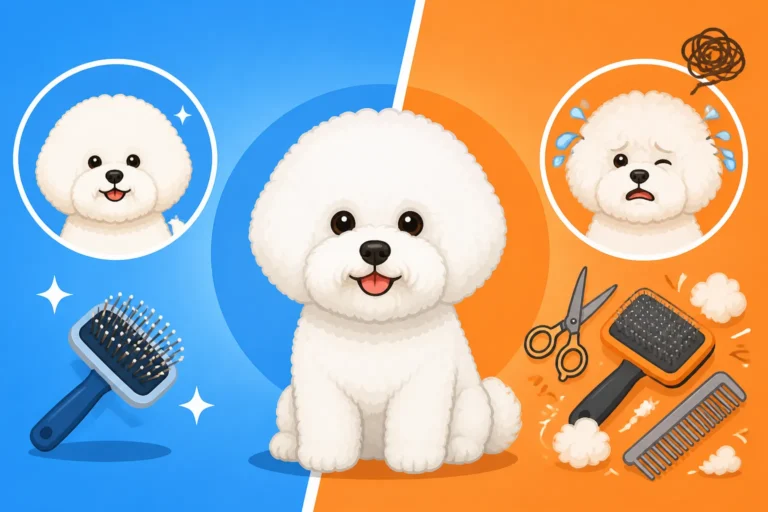
For many, the idea of maintaining that pristine coat day in and day out is daunting. Daily brushing, frequent bathing, and regular professional grooming appointments are a must to prevent mats and keep the coat healthy. This is where the temptation of a short, all-over clip comes in. It promises relief from tangles and a cooler dog in summer, but it often comes with questions about what will happen to that beloved coat. It’s a trade-off, and one that requires understanding what you’re working with. If you're interested in the ideal, you can learn more in The Powder Puff Outline a Bichon Frise Is Scissored Into.
How the Bichon Coat Naturally Grows
Unlike many breeds that shed profusely, scattering hair all over your home, the Bichon Frise is known for being a low-shedding, often referred to as "hypoallergenic," breed. This doesn't mean they don't lose hair; it means their shed hair gets caught within their dense undercoat and curly outer coat. This unique growth pattern is why they need such diligent grooming – if those shed hairs aren't brushed out, they quickly form mats that can become painful and lead to skin issues.
The Bichon's coat consists of a soft, dense undercoat and a coarser, curly outer coat or guard hair. Both layers grow continuously, much like human hair, rather than having a fixed length. This continuous growth is what allows for that magnificent volume and shape when properly cared for and trimmed. When you consider whether a Bichon Frise coat grows forever, you’ll see why regular intervention is necessary. This continuous growth is also why proper nutrition plays a role in the health and quality of the growing hair.
The Impact of Clipping on a Bichon Frise Coat
Now, let's get to the heart of the matter: what actually happens when you introduce clippers to that beautiful Bichon coat? Many owners fear "ruining" the coat forever, and while it's rarely a permanent disaster, there are certainly changes to be aware of.
Clipping vs. Scissoring: What's the Difference?
It’s crucial to understand the distinction between clipping and scissoring, as they affect the coat differently.
- Scissoring: This method involves using scissors to meticulously shape and trim the coat, often in layers. A skilled groomer can create the "powder puff" look by scissoring, which maintains the natural texture and integrity of both the undercoat and guard hairs. The hair is cut at varying lengths, allowing for natural movement and blend. This is why many professional groomers prefer scissoring for Bichons. Why a Groomer Scissors a Bichon Frise Instead of Clipping It offers more insight into this professional preference.
- Clipping: This involves using electric clippers with a specific blade length to cut the hair uniformly short, often closer to the skin. When a coat is clipped, especially with very short blades, it tends to cut through both the soft undercoat and the coarser guard hairs indiscriminately. This can disrupt the natural growth cycle and the texture of the individual hairs.
The table below highlights some key differences in approach and outcome:
| Feature | Scissoring (Traditional Bichon Trim) | Clipping (Pet/Summer Trim) |
|---|---|---|
| Tools Used | Shears, thinning shears | Electric clippers with various blade lengths |
| Approach | Hand-sculpting, layering, shaping | Uniform, even cut across the entire coat |
| Coat Structure | Preserves natural balance of guard hair and undercoat | Cuts through both guard hair and undercoat, potentially disrupting balance |
| Texture | Maintains natural soft, springy, curly texture | Can result in a softer, more cottony texture due to undercoat dominance |
| Volume/Shape | Creates and maintains the classic "powder puff" outline | Reduces volume significantly; creates a uniform, shorter look |
| Regrowth | Grows back maintaining original texture | May grow back with a slightly altered texture, often appearing softer/wispier |
| Time/Skill | More time-consuming, requires high skill | Faster, less specialized skill required for a basic short clip |
The Undercoat and Guard Hairs
When a Bichon's coat is clipped short, particularly with a blade that goes deep into the coat, it often cuts off a significant portion of the protective guard hairs while leaving a greater proportion of the softer undercoat. The guard hairs are the coarser, curlier outer layer that gives the Bichon its signature spring and helps repel dirt and moisture. The undercoat is denser and softer, providing insulation.
Here’s the thing: the undercoat and guard hairs grow at different rates and have different textures. When you clip, you’re essentially giving both layers an equal "reset." However, the undercoat often grows back faster and softer, sometimes appearing a bit more cottony or woolly than the original springy, curly topcoat. This is why some owners notice their Bichon’s coat feels different after a clip – it's not "ruined," but the balance between the two coat types has shifted, at least temporarily.
Potential Changes in Texture and Color
So, will it grow back exactly the same? In most cases, yes, the underlying genetics of the coat remain. However, the initial regrowth might not look or feel identical.
- Texture: As mentioned, the new growth can sometimes feel softer, less dense, or even a bit wispier. This is often because the softer undercoat is now more prominent, or the guard hairs are growing back from a blunt cut rather than a tapered one. It’s not necessarily a permanent change, but it can take time for the natural balance to re-establish itself. If your Bichon’s coat previously had that crisp, springy feel, it might take a few growth cycles and consistent scissoring to get that back. Whether a Clipped Bichon Frise Loses Its Shape touches on this aesthetic change.
- Color: This is less common, but some owners report slight discoloration. For example, if your Bichon had some subtle cream or apricot markings as a puppy that faded with age, a very short clip might cause those pigments to re-emerge slightly in the new growth before fading again. More often, any perceived color change is due to the coat being so short that the underlying skin pigmentation (which is naturally darker in a healthy Bichon) is more visible, making the coat appear less bright white than when it was longer and denser. External factors like sun exposure can also yellow a coat, whether clipped or scissored.
Strategies for Restoring or Managing a Clipped Coat
If you’ve clipped your Bichon and are now hoping to see that classic coat return, or if you’re planning a clip and want to manage the regrowth effectively, there are definitely steps you can take.
Patience and Consistent Grooming
This is perhaps the most important piece of advice. Bichon coats grow, but they don't grow overnight. Depending on how short the clip was, it could take several months, or even up to a year, for the coat to regain significant length and for its natural texture to become prominent again.
During this regrowth phase, consistent home grooming is absolutely vital. Even if the coat is short, it still requires regular brushing (2-3 times a week, if not daily for longer coats) to prevent mats from forming as the new hair grows in. Use a good quality slicker brush and a metal comb to ensure you get all the way down to the skin. Products like a detangling spray can make brushing easier. You can find excellent grooming tools on platforms like Chewy or Amazon.
Don't forget regular baths too, as a clean coat is less likely to mat. Follow up with thorough drying and brushing to keep the hair separated and fluffy. How Long Brushing a Bichon Frise Takes highlights the dedication required.
Nutritional Support for Coat Health
Just like with human hair, what goes into your dog’s body can influence the quality of their coat. A well-balanced diet rich in essential fatty acids (Omegas 3 and 6), vitamins, and minerals can support healthy skin and promote strong, vibrant hair growth.
Look for high-quality dog foods that list a named meat source as the first ingredient and contain healthy fats. Some owners choose to supplement their dog's diet with fish oil or other skin and coat supplements, but it’s always best to consult with your veterinarian before adding any supplements to your Bichon’s regimen. Brands like Ollie, known for fresh, human-grade ingredients, often formulate their recipes with overall pet health, including coat quality, in mind. While a specific brand isn't a magic bullet for coat texture, good nutrition certainly contributes to its overall health.
Professional Guidance and Maintenance
While you can do a lot at home, a professional groomer is your best ally in managing a Bichon's coat, especially during regrowth. They can assess the coat's condition, recommend appropriate products, and provide "shaping" trims that encourage the desired texture and length without another harsh clip.
Instead of waiting until the coat is long and matted, schedule regular appointments with your groomer every 6-8 weeks, even during the regrowth phase. They can perform light trims to neaten the coat, remove split ends, and gradually work towards restoring that classic Bichon look. Discuss your goals with your groomer – they are experts and can help guide the process. They can also advise on How Often a Bichon Frise Needs a Full Groom to keep the coat in top condition.
Setting Realistic Expectations for Coat Regrowth
It's natural to want your Bichon's coat to return to its former glory quickly, but managing your expectations is an important part of the process.
It Won't Always Be 'Show Quality'
Let's be honest: for most pet Bichons, achieving a "show quality" coat is a monumental task that requires immense dedication to grooming, genetics, and often, professional handling. If your dog has been closely clipped, the regrowth will eventually lead to a full coat again, but it might not immediately have that exact same springy, dense feel it had before.
The most noticeable difference might be a slightly softer texture because the undercoat might be more dominant initially. However, with time, consistent brushing, and regular shaping by a skilled groomer, the coarser guard hairs will grow back, and the coat will regain much of its original character. Focus on a healthy, comfortable, and tangle-free coat rather than chasing a potentially unattainable show standard if your lifestyle doesn't permit it.
Embracing the "New Normal"
Sometimes, after a clip, you might find that you and your Bichon actually prefer a shorter, more manageable coat. Many owners opt for a "puppy cut" or a shorter pet trim that still looks adorable but is much easier to maintain. This can be especially beneficial for active dogs who love to play outdoors, or for owners who struggle with the intensive daily grooming required for a long coat.
The most important thing is your dog's comfort and health. A shorter coat means less risk of painful matting, especially in areas prone to tangles like behind the ears, armpits, and around the sanitary area. It also means less time spent brushing and more time spent cuddling or playing! Ultimately, whether a clipped Bichon's coat grows back exactly the same is less important than ensuring your dog is happy, healthy, and well-cared for. If you find a shorter trim makes their life (and yours) easier, then embrace it!
Disclaimer
This article is for general informational purposes only and does not constitute professional advice. Laws, prices and regulations vary by location and change over time. Consult a qualified professional for guidance on your specific situation.