Whether a Water Fountain Encourages a Bichon Frise
One of the most persistent worries I hear from fellow Bichon Frise parents is whether their beloved little fluffball is drinking enough water. It’s a completely valid concern, especially when you know how susceptible these delightful dogs can be to certain health issues where proper hydration plays a crucial role. This guide will dive deep into how water fountains can be a fantastic tool to encourage your Bichon to drink more, and why that matters so much for their long-term well-being.
The Critical Importance of Hydration for Bichon Frises
Let’s be honest, those adorable, fluffy faces can sometimes mask underlying health vulnerabilities, and adequate water intake is a huge piece of the puzzle for a Bichon Frise. It’s not just about quenching thirst; it’s about supporting vital bodily functions and proactively warding off some very common, and often expensive, health problems.
Why Bichons Need to Drink More Than You Think
Bichon Frises, like many small breeds, are unfortunately prone to certain conditions where hydration is absolutely paramount. The big one that always comes to mind for us Bichon owners is bladder stones, particularly calcium oxalate stones. These tiny, sharp mineral deposits can form in the bladder, causing discomfort, infections, and in severe cases, life-threatening blockages. Proper hydration helps dilute the urine, making it less concentrated and less hospitable for these crystals to form and clump together. Think of it like trying to form sandcastles with really dry sand versus wet sand – the more dilute, the harder it is for those crystals to stick. It's a key strategy in preventing The Stone That Comes Back a Year After Bichon Frise Surgery and managing their urinary health.
Beyond stones, sufficient water intake is essential for healthy kidney function. Kidneys act as filters, removing waste products from the blood. If a dog is consistently dehydrated, their kidneys have to work harder with less fluid, which can put strain on these vital organs over time. Good hydration also supports nutrient absorption, helps regulate body temperature, aids in digestion, and keeps their joints lubricated. For a dog that's as active and playful as a Bichon, every single one of these functions is crucial for them to live their best life.
It's easy to overlook, but their small body size also means that even a slight dip in hydration can have a more pronounced impact compared to a larger dog. Their systems are delicate, and they rely on us to ensure their needs are met, especially when it comes to something as fundamental as water.
Recognizing Signs of Inadequate Water Intake
So, how can you tell if your little cloud isn't getting enough fluids? It’s not always as obvious as simply seeing an empty water bowl. One of the first things you might notice is changes in their energy levels. A dehydrated Bichon might seem more lethargic, less interested in play, or generally quieter than usual. Their typically bright, merry demeanor might be dulled.
Another tell-tale sign is the appearance of their gums. Healthy gums should be pink and moist; if they're pale or sticky, it’s a strong indicator of dehydration. You can also gently pinch a small amount of skin on their neck or back, then release it. If it snaps back quickly, that's good. If it's slow to return or "tents" up, that's another sign they need more water. You might also notice less frequent urination or urine that appears darker and more concentrated. Normally, a well-hydrated Bichon should have light yellow, fairly clear urine. Whether a Bichon Frise Needs Urine pH Monitored can also give you clues, but visual cues are your first line of defense. Any of these signs warrant a call to your vet, as dehydration can quickly become serious.
Understanding Canine Drinking Habits and Preferences
Dogs, despite being domesticated for thousands of years, still retain many of their wild instincts. These instincts often dictate their preferences, even something as seemingly simple as how and where they choose to drink. Understanding these innate behaviors can help us, as owners, create an environment that encourages better hydration.
The Instinctive Appeal of Moving Water
Think about it from a wild dog's perspective. Stagnant water sources, like puddles or still ponds, are often breeding grounds for bacteria, parasites, and algae. They can be less safe. Moving water – a babbling brook, a flowing stream – historically represented a fresher, cleaner, and therefore safer source of hydration. This instinctual preference is still very much alive in our modern canine companions.
When you offer your Bichon a bowl of still water, even if you just filled it, their primal brain might perceive it as less appealing or potentially riskier than a continuously flowing source. The sound of trickling water can also be incredibly enticing, acting as an auditory cue that draws them to the source. It’s almost like a little advertisement for fresh water, constantly reminding them it’s there and it’s good. Many owners report their dogs, previously indifferent to their water bowl, become fascinated by a fountain's gentle gurgle. This is part of Whether a Bichon Frise Should Be Encouraged to Drink.
Factors Influencing a Bichon's Drinking Behavior
Beyond instinct, several factors can influence how much your Bichon drinks. Environmental conditions play a big part. On a hot summer day or after a vigorous play session (even a "Bichon Blitz" around the living room!), your dog will naturally need more water. If they’re spending time outside, make sure there’s always cool, fresh water available.
Their diet is another major influencer. If your Bichon eats primarily dry kibble, they'll need to drink significantly more to compensate for the lack of moisture in their food. Dogs on a diet rich in wet food, or even a home-cooked diet with high moisture content, will naturally get a good portion of their daily water intake from their meals, thus drinking less from their bowl. Whether Wet Food Helps a Bichon Frise's Stones is a topic worth exploring here. Some medications can also increase thirst, while certain illnesses might decrease it. It's important to monitor these changes and discuss them with your vet.
Finally, a Bichon’s individual personality definitely comes into play. Some dogs are just naturally more avid drinkers, while others might need a bit more encouragement. Some can be picky about the temperature of their water, preferring it cool. Others might dislike the taste of certain water types (e.g., heavily chlorinated tap water) or even the material of their bowl. It's all about observing your unique little friend and tailoring their environment to their quirks.
How Water Fountains Are Designed to Entice Dogs
If you've ever considered a pet water fountain, you've probably wondered if it's truly worth the investment or if it's just another gadget. For many Bichon Frise owners, myself included, they can be a game-changer. These devices tap into those innate canine preferences we just discussed, offering a continuously appealing source of hydration.
The Allure of Fresh, Filtered, and Circulating Water
The primary benefit of a water fountain is that it keeps water constantly circulating. This movement isn't just visually appealing; it actually discourages the growth of stagnant water scum and makes the water feel fresher to your dog. Think about how a still puddle can get warm and a bit funky, versus the crispness of a flowing stream. The circulation also helps oxygenate the water, which can subtly improve its taste, making it more palatable for even the pickiest Bichon.
Most pet fountains come equipped with filtration systems. These filters typically remove impurities, odors, and tastes that might be present in tap water, such as chlorine or sediment. Some even have activated carbon filters to remove microscopic particles. This means your Bichon is always getting cleaner, better-tasting water, which can be a huge motivator to drink more. My own Bichon, Daisy, definitely has her preferences, and I've found she gravitates to the fountain over a regular bowl because it always seems so invitingly fresh.
The materials used in fountains also contribute to their appeal and cleanliness. You'll find options in stainless steel, ceramic, and high-quality plastics. Stainless steel and ceramic are often favored because they are non-porous, making them easy to clean and less likely to harbor bacteria than some plastics, especially if the plastic scratches over time. Plus, they don't impart any strange tastes to the water.
Different Types of Water Fountains for Small Breeds
When you start looking at water fountains, you'll quickly realize there's a whole world of designs out there. For a Bichon Frise, size and features are important considerations. You don't want a massive fountain designed for a Great Dane, nor one that's so complex it's a nightmare to clean.
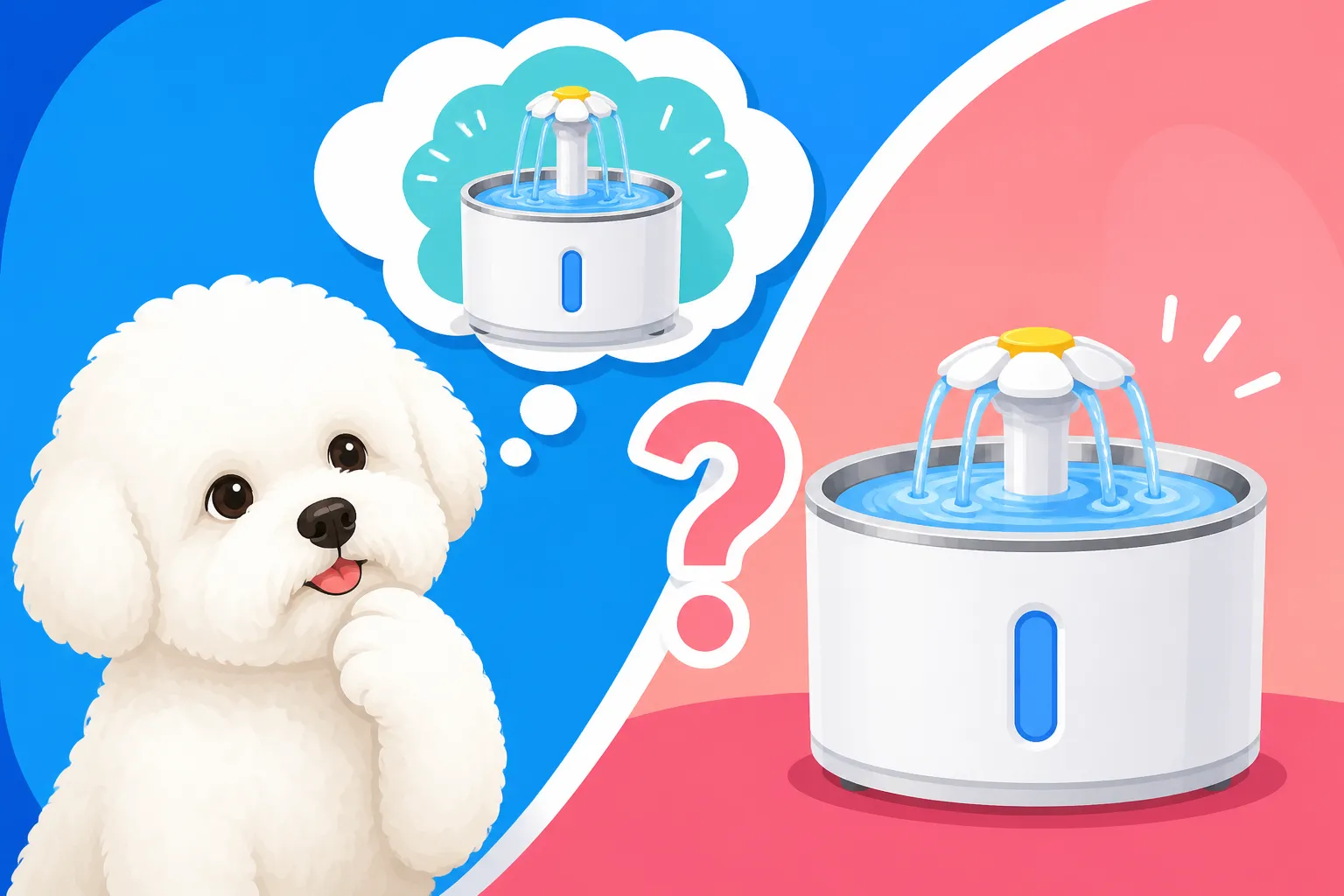
Many small-breed fountains feature a low-profile design, making it easy for little dogs to drink without having to stretch or reach too high. Some popular styles include "flower" fountains, which have a little cap that makes the water bubble up and flow from petal-like openings, creating multiple streams. Other designs are multi-tiered, allowing water to cascade down, or have a gentle ramp for water to flow over. These different flow styles can be more attractive to some dogs than just a simple bubbling well.
Noise level is another factor to consider. While the sound of trickling water can be enticing, a loud pump might scare a sensitive Bichon or simply annoy you. Many modern fountains are designed with quiet pumps, so you barely hear them running. Capacity is also important – how much water does it hold? For a small Bichon, you probably don't need a huge reservoir, but you'll want enough so you're not refilling it multiple times a day. You can find excellent options on sites like Chewy or Amazon, where you can read reviews from other small dog owners.
Practical Considerations for Introducing a Water Fountain to Your Bichon
Bringing a new gadget into your home, especially one that changes a daily routine like drinking, can sometimes be met with skepticism by our furry friends. Bichons, while generally adaptable, can also be quite particular. So, a thoughtful introduction is key to making the water fountain a success.
Choosing the Right Fountain for Your Bichon Frise
Selecting the perfect water fountain involves a bit of homework to ensure it suits both your Bichon and your lifestyle. First, think about the size and height. A fountain that's too tall might be uncomfortable for your Bichon to drink from, especially if they have Arthritis in a Bichon Frise at Eleven or other joint issues. Look for low-profile designs or those with adjustable heights.
Material is another crucial factor. As mentioned, stainless steel and ceramic options are often preferred for hygiene and durability. Plastic fountains are usually more affordable, but ensure it's made from high-quality, BPA-free plastic that's easy to clean thoroughly. My personal preference leans towards ceramic because it looks nice and is heavy enough not to be easily tipped over by an enthusiastic Bichon. Consider also the filter type and availability – you’ll need to replace these regularly, so make sure they’re easy to find and reasonably priced.
Finally, consider the noise level. A gentle hum or soft trickling sound is usually fine, and can even be calming, but a loud, vibrating pump might deter your Bichon. Read reviews carefully, as many manufacturers highlight quiet operation. Websites like Chewy and Amazon offer a vast array of pet water fountains, often with detailed descriptions and customer feedback that can help you weigh your options and find the perfect fit.
Tips for Encouraging Your Bichon to Use the Fountain
Once you've picked out a fountain, the introduction process needs to be gradual and positive. Don’t just swap out their old bowl for the new fountain overnight. Here’s a step-by-step approach that often works wonders:
- Start with Familiarity: Place the new, unplugged fountain next to your Bichon’s current water bowl for a day or two. Let them sniff it, get used to its presence, and understand it’s not a scary monster. You can even put some of their old water in the fountain basin to make it smell familiar.
- Gradual Introduction to Flow: Once they seem comfortable, plug in the fountain but keep their old water bowl nearby. The sound of the running water might pique their curiosity or initial apprehension. If they seem hesitant, try turning the fountain on for short periods and gradually increasing the time.
- Positive Reinforcement: When your Bichon shows any interest – even just sniffing the fountain – offer praise and a small, healthy treat. If they take a sip, celebrate it like they just won Best in Show! Positive associations are key. Avoid forcing them to drink from it, as this can create a negative experience.
- Remove the Old Bowl Slowly: Once you see your Bichon regularly drinking from the fountain, you can gradually phase out the old water bowl. Don't remove it entirely for at least a week or two, just in case they need that familiar option. Eventually, they'll likely prefer the fresh, circulating water.
- Cleanliness is Key: Ensure the fountain is always clean. A dirty fountain will quickly lose its appeal, no matter how enticing the flowing water might be.
Remember, every Bichon is an individual, so patience is paramount. Some will take to it immediately, while others might need a bit more time and encouragement.
Maintenance and Long-Term Benefits of a Water Fountain
A water fountain isn't a "set it and forget it" item, but the small amount of regular maintenance required is a small price to pay for the potential health benefits it offers your Bichon Frise. Keeping it clean ensures it remains an attractive and hygienic water source.
Essential Cleaning and Filter Replacement Schedule
Just like any water receptacle, pet water fountains need regular cleaning to prevent the buildup of slime, bacteria, and mineral deposits. I recommend disassembling and thoroughly cleaning the entire fountain at least once a week, if not more often, especially in warmer climates or if multiple pets use it. This involves scrubbing all components – the basin, pump, and spouts – with warm, soapy water and a soft brush. Make sure to rinse everything thoroughly to remove any soap residue. Many fountains have dishwasher-safe parts, which can simplify the process significantly.
Filter replacement is equally important. Most fountains use activated carbon filters that trap debris, remove odors, and purify the water. These filters typically need to be replaced every 2 to 4 weeks, depending on the fountain model and how much your Bichon drinks. Always follow the manufacturer's recommendations. Neglecting filter changes can lead to less effective filtration, a buildup of impurities, and even a decrease in water flow. Stocking up on replacement filters is a good idea, and you can often find multi-packs on Chewy, Amazon, or even directly from the fountain manufacturer’s website. Keeping the pump clean is also crucial; mineral deposits can clog it, reducing water flow and eventually leading to pump failure.
The Potential Impact on Bichon Frise Health
The long-term benefits of a water fountain for your Bichon Frise can be truly significant, especially when you consider their predisposition to certain health issues. By encouraging consistent, ample water intake, you're actively working to dilute their urine, which is a primary defense against the formation of bladder stones. This is particularly relevant for the Bichon Frise breed, which is often treated for issues like calcium oxalate stones. Consistent hydration reduces the concentration of minerals and metabolic waste products in the urine, making it much harder for those problematic crystals to precipitate and form stones. This links directly to the advice in Whether Diluting Urine Prevents Bichon Frise Stones.
Beyond stone prevention, better hydration supports overall urinary tract health, reducing the risk of urinary tract infections (UTIs) because frequent urination helps flush out bacteria. It also contributes to healthier kidney function, as we discussed earlier, helping these vital organs efficiently process and eliminate waste. Furthermore, good hydration is fundamental for optimal cellular function, digestion, circulation, and even coat health – making that iconic Bichon coat even more lustrous. In essence, a water fountain isn't just a fancy dish; it's a proactive health tool that contributes to your Bichon's vitality and potentially helps you avoid costly and stressful vet visits related to urinary issues. How Often a Bichon Frise's Stones Return can be significantly impacted by continuous good hydration habits.
Complementary Strategies to Boost Hydration
While a water fountain is a fantastic tool, it's just one part of a holistic approach to ensuring your Bichon Frise is optimally hydrated. Combining it with other strategies can create a truly robust hydration plan, especially for those picky drinkers or dogs with specific health needs.
Incorporating Wet Food and Hydrating Treats
One of the easiest and most effective ways to boost your Bichon’s daily water intake is through their diet. Wet dog food, also known as canned or fresh food, typically has a moisture content ranging from 70% to 80%. Compare that to dry kibble, which is usually only about 10% moisture. Switching to, or even just adding a portion of, wet food to your Bichon's diet can make a dramatic difference. Many Bichons find wet food more palatable, too, which is a bonus for fussy eaters. Brands like Ollie offer fresh, human-grade food options that are naturally high in moisture and can be a fantastic way to add hydration and nutrition.
Beyond meals, consider hydrating treats. Small pieces of ice cubes can be a fun, crunchy treat on a hot day. You can also freeze low-sodium chicken or beef broth (ensure it's dog-safe and free of onions, garlic, and excessive salt) into ice cube trays for a flavorful hydrating snack. Some vegetables and fruits, like cucumber slices or watermelon (without seeds or rind), are also high in water content and can be offered in moderation as healthy, hydrating rewards. Just be sure to always check if human foods are safe for dogs before offering them.
Creating a Hydration-Friendly Environment
Think about your home from your Bichon's perspective. Are there multiple easy-to-access water sources? Sometimes, simply having water bowls in different areas of the house – perhaps one in the kitchen, one near their favorite napping spot, and one outside – can encourage more frequent sips throughout the day. This is especially true if your Bichon is older or has mobility issues.
Even with a fountain, don't ditch the traditional bowls entirely. Some dogs prefer still water at certain times, or they might feel more comfortable drinking from a familiar bowl. Ensure all bowls, traditional or fountain, are kept impeccably clean and filled with fresh, cool water at all times. Just like you wouldn't want to drink stale, lukewarm water, neither does your Bichon. Changing the water in traditional bowls several times a day can make a big difference in its appeal. Consider a ceramic or stainless steel bowl over plastic if your Bichon is particular, as these materials tend to keep water cooler and don't absorb odors. Ultimately, the goal is to make drinking water as inviting and effortless as possible for your cherished Bichon Frise. These simple steps, combined with the allure of a fountain, can ensure your little companion stays perfectly hydrated and healthy.
| Feature / Type | Stainless Steel Fountains | Ceramic Fountains | Plastic Fountains |
|---|---|---|---|
| Durability | Highly durable, resistant to breakage | Durable, can chip/break if dropped | Least durable, prone to scratches |
| Hygiene | Very hygienic, non-porous, easy to clean | Very hygienic, non-porous, easy to clean | Can scratch, potentially harbor bacteria |
| Noise Level | Can sometimes amplify pump noise | Often quieter due to material mass | Varies greatly by design and pump |
| Aesthetics | Modern, sleek look | Classic, elegant, can match decor | Wide variety of colors and designs |
| Weight/Stability | Medium weight, stable | Heavy, very stable, harder to tip | Lightweight, can be easily tipped |
| Price Point | Moderate to higher | Moderate to higher | Generally most affordable |
| Heat Conductivity | Keeps water cool | Keeps water cool | Can allow water to warm faster |
Disclaimer
This article is for general informational purposes only and does not constitute professional advice. Laws, prices and regulations vary by location and change over time. Consult a qualified professional for guidance on your specific situation.