Whether the Hair Under a Bichon Frise’s Eyes Should Be Trimmed
One of the most common cosmetic and, let's be honest, often frustrating issues Bichon Frise owners face is those stubborn tear stains and the often unruly hair around their eyes. You try to keep it clean, but it feels like a losing battle, right? This guide is here to walk you through everything about the hair under your Bichon Frise's eyes, specifically addressing whether trimming it is the best approach, how to do it safely, and what other steps you can take to keep your fluffy companion looking bright-eyed and comfortable.
Understanding the Hair Around Your Bichon Frise's Eyes
The Bichon Frise, with its signature powder puff coat, has unique hair growth that can sometimes be a double-edged sword, especially around their delicate eyes. This isn't just about aesthetics; it’s a crucial aspect of their overall health and comfort. That lovely, soft, white fur can quickly become a magnet for moisture, debris, and, yes, those reddish-brown tear stains that seem to appear overnight. It's a common struggle, and it's completely understandable to feel overwhelmed by it.
Why Eye Hair Can Be Problematic for Bichons
Think about it: your Bichon's long, fine hair around the eyes is designed to grow, and grow it does! Unlike many breeds that shed this hair, the Bichon's coat holds onto it, which means it can easily become a tangled mess if not managed properly. This isn't just about looking unkempt; it creates a host of potential problems. First, the hair can act like a wick, drawing tears and moisture away from the eye itself and onto the surrounding skin and fur. This constant dampness is a perfect breeding ground for yeast and bacteria, leading to further staining, skin irritation, and even unpleasant odors. It's a vicious cycle that can be tough to break.
Beyond the staining, long hairs can also physically irritate the eye. Imagine having a stray hair constantly poking your own eye—it’s incredibly uncomfortable! For a Bichon Frise, these hairs can rub against the cornea, leading to redness, excessive tearing, and even corneal ulcers if left unchecked. This isn't just a minor annoyance; it can be quite painful and compromise their vision over time. Owners often notice their Bichons squinting, rubbing their faces, or displaying increased discharge, all signs that something isn't right with the eye area.
The Role of Tear Stains and Eye Discharge
Tear stains are practically a badge of honor for many Bichon Frise owners, though not one we particularly want! These reddish-brown streaks are caused by porphyrins, iron-containing waste products found in tears and saliva. When these porphyrins are exposed to light and air, they oxidize and create that characteristic reddish-brown discoloration. While all dogs produce porphyrins, they're much more noticeable on a white-coated dog like a Bichon. The Tear Stains Under a Bichon Frise's Eyes delves deeper into this common issue.
Excessive tearing, known as epiphora, can exacerbate tear staining. This can be due to a variety of factors, from environmental irritants like dust or pollen to more serious underlying issues such as blocked tear ducts or even glaucoma. The hair around the eyes absorbs this excessive moisture, keeping the area perpetually damp and allowing bacteria and yeast to thrive, which can lead to secondary infections. Sometimes, what looks like mere staining is actually a sign of infection, causing further discomfort and a more intense discoloration. That persistent dampness can also break down the skin barrier, making the area sore and itchy, which your Bichon might try to relieve by rubbing their face, potentially causing more irritation.
To Trim or Not To Trim: Weighing Your Options
The question of whether to trim the hair under your Bichon Frise's eyes is a common dilemma, and there's no single right answer for every dog or owner. It really depends on your Bichon's individual needs, how severe their staining or irritation is, and your comfort level with at-home grooming. Many owners find themselves caught between wanting to keep their Bichon looking pristine and fearing they might accidentally hurt their precious pup. It's a valid concern, and approaching it with careful consideration is key.
Benefits of Trimming the Eye Hair
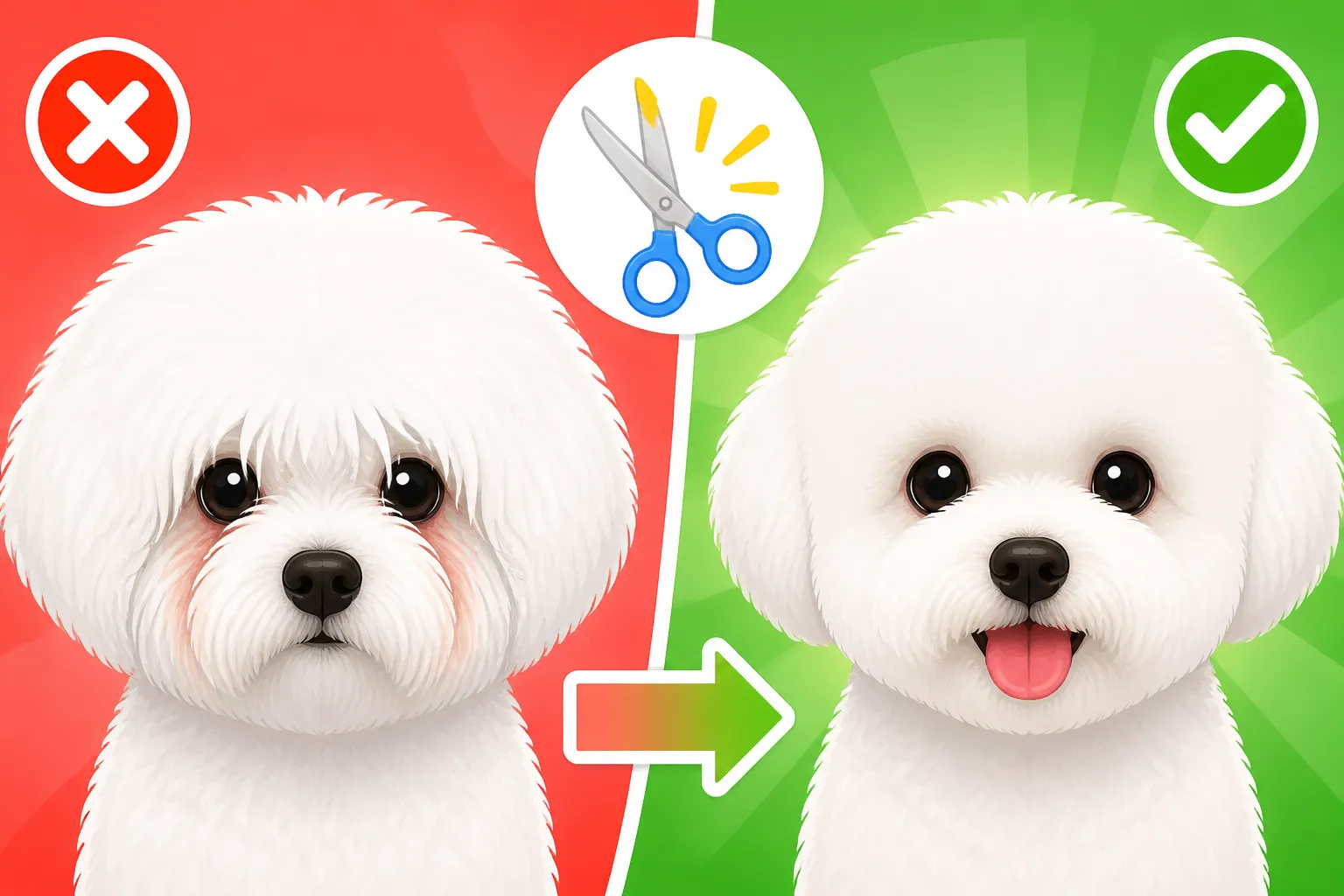
When done correctly and safely, trimming the hair around your Bichon Frise's eyes can offer several significant benefits. Firstly, it drastically reduces the surface area for tears to wick onto, which can help minimize those unsightly reddish-brown stains. Less hair means less moisture retention, which in turn means less opportunity for bacteria and yeast to proliferate. This can lead to a cleaner, drier, and healthier skin environment around the eyes, reducing irritation and odors. Whether Wiping Daily Keeps a Bichon Frise Clean is much easier when there's less hair in the way!
Beyond aesthetics, improved hygiene is a major plus. When the hair is kept short, it's easier to clean the area daily, removing any accumulated debris or discharge before it hardens and becomes more difficult to manage. This proactive approach can prevent minor issues from escalating into more uncomfortable problems for your Bichon. Furthermore, removing long hairs that might poke or rub against the eye can greatly enhance your dog's comfort and even their vision. Imagine having your bangs constantly in your eyes; it's annoying! For a Bichon, it can be the difference between clear, comfortable vision and constant irritation, making them much happier and more engaged.
Potential Risks and Drawbacks of Trimming
While the benefits of trimming are clear, it's important to acknowledge the potential risks and drawbacks. The most obvious concern is the risk of accidental injury. The skin around a dog's eyes is incredibly delicate, and even a slight slip with scissors or clippers can cause a painful cut or, worse, injure the eye itself. This is why many owners prefer to leave this task to professional groomers who have the specialized tools, experience, and a steady hand. If you do attempt it yourself, safety absolutely must be your top priority.
Another consideration is that trimming isn't a cure-all for tear stains. If the underlying cause of your Bichon's excessive tearing isn't addressed, the tears will still flow, and while they might not wick onto long hair, they can still stain the shorter hair and skin. Whether Tear Stains Mean Something Is Wrong is a crucial question to explore. Additionally, if the trim is too short, the new growth can sometimes be stiff and prickly, potentially causing more irritation as it grows back. It's a delicate balance, and maintaining a consistent, appropriate length is important. Without regular brushing and grooming, even short hair can still trap debris and contribute to problems. For general coat care, remember How Long Brushing a Bichon Frise Takes.
How to Safely Trim the Hair Under Your Bichon Frise's Eyes
If you decide that trimming is the right path for your Bichon Frise, safety and proper technique are paramount. This isn't a task to rush or take lightly. Patience, the right tools, and a calm demeanor will be your best allies. Many owners find it nerve-wracking at first, and that's completely normal. Start small, take breaks, and prioritize your dog's comfort and safety above all else.
Essential Tools and Preparation
Before you even think about picking up scissors, gather your tools and prepare your Bichon. You'll need:
- Blunt-nosed grooming scissors: These are specifically designed with rounded tips to minimize the risk of accidental pokes or cuts, making them much safer than sharp-pointed household scissors.
- A fine-toothed comb or small metal greyhound comb: This will help you isolate the hair you want to trim and comb it away from the eye.
- Pet-safe eye wipes or a damp cloth: For cleaning any debris or excess tears before you start. You can often find these readily available at stores like Chewy or Amazon.
- Good lighting: Natural light is ideal, or a well-lit room, so you can clearly see what you're doing.
- A quiet, calm environment: Minimize distractions for both you and your Bichon.
- Treats: Plenty of high-value treats to reward good behavior and create a positive association.
Ensure your Bichon is calm and relaxed. A good time might be after a walk when they're a bit tired, or during a regular grooming session when they're already used to being handled. If your Bichon is squirmy or anxious, it's best to stop and try another time, or consider professional help. Never try to trim when your dog is stressed or agitated, as this significantly increases the risk of injury. Getting your dog accustomed to being handled around the face, much like getting them used to general grooming tasks, is a crucial first step. Teaching a Bichon Frise to Hold Still on a Table can be a huge help here.
Step-by-Step Trimming Guide
With your tools ready and your Bichon calm, you can begin the trimming process. Remember, slow and steady wins the race here.
- Clean the area: Gently wipe away any crust, debris, or excess tears from around the eyes using a pet-safe eye wipe or a damp cloth. This will give you a clear view of the hair and prevent pulling on sticky bits.
- Comb the hair: Using your fine-toothed comb, carefully comb the hair down and away from the corner of the eye and the lower lid. You want to isolate the offending hairs that are either too long or are contributing to the staining.
- Position your Bichon: If your Bichon is small enough, you can gently hold them in your lap or have them stand on a grooming table if they're used to it. One hand should be used to gently support their head and keep it still, with your thumb or finger gently holding the skin taut away from the eyeball.
- Trim small amounts: With your blunt-nosed scissors, trim only the very tips of the hair that are excessively long or causing irritation. Always point the scissors away from the eye, aiming downwards or outwards, never towards the eyeball. Think of it as "snipping" rather than "cutting." Work slowly, taking tiny snips. It’s always better to take too little and have to go back than to take too much.
- Focus on the inner corner and below the eye: These are usually the primary problem areas. Avoid trimming too close to the skin, leaving a small amount of hair to act as a barrier and prevent irritation from regrowth. A general guideline is to trim the hair so it's flush with the lower eyelid, or just slightly longer.
- Reward frequently: After each successful snip or short session, immediately praise your Bichon and offer a treat. This positive reinforcement is crucial for building trust and making the experience less stressful for them.
- Check your work: Once you're done, step back and look at your Bichon from different angles. Ensure no stray hairs are pointing towards the eye. You're aiming for comfort and cleanliness, not a show ring perfection.
If at any point your Bichon becomes agitated, anxious, or resists strongly, stop immediately. It’s not worth risking injury. You can always try again later or seek the help of a professional groomer.
When to Consider Professional Grooming Help
There are many reasons why relying on a professional groomer for eye area trimming is a smart choice. Firstly, they have specialized training and equipment, including professional grooming tables with restraints, high-quality blunt-nosed scissors, and often even tiny, quiet clippers that can make the job quicker and safer. Keeping the muzzle short is a common request groomers handle with ease.
If you're particularly nervous about trimming near your Bichon's eyes, or if your dog is highly sensitive, squirmy, or prone to sudden movements, a professional groomer can perform this delicate task with confidence and expertise. They can also blend the trimmed area seamlessly with the rest of your Bichon's coat, maintaining that classic "powder puff" look. Furthermore, groomers often catch other issues, like ear infections (Recurrent Ear Infections in a Bichon Frise) or skin irritations, that you might miss. Don't hesitate to reach out to your local professional groomer; they are there to help make your Bichon look and feel their best.
Complementary Care and Alternatives to Trimming
While trimming the hair under your Bichon Frise's eyes can be a helpful part of managing tear stains and irritation, it's rarely the only solution. A holistic approach that combines good grooming practices, proper hygiene, and addressing any underlying health concerns will yield the best results for your furry friend.
Daily Cleaning and Hygiene Practices
Consistent daily cleaning is arguably the most impactful step you can take, whether you trim the hair or not. Make it a routine, just like you would for yourself.
- Gentle wiping: Use a soft, damp cloth (warm water only) or a pet-specific eye wipe to gently clean the area around your Bichon's eyes every day, sometimes twice a day if needed. This helps remove fresh tears and debris before they have a chance to dry and stain. Many excellent brands of pet wipes are available on platforms like Amazon or Chewy.
- Drying: After wiping, gently pat the area dry with a clean, soft cloth. Keeping the area dry is just as important as keeping it clean, as moisture is a breeding ground for yeast and bacteria.
- Regular brushing: Even if you're not trimming, regular brushing of the face and head, using a small slicker brush and then a comb, helps prevent mats from forming around the eyes, which can pull on the skin and cause discomfort. Whether a Comb Should Follow the Brush is particularly important for this area to ensure all tangles are removed.
Dietary Considerations and Hydration
What goes into your Bichon can sometimes influence what comes out, including their tears! While diet isn't a magic bullet for tear stains, it can certainly play a role.
- High-quality diet: Ensure your Bichon Frise is on a high-quality, balanced diet. Some owners report that certain ingredients, particularly those found in lower-quality foods, can exacerbate tear staining in sensitive dogs. Look for foods with limited, wholesome ingredients. Brands like Ollie, known for fresh, human-grade ingredients, might be something to explore with your vet.
- Filtered water: Some anecdotal evidence suggests that using filtered or distilled water instead of tap water can reduce tear staining, as tap water can contain minerals that contribute to the issue. It's a simple change that might be worth trying.
- Adequate hydration: Encourage your Bichon to drink plenty of fresh water. Good hydration supports overall health, and keeping tears flowing clear and healthy is part of that. A water fountain can sometimes entice a reluctant drinker. Whether a Water Fountain Encourages a Bichon Frise is a common question, and for many, the answer is yes!
Addressing Underlying Health Issues
Sometimes, excessive tearing and staining are not just cosmetic problems but indicators of an underlying health issue. It's crucial to rule these out with your veterinarian.
- Veterinary check-up: If your Bichon has persistent, severe tearing, redness, swelling, or eye discharge that changes in color or consistency, a trip to the vet is essential. They can check for conditions like blocked tear ducts, allergies, corneal abrasions, entropion (inward-rolling eyelids), or other eye infections that require specific medical treatment.
- Allergy management: Allergies, whether environmental or food-related, can cause excessive tearing and itchiness around the eyes. Your vet might suggest allergy testing or an elimination diet to identify triggers. Managing allergies often involves a multi-pronged approach, which could include specific medications or Whether Allergy Treatment Can Avoid Steroids.
- Regular eye exams: Just like humans, dogs can develop eye conditions as they age. Regular veterinary check-ups, including eye exams, can catch potential issues early. Whether a Bichon Frise Needs a Yearly Eye Exam is a good idea to maintain overall ocular health.
By combining safe trimming practices with diligent daily cleaning, mindful dietary choices, and prompt veterinary attention for any concerning symptoms, you can help your Bichon Frise stay comfortable, healthy, and beautifully bright-eyed.
Conclusion
Managing the hair under your Bichon Frise's eyes and the accompanying tear stains can feel like a full-time job, but with the right approach, it becomes a manageable part of their regular care. Whether you choose to carefully trim the hair yourself or rely on a professional groomer, the goal remains the same: ensuring your Bichon is comfortable, healthy, and able to see the world clearly without irritation. Remember that consistent daily hygiene and being proactive about any unusual changes in their eye health are just as important as any trim. With patience and dedication, you'll find the routine that works best for both you and your beloved fluffy companion.
Disclaimer
This article is for general informational purposes only and does not constitute professional advice. Laws, prices and regulations vary by location and change over time. Consult a qualified professional for guidance on your specific situation.