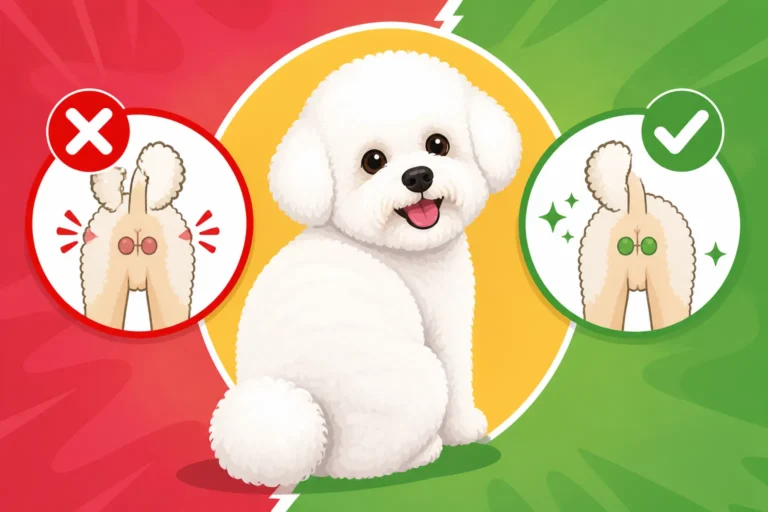
Whether Tear Stains Mean Something Is Wrong
If you're a Bichon Frise owner, you've probably spent countless hours trying to keep that pristine white coat clean, only to be constantly battling those stubborn reddish-brown streaks under their eyes. It's frustrating, isn't it? You might even worry if these tear stains mean something deeper is going on with your precious pup's health. This guide is here to shed some light on why Bichons are prone to tear staining, when it's just a cosmetic nuisance, and when it truly warrants a trip to the vet.
Understanding the Common Causes of Bichon Frise Tear Stains
Bichon Frises, with their beautiful white coats and endearing round eyes, are unfortunately predisposed to tear staining. It’s a common complaint among owners, and while it often looks worse than it is, understanding the root causes can help you manage it more effectively. Most of the time, those reddish-brown streaks are simply a result of their unique physiology and a bit of environmental influence.
Normal Lacrimation and Drainage Issues
First, let's talk about how tears work in a Bichon. Dogs produce tears just like humans do, and these tears normally drain away through tiny ducts located in the inner corner of their eyes, leading down into their nasal passages. This process is called lacrimation and nasolacrimal drainage. However, many Bichon Frises have a conformation that makes this drainage less than perfect. Their relatively large, round eyes, combined with a short snout, can sometimes lead to a shallower eye orbit. This means the tears don't always flow efficiently into those small drainage ducts.
Instead, the tears might overflow onto their fur, a condition known as epiphora. Once these tears sit on the delicate hair under their eyes, they create a constantly damp environment. This moisture then becomes a breeding ground for yeast and bacteria, particularly a yeast called Malassezia or bacteria like Porphyrin. It's actually the pigments from these microorganisms, or from iron in the tears themselves, that cause the reddish-brown discoloration you see, not the tears themselves being colored. So, while it seems like the tears are the problem, it's really the consequences of prolonged moisture on the fur. The Eyes a Bichon Frise Inherits gives more insight into their eye structure.
Sometimes, the drainage ducts themselves can be a bit narrow or even partially blocked. Imagine a tiny, delicate straw that's slightly crimped or has a bit of debris inside – the water won't flow through easily. This can be an inherited trait, making some Bichons more prone to chronic tearing regardless of other factors. Even something as simple as a tiny hair growing near the duct opening can act like a dam, redirecting the tears onto the face. This isn't usually painful, but it certainly contributes to the persistent staining that drives us crazy.
Environmental and Allergic Triggers
Beyond anatomy, the world around your Bichon Frise can play a huge role in how much they tear. Think about it: our own eyes water if we get dust in them or are exposed to strong irritants. It's no different for our furry friends. Common household irritants like dust, strong cleaning product fumes, air fresheners, or even smoke from a fireplace can cause their eyes to produce more tears as a protective mechanism. Even the dry air in winter, especially with indoor heating, can sometimes cause a Bichon's eyes to overcompensate by producing more tears.
Pollen and other environmental allergens are also major culprits. Just like people, dogs can suffer from seasonal allergies that cause itchy, watery eyes. If you notice your Bichon's staining gets worse at certain times of the year, or if they're also rubbing their face and paws, allergies might be at play. Indoor allergens, such as dust mites or even dander from other pets, can also contribute to chronic eye irritation and increased tear production year-round. Whether a Bichon Frise Rubs Its Face might offer clues if you see this behavior.
Furthermore, how you groom your Bichon, or rather, don't groom around their eyes, can exacerbate the problem. If the hair around their eyes is left too long, it can wick tears directly onto the face, creating a constant dampness. Worse, long hairs can poke into the eye itself, causing irritation, excessive tearing, and even corneal abrasions if not addressed. Even certain grooming products, if they get into the eyes, can cause temporary irritation leading to increased tearing and staining.
Diet and Water Quality
The impact of diet on tear stains is a hot topic among Bichon owners, and while scientific evidence can be a bit murky, many anecdotal reports suggest a link. Some believe that certain ingredients in commercial dog foods, particularly artificial colors, preservatives, or even specific protein sources, can contribute to the severity of tear staining. The theory is that these ingredients might cause a low-level inflammatory response or affect the body's pH, which in turn influences the composition of tears or the growth of stain-causing bacteria.
While it's not a universal truth for every dog, trying a high-quality, limited-ingredient diet might be worth considering if you're struggling with persistent stains. Many owners report improvement after switching to foods with fewer additives or novel protein sources. For instance, brands that focus on fresh ingredients, like Ollie, or premium kibbles available on Chewy, are often recommended by owners seeking to minimize potential dietary triggers. Whether an Elimination Diet Helps a Bichon Frise explores this approach for other conditions too.
Another often-overlooked factor is the water your Bichon drinks. Tap water, especially in certain regions, can be high in minerals like iron or magnesium. These minerals, when ingested and subsequently excreted through tears, can contribute to the reddish-brown discoloration. Switching to filtered, distilled, or even reverse osmosis water is a simple change many owners implement and report positive results from. It might sound like a small detail, but consistent exposure to mineral-rich water could be playing a role in those tenacious stains. Using ceramic or stainless steel bowls instead of plastic can also help, as plastic bowls can harbor bacteria and tiny scratches, which could then transfer to your dog's face as they drink.
When Tear Stains Signal a Deeper Health Concern
While mild tear staining is often a benign, cosmetic issue for Bichon Frises, there are definitely times when those unsightly streaks are a red flag for an underlying health problem. It's crucial for us as owners to differentiate between normal Bichon quirks and signs that something more serious might be amiss, requiring veterinary attention. Being observant can make all the difference in catching and addressing these issues early.
Eye Infections and Irritations
If your Bichon's tear staining suddenly worsens, or if the discharge changes in color or consistency, it's time to consider an eye infection. Conjunctivitis, which is an inflammation of the membranes lining the eyelids and covering the whites of the eyes, is a common culprit. This can be caused by bacteria, viruses, or even severe allergies. With conjunctivitis, you might see redness, swelling, increased discharge that could be clear, white, yellow, or greenish, and your dog might be pawing at their eyes or squinting due to discomfort.
More serious conditions can also cause excessive tearing and staining. A corneal ulcer, which is essentially an open sore on the surface of the eye, is incredibly painful and will lead to copious tearing as the body tries to flush out the irritant. Foreign bodies, like a tiny seed or a piece of grit, lodged in the eye can also cause immediate and severe tearing. Eyelash abnormalities, such as distichiasis (extra eyelashes growing from the oil glands in the eyelid) or ectopic cilia (eyelashes growing inward through the conjunctiva), can constantly rub against the cornea, causing chronic irritation, pain, and, you guessed it, constant tearing and staining. These issues often require veterinary intervention, from medicated drops to surgical removal of the offending hairs. Whether a Bichon Frise Gets Corneal Ulcers covers one aspect of this.
Another anatomical issue that can lead to significant eye irritation is entropion, where a portion of the eyelid folds inward, causing the eyelashes and skin to rub against the eye surface. This is very uncomfortable and can lead to corneal damage over time if not corrected. While less common in Bichons than some other breeds, it's something a vet would check for if persistent eye irritation is present. Any sudden onset of intense redness, pain, squinting, or a change in the color or thickness of the discharge always warrants an immediate visit to the veterinarian, as prompt treatment can prevent more serious complications.
Ear Infections and Dental Disease
It might sound odd, but sometimes, the source of excessive tearing isn't directly related to the eyes at all. Chronic ear infections, especially in breeds like Bichons who are prone to them due to their floppy ears and abundant ear hair, can surprisingly contribute to tear staining. The nerves that supply the face, including those involved in tear production and drainage, are closely linked to the ear canal. An ongoing infection or inflammation in the ear can sometimes irritate these nerve pathways, leading to increased tear production in the eye on the same side.
Furthermore, a Bichon suffering from an ear infection might shake their head excessively or rub their face against furniture or the floor to alleviate discomfort. This rubbing can further irritate the delicate skin and fur around the eyes, creating more moisture and exacerbating the staining. If you notice your Bichon shaking their head, pawing at their ears, or if their ears have a foul odor, redness, or discharge, addressing the ear infection could very well lessen the tear staining. Recurrent Ear Infections in a Bichon Frise is a valuable resource if you suspect this.
Similarly, severe dental disease or an abscessed tooth can also manifest in ways that impact facial comfort and potentially tear production. The roots of the upper teeth are surprisingly close to the eye sockets and nasal passages. An infection in a tooth could cause inflammation that irritates adjacent structures, including the tear ducts. A dog experiencing mouth pain might also rub their face more, indirectly contributing to the tear stain problem. While less common as a primary cause of tear staining, it's another reminder that the body is an interconnected system, and a holistic approach to health is always best. Regular dental check-ups are important for overall health, including preventing such referred pains. Dental Disease in a Bichon Frise highlights the importance of oral health.
Structural Anomalies and Other Medical Conditions
Sometimes, the issue isn't a temporary infection but rather a persistent structural anomaly that affects the eye or tear drainage system. Beyond simple narrow tear ducts, some Bichons might have a condition called lacrimal gland hyperplasia, where the tear glands are overactive. While rare, it can lead to constant and excessive tear production that simply overwhelms the drainage system. Less commonly, a tumor or cyst in the vicinity of the tear ducts could physically block them, causing tears to back up and overflow. These are serious medical conditions that would require a veterinary diagnosis and potentially surgical intervention.
Other medical conditions, though indirectly, can sometimes play a role. For instance, certain hormonal imbalances or systemic inflammatory diseases could subtly affect tear production or composition. While these are not typical direct causes of tear staining, a thorough veterinary examination is always wise if the staining is accompanied by other symptoms like lethargy, changes in appetite, or generalized discomfort. Cushing's Disease in a Bichon Frise Past Seven and Diabetes in a Bichon Frise are examples of systemic issues that can impact overall health and well-being.
It’s also worth mentioning that some tear stain remedies sold online might contain antibiotics, often tylosin. While these can temporarily reduce staining by killing bacteria, using antibiotics indiscriminately can lead to antibiotic resistance and shouldn't be done without veterinary supervision and a clear diagnosis of a bacterial issue. Always be cautious about products that promise a quick fix without addressing the underlying cause. If you've tried all the simple home remedies and the staining persists or worsens, your vet is the best person to perform a thorough examination, including specialized eye tests like a fluorescein stain test to check for corneal ulcers, a Schirmer tear test to measure tear production, or a nasolacrimal flush to check for blocked tear ducts.
Practical Steps and Professional Help for Managing Tear Stains
Dealing with Bichon Frise tear stains can feel like a never-ending battle, but there are many practical steps you can take at home, alongside knowing when to seek professional help. The key is consistency and understanding that for many Bichons, it's an ongoing management process rather than a one-time fix.
Daily Cleaning and Grooming Routines
The single most effective thing you can do to manage tear stains is consistent daily cleaning. If tears are allowed to sit on the fur, they create that perfect moist environment for bacteria and yeast to flourish, leading to discoloration. Gently wiping the area under your Bichon's eyes multiple times a day with a soft, damp cloth can make a huge difference. You can use plain warm water or a veterinarian-approved saline solution. The goal is to keep the area as dry and clean as possible. Some owners find specially formulated tear stain wipes, available from online retailers like Amazon or Chewy, to be convenient for quick clean-ups, as they often contain mild cleansers safe for the delicate eye area.
Regular grooming is also absolutely essential. The long, fine hair around a Bichon's eyes can act like a wick, drawing tears onto the face and trapping moisture. Keeping this hair trimmed very short, either by yourself with blunt-nosed scissors (being extremely careful, of course) or by a professional groomer, is paramount. Many groomers are skilled at creating a "sanitary trim" around the eyes that minimizes staining without compromising their cute appearance. Scheduling regular grooming appointments, perhaps every 4-6 weeks, ensures that this crucial area, along with the rest of their coat, stays clean and mat-free. How Often a Bichon Frise Needs Grooming dives deeper into grooming frequency.
Beyond trimming, consider the overall hygiene of your Bichon's face. After meals, gently wipe their muzzle to remove any food particles that might harbor bacteria and potentially travel to the eye area. For baths, use a mild, tearless shampoo, and ensure you rinse the face thoroughly to remove all traces of soap which could be an irritant. Drying the area completely with a soft towel, or even a low-setting hairdryer (held at a safe distance), is important, as damp fur is an open invitation for stain-causing organisms to set up shop.
Dietary Adjustments and Water Filtration
As we touched on earlier, diet can play a role, and making some adjustments might help reduce tear staining severity. If you suspect food sensitivities, consider transitioning your Bichon to a high-quality, limited-ingredient diet. Look for foods that avoid common allergens like corn, wheat, or soy, and perhaps feature a novel protein source such as duck or venison. Brands like Ollie, known for their fresh, gently cooked meals, or other premium brands found on Chewy, often come without artificial colors or by-products that some owners believe contribute to staining. Make any dietary changes gradually over several days to avoid upsetting your dog's stomach.
Water quality is another area where a simple change can yield surprising results. Many owners report a reduction in tear staining after switching from tap water to filtered, distilled, or even bottled water. The theory is that the minerals and impurities in tap water, particularly iron, can contribute to the reddish pigment in the stains. Using a water filter pitcher or even investing in a dog-specific water fountain (which often encourages more drinking and usually includes a filter) can be beneficial. Using stainless steel or ceramic water bowls instead of plastic is also recommended, as plastic bowls can become scratched and harbor bacteria over time, potentially impacting your dog's facial hygiene. Whether Filtered Water Reduces a Bichon Frise's Staining provides more details.
Regarding treats, remember that consistency is key. If you're using a specialized diet to manage potential sensitivities, ensure any treats you give also align with that philosophy. Many commercial treats contain artificial colors, preservatives, and questionable ingredients that could undermine your efforts. Look for single-ingredient treats or those made with very simple, natural ingredients. You can find a good selection of these on platforms like Amazon. It's about minimizing anything that could potentially upset your dog's internal balance or introduce unnecessary chemicals.
When to Consult Your Veterinarian
While many cases of tear staining are cosmetic, it's crucial to know when those streaks warrant a trip to your vet. If the tear staining is sudden, severe, accompanied by pain, squinting, redness, pawing at the eye, or if the discharge changes from clear to thick, yellow, or green, these are all signs of a potential underlying medical issue that needs immediate professional attention. These symptoms could indicate an eye infection, corneal ulcer, foreign body, or other painful conditions that require prompt diagnosis and treatment.
Your veterinarian will perform a thorough eye examination. This might include using a fluorescein stain to check for corneal abrasions or ulcers, a Schirmer tear test to measure tear production, and potentially a nasolacrimal flush to determine if the tear ducts are blocked. They will also look for any anatomical issues like ingrown eyelashes (distichiasis or ectopic cilia) or entropion. If an infection is suspected, they might take a swab for bacterial culture to identify the specific pathogen and prescribe appropriate antibiotic eye drops or oral medication.
In cases where allergies are suspected, your vet might discuss allergy testing or suggest an elimination diet to pinpoint specific triggers. They can also recommend safe and effective antihistamines or other allergy medications if needed. Remember, while there are many over-the-counter tear stain remedies, some contain hidden antibiotics (like tylosin) that should only be used under veterinary guidance to avoid antibiotic resistance and potential side effects. Always discuss any supplements or treatments with your vet first. Addressing the root cause, whether it's an infection, an anatomical issue, or allergies, is the most effective way to truly manage and reduce those stubborn Bichon Frise tear stains. What Bichon Frises Are Most Often Treated For can offer a broader perspective on common health issues.
Tear Stain Management Comparison
Here's a quick look at common tear stain scenarios and recommended actions:
| Symptom | Appearance | Likely Cause | Recommended Action |
|---|---|---|---|
| Mild, chronic staining | Light red/brown streaks, no eye irritation | Normal tear overflow, common yeast/bacteria | Daily cleaning, regular trimming, filtered water, consider diet changes. |
| Sudden, heavy staining | Darker, more pronounced streaks, often wet | Eye irritation (dust, pollen), early infection | Increase daily cleaning, check for irritants, monitor closely. |
| Redness, discharge, pain | Red eyes, thick yellow/green discharge, squinting | Infection (conjunctivitis), corneal ulcer, foreign body | Immediate veterinary examination. This is an emergency. |
| Paw rubbing, head shaking | Staining with concurrent behaviors | Allergies, ear infection, dental pain, general discomfort | Vet visit to rule out allergies, ear issues, or dental problems. |
| Staining despite efforts | Persistent stains after diligent home care | Anatomical issue (blocked ducts, ingrown hairs) | Vet examination for underlying structural problems, potential minor surgery. |
Disclaimer
This article is for general informational purposes only and does not constitute professional advice. Laws, prices and regulations vary by location and change over time. Consult a qualified professional for guidance on your specific situation.