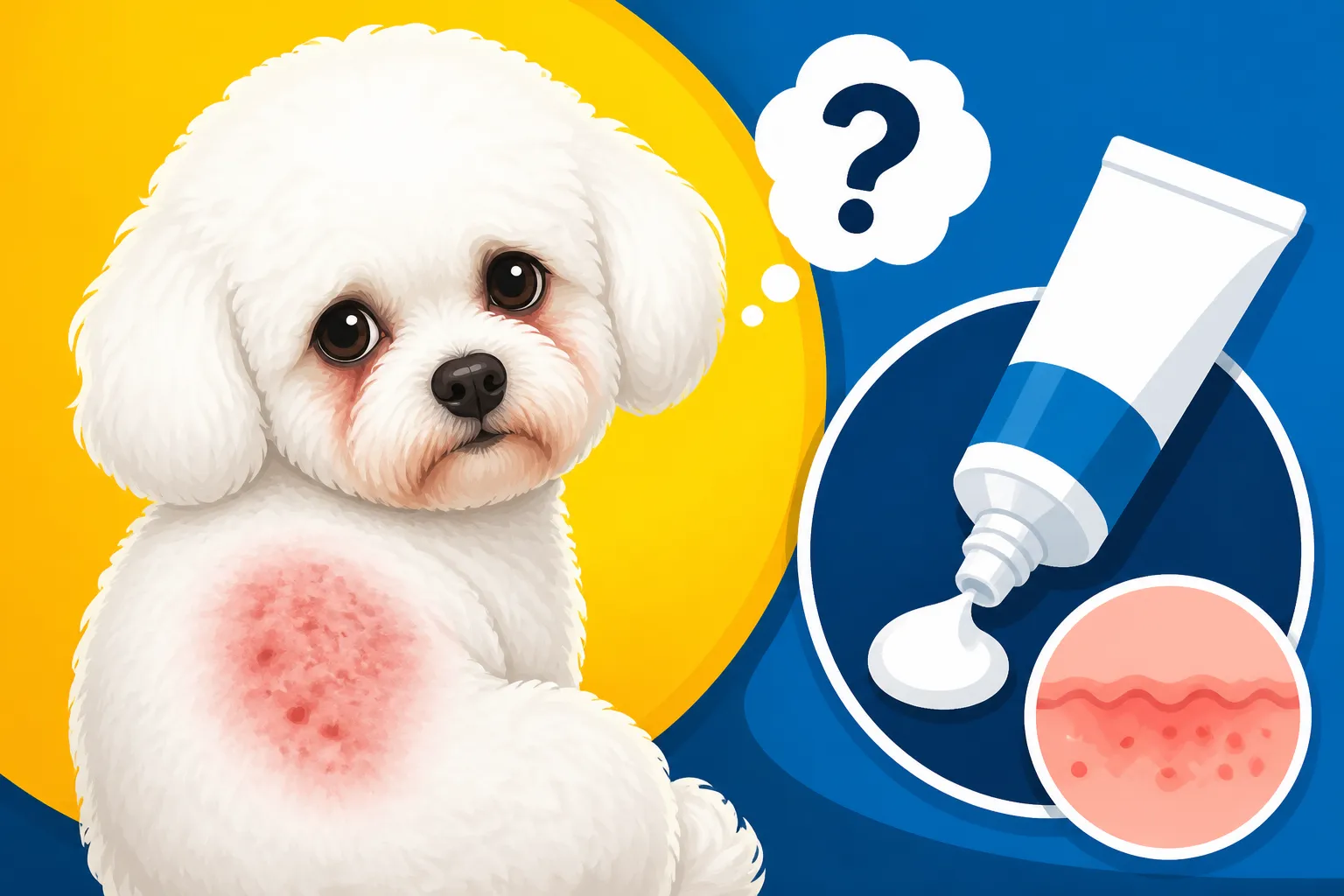
Whether Steroid Creams Also Cause It
It’s incredibly worrying when you’re trying to help your beloved Bichon Frise with a skin issue, perhaps with a topical steroid cream, only to hear whispers that even these seemingly harmless applications could lead to something as serious as Cushing’s disease. Many of us have been there, juggling the need to relieve our furry friend's discomfort with the fear of unintended consequences. This guide is here to shed light on whether steroid creams can indeed contribute to Cushing's in Bichon Frises and how to navigate treatment safely.
Understanding Cushing's Disease in Bichon Frises
Cushing's disease, or hyperadrenocorticism, is a condition that unfortunately surfaces in many older dogs, and Bichon Frises aren't exempt. It’s essentially an overproduction of cortisol, a natural steroid hormone. While cortisol is vital for a dog's body to function normally, too much of it can wreak havoc on their system, leading to a host of unpleasant symptoms and health complications.
What is Cushing's Syndrome?
To get a clearer picture, let's break down Cushing's. It occurs when the adrenal glands, two tiny glands located near the kidneys, produce an excessive amount of cortisol. There are three main types of Cushing's:
- Pituitary-Dependent Hyperadrenocorticism (PDH): This is the most common form, accounting for about 80-85% of cases. It happens when a benign tumor on the pituitary gland (a pea-sized gland at the base of the brain) overstimulates the adrenal glands, telling them to produce too much cortisol.
- Adrenal-Dependent Hyperadrenocorticism (ADH): Less common, this form is caused by a tumor on one or both of the adrenal glands themselves, which then independently churns out too much cortisol.
- Iatrogenic Hyperadrenocorticism: This is the one we're really focusing on today. It's caused by the administration of external steroids, whether oral, injectable, or, as we'll discuss, potentially topical. This excess of synthetic steroids mimics cortisol, leading to the same symptoms as naturally occurring Cushing's.
It's a lot to take in, especially when you're just trying to figure out if you've inadvertently caused harm by using a treatment prescribed for relief. For more detailed information on the nuances of this condition, you might want to read our article on What Pituitary Cushing's Does to a Bichon Frise.
Common Symptoms in Bichons
Recognizing the signs of Cushing's is crucial, regardless of the cause. Bichon Frises, like other breeds, can exhibit several tell-tale symptoms. You might notice your formerly spry pup starting to show signs such as:
- Increased Thirst and Urination (Polydipsia and Polyuria): This is often one of the first and most noticeable signs. Your Bichon might seem insatiably thirsty and need to go outside much more frequently, or even have accidents indoors if they previously never did.
- Pot-Bellied Appearance: The abdominal muscles weaken, and fat is redistributed, giving many Cushingoid dogs a distended, "pot-bellied" look.
- Hair Loss (Alopecia): This typically starts on the body, often symmetrically, and can leave patches of thin or missing fur, particularly on the flanks and abdomen. The remaining coat might feel dry or brittle.
- Thin Skin: The skin can become fragile and thin, sometimes even bruising easily. You might notice hyperpigmentation (darkening of the skin) or recurring skin infections.
- Increased Appetite: Many dogs with Cushing's develop a ravenous appetite, always seeming hungry despite eating their regular meals.
- Lethargy and Muscle Weakness: Your energetic Bichon might become less enthusiastic about walks or playtime, showing a noticeable decrease in stamina and general muscle weakness.
Spotting these signs can be distressing. If you're observing any of these changes, it's always best to consult your veterinarian promptly. You can find a more extensive list and details on what to look out for in our guide on The Signs of Cushing's in a Bichon Frise.
The Link Between Steroids and Cushing's (Iatrogenic Cushing's)
The connection between steroid use and Cushing's is well-established, but it's often discussed in terms of oral or injectable medications. The question of whether topical creams fall into the same category is where things get a bit more nuanced.
How Systemic Steroids Cause Cushing's
When we talk about "systemic" steroids, we're referring to medications that are absorbed into the bloodstream and affect the entire body. These typically include oral prednisone, prednisolone, or dexamethasone, and injectable forms of similar drugs. Vets often prescribe these for a variety of conditions, like severe allergies, autoimmune diseases, or inflammatory conditions, because they are incredibly effective at reducing inflammation and suppressing the immune system.
However, the effectiveness comes with a trade-off. Prolonged use of systemic steroids, especially at higher doses, can "trick" the body into thinking it has enough cortisol. This suppresses the natural production of cortisol by the adrenal glands. When these external steroids are given for extended periods, the adrenal glands can shrink and become less functional. This condition, where the body's natural steroid production is suppressed due to external steroid administration, is known as iatrogenic Cushing's disease. The symptoms are virtually identical to the naturally occurring forms because the body is experiencing an overload of steroid hormones. For a deeper dive into this specific cause, check out Whether Long Term Steroids Cause a Bichon Frise's Cushing's.
Can Topical Steroid Creams Cause Cushing's?
This is the million-dollar question for many Bichon Frise owners. The short answer is: yes, topical steroid creams can contribute to iatrogenic Cushing's disease, especially with prolonged or inappropriate use. However, it's generally less common and typically requires specific circumstances compared to systemic steroid administration.
Here's why:
- Skin Absorption: While creams are applied to the skin, the active ingredients, particularly potent steroids, can be absorbed through the skin and enter the bloodstream. The extent of absorption depends on several factors:
- Potency of the Steroid: Stronger corticosteroids (like betamethasone, triamcinolone, or fluocinolone) are more readily absorbed than milder ones (like hydrocortisone).
- Area of Application: Applying the cream over a large surface area of the body increases the total amount of drug absorbed.
- Frequency and Duration: Applying creams frequently over a long period significantly raises the risk. A one-off application for a week is very different from daily application for months.
- Skin Integrity: Damaged or inflamed skin, which is often what we're treating, can absorb medications much more efficiently than healthy skin. Think of a raw, licked paw versus healthy fur. Our beloved Bichons, with their delicate skin and common allergies, are often prime candidates for compromised skin.
- Dog's Size: Smaller dogs, like Bichon Frises, have a larger surface area-to-volume ratio compared to larger breeds. This means that a relatively small amount of cream can have a proportionally greater systemic effect on a tiny Bichon. Their thinner skin also contributes to easier absorption.
Imagine your Bichon Frise has a persistent hot spot or a chronic patch of inflamed, itchy skin, perhaps from What Atopic Dermatitis Does to a Bichon Frise. If you've been diligently applying a potent steroid cream to a significant portion of their body, or to a raw, open wound, day after day for several weeks or months, the cumulative absorption can indeed reach levels high enough to suppress their adrenal glands and induce iatrogenic Cushing's symptoms. This is a subtle yet significant risk that many pet owners might not be fully aware of.
For instance, a dog might be licking its paws raw due to allergies, a common issue for Bichons. If a strong topical steroid is applied repeatedly to both front paws, and the dog also grooms itself, ingesting some of the cream, the combined effect of skin absorption and oral ingestion can contribute to steroid overload. This isn't just a theoretical risk; veterinarians see cases of iatrogenic Cushing's stemming from prolonged topical steroid use.
Recognizing and Managing Potential Risks
The key to preventing and managing iatrogenic Cushing's from topical steroids lies in careful observation, diligent application, and open communication with your veterinarian.
Signs of Steroid Overload or Iatrogenic Cushing's from Topical Use
Because the symptoms of iatrogenic Cushing's are the same as the naturally occurring forms, identifying them when the cause is topical steroid use can be tricky. However, the critical clue is the timing and history of your dog's medication. If your Bichon has been on prolonged courses of topical steroid creams, especially potent ones applied to large areas or broken skin, and then starts exhibiting classic Cushing's signs, it's a huge red flag.
Look for the cluster of symptoms mentioned earlier:
- Excessive drinking and urination
- A growing pot belly
- Thinning hair or hair loss, particularly on the flanks
- Skin that feels delicate or bruises easily
- Increased hunger
- Lethargy and muscle weakness
It's important to differentiate these from other common Bichon Frise issues. For example, increased drinking could be a sign of diabetes, or general lethargy could point to another health problem. However, when these symptoms coincide with extensive topical steroid use, the connection to iatrogenic Cushing's becomes a strong possibility. It's not about jumping to conclusions but about connecting the dots for your vet.
Safe Use of Topical Steroids
Topical steroids are valuable tools in veterinary medicine, and when used correctly, they can provide immense relief for itchy, inflamed skin without causing systemic issues. The trick is appropriate use.
Here are some guidelines for safe application:
- Follow Veterinary Instructions Precisely: Never use a steroid cream on your Bichon without a veterinarian's explicit diagnosis and prescription. Adhere strictly to the prescribed dosage, frequency, and duration. More is not better when it comes to steroids.
- Apply Sparingly and to Target Areas: Apply only a thin layer of cream directly to the affected area. Avoid large expanses of skin unless specifically instructed by your vet. If the area is where your Bichon can easily lick (like paws or flanks), consider using a protective barrier like an Elizabethan collar (cone) or a recovery suit for a period after application to prevent ingestion.
- Understand Potency: Discuss the strength of the steroid with your vet. Weaker corticosteroids like hydrocortisone are generally safer for prolonged use than stronger ones. If a high-potency steroid is necessary, it should ideally be used for a short duration.
- Monitor for Side Effects: Keep a close eye on your Bichon for any changes in thirst, urination, appetite, or coat quality while they are on topical steroids. Report anything unusual to your vet.
- Explore Alternatives: Your vet might discuss non-steroidal options for managing your Bichon's skin conditions. These could include medications like Apoquel or Cytopoint injections, which specifically target the itch pathway without the systemic steroid effects. For chronic conditions like allergies, managing a Bichon Frise's skin without steroids is often the long-term goal.
Remember, the goal is to treat the skin issue effectively with the least amount of medication necessary.
The Importance of Vet Consultation and Monitoring
This cannot be stressed enough: always work closely with your veterinarian. Self-diagnosing or continuing a prescribed topical steroid beyond the recommended period without veterinary oversight is risky. Your vet has the expertise to weigh the benefits against the risks for your individual Bichon.
If your Bichon Frise is on any form of steroid, topical or systemic, for an extended period, regular veterinary check-ups are essential. Your vet might recommend monitoring tests, such as blood work, including a low-dose dexamethasone suppression test or an ACTH stimulation test, to assess adrenal function if Cushing's is suspected. These tests can help confirm or rule out iatrogenic Cushing's and guide the appropriate course of action.
When discussing your Bichon's health with your vet, be sure to mention all medications, supplements, and even over-the-counter creams you've been using, no matter how insignificant they might seem. This comprehensive picture is vital for an accurate diagnosis and treatment plan. Having a good pet insurance plan, such as one from Healthy Paws, can also provide peace of mind, knowing that you're covered for diagnostic tests and long-term management if your Bichon does develop a condition like Cushing's. To understand the diagnostic process, you can refer to our article on How Cushing's Is Diagnosed in a Bichon Frise.
Alternatives and Prevention for Bichon Skin Issues
Given the potential risks associated with steroid use, it's natural to want to explore other avenues for managing your Bichon Frise's common skin ailments. Thankfully, there are many excellent non-steroidal approaches and preventative measures available.
Addressing Underlying Skin Conditions
Bichon Frises are known for their beautiful, fluffy white coats, but unfortunately, they are also genetically predisposed to certain skin issues, particularly allergies. The Atopic Skin a Bichon Frise Is Born With is a reality for many, and these underlying conditions are often the root cause of the itching and inflammation that might lead to steroid cream use.
Common underlying conditions include:
- Atopic Dermatitis (Environmental Allergies): Reaction to pollen, dust mites, mold spores, etc. This often manifests as itchy skin, licking paws, rubbing faces, and recurrent ear infections.
- Food Allergies: Reactions to specific ingredients in their diet, leading to similar itchy skin symptoms. Understanding Whether a Bichon Frise's Itching Is Food or Pollen is key to effective management.
- Contact Dermatitis: Less common, but can occur if your Bichon comes into contact with an irritant like certain cleaning products or plants.
- Yeast or Bacterial Infections: These are often secondary to allergies, as damaged skin can allow these organisms to flourish, causing further itching and discomfort.
Identifying and addressing these root causes is paramount. A comprehensive approach, often involving your vet and potentially a veterinary dermatologist, is the most effective way to provide long-term relief and reduce the need for strong medications.
Non-Steroidal Options
The good news is that veterinary medicine has advanced significantly, offering many non-steroidal options for managing skin conditions that were once heavily reliant on corticosteroids.
- Targeted Anti-Itch Medications:
- Apoquel (oclacitinib): This is an oral medication that specifically targets the itch pathway in dogs. It's not a steroid, and many Bichon owners find it incredibly effective for allergy-related itching. You can learn more about this option in Whether a Bichon Frise Can Take Apoquel Instead.
- Cytopoint (lokivetmab): An injectable monoclonal antibody that neutralizes a key protein involved in triggering itch. It's administered by your vet and provides weeks of itch relief. For detailed information, see Whether Cytopoint Suits a Bichon Frise.
- Medicated Shampoos and Conditioners: Regular bathing with veterinarian-prescribed medicated shampoos (e.g., containing chlorhexidine for bacterial infections, miconazole for yeast, or oatmeal for soothing) can help manage skin infections and reduce allergens on the coat. Ensure thorough rinsing, as residues can cause further irritation. For tips on bathing, refer to Washing a Bichon Frise Whose Skin Is Inflamed.
- Essential Fatty Acid Supplements: Omega-3 fatty acids, often derived from fish oil, can support skin barrier health and reduce inflammation.
- Dietary Management: For suspected food allergies, a strict elimination diet under veterinary guidance can help identify offending ingredients. Even for environmental allergies, a high-quality, balanced diet can support overall skin health.
- Antihistamines: While generally less effective for canine allergies than for humans, some dogs may respond to certain antihistamines. Always consult your vet before administering any human medication.
These options offer powerful ways to control symptoms and improve your Bichon's quality of life, often without the systemic risks associated with long-term steroid use. Many owners are actively seeking to manage their Bichon Frise's skin without steroids, and these tools make that goal more attainable than ever.
Lifestyle Management for Skin Health
Beyond specific medications, daily care and smart lifestyle choices play a huge role in maintaining your Bichon Frise's skin health and reducing the need for intensive treatments.
- Consistent Grooming: Regular brushing helps remove loose hair, dander, and environmental allergens that can get trapped in your Bichon's curly coat. It also stimulates natural oil production, which is good for skin health. Proper grooming also means keeping their sanitary areas trimmed and their ears clean. Our guide on The Ears a Bichon Frise Needs Cleaned Every Week provides excellent tips.
- Environmental Control: Minimize exposure to known allergens where possible. This might mean frequent vacuuming, using air purifiers, washing bedding regularly, or avoiding walks during peak pollen times.
- Hydration: Ensuring your Bichon drinks enough water is vital for overall health, including skin health. Adequate hydration helps maintain skin elasticity and function. A constant supply of fresh water and encouraging drinking can make a difference. We have a detailed guide on Getting Enough Water Into a Bichon Frise that you might find helpful.
- Parasite Prevention: Fleas, mites, and other external parasites can cause intense itching and skin irritation, often mimicking allergy symptoms. Regular use of veterinarian-recommended flea and tick prevention is a non-negotiable part of skin health management.
- Stress Reduction: Believe it or not, stress can exacerbate skin conditions in dogs, just like in humans. A calm, consistent routine and a secure environment contribute to your Bichon's overall well-being, including their skin.
By combining veterinary medical advice with proactive home care, you can significantly reduce the incidence and severity of skin problems in your Bichon Frise, thereby lessening the reliance on potent medications like topical steroids and mitigating the associated risks. Remember, your vet and a good pet insurance plan like Healthy Paws are your best allies in this journey.
| Feature | Systemic Steroids (Oral/Injectable) | Topical Steroids (Creams/Ointments) |
|---|---|---|
| Primary Use | Severe allergies, autoimmune disease, inflammation | Localized itching, hot spots, skin inflammation |
| Absorption | Readily absorbed into bloodstream, whole-body effect | Absorbed through skin; extent varies by potency, area, skin health |
| Risk of Iatrogenic Cushing's | High with prolonged, high-dose use | Moderate to Low; increases with potency, large area, damaged skin, prolonged use |
| Common Side Effects | Increased thirst/urination, appetite, panting, pot-belly, lethargy, muscle weakness | Local skin thinning, bruising, skin infections at site; potential systemic effects with prolonged/excessive use |
| Duration of Use | Often short-term or tapered for chronic conditions | Generally short-term; careful monitoring for extended use |
| Monitoring | Regular vet visits, blood work for long-term use | Vet follow-ups, observation for systemic signs |
Disclaimer
The information provided in this article is for educational purposes only and is not intended to be a substitute for professional veterinary advice, diagnosis, or treatment. Always seek the advice of your veterinarian or other qualified pet health provider with any questions you may have regarding a medical condition.