Whether Loose Hair Trapped in the Coat Causes Mats
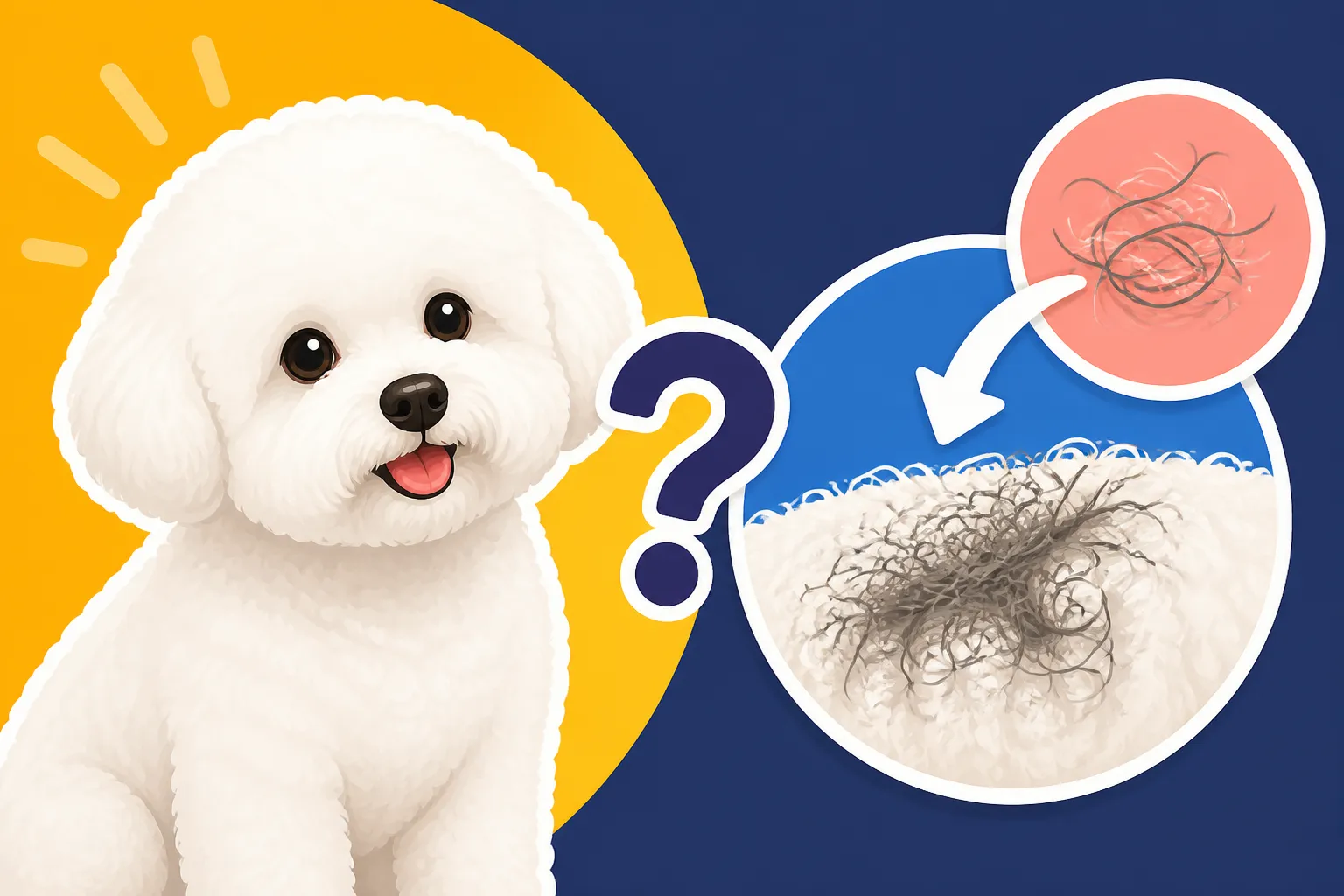
Any Bichon Frise owner knows the sheer frustration of battling mats. You brush, you bathe, you coddle that beautiful white fluff, only to find a tangle lurking seemingly overnight. The truth is, one of the biggest culprits behind these pesky knots isn't just dirt or static, but something far more insidious: loose hair that gets trapped within the dense, cotton-like coat, creating a perfect storm for matting.
Understanding the Unique Bichon Frise Coat
The Bichon Frise coat is truly a marvel, designed by nature to be both soft and protective. But this very uniqueness is also its greatest challenge for owners. It's not a simple straight coat, nor is it a wiry one; it's something entirely different, and understanding its structure is the first step in combating mats.
The Double Coat Myth and Reality
Many people mistakenly believe Bichons have a single coat because they don't "shed" like many other breeds, leaving tufts of fur everywhere. However, the reality is a bit more nuanced. Bichons technically have a double coat, but it's not the typical kind with a harsh outer guard hair and a soft undercoat. Instead, it's composed of a soft, dense undercoat that intertwines with slightly coarser guard hairs that are spirally curled. This combination gives it that characteristic powder-puff appearance and feel. This unique structure is why it traps loose hair so effectively. Imagine millions of tiny, spring-like curls, and every time a hair naturally sheds, instead of falling out, it gets caught in this intricate web.
Why the Bichon Coat Holds Onto Shed Hair
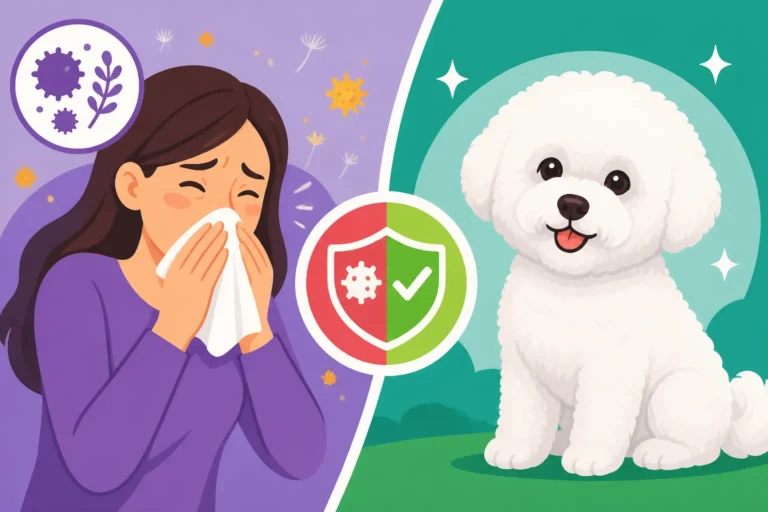
Unlike breeds that have a shedding cycle where dead hair easily releases from the follicle and falls away, the Bichon Frise’s curly texture acts like a natural Velcro. Each shed hair, rather than dropping to the floor, becomes ensnared by the surrounding curls. This is actually a blessing for allergy sufferers, as the dander and hair stay within the coat, reducing airborne allergens. However, for the owner, it means that every single day, those shed hairs are getting woven tighter and tighter into the living coat, creating the foundation for mats. If you don't actively remove these trapped hairs, they will inevitably felt together. This is why you need to know Whether loose hair trapped in the coat causes mats.
The Impact of Humidity and Moisture
Living in a humid climate, or even just after a bath, can exacerbate the matting problem. Moisture causes the hair shaft to swell and the curls to tighten, pulling those trapped, loose hairs even closer together. It’s like tightening a knot. If a Bichon is left to air dry, or isn't thoroughly line-brushed while drying, those damp, shed hairs will cement into dense, painful mats. Even a quick run in the rain can set the stage for a new mat if the coat isn't properly cared for afterward. The same goes for lingering dampness in areas like behind the ears or under the legs.
The Journey from Loose Hair to Painful Mat
It's a process, not an instant transformation. One day you see a bit of fuzz, the next it's a small knot, and before you know it, it's a solid plaque of tangled hair, pulling at your dog's skin. Understanding this progression can help you intervene sooner.
How Individual Shed Hairs Start the Matting Process
Each individual hair on your Bichon Frise has a finite lifespan. When it reaches the end of its cycle, it detaches from the follicle. In a shedding breed, this hair would simply fall out or be brushed away easily. But in a Bichon, that dead hair gets caught by the surrounding live, curly hairs. Think of it like a tiny, invisible piece of string getting snagged in a ball of yarn. One loose hair isn't a problem, but hundreds, then thousands, accumulating day after day, become a felted mass. These small snags become anchor points for more loose hair, accumulating dust, dirt, and even dander, further binding them together.
The Role of Friction and Movement
Once those loose hairs are trapped, any form of friction or movement speeds up the matting process. This is why you often see mats in areas of high friction: under the armpits where legs rub, behind the ears where the head moves, around the collar area, or in the sanitary region. When your Bichon lies down, rolls around, plays, or even just walks, these movements cause friction, which in turn tightens the trapped hairs, weaving them into a denser, more stubborn mat. Even things like a harness can contribute to matting if not fitted properly or if the dog is left with it on for extended periods, especially on a damp coat. This is also why Whether a harness mats a Bichon Frise is such a common question among owners.
The Progression to Skin-Tight Mats
A small knot can quickly escalate into a larger, skin-tight mat. As more hair gets trapped and friction continues, the mat begins to pull on the delicate skin underneath. This isn't just uncomfortable; it can be incredibly painful. Imagine having your hair constantly tugged. Mats create a breeding ground for skin issues too, trapping moisture and debris against the skin, leading to infections, hot spots, and general irritation. If left untreated, these mats can restrict blood flow, cause open sores, and severely impact your dog's quality of life. At this point, dematting becomes impossible without causing extreme pain, and shaving is often the only humane option, which is why Whether a matted Bichon Frise must be shaved is a reality many owners face.
Preventing Mats: Your Daily Grooming Arsenal
Preventing mats is an ongoing commitment, not a one-time fix. It requires daily dedication and the right tools and techniques. Think of it as an essential part of your Bichon's daily care, just like feeding or walking.
The Importance of Daily Line Brushing
This is the golden rule of Bichon ownership: daily line brushing. It’s not enough to just brush the top layer of the coat. You need to get right down to the skin to remove those trapped, shed hairs before they have a chance to felt. Line brushing involves parting the coat, brushing a small section from the skin outwards, then moving down slightly and repeating the process, working your way across the entire dog. It's meticulous, but it's the most effective method. A good slicker brush followed by a metal comb is indispensable. If you're wondering How long brushing a Bichon Frise takes, it can easily be 20-30 minutes daily for a full coat, but it's worth every minute.
To give you an idea of the core tools you'll need, here's a quick overview:
| Tool Type | Purpose | Key Features |
|---|---|---|
| Slicker Brush | Loosening mats, removing trapped hair | Fine, angled pins; various sizes |
| Metal Comb | Checking for mats, reaching the skin | Wide and fine teeth; sturdy construction |
| Pin Brush | General detangling, fluffing (less mat removal) | Longer, widely spaced pins |
| Dematter/Rake | Breaking up minor tangles (use with caution) | Sharp blades (can cut hair if misused) |
| Scissors | Trimming around sensitive areas, cutting out small, stubborn knots | Blunt-nosed for safety; sharp blades for clean cuts |
You can find all these essential tools on platforms like Amazon or Chewy, making it easy to stock your grooming kit.
Choosing the Right Tools
Having the right tools makes all the difference. For a Bichon Frise, a high-quality slicker brush is paramount. Look for one with firm, but not overly harsh, pins that can penetrate the dense coat without scratching the skin. Following up with a good metal comb, especially one with both wide and fine teeth, allows you to check your work and ensure you've removed all tangles and loose hair right down to the skin. Which brush suits a Bichon Frise is a common question, and while slickers are primary, a greyhound-style comb is your best friend for checking for mats. Don't forget nail clippers or a grinder, and a good ear cleaning solution, as these are all part of general maintenance that keeps your Bichon happy during grooming sessions.
The Critical Role of Proper Bathing and Drying
Bathing a Bichon Frise isn't just about getting them clean; it's a crucial part of mat prevention. Never, ever bathe a matted Bichon. Water will only tighten the existing mats, making them impossible to brush out and often requiring a complete shave down. Always thoroughly brush out your Bichon before the bath. Use a good quality shampoo and conditioner designed for dogs, rinsing thoroughly to prevent residue, which can also contribute to matting.
The drying process is equally, if not more, important. You must line dry your Bichon with a force dryer (a high-velocity pet dryer) while brushing, pushing air right to the skin to ensure the undercoat is completely dry and straight. If you let a Bichon air dry, or don't dry them thoroughly, those curls will tighten, and any lingering trapped hair will immediately start to felt, causing a fresh batch of mats. This thorough drying technique also helps you achieve that classic The powder puff outline a Bichon Frise is scissored into.
Beyond Brushing: Comprehensive Coat Management
While daily brushing is non-negotiable, a holistic approach to coat management will ensure your Bichon stays mat-free and comfortable.
Regular Professional Grooming Appointments
Even with diligent home care, regular professional grooming is essential for a Bichon Frise. A professional groomer has specialized tools, knowledge, and experience to manage the Bichon coat effectively. They can spot and address minor matting before it becomes severe, ensure proper trimming, and give the coat a thorough deep clean and dry that’s hard to replicate at home. Expect to schedule a full groom every 4-6 weeks to maintain the coat's health and appearance. This routine also helps you gauge How often a Bichon Frise needs a full groom.
The Impact of Diet on Coat Health
What your Bichon eats plays a significant role in the overall health and quality of their coat. A diet rich in essential fatty acids (like Omega-3 and Omega-6) can promote a healthy, shiny coat and skin, which in turn can make the hair less prone to breakage and matting. High-quality protein also supports healthy hair growth. If your dog's diet isn't providing adequate nutrition, their coat might become dry, brittle, or dull, making it more susceptible to matting. Brands like Ollie, known for their fresh, human-grade ingredients, or high-quality kibbles available on Chewy, can contribute to a healthier coat. Always discuss dietary changes with your vet, especially if your Bichon has other health concerns.
Addressing Health Issues that Affect the Coat
Sometimes, an underlying health issue can manifest in poor coat quality, leading to increased matting. Conditions like allergies, skin infections, thyroid problems, or even parasites can cause excessive itching, scratching, or changes in hair texture, all of which contribute to tangles and mats. If you notice a sudden change in your Bichon's coat, increased matting despite consistent grooming, or signs of skin irritation, it's crucial to consult your veterinarian. Addressing these health concerns not only improves your dog's overall well-being but also makes coat management much easier. For example, if your Bichon is suffering from The atopic skin a Bichon Frise is born with, their coat condition might be severely affected, requiring a targeted treatment plan.
Preventing Future Matting: Long-Term Strategies
Maintaining a mat-free Bichon is a marathon, not a sprint. It requires consistent effort and a few strategic habits to ensure their comfort and coat health for years to come.
Consistent Brushing Habits and Schedule
The most effective long-term strategy is consistency. Establish a daily grooming routine and stick to it. Whether it's 15 minutes every evening while you watch TV or a dedicated 30-minute session, make it a non-negotiable part of your day. Teach your Bichon to enjoy or at least tolerate grooming from a young age, making the experience positive with treats and praise. This not only prevents mats but also strengthens your bond and allows you to regularly check for lumps, bumps, or any skin issues. Remember, Home brushing makes salon visits easier and less stressful for everyone involved.
Utilizing Leave-In Conditioners and Detangling Sprays
Just like human hair, a Bichon Frise's coat can benefit from leave-in conditioners and detangling sprays. These products can help moisturize the hair, make it smoother, and reduce static, all of which contribute to less tangling. A light mist before a brushing session can help the brush glide through the coat more easily, minimizing breakage and making the removal of loose hair more effective. Always choose products specifically formulated for dogs to avoid skin irritation. Many reputable brands offer these on Amazon.
When to Consider a Shorter Haircut
While the classic powder-puff look is beautiful, it's also the most demanding to maintain. If you find yourself constantly battling mats despite your best efforts, or if your lifestyle simply doesn't allow for daily extensive grooming, don't be afraid to consider a shorter, more practical haircut. A shorter "puppy cut" or "kennel clip" can significantly reduce the amount of maintenance required while still allowing your Bichon to look adorable and, most importantly, be comfortable. A good groomer can advise you on suitable shorter styles that still complement your Bichon's features and ensure their comfort. Sometimes, prioritizing comfort over a show-standard look is the kindest thing you can do for your furry friend.
Disclaimer
This article is for general informational purposes only and does not constitute professional advice. Laws, prices and regulations vary by location and change over time. Consult a qualified professional for guidance on your specific situation.