Whether a Comb Should Follow the Brush
Every Bichon Frise owner knows the delightful, fluffy cloud that greets them each morning. It's that iconic, pristine white coat that steals hearts, but maintaining its beauty and health can feel like a never-ending battle against tangles and mats. Many well-meaning owners diligently brush their Bichons daily, yet still find stubborn knots lurking beneath the surface, leading to frustration for both human and dog. This comprehensive guide will walk you through the essential two-step grooming process – brushing and combing – revealing why a comb is not just an optional extra, but a critical tool to ensure your Bichon's coat remains mat-free, comfortable, and truly magnificent.
The Unique Challenge of the Bichon Frise Coat
Understanding why your Bichon's coat behaves the way it does is the first step to mastering its care. It's not like brushing a Labrador; the Bichon Frise has a very specific coat type that requires a particular approach. Without this understanding, you might be brushing diligently every day and still unwittingly creating problems.
Why Brushing Alone Is Never Enough for a Bichon
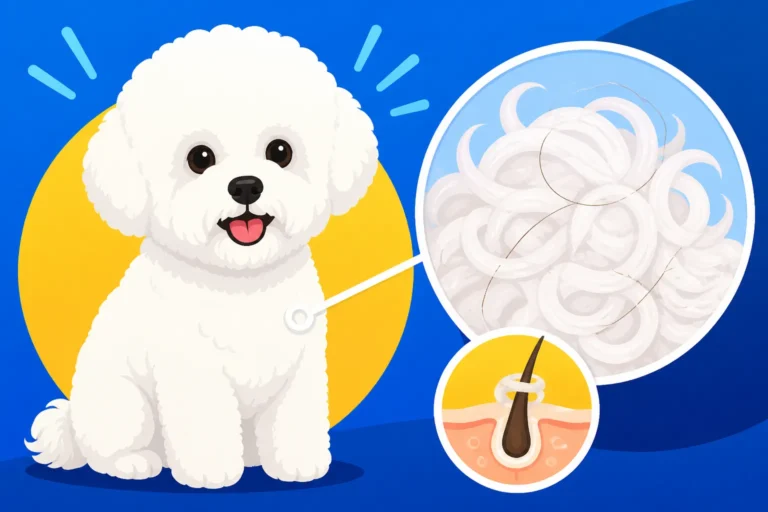
Many dog breeds shed their hair, allowing it to fall out and be replaced by new growth. A quick brush might pick up loose hairs and keep their coat tidy. But a Bichon Frise is different. They have a dense, double coat, consisting of a soft undercoat and a coarser guard coat, and they are often described as "non-shedding." While this is wonderful for allergy sufferers, it means their loose hair doesn't fall out onto your furniture; instead, it gets trapped within the existing coat.
Imagine a tangled ball of yarn that just keeps adding more strands without any falling away. That's essentially what happens with a Bichon's coat. A brush, especially a slicker brush, is excellent at pulling out many of these trapped hairs and separating the coat. However, the bristles of even the best slicker brush often skim over the very base of the coat, especially in denser areas or where tangles are beginning to form close to the skin. If these tiny, unseen tangles aren't addressed, they quickly snowball, pulling in more loose hair and forming tight, painful mats that can irritate the skin, restrict movement, and even lead to skin infections. This is why you might feel like you're brushing your Bichon every single day, only for your groomer to find mats hidden deep within their fluff. It's a frustrating cycle, but it's not a reflection of your effort, but rather the unique demands of the Bichon's coat.
The Hidden Dangers of Untouched Tangles
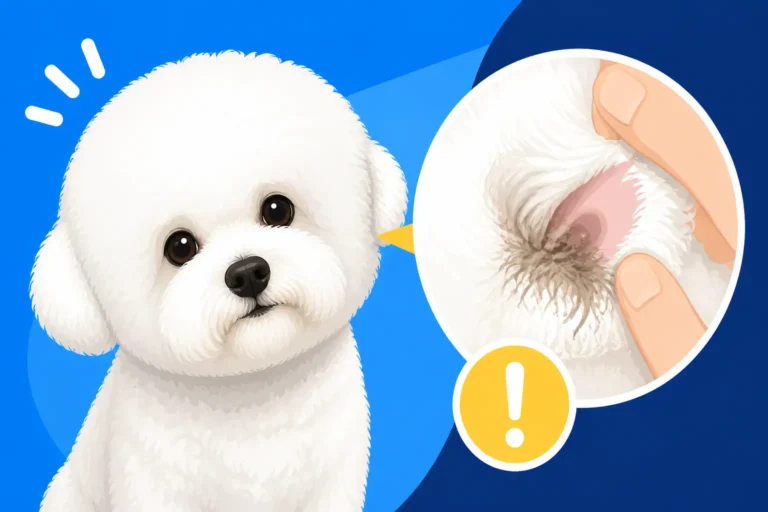
When those small, brushed-over tangles are left to fester, they become much bigger problems than just cosmetic imperfections. Mats tighten with every movement your dog makes, pulling at their sensitive skin. Think of it like constantly having your hair pulled in a tight bun, but all over your body. This constant tugging can be incredibly painful, especially in high-friction areas like behind the ears, in the armpits, or around the legs.
Beyond discomfort, mats create a barrier against air circulation, trapping moisture and debris against the skin. This damp, warm environment is a breeding ground for bacteria and yeast, which can lead to nasty skin infections that are itchy, smelly, and require veterinary attention. Furthermore, a heavily matted dog might become reluctant to be touched or groomed, associating the process with pain. This can create behavioral challenges and make future grooming sessions even more difficult. It's a vicious cycle that can severely impact your Bichon's quality of life and your bond with them. Addressing tangles thoroughly with a comb is not just about aesthetics; it's a fundamental part of their health and well-being. You can learn more about specific matting issues in Whether Loose Hair Trapped in the Coat Causes Mats.
The Essential Two-Step: Brush and Comb Method
Once you understand why both tools are necessary, the next step is to master the technique. It's a simple, methodical process that ensures every inch of your Bichon's coat is truly tangle-free, from tip to skin.
The Purpose of the Brush: Opening the Coat
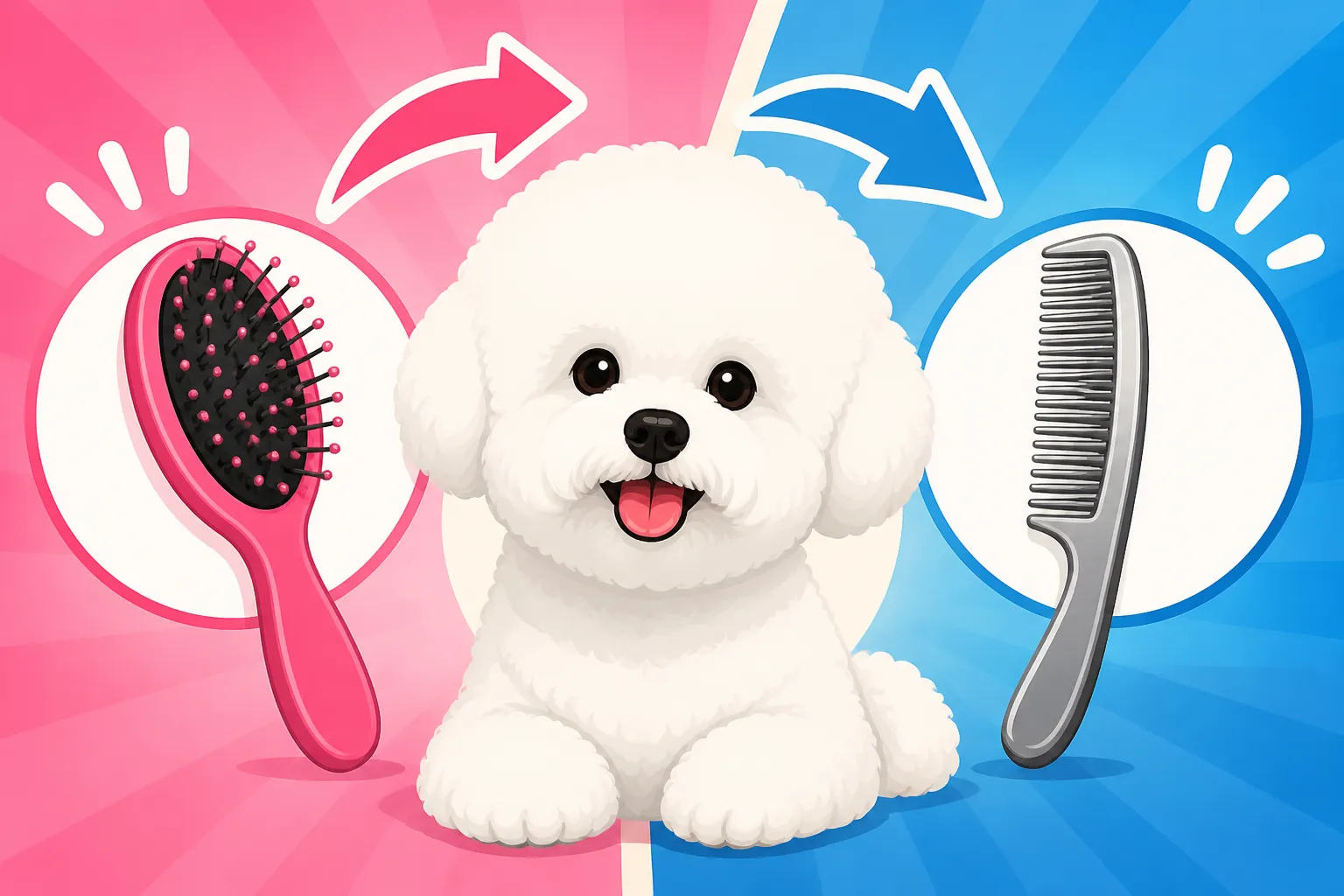
The brush is your first line of defense, the workhorse that prepares the coat for the more detailed work of the comb. For a Bichon Frise, a good quality slicker brush is indispensable. Its fine, wire bristles are designed to reach through the dense coat, separating the individual strands and pulling out the abundant loose undercoat that would otherwise form mats.
The key to effective brushing isn't just a quick once-over on the surface. You need to employ a technique called "line brushing." This involves parting the coat horizontally, layer by layer, and brushing upward and outward. Start at the bottom of a leg or the flank, part the hair, and brush that section thoroughly, all the way down to the skin. Then, part a new section slightly above the first, and repeat. By doing this, you're systematically working through the coat, ensuring you don't miss any layers. This opens up the coat, removes the majority of shed hair, and starts to untangle any minor knots. Without this thorough initial brushing, the comb will simply snag and pull, making the entire process uncomfortable for your dog. For more on this, check out Whether a Slicker Reaches a Bichon Frise's Skin and Whether Line Brushing Is Necessary on a Bichon Frise.
The Crucial Role of the Comb: The Final Check
After you've diligently line-brushed an entire section, it's time for the comb. The comb acts as your quality control, your assurance that no sneaky tangles have escaped the brush. It's designed to reach all the way down to the skin, confirming that the coat is truly free of knots.
Using a sturdy metal comb with both fine and coarse teeth, slowly draw the comb through the same section you just brushed, from the tips of the hair right down to the skin. If the comb glides through smoothly without snagging or pulling, you've done a fantastic job with your brush! This means that section is truly tangle-free. If the comb catches, however, it means there's a mat or tangle the brush missed. Don't pull through it. Instead, go back to that specific spot with your slicker brush and work out the tangle gently, then re-comb the area. This brush-then-comb cycle ensures that you're not just grooming the top layer of fluff, but genuinely maintaining a healthy, mat-free coat from the skin outwards. It might seem like an extra step, but it's the difference between a truly well-groomed Bichon and one with hidden problems.
Choosing the Right Grooming Tools
Having the right tools for the job makes all the difference, especially when you're dealing with a coat as demanding as a Bichon's. Investing in quality grooming equipment will save you time, reduce frustration, and provide a much more comfortable experience for your furry friend.
Essential Brushes for the Bichon Coat
For a Bichon Frise, a high-quality slicker brush is paramount. Look for one with firm yet flexible pins that have protective tips. Brands known for their durability and effectiveness, such as those you might find on Amazon or Chewy, are usually a good bet. There are different sizes, so choose one that fits comfortably in your hand and is appropriately sized for your dog. A larger brush can cover more surface area, while a smaller one offers more precision for delicate spots.
You might also consider a pin brush for daily maintenance brushing between full line-brushing sessions, especially if your dog's coat is relatively short and mat-free. Pin brushes are great for gentle detangling and fluffing the coat. However, remember that even a great pin brush won't replace the deep-reaching power of a slicker brush or the mat-finding ability of a comb for a Bichon's dense coat. When selecting a slicker brush, feel the pins yourself; they should be firm enough to penetrate the coat but not so stiff that they scratch your skin. The goal is to separate hair, not irritate skin.
The Indispensable Metal Comb
While the slicker brush does the heavy lifting, the metal comb is truly the unsung hero of Bichon grooming. You'll want a sturdy, professional-grade metal comb, not a flimsy plastic one that will bend or break under pressure. Look for a comb with teeth of varying widths – typically half coarse and half fine. The coarser teeth are great for initially working through thicker sections and larger tangles, while the finer teeth provide that ultimate "mat-check" for smaller knots close to the skin.
Ensure the teeth are smooth and polished, without any sharp edges that could scratch your dog's skin. A good metal comb will feel solid in your hand and have enough weight to it that you can easily manipulate it through the coat. You can find excellent options for grooming combs through online retailers like Amazon or Chewy. It’s a tool that will last for years and is absolutely crucial for verifying that your brushing efforts have truly paid off.
Here's a quick overview of essential grooming tools for your Bichon:
| Tool | Primary Function | Best Use For | How to Use |
|---|---|---|---|
| Slicker Brush | Removing loose undercoat, opening dense coat | Daily brushing, preliminary detangling, line brushing | Brush systematically, layer by layer, from skin outwards. |
| Metal Comb | Finding hidden tangles, ensuring mat-free coat | Post-brushing check, precision detangling, sensitive areas | Comb through brushed sections from skin to tip; if it snags, re-brush. |
| Pin Brush | Gentle detangling, fluffing, daily upkeep | Quick touch-ups, distributing natural oils, fluffing dry coat | Good for surface work, but not for deep mat prevention. |
| Dematting Spray | Lubricating knots, easing brush/comb through tangles | Pre-treatment for stubborn mats | Spray lightly on mat, work in, then gently brush/comb. |
| Scissors | Trimming face, paws, sanitary areas | Maintenance between professional grooms, safety trimming | Use blunt-nosed scissors, always point away from skin, be extremely cautious. |
Mastering the Grooming Routine
Consistent and correct grooming is key to keeping your Bichon Frise healthy and happy. It's not just about aesthetics; it's about comfort, hygiene, and preventing costly problems down the line.
Step-by-Step Grooming for a Mat-Free Bichon
Making grooming a positive and consistent experience is crucial, especially if you have a young Bichon. Start early, making short sessions fun with treats and praise. The goal is to prevent mats rather than having to deal with them once they've formed.
- Preparation is Key: Gather all your tools: slicker brush, metal comb, a detangling spray (if needed), and plenty of treats. Choose a comfortable, non-slip surface, like a grooming table or even a sturdy kitchen counter with a mat, to save your back and keep your dog focused.
- Section by Section Brushing (Line Brushing):
- Start at your Bichon's paws or one side of their body. Using your hand, part the hair horizontally to expose the skin, creating a "line" of coat.
- Hold the upper layer of hair out of the way. With your slicker brush, brush the exposed section thoroughly, working from the skin out to the ends of the hair. Make sure you feel the bristles gently scratching their skin – this ensures you're getting deep enough.
- Once that section feels smooth and free of tangles, drop a small amount more hair down from the top layer and repeat the process. Work your way up the body, then move to the next leg, the tail, and finally the head and ears.
- The All-Important Comb Check:
- After you've thoroughly brushed a section, immediately follow up with your metal comb. Draw the comb through the same section, from the skin to the hair tips.
- If the comb glides through without snagging, congratulations! That section is truly tangle-free.
- If the comb catches, don't force it. Gently pull the comb back, identify the tangle, and go back to that spot with your slicker brush to work it out. You might need a spritz of detangling spray at this point. Once the brush has loosened it, comb again until it glides smoothly.
- Special Attention Areas: Pay extra mind to behind the ears, armpits, under the chin, the groin area, and the tail. These are prime spots for mats because of friction and movement. Being gentle and thorough here is critical.
- Finish with a Fluff: Once you've brushed and combed your entire Bichon, a final quick brush over the entire coat can help fluff it up and give it that beautiful powder-puff look.
This complete brush-and-comb method should ideally be done every 1-2 days. While it might sound like a lot, consistent short sessions are far easier than battling huge mats once a week. Check out How Long Brushing a Bichon Frise Takes for more time management tips.
Dealing with Stubborn Mats and Sensitive Areas
Even with the best intentions, you might still encounter stubborn mats, especially if you're new to the routine or your Bichon has been particularly playful. The absolute golden rule here is: never pull on a mat. Pulling is painful and can damage the skin.
For a small mat, try saturating it with a good quality detangling spray. Gently work the spray into the mat with your fingers. Then, using just the very tips of your slicker brush bristles or the coarse end of your metal comb, try to tease the mat apart, strand by tiny strand. Work from the outer edge of the mat inwards. This takes patience, but it's much kinder than ripping through it. If the mat is large, dense, or very close to the skin, do not attempt to cut it out yourself with scissors, as it's incredibly easy to accidentally cut your dog's skin. In such cases, it's always best to consult a professional groomer. They have specialized tools and techniques to safely remove mats, even if it means a shorter haircut in that area. Sometimes, if the matting is severe, the kindest and safest option is a full shave down, as discussed in Whether a Matted Bichon Frise Must Be Shaved.
Sensitive areas like ears, paws, and sanitary regions need a gentle touch. For ears, be very careful when brushing and combing, as the skin is thin and easily irritated. Lift the ear flap to ensure you're combing the hair underneath. For paws, gently separate the toes and comb any hair that grows between the pads, as this can collect debris and form mats. The sanitary area requires very careful trimming with blunt-nosed scissors, but leave the detailed scissoring for a professional unless you're very confident. Make grooming a positive experience from a young age, so your Bichon learns to tolerate these necessary routines. Check out How Early a Bichon Frise Should Meet a Groomer for puppy socialization tips.
The Long-Term Benefits of Proper Grooming
Consistent, thorough grooming isn't just a chore; it's an investment in your Bichon's health, happiness, and your bond together. The payoff goes far beyond a beautiful coat.
Healthier Skin and Coat
When you diligently brush and comb your Bichon, you're doing much more than just removing tangles. You're stimulating the skin, which promotes healthy blood circulation and encourages the natural distribution of skin oils. This helps keep the skin supple and the coat lustrous and strong. By preventing mats, you eliminate the risk of mat-related skin infections, hot spots, and general irritation that can cause your dog discomfort and require expensive vet visits.
A well-groomed coat also allows air to circulate, preventing moisture buildup and keeping your Bichon's skin breathing freely. This is especially important for a breed like the Bichon, which can be prone to skin sensitivities. Moreover, regular grooming gives you an opportunity to check your dog's skin for any lumps, bumps, parasites, or changes that might indicate a health issue, allowing for early detection and treatment. It truly becomes a proactive health check wrapped in a bonding experience.
Enhanced Comfort and Behavior
Imagine trying to walk or play with your clothes constantly pulling and tugging at your skin. That's what a matted coat feels like for a dog. A mat-free Bichon is a comfortable Bichon. They can move freely, play without restriction, and simply enjoy being a dog without constant irritation. This comfort translates directly into improved behavior. A dog that isn't constantly itchy or in pain from mats is generally a happier, calmer, and more cooperative companion.
Grooming sessions, when done gently and positively, also become a wonderful bonding experience. Your Bichon learns to trust you with their care, reinforcing your relationship. They become accustomed to being handled, which is also beneficial for vet visits or when a professional groomer needs to work on them. A dog that is used to handling and not sensitive to touch is less likely to nip or struggle, making all aspects of their care much easier for everyone involved. This foundation of trust, built through regular and careful grooming, is invaluable for their entire lifespan. For details on how grooming can affect their disposition, consider reading Whether Home Brushing Makes Salon Visits Easier.
Building a Stronger Bond Through Care
The act of regularly grooming your Bichon Frise is far more than just a maintenance task; it's a profound way to connect with your beloved companion. During these sessions, whether it's a quick daily comb-through or a more thorough weekly session, you're dedicating focused, calm attention to your dog. This consistent, gentle touch, combined with positive reinforcement like soft praise and tasty treats, builds an incredible level of trust and affection. Your Bichon learns to associate grooming not with discomfort or stress, but with your loving presence and reassuring hands.
This regular physical interaction also sharpens your awareness of your dog's body. You'll quickly notice any new lumps, tender spots, changes in skin condition, or even subtle shifts in their mood. This intimacy allows you to be attuned to their well-being in a way that goes beyond casual observation. It transforms a necessary chore into a cherished ritual, strengthening the unique bond you share and making your Bichon feel safe, cared for, and deeply loved.
Disclaimer
This article is for general informational purposes only and does not constitute professional advice. Laws, prices and regulations vary by location and change over time. Consult a qualified professional for guidance on your specific situation.