How Early a Bichon Frise Should Meet a Groomer
One of the biggest concerns for new Bichon Frise parents is often their fluffy little one's first haircut. You might find yourself wondering, "How early is too early to take my precious puppy to the groomer?" It’s a valid worry, because we all want our Bichons to have a positive experience and grow up loving their pampering sessions, not dreading them. This guide will walk you through the ideal timeline and strategies for introducing your Bichon Frise to the grooming world, ensuring a happy, well-groomed adult dog.
Laying the Groundwork: Why Early Exposure Matters So Much
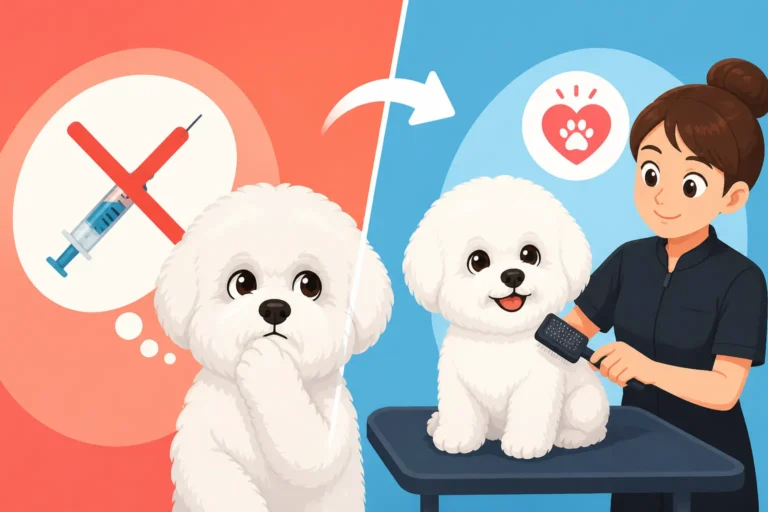
Bringing home a Bichon Frise puppy is a joyous occasion, filled with tiny barks, playful nips, and endless cuddles. But beneath that adorable, cotton-ball exterior lies a coat that requires consistent, professional care from day one. Many new owners, understandably, think they should wait until their puppy has had all its vaccinations before venturing out, or perhaps until it looks a bit shaggy. However, with a Bichon Frise, starting early isn't just a good idea, it's absolutely crucial for their lifelong comfort and cooperation.
Beyond the First Shots: The Socialization Window for Grooming
When you bring your Bichon Frise puppy home, typically around 8-12 weeks of age, they are in a critical socialization window. This period is when they are most open to new experiences, sights, sounds, and sensations. Every positive interaction during this time helps shape their perception of the world – and that includes the grooming salon. Waiting until they are older, or worse, waiting until they are matted and uncomfortable, often means turning grooming into a stressful, even traumatic, ordeal.
Think of it this way: would you rather teach a curious, open-minded toddler to swim or try to drag a resistant teenager into the pool? It's the same principle. Early, gentle exposure, even before they need a full "powder puff" trim, helps them associate the groomer's shop with pleasant experiences, treats, and praise. This isn't just about their coat; it's about their emotional well-being and building trust.
Why "Happy Visits" Are Worth Their Weight in Gold
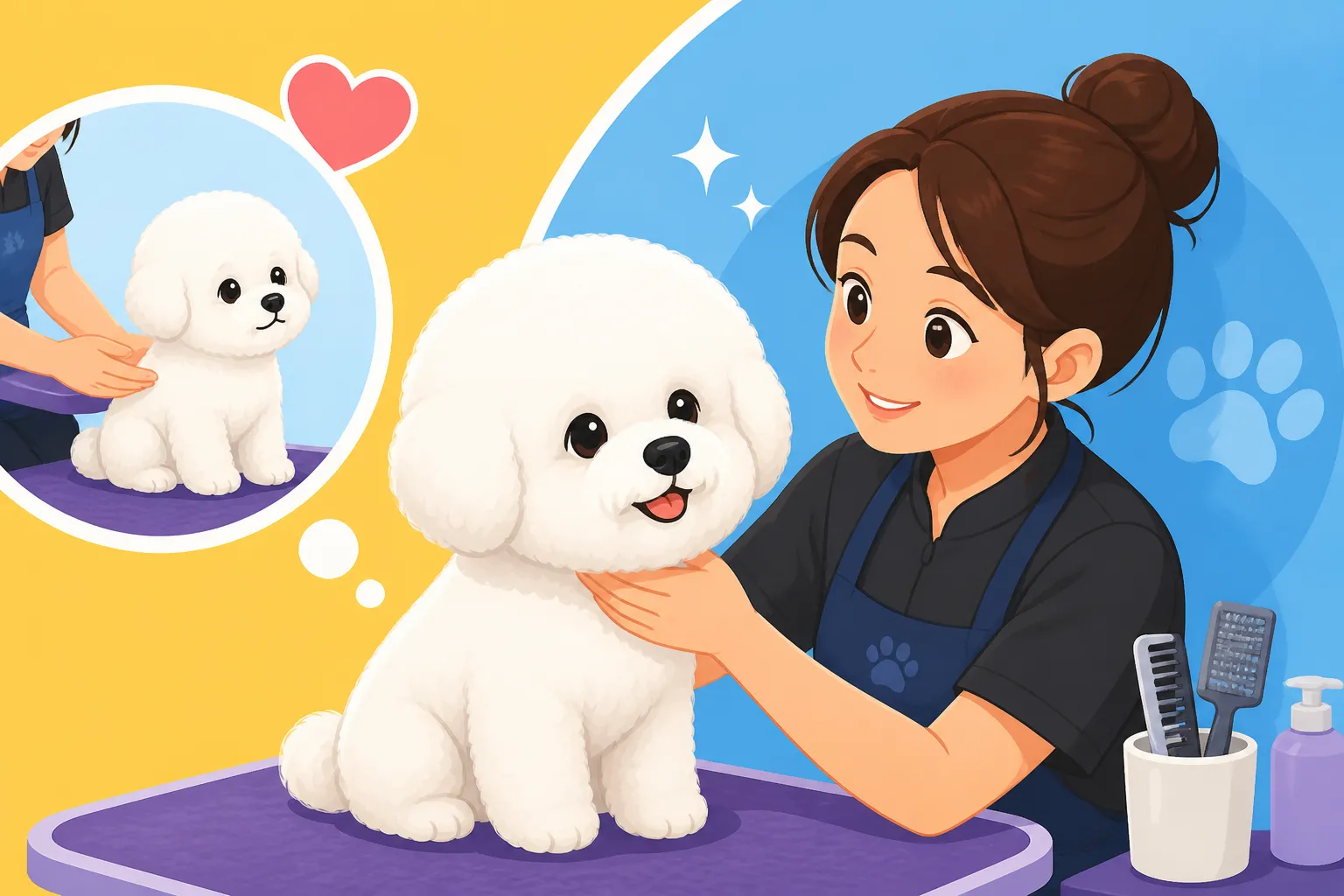
Many reputable groomers understand the unique needs of puppies and offer what are often called "happy visits" or "puppy introduction sessions." These aren't full grooms, nor are they typically expensive. Instead, they are short, positive sessions designed purely for exposure. A groomer might simply let your puppy explore the salon, hear the dryer from a distance, get comfortable on the grooming table for a few minutes, have their nails gently touched or trimmed, and perhaps their face or paws lightly brushed.
These small steps are instrumental in preventing future fear and anxiety. Imagine a puppy that has only known loud noises from the vacuum cleaner at home suddenly being confronted with the powerful sound of a high-velocity dryer. It's overwhelming! By breaking down the experience into manageable, positive steps, you're investing in a lifetime of easier grooms for your Bichon. It's a fundamental part of The First Year With a Bichon Frise Puppy.
What a Puppy's First Grooming Exposure Should Look Like
Okay, so we've established that early exposure is key. But what exactly does that entail? It’s not about dropping your 10-week-old puppy off for a full cut and bath. It's about a gradual, positive introduction that builds confidence and familiarizes them with the tools and sensations of grooming.
The "Meet and Greet" at the Groomer's
Ideally, your Bichon Frise puppy's very first "groomer visit" should happen as soon as they've had their first set of vaccinations and your vet gives the okay for them to be out and about, usually around 10-12 weeks. This visit should be brief and low-stress. Here’s what it might involve:
- Exploration: Allowing your puppy to sniff around the waiting area, get accustomed to new smells and sounds.
- Groomer Introduction: The groomer greeting your puppy warmly, offering treats, and allowing the puppy to get comfortable with them.
- Table Time: Gently placing the puppy on the grooming table for a minute or two, letting them stand or sit, while receiving praise and treats. This is crucial for teaching them to be comfortable on an elevated surface.
- Tool Exposure: Brief, gentle exposure to grooming tools – perhaps a soft brush, a silent clipper (not turned on yet!), or a nail grinder. The goal isn't to do anything, but just to let them feel the tool against their coat or paws.
- Sound Acclimation: Maybe they hear the dryer running in the background, but not directed at them. This desensitization is vital for later on when Teaching a Bichon Frise to Accept a Dryer.
- Mini-Trim (Optional, Very Light): Some groomers might do a very quick, gentle trim around the eyes or sanitary area if the puppy is tolerating it well and it's absolutely necessary. This should be minimal and focused on positive reinforcement.
Remember, these early visits are about creating positive associations, not achieving a perfect cut. It's an investment in their future comfort. Discuss these "puppy package" or "happy visit" options with local groomers to find one that aligns with this philosophy.
Preparing Your Puppy at Home: You're Part of the Team
You are your puppy’s first groomer, even if you never intend to give a full haircut! The experiences you provide at home will massively influence how well your Bichon Frise handles professional grooming. This starts the day they arrive.
- Daily Brushing: Even if it's just for five minutes, get your puppy used to being brushed every single day. Use a soft slicker brush and a metal comb. Make it a positive experience with lots of praise and tiny, high-value treats. Focus on all areas: legs, belly, behind the ears. This also teaches them that How Long Brushing a Bichon Frise Takes is a regular, gentle activity.
- Handling Everywhere: Gently touch their paws, ears, tail, and muzzle. Open their mouth to check their teeth. This helps them become accustomed to being handled, which is essential for grooming tasks like nail trims, ear cleaning, and face scissoring. Many owners use an online training program, like those offered by BAXTER & Bella, which often includes modules on cooperative care and handling for grooming, providing structured guidance.
- Table Training: If you have a sturdy table at home (even a kitchen counter can work if safe), practice placing your puppy on it for short periods. This simulates the grooming table experience. Reward them for standing calmly.
- Sound Exposure: Get them used to the sounds of clippers (even if not on them yet), hairdryers (on a low, cool setting, not directly at them), and even running water for baths.
- Baths: Start with short, warm baths at home once your vet gives the all-clear, using puppy-safe shampoo. Make it fun, not scary. This helps tremendously later, as Whether a Bichon Frise Learns to Fear the Groomer After Pain can happen if baths are stressful.
The more you practice these things at home, the less stressful the professional grooming sessions will be. It truly makes a world of difference when your groomer can see that you’ve done your homework.
When to Schedule the First Full Groom
After those initial happy visits and consistent home care, you'll naturally start wondering when the actual full groom should happen. There's no one-size-fits-all answer, but generally, Bichon Frises benefit from their first proper, albeit gentle, full groom around 4-6 months of age.
Timing is Everything: Balancing Comfort and Coat Health
By 4-6 months, most Bichon Frise puppies have completed their initial vaccination series and their coat is starting to grow in earnest. This is also when the puppy coat begins to change, often becoming denser and more prone to matting. This transition period is when The Months a Bichon Frise Puppy Coat Changes and can lead to increased tangles if not managed.
A good groomer will still prioritize your puppy's comfort during this first full groom. It might be shorter than an adult groom, focusing on tidying up the coat rather than a strict adherence to the breed standard's "powder puff" outline. They'll ensure the puppy feels safe and secure throughout the process, which might include:
- Warm Bath and Conditioning: A thorough but gentle wash to clean and prepare the coat.
- Gentle Drying: Using a low-speed dryer, gradually increasing comfort.
- Light Trim: A basic tidy-up, especially around the face, paws, and sanitary areas. This might be a "pet trim" rather than a full show groom, which is often more practical for home life anyway. Whether a Pet Trim Suits a Bichon Frise is a common question, and for puppies, it's often the best start.
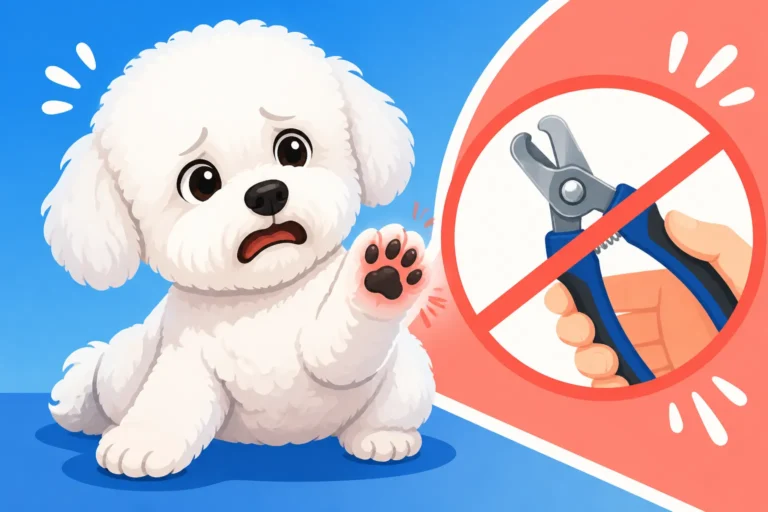
- Nail Trim and Ear Cleaning: Essential hygiene tasks done with care.
It’s crucial that this first full groom is as positive as possible to prevent your Bichon from developing a lifelong aversion to grooming. If they show signs of extreme stress, a good groomer will pause, offer comfort, and adjust the plan.
The Role of Regularity: Consistency for a Lifetime
Once your Bichon Frise has had their first full groom, the key is consistency. Bichons generally need professional grooming every 4-6 weeks to maintain their coat, prevent matting, and keep them looking and feeling their best. This regular schedule helps:
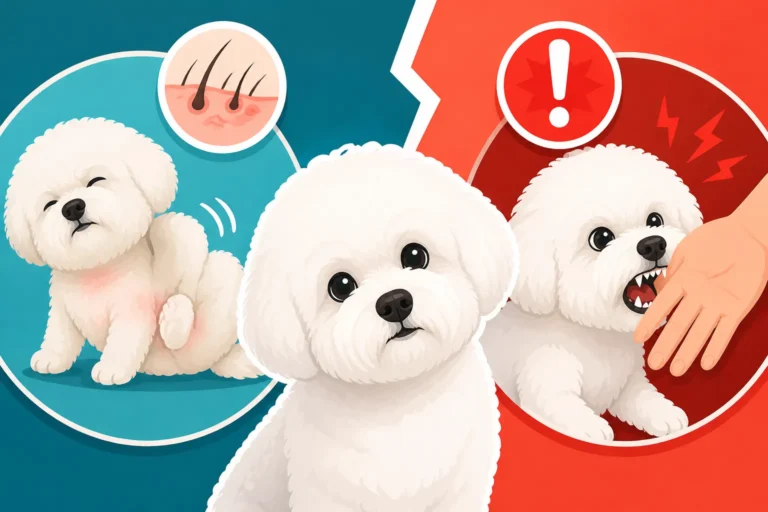
- Prevent Matting: Bichon coats are non-shedding, meaning dead hair gets trapped in the living coat, leading to mats if not brushed and trimmed regularly. Mats are painful and can cause skin infections.
- Maintain Hygiene: Regular trims keep sanitary areas clean, prevent tear staining from becoming severe, and keep paw pads tidy for better grip and comfort. You can even find specialized tear stain removers and whitening shampoos on platforms like Amazon to help with maintenance between grooms.
- Reinforce Positive Behavior: Frequent, positive visits reinforce that grooming is a normal part of life, reducing anxiety over time. How Often a Bichon Frise Needs Grooming is a non-negotiable part of their care.
| Puppy Age | Recommended Grooming Activity | Primary Goal |
|---|---|---|
| 8-10 Weeks | Daily home brushing/handling, sound exposure, gentle table time. | Positive association with touch and tools. |
| 10-12 Weeks | First "happy visit" to groomer: brief exploration, treats, table time, light tool exposure. | Familiarization with salon environment and groomer. |
| 12-16 Weeks | Continued home grooming, short happy visits to groomer, very light face/paw trims if tolerated. | Build comfort and trust; prevent early matting around sensitive areas. |
| 4-6 Months | First full, gentle professional groom (bath, dry, light trim). | Introduce full grooming process in a low-stress manner. |
| 6 Months + | Regular professional grooms every 4-6 weeks, consistent home care. | Maintain coat health, hygiene, and positive grooming habits. |
Overcoming Challenges: When Grooming Becomes Difficult
Despite our best efforts, sometimes grooming can still be a challenge. Maybe your Bichon Frise is particularly sensitive, had a bad experience before you adopted them, or simply developed a fear. It's frustrating when you just want what's best for your furry friend, but they're clearly distressed.
Recognizing Signs of Grooming Anxiety
It’s important to be able to read your Bichon Frise’s body language. Signs of stress or anxiety during grooming can include:
- Trembling or shaking: A clear indicator of fear.
- Panting excessively: Especially when not hot or exercising.
- Excessive licking or yawning: Stress signals.
- Tucked tail or flattened ears: Classic signs of unease.
- Growling, snapping, or biting: A warning that they're overwhelmed and need space.
- Trying to escape or hide: They want out of the situation.
- "Freezing": Becoming completely still, which can sometimes be mistaken for calm, but is often a sign of extreme fear.
If you observe these signs, communicate them openly with your groomer. A good professional will adjust their approach, use calming techniques, or suggest breaking the groom into shorter sessions. Sometimes Whether a Bichon Frise Needs Sedation for Grooming is an option, but it's always a last resort discussed with your vet.
Strategies for a Fearful or Resistant Bichon
For Bichons who struggle with grooming, a multi-faceted approach is often best.
- Positive Reinforcement and Desensitization: Go back to basics. Reintroduce tools and sensations very gradually, pairing them with high-value treats and praise. For example, turn clippers on in another room, then closer, never forcing interaction, always rewarding calm behavior. This is where resources like BAXTER & Bella's online training can be invaluable, as they often have specific steps for cooperative care.
- Short, Frequent Sessions: Instead of one long, stressful grooming session, try doing multiple very short sessions at home each day. Five minutes of gentle brushing might be all they can handle initially.
- Find a Fear-Free Groomer: Seek out groomers who specialize in fear-free techniques, using gentle handling, calming pheromones, and positive reinforcement to make the experience less intimidating.
- Vet Consultation: If anxiety is severe, consult your veterinarian. They might suggest anti-anxiety medications or supplements to help your Bichon cope. They can also rule out any underlying pain or medical issues that could be making grooming uncomfortable, such as Recurrent Ear Infections in a Bichon Frise or skin irritation.
- Focus on Comfort Over Aesthetics: If your Bichon truly can't tolerate a full powder puff, opt for a shorter, easier-to-maintain pet trim. Their comfort and well-being should always take precedence over the perfect show look. Whether a Show Trim Is Practical for a Pet Bichon Frise often comes down to the individual dog's tolerance and the owner's commitment to daily maintenance.
- Invest in Good Home Tools: Having high-quality brushes and combs (easily found on Amazon) makes home grooming more effective and less painful for your dog, which in turn can make them more tolerant of professional sessions. Which Brush Suits a Bichon Frise is an important consideration for home care.
Remember, patience is key. It might take time to reverse negative associations, but with consistent, positive effort, most Bichons can learn to tolerate, if not enjoy, their grooming routine.
The Long-Term Benefits of Early Grooming Exposure
Ultimately, starting early with grooming introductions for your Bichon Frise isn't just about getting a good haircut; it's about setting them up for a healthy, happy life. A dog that is comfortable with being handled and groomed is a dog that will be easier to care for throughout their The Fourteen to Fifteen Years a Bichon Frise Lives.
Think of all the routine care your Bichon will need: vet visits, ear cleanings, nail trims, and of course, those regular full grooms. If they develop a deep-seated fear of being touched or restrained, every single one of these essential tasks becomes a battle. This isn't fair to them, and it's incredibly stressful for you as an owner.
By embracing early, positive grooming exposure, you're not just ensuring a beautiful, fluffy companion; you're fostering a well-adjusted dog who trusts humans, tolerates necessary care, and enjoys their pampering sessions. It truly makes a world of difference in their overall quality of life and the bond you share.
Disclaimer
This article is for general informational purposes only and does not constitute professional advice. Laws, prices and regulations vary by location and change over time. Consult a qualified professional for guidance on your specific situation.