Why a Bichon Frise’s Shed Hair Stays in the Coat
One of the biggest mysteries, and sometimes frustrations, for new Bichon Frise parents is understanding their dog's coat. You've heard they're "non-shedding" or "hypoallergenic," yet you might find little white fluffs around the house or, worse, discover stubborn mats seemingly out of nowhere. The truth is, Bichons do shed, but how they shed is vastly different from most other breeds. Instead of releasing their shed hair onto your furniture, it gets caught and tangled within their unique, dense coat, which can quickly lead to a host of problems if not properly managed. This guide will unravel the secrets of the Bichon Frise coat, explain why shed hair stays put, and provide actionable advice to keep your furry friend comfortable and mat-free.
Understanding the Unique Bichon Frise Coat
The Bichon Frise coat is truly a marvel, a cloud-like confection that is a hallmark of the breed. But what makes it so special, and why does this unique texture mean shed hair behaves differently than in, say, a Labrador? It all comes down to its specific structure and growth patterns.
The Double Coat Dilemma: Outer Guard Hairs vs. Undercoat
Most dogs possess a double coat, consisting of a softer, insulating undercoat and coarser, protective guard hairs. Breeds like German Shepherds or Huskies visibly "blow their coat" twice a year, releasing large amounts of their undercoat. In contrast, the Bichon Frise also has what is technically a double coat, but it's configured in a way that minimizes visible shedding. Their outer coat is soft and curly, not harsh like typical guard hairs, and the undercoat is incredibly dense and fine.
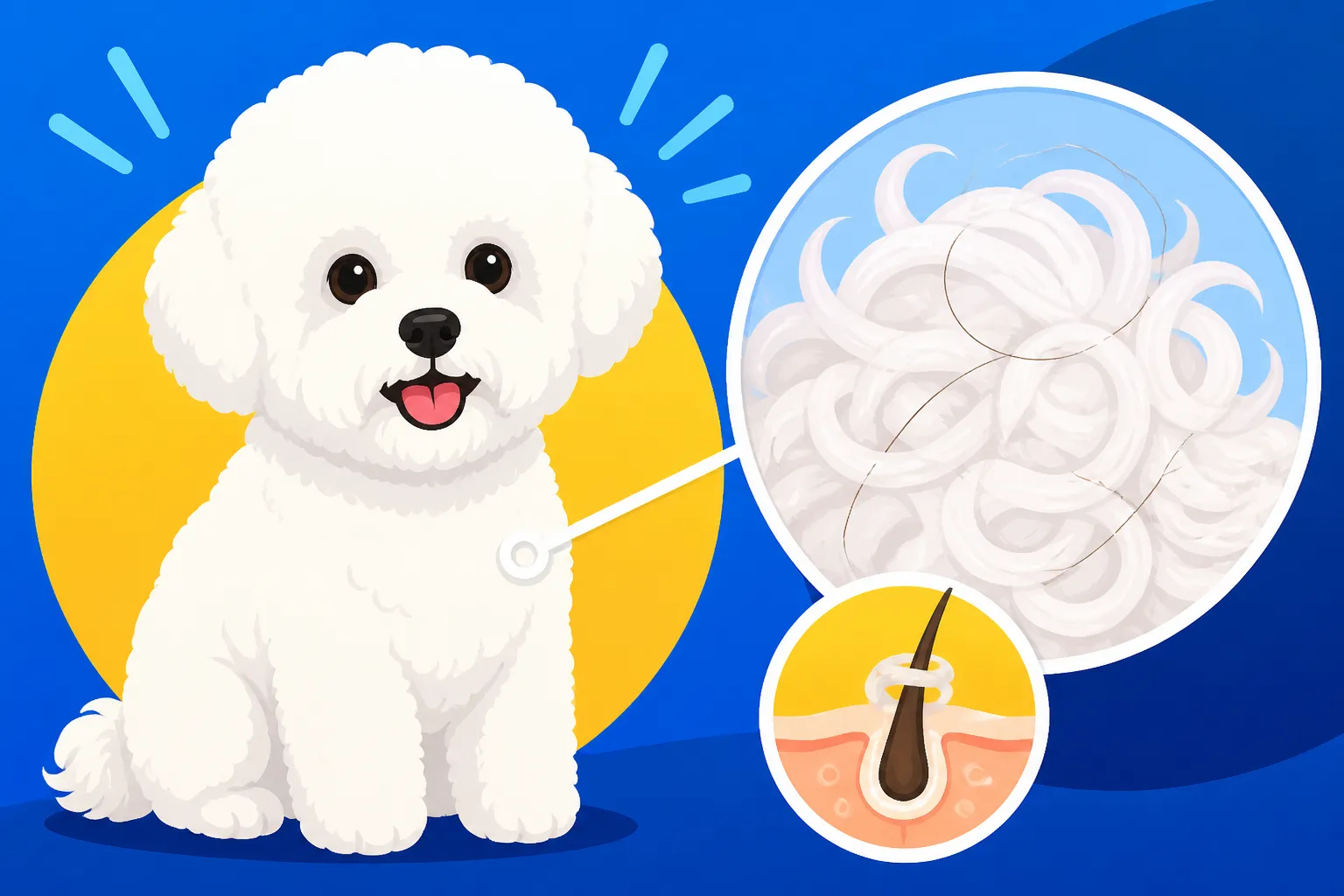
This combination means that when individual hairs reach the end of their growth cycle and naturally detach from the follicle, they don't simply fall out and drift away. Instead, they get caught by the surrounding curly hair, becoming entangled within the dense matrix of the coat. Imagine a tiny piece of thread falling into a tightly woven wool sweater; it's not going to just drop to the floor. This unique trapping mechanism is the primary reason why Bichons are often lauded as "hypoallergenic"—the dander and shed hair, which are common allergens, remain largely contained within the dog's own coat rather than being dispersed into the environment. It's a double-edged sword: great for allergy sufferers, but a significant grooming commitment for owners.
The 'Powder Puff' Texture: What Does It Mean for Shedding?
The term "powder puff" perfectly describes the ideal Bichon Frise coat. It's meant to be soft, resilient, and spring back when touched, forming that characteristic round shape. This texture isn't just for show; it's integral to how the coat functions and, consequently, how shed hair is handled. The individual hairs are fine, curly, and grow continuously, similar to human hair, rather than having a fixed length and then shedding en masse.
Because each strand is so fine and has a distinct curl, it readily interlocks with its neighbors. When a shed hair detaches, it doesn't stand a chance of escaping the curly embrace of the living coat around it. It's instantly trapped. This is fantastic for keeping your home cleaner, but it creates a challenging situation for the dog's skin and coat health if not managed. Without regular, thorough brushing, these trapped shed hairs quickly clump together, forming knots and then dense mats. It’s a bit like trying to comb through cotton wool; the more tangled it gets, the harder it is to separate. This continuous growth and trapping nature is why consistent grooming is not just about aesthetics for a Bichon, but about their fundamental well-being and comfort. How Long Brushing a Bichon Frise Takes explores just how much effort this actually involves.
The Mechanism of Shedding in Bichons
While Bichons don't "shed" in the traditional sense of leaving hair all over your house, the process of hair growth and replacement is still very much active. Understanding this natural cycle is key to managing their unique coat.
Natural Hair Growth Cycles and Why Bichons Don't "Shed" Like Others
Just like all mammals, a Bichon Frise's hair follicles go through distinct phases: anagen (growth), catagen (transition), and telogen (resting). At the end of the telogen phase, the old hair is naturally shed to make way for new growth. In breeds with typical shedding patterns, especially those with short or straight coats, these shed hairs simply fall out. Think of a Golden Retriever; you'll find their hair on everything.
Bichons, however, have a prolonged anagen (growth) phase, meaning their hair grows for a longer period before entering the resting and shedding stages. More importantly, the curly, dense structure of their coat acts like a natural filter. Each individual shed hair gets ensnared by the surrounding live, growing hairs. It's held captive within the coat, unable to drop away. This is the fundamental reason why you don't see massive amounts of Bichon hair on your furniture or clothes. The trade-off, of course, is that unless these trapped hairs are manually removed through brushing, they will inevitably lead to matting. This isn't just a minor inconvenience; it's a critical aspect of What a Bichon Frise Needs Every Day.
When Shed Hair Becomes Trapped: The Matting Process
The journey from a single shed hair to a painful mat is a rapid one for a Bichon Frise. Once a shed hair is trapped, it becomes the nucleus for further entanglement. As your Bichon moves, plays, or even just sleeps, these loose hairs rub against each other and the surrounding live coat, tightening the knots. Each additional shed hair, every bit of friction, every splash of water or speck of dirt, contributes to this tightening process.
Initially, you might just feel a few small tangles, often behind the ears, under the legs, or where a harness rubs. These are the early warning signs. If these tangles aren't meticulously brushed out, they quickly snowball. More shed hairs get caught, the knot becomes larger and denser, pulling closer to the skin. Soon, you have a solid mass of hair, a mat, that pulls on the skin, restricts movement, and prevents air circulation. This can happen astonishingly fast, sometimes within days, especially after a bath if the coat isn't thoroughly brushed and dried. Understanding Whether a Damp Bichon Frise Mats Faster can truly highlight this urgency.
The Consequences of Trapped Shed Hair
While the idea of a "non-shedding" dog sounds appealing, the reality of a Bichon Frise's coat demands vigilance. Trapped shed hair isn't just an aesthetic issue; it has serious implications for your dog's health and comfort.
Matting Beyond the Surface: Skin Irritation and Infections
When shed hair becomes trapped and forms mats, these aren't just superficial tangles; they often tighten right down to the skin. Imagine wearing a very tight, constantly pulling sweater that never comes off. That's what it feels like for a Bichon with mats. The constant pulling causes significant irritation, leading to redness, inflammation, and discomfort. The skin beneath a mat can't breathe; it becomes a warm, moist environment, cut off from air circulation.
This creates a perfect breeding ground for bacteria and yeast. You might notice a peculiar, musty odor coming from your dog, or see them scratching and biting at specific areas. These can be signs of secondary skin infections, often called "hot spots" or pyoderma, which are incredibly painful and itchy. Severe matting can even hide parasites like fleas or ticks, making them difficult to spot and treat. A Bichon who is always scratching or seems sensitive to touch, especially around their legs, ears, or belly, might be suffering from hidden mats that are causing severe skin problems. This is a common issue that often requires a professional groomer to carefully shave the mats away, and sometimes veterinary intervention to treat the underlying skin condition.
The Impact on Grooming and Comfort
Beyond skin issues, trapped shed hair makes regular grooming incredibly difficult, if not impossible. A matted coat cannot be properly brushed, bathed, or dried. Trying to brush out severe mats is excruciating for the dog and usually futile, often leading to a negative association with grooming. Many owners mistakenly believe they are brushing their Bichon thoroughly, only to find the undercoat is completely matted to the skin. This leads to a solid "shell" of matted fur beneath a seemingly fluffy exterior.
When a Bichon's coat becomes severely matted, the only humane solution is often a complete shave down. This means shaving off all the matted hair right down to the skin. While this provides immediate relief for the dog, it leaves them vulnerable to sunburn and can drastically alter the texture of their coat as it regrows. It's also upsetting for owners to see their fluffy companion transformed. Furthermore, mats restrict movement, making it uncomfortable for your Bichon to walk, lie down, or even play. Imagine trying to run with your knees strapped together; that's the kind of restriction severe mats can impose, particularly in the armpits and groin. This discomfort can significantly impact their quality of life and even affect their temperament. Whether a Matted Bichon Frise Must Be Shaved details this further.
Essential Grooming Practices to Manage Shed Hair
Preventing mats and effectively dealing with trapped shed hair in a Bichon Frise is an ongoing commitment. It's not something you can do once a month and expect good results. It's a daily ritual that contributes significantly to your dog's health and happiness.
Daily Brushing Techniques to Prevent Trapping
For a Bichon Frise, brushing isn't just about looking neat; it's a vital health practice. The key is consistency and technique. You need to brush your Bichon daily, without fail, to prevent shed hairs from forming knots. A quick surface brush won't cut it. You need to employ a technique called "line brushing" or "sectioning."
Start by thoroughly wetting the coat with a detangling spray or a mix of water and conditioner. This helps to separate the hair and reduce static. Then, using a slicker brush, part the hair horizontally, starting at the bottom of a leg or flank, and brush down in small sections, making sure the brush bristles reach all the way to the skin. Once you've brushed a section, move up slightly and create a new line, repeating the process. After using the slicker, follow up with a metal comb, again working in sections, to ensure there are no tangles the slicker missed. The comb should be able to glide smoothly through the coat from skin to tip. If it snags, go back with the slicker brush until the comb passes through easily. Pay extra attention to common matting areas: behind the ears, under the chin, in the armpits, and on the inner thighs. This meticulous approach is the only way to effectively remove trapped shed hair before it can form painful mats. This daily ritual is crucial for Keeping a White Bichon Frise Actually White.
The Role of Professional Grooming in Coat Maintenance
While daily home brushing is absolutely essential, professional grooming is equally critical for a Bichon Frise. Even the most diligent owner can miss small tangles, and the tools and expertise of a professional groomer are invaluable. Most Bichons require a full professional groom every 4-6 weeks. This regular schedule prevents small issues from becoming major problems.
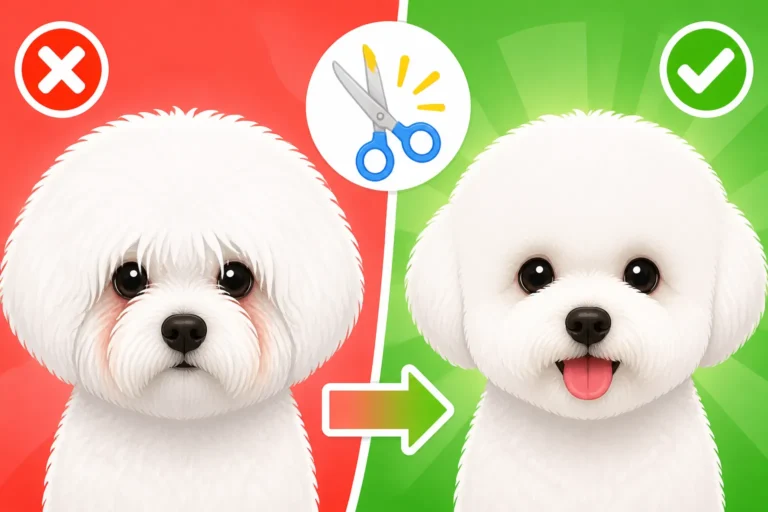
A professional groom typically includes a thorough bath with high-quality shampoos and conditioners designed to hydrate the coat and aid in detangling. More importantly, groomers have powerful high-velocity dryers that help to straighten and separate the curls, making it much easier to brush and scissoring out any remaining tangles. They are also skilled in the art of scissoring, creating the classic "powder puff" shape while ensuring all areas prone to matting are kept at a manageable length. They have an eye for spotting developing mats that owners might miss and can address them before they become severe. Regular professional grooming not only keeps your Bichon looking their best but also ensures their skin is healthy and that they are comfortable and happy. It's an investment in their overall well-being. The average frequency is usually How Often a Bichon Frise Needs a Full Groom.
Tools and Products for Effective Shed Hair Management
Successfully managing a Bichon Frise's coat and preventing trapped shed hair requires the right arsenal of tools and products. Skimping on these can make the grooming process much more difficult and less effective, ultimately leading to more mats and frustration.
Must-Have Brushes and Combs for Bichon Coats
Investing in high-quality grooming tools is non-negotiable for a Bichon Frise owner. You'll need more than just one type of brush to tackle that dense, curly coat.
- Slicker Brush: This is your primary tool for daily brushing. Look for a slicker brush with fine, bent wire bristles that are protected with small rubber tips, or a gentle, flexible head. A good quality slicker brush will penetrate the dense coat without scratching the skin, effectively grabbing and pulling out shed hairs and small tangles. Brands like Chris Christensen or Activet make excellent, durable slicker brushes that many professional groomers recommend. You can often find these readily on sites like Amazon or Chewy.
- Metal Comb: A sturdy, good-quality metal comb with both wide and narrow teeth is crucial for checking your work after brushing. The comb should be able to glide through the coat from root to tip without snagging. This is how you confirm that all shed hair has been removed and no mats are forming close to the skin. It’s also excellent for delicate areas around the eyes and face.
- Pin Brush: While not as critical as the slicker or comb, a pin brush can be useful for general fluffing and for dogs with a slightly longer, less dense coat. It helps to separate and aerate the fur.
- Mat Breaker/Dematter: In case you do encounter a small mat, a mat breaker (a tool with several sharp, curved blades) can help to carefully cut through it without removing too much hair. Caution: These tools must be used with extreme care to avoid cutting the dog's skin. If a mat is severe or close to the skin, it's always best to leave it to a professional groomer.
Here's a quick comparison of essential grooming tools:
| Tool Type | Primary Function | Key Feature | Ideal Use Case |
|---|---|---|---|
| Slicker Brush | Removes shed hair, breaks up small tangles | Fine, bent wire bristles reaching to skin | Daily full-body brushing, preventing mats |
| Metal Comb | Checks for tangles, finishes brushing | Two widths of teeth (fine & coarse) | Post-brushing check, delicate areas (face, ears) |
| Mat Breaker | Carefully cuts through small, superficial mats | Sharp, curved blades | Emergency removal of minor tangles (use with caution) |
| Pin Brush | Fluffs coat, general tidying | Smooth, widely spaced pins | Longer coats, sensitive dogs, general fluffing |
Shampoos and Conditioners to Aid in Release
Just as important as your brushes are the bathing products you use. The right shampoo and conditioner can make a significant difference in how easily shed hair can be removed and how resistant your Bichon's coat is to matting.
- Hydrating/Detangling Shampoos: Look for shampoos specifically formulated to hydrate the coat and improve manageability. Ingredients like oatmeal, aloe vera, and natural oils can help soften the hair, making it less prone to tangling. A clean, well-hydrated coat is much easier to brush than a dirty, dry one.
- Deep Conditioners: A good conditioner is your best friend when bathing a Bichon. After shampooing and rinsing, apply a generous amount of conditioner, focusing on areas prone to matting. Let it sit for a few minutes before rinsing thoroughly. Conditioner helps to smooth the hair cuticles, making the coat slicker and allowing shed hairs to slide out more easily during brushing. It also leaves a protective barrier that can help prevent new tangles from forming.
- Leave-in Detangling Sprays: These are indispensable for daily brushing. A good detangling spray helps to lubricate the coat, reduce static electricity, and loosen small tangles, making the brushing process much more comfortable for your Bichon. You can find excellent options from pet grooming brands on platforms like Chewy or even through specialized pet supply retailers.
Remember, always rinse your Bichon thoroughly after shampooing and conditioning to prevent skin irritation. Leftover product can cause residue build-up, which can lead to dullness and even exacerbate matting. Which Shampoo Keeps a Bichon Frise White also discusses specific choices for maintaining their pristine color.
Lifestyle Factors Influencing Coat Health
While grooming is paramount, your Bichon Frise's coat health isn't solely dependent on what you do with brushes and shampoos. Broader lifestyle factors, particularly diet and environment, play a significant role in the quality of their coat and how prone it is to shedding and matting.
Diet and Nutrition for a Healthy Coat
What goes into your Bichon's body is just as important as what goes onto their coat. A well-balanced, high-quality diet is the foundation for healthy skin and a strong, resilient coat. A poor diet can lead to dry, brittle hair that breaks easily, excess shedding, and a dull, unhealthy appearance.
Look for dog foods that list a high-quality animal protein (like chicken, lamb, or fish) as the first ingredient. Essential fatty acids, particularly Omega-3 and Omega-6, are crucial for skin and coat health. These can often be found in ingredients like fish oil, flaxseed, and certain vegetable oils. Many premium dog food brands, including those you might find on Ollie or Amazon, specifically formulate for skin and coat health. If your Bichon's coat seems unusually dry, dull, or sheds more than typical for the breed (meaning, it's breaking and falling out more readily before it can be trapped), consult your veterinarian. They might recommend a dietary change or the addition of an Omega fatty acid supplement. A healthy coat has stronger hair shafts, which means less breakage and a more robust foundation for managing those trapped shed hairs. Remember, a nourished coat is a manageable coat.
Environmental Factors and Coat Condition
Your Bichon Frise's living environment also plays a role in their coat condition. While you can't control everything, being mindful of certain factors can help.
- Humidity and Climate: Extremely dry environments can lead to dry, brittle hair and skin, making the coat more prone to static and matting. Conversely, very humid conditions can sometimes promote yeast growth on the skin, which can also affect coat quality. Keeping your home at a comfortable humidity level can benefit both your dog's coat and your own comfort.
- Sun Exposure: Prolonged exposure to direct sunlight can damage a white coat, potentially causing it to dry out, become brittle, or even take on a yellowish tint over time. While Bichons love a good sunbathe, moderation is key, especially if they have a shorter "pet trim." Whether a Clipped Bichon Frise Sunburns is a related concern.
- Allergens and Irritants: Environmental allergens like pollen, dust mites, or even certain household cleaners can irritate a Bichon's sensitive skin, leading to scratching, licking, and rubbing. This increased friction and irritation can severely exacerbate matting. Regular cleaning of your home, using pet-friendly cleaning products, and wiping down your Bichon's paws and coat after outdoor excursions can help minimize exposure to irritants. If you suspect environmental allergies are contributing to skin and coat issues, discuss options like Whether Allergy Treatment Can Avoid Steroids with your vet.
By paying attention to these daily and environmental factors, you can create a holistic approach to your Bichon Frise's coat care, ensuring not just a beautiful "powder puff" exterior, but also a healthy and comfortable dog underneath.
Disclaimer
This article is for general informational purposes only and does not constitute professional advice. Laws, prices and regulations vary by location and change over time. Consult a qualified professional for guidance on your specific situation.