Whether a Bichon Frise Mats Behind the Ears
If you're a Bichon Frise parent, you've probably experienced that sinking feeling of running your fingers through that beautiful, fluffy coat only to hit a solid, felted lump. And more often than not, those stubborn tangles seem to crop up right behind the ears. It's incredibly frustrating, and it's a common struggle for many of us who adore this breed. This guide is here to shed some light on why these ear mats form and, more importantly, how you can prevent them from turning into a big, painful problem for your furry friend.
Why Mats Form So Readily Behind a Bichon Frise's Ears
It's almost as if the area behind their ears has a magnetic pull for tangles and mats, isn't it? This isn't just bad luck; there are several specific reasons why this particular spot is a prime breeding ground for matted fur on a Bichon Frise. Understanding these factors is the first step in combating the problem effectively.
The Unique Texture of Bichon Frise Hair
The Bichon Frise boasts a stunning double coat, which is truly a marvel. They have a soft, dense undercoat and a coarser, curlier outer coat. This combination is what gives them that signature "powder puff" look. However, this very characteristic is also their Achilles' heel when it comes to matting. Unlike breeds that shed their undercoat, a Bichon Frise's loose hairs don't fall out; instead, they get caught and woven into the surrounding hair. This trapped hair quickly forms tangles, and if not addressed, these tangles solidify into painful mats.
The hair behind the ears, in particular, tends to be finer and softer than other areas, almost like downy puppy hair. This delicate texture is more prone to knotting and tangling with itself. Imagine trying to untangle a fine silk thread versus a thick rope – the fine thread tangles much more easily and tightly. This, combined with the lack of shedding, means those microscopic hooks and barbs on individual hairs latch onto each other with remarkable efficiency.
Constant Movement and Friction
Think about how often your Bichon Frise moves their head, shakes their ears, or rubs against furniture or your legs. Every single one of these actions creates friction against the hair behind their ears. When a dog walks, runs, or plays, their head is constantly in motion. These subtle, repetitive movements cause the delicate hairs to rub together, slowly but surely tightening any small knots that might be forming.
Consider also the act of wearing a collar or a harness. While a harness is generally recommended for Bichons to protect their delicate tracheas, even the straps of a harness or the gentle rubbing of a collar can contribute to matting around the neck and behind the ears, especially if the fit isn't perfect or if the dog is very active. Even a simple cuddle session on the sofa can inadvertently lead to mats as their head presses against cushions or your clothing, generating that all-too-familiar friction.
Moisture and Debris Accumulation
Bichon Frises love to drink water, and bless their little hearts, they aren't always the tidiest drinkers! Their long ear hair and the hair around their muzzle often get wet, and this moisture can wick up behind the ears. Damp hair, especially a curly coat like the Bichon's, is a magnet for matting. It's like trying to untangle wet yarn; it just knots up tighter. If your Bichon has a habit of dipping their ears into their water bowl or getting damp from outdoor play, that moisture becomes a catalyst for mat formation in those hidden areas.
Beyond just water, a damp coat also acts as a magnet for environmental debris. Pollen, dust, tiny bits of leaves or twigs from a walk, or even crumbs from treats can all get caught in the damp, fine hair behind the ears. This foreign material then acts as an anchor, further binding the hairs together and accelerating the matting process. It's a vicious cycle where moisture leads to tangles, which then traps more debris, leading to even bigger, tighter mats. Whether a Damp Bichon Frise Mats Faster is a very real concern for pet parents.
The Rapid Onset of Matting in Bichon Frises
One of the most disheartening aspects of owning a Bichon Frise is just how quickly a perfectly fluffy coat can transform into a matted mess. It can feel like you just brushed them yesterday, only to discover a new, stubborn mat forming. This rapid onset isn't an exaggeration; it's a direct consequence of their coat type and certain developmental stages.
The Puppy Coat Change and Beyond
Many Bichon Frise owners are caught off guard by the infamous "puppy coat change," usually occurring between about six and twelve months of age. During this period, their soft, fluffy puppy fur gradually transitions into the denser, curlier adult coat. The problem is, the old puppy fur often gets trapped within the emerging adult coat, creating an incredibly fertile ground for mats. It's a bit like two different textures of wool trying to coexist and intertwine. This stage requires even more diligent grooming than usual. The Months a Bichon Frise Puppy Coat Changes can be a particularly challenging time for pet parents.
Even after the puppy coat has fully transitioned, the adult Bichon Frise coat remains a high-maintenance affair. Its unique structure, designed not to shed, means that regular, thorough brushing isn't just a recommendation; it's an absolute necessity. If daily brushing is missed even for a couple of days, especially in high-friction areas like behind the ears, under the armpits, or around the sanitary areas, small tangles can quickly become unmanageable mats. These mats then pull on the skin, causing discomfort, pain, and even skin irritation or infections if left untreated. Whether a Bichon Frise Starts Matting at Nine Months often coincides with this coat change, leaving owners baffled by the sudden appearance of mats.
Environmental Factors Accelerating Mat Formation
Beyond the inherent nature of their coat, several environmental factors can dramatically speed up the matting process. As mentioned, moisture is a big one. A damp dog after a walk in the rain, a bath that isn't thoroughly dried and brushed out, or even humidity in the air can cause the hair to clump and knot much faster. If your Bichon Frise loves to play in tall grass or roll around outdoors, leaves, twigs, burrs, and even mud can get deeply embedded in their coat, creating instant matting points.
Furthermore, factors within the home can contribute. Rough bedding, carpets that generate static electricity, or even friction from lying on hard floors can all worsen matting. Anything that causes the hair to rub against itself or another surface repeatedly will encourage tangles. Even something as simple as static cling can make individual hairs stand up and intertwine, ready to form a mat.
Proactive Strategies for Preventing Ear Mats
The good news is that with consistent effort and the right approach, you can significantly reduce the occurrence of mats behind your Bichon Frise's ears. Prevention is always easier and less painful than trying to remove existing mats. It's about establishing a routine and sticking to it.
Establishing a Consistent Grooming Routine
For a Bichon Frise, a consistent daily grooming routine is non-negotiable. This isn't just about making them look pretty; it's crucial for their comfort and skin health.
- Daily Brushing: Aim for at least 15-20 minutes of thorough brushing every single day. Focus on areas prone to matting, especially behind the ears, under the legs, and in the "armpit" areas. Use a good quality slicker brush that can penetrate the dense coat without scratching the skin, followed by a metal comb to ensure you've removed all tangles. Start with the comb at the skin and work your way out. If the comb glides through, you're doing a great job! How Long Brushing a Bichon Frise Takes might seem like a lot, but it's essential.
- Line Brushing: This technique is crucial for Bichons. Instead of just brushing the top layer, you need to systematically brush small sections of hair, working from the bottom up. Start at your dog's rear, part the hair horizontally, and brush the section you've exposed, making sure to get down to the skin. Then, drop another small section of hair over the brushed area and repeat, slowly working your way forward. This ensures no mats are hiding close to the skin.
- Regular Professional Grooming: Even with daily home brushing, a professional groomer is invaluable. They have the tools, expertise, and experience to handle a Bichon's coat. Schedule full grooming appointments every 4-6 weeks. During these visits, the groomer can address any sneaky mats you might have missed and give your Bichon a proper bath, dry, and trim that maintains their coat health and structure. When asking How Many Weeks Between Bichon Frise Grooms, most professionals will recommend this frequency.
Essential Grooming Tools and Products
Having the right tools makes all the difference. Investing in quality grooming supplies will make the daily routine more effective and less stressful for both you and your Bichon.
- Slicker Brush: Look for one with fine, angled pins that can reach deep into the coat. Brands like Chris Christensen or Activet are popular choices among Bichon owners, available on sites like Amazon or Chewy.
- Metal Comb: A good sturdy metal comb with both wide and narrow teeth is essential for checking for tangles after brushing and for working out smaller knots.
- Detangling Spray: A high-quality detangling spray can make brushing much easier, especially when encountering slight tangles. Spray a little on the section before brushing. Always look for dog-specific products, which you can find readily on Amazon or Chewy.
- Dog-Specific Shampoo and Conditioner: Choose products designed for white, curly, or sensitive coats. A good conditioner helps to smooth the hair cuticle, making it less prone to tangling. Medicated shampoos might be necessary if your Bichon has sensitive skin or allergies, which can sometimes exacerbate matting by causing excessive scratching. Which Shampoo Suits an Itchy Bichon Frise will depend on the specific underlying cause.
- Force Dryer: While not strictly essential for daily home care, a force dryer (or high-velocity dryer) is a groomer's secret weapon. It blasts water out of the coat, straightening it and making it easier to brush while drying. If you bathe your Bichon at home, ensuring they are completely dry and brushed out afterward is critical to prevent mats from forming as the coat dries.
| Grooming Tool | Primary Use | Benefits for Bichon Frise Ears |
|---|---|---|
| Slicker Brush | Removing loose hair, detangling, fluffing coat | Reaches fine hairs, removes trapped undercoat |
| Metal Comb | Identifying small knots, checking for missed mats | Precision work, ensures no tangles are left |
| Detangling Spray | Lubricating hair, easing brush/comb through knots | Reduces friction, makes mat removal less painful |
| Blunt-Tip Scissors | Carefully trimming tiny, stubborn mats (last resort) | Safe for delicate areas, prevents accidental nicks |
| Ear Cleaner | Maintaining ear hygiene | Reduces moisture/debris, less scratching, less matting |
Smart Practices to Integrate
Beyond the tools, certain habits can make a big difference in preventing ear mats.
- Protective Measures: If your Bichon Frise tends to get very wet during walks or has sensitive ears, consider using a snood or ear covers during meal times or outdoor adventures to keep the hair dry and free from debris.
- Diet and Hydration: While it won't directly stop mats, a healthy diet rich in omega fatty acids can contribute to a healthier coat overall, making it stronger and potentially less prone to breakage and tangles. Good hydration is also important for skin health. Many premium dog food brands, including those found on platforms like Ollie, focus on providing balanced nutrition that supports a healthy coat.
- Address Underlying Issues: If your Bichon is constantly scratching at their ears, it might not just be a behavioral habit. They could have an ear infection or allergies, which will increase the likelihood of mats. Consult your vet to rule out any medical reasons for excessive ear scratching or rubbing. Treating the root cause will naturally reduce matting in that area. Recurrent Ear Infections in a Bichon Frise often lead to this kind of self-trauma and subsequent matting.
Dealing with Existing Mats Safely
Despite your best efforts, sometimes mats just happen. The key is to address them promptly and safely to avoid causing your Bichon pain or injury.
Small Tangles vs. Solid Mats
It's important to distinguish between a small tangle and a fully formed mat.
- Small Tangles: These are usually surface-level knots that can be gently worked out with a detangling spray, your fingers, and a comb. Always hold the hair at the base near the skin while combing to prevent pulling.
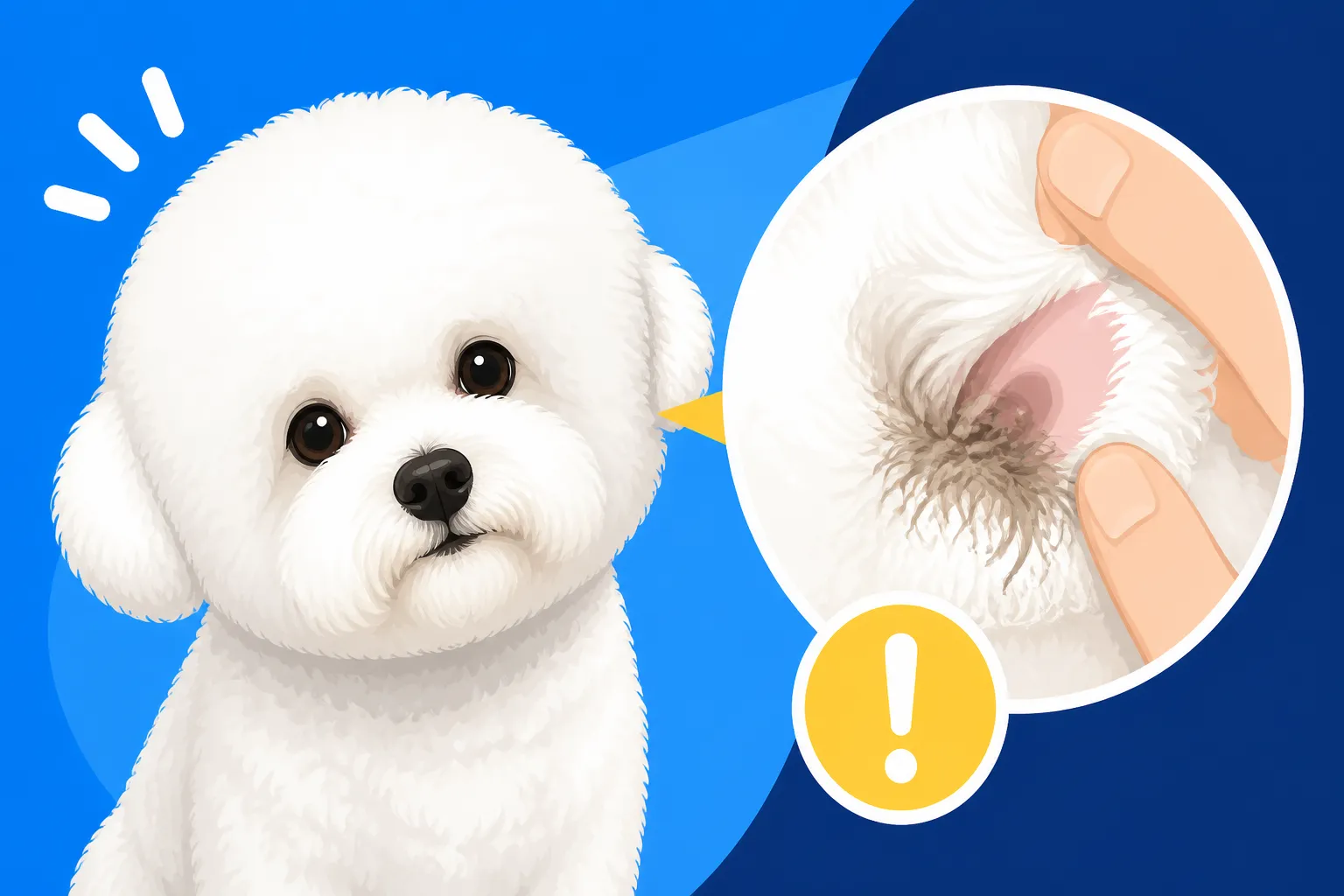
- Solid Mats: These are dense, felted lumps that are often tight against the skin. Attempting to comb these out can be incredibly painful for your dog and can cause skin irritation or even tear the skin.
When to Seek Professional Help
For anything more than a very small, loose tangle, it's almost always best to consult a professional groomer or your veterinarian.
- Professional Groomers: They have specialized tools and techniques to safely remove mats, often with less stress for your dog. They can use clippers with specific blades that can get under tight mats without cutting the skin. A skilled groomer can often save some length of coat, depending on the severity and location of the mat.
- Veterinarian: If the mat is extremely tight, pulling on the skin, causing redness or soreness, or if you suspect a skin infection underneath, a vet visit is in order. In severe cases, a Bichon Frise may need to be sedated to safely remove painful mats, particularly if they are numerous or very close to delicate skin. Whether a Matted Bichon Frise Must Be Shaved often comes down to the severity of these mats.
Never try to cut out mats with household scissors. It's incredibly easy to accidentally cut your dog's skin, as the mat often pulls the skin up into the tangle. This is a common and dangerous mistake that can lead to costly vet visits for stitches. If you absolutely must try to tackle a small, loose mat yourself, always use blunt-tip grooming scissors and slide a comb between the mat and the skin first, creating a barrier. Then, carefully snip into the mat, parallel to the skin, rather than across it. This "scoring" technique can help loosen it enough to comb out, but proceed with extreme caution.
Maintaining a mat-free coat, especially behind the ears, requires dedication, but it's a labor of love that ensures your Bichon Frise remains comfortable, healthy, and looking their absolute best.
Disclaimer
This article is for general informational purposes only and does not constitute professional advice. Laws, prices and regulations vary by location and change over time. Consult a qualified professional for guidance on your specific situation.