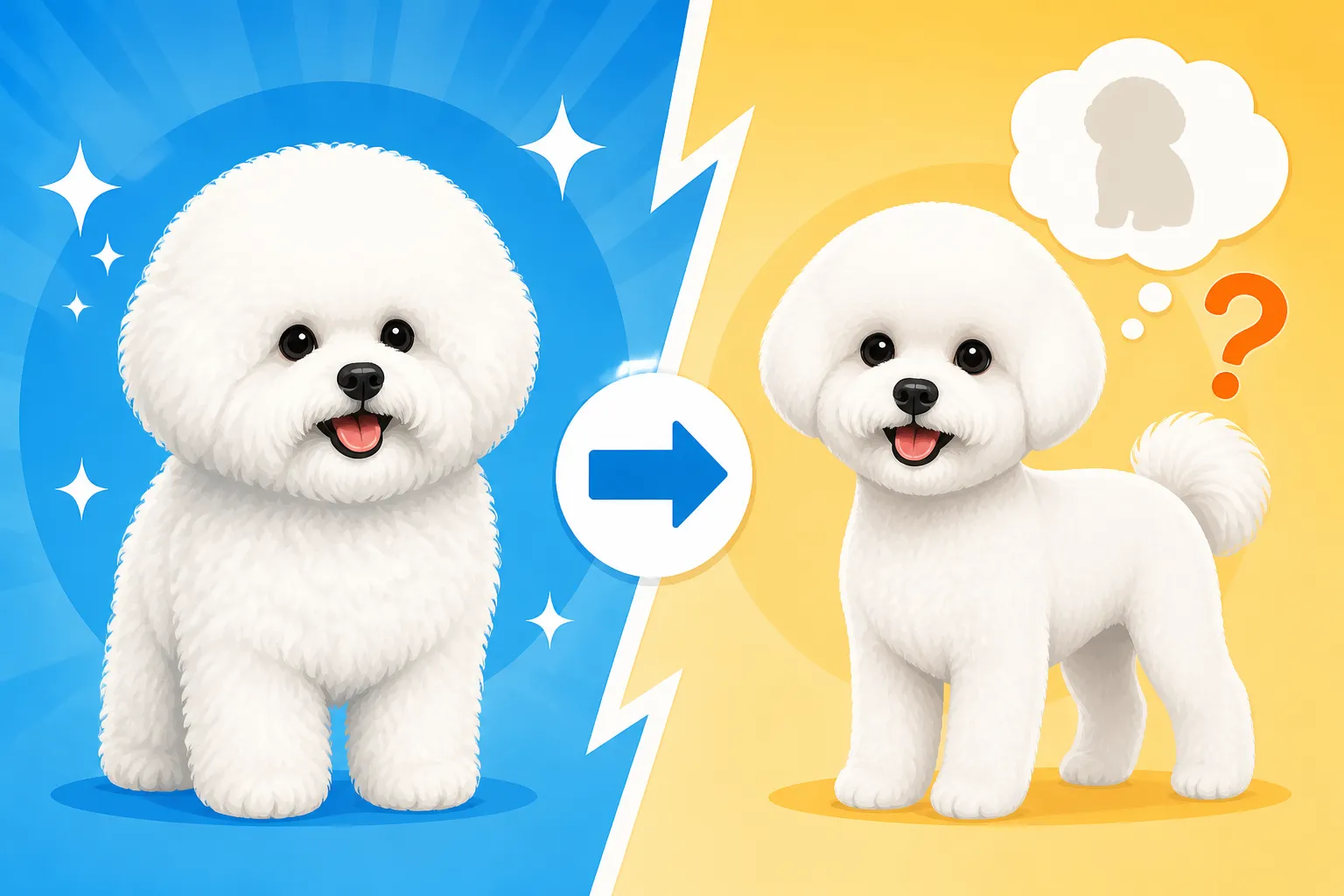
Whether a Clipped Bichon Frise Loses Its Shape
Oh, the quintessential Bichon Frise! That fluffy, cloud-like appearance is what draws so many of us in, isn't it? But then you start grooming, or you hear stories from other owners, and suddenly you’re faced with a common question: what happens if you clip that beautiful coat instead of meticulously scissoring it? Will your beloved Bichon lose that signature "powder puff" shape that makes them so uniquely adorable? This guide is here to unravel that mystery, delve into the nuances of Bichon Frise grooming techniques, and help you understand how different methods can affect their iconic look.
Understanding the Bichon Frise's Signature 'Powder Puff' Look
When you picture a Bichon Frise, you almost instantly conjure an image of a perfectly rounded, fluffy white dog, looking like a little cotton ball on legs. This isn't accidental; it's the hallmark of the breed, a look that has been carefully cultivated and is central to their charm. This distinct "powder puff" silhouette is what truly defines the breed's aesthetic, setting them apart from other small white dogs. It's a look that requires dedication, understanding, and often, a specific grooming technique.
The Art of Scissoring and the Breed Standard
The "powder puff" look isn't just a cute nickname; it's precisely what the breed standard describes and aims for. In the show ring, a Bichon Frise is judged on its ability to embody this perfectly symmetrical, soft, and rounded appearance. Achieving this requires a skilled hand with scissors, shaping the coat meticulously to create that spherical head, full body, and fluffy tail that arches gracefully over their back. Think of it as sculpting with hair. Each snip is intentional, building upon the last to create a seamless, voluminous contour that highlights the dog's natural proportions. It's about enhancing their charm, not just tidying them up.
This isn't a quick trim; it's an art form. Professional groomers who specialize in Bichons spend years perfecting the technique to get that perfect "powder puff" outline. They understand how the coat springs back, how to blend layers, and how to create the illusion of fullness where needed. If you've ever watched a championship Bichon Frise move, you'll see how their coat seems to float, perfectly maintaining its shape with every bouncy step. That's the magic of expert scissoring at play, making sure The Powder Puff Outline a Bichon Frise Is Scissored Into is maintained to perfection.
The Unique Bichon Coat Type
To truly understand why grooming methods matter so much for a Bichon Frise, you have to appreciate their unique coat. Unlike many breeds that have a double coat with a soft undercoat and a coarser outer coat, the Bichon Frise has a distinctive, soft, curly double coat. It consists of a silky undercoat that provides density and warmth, and a coarser, curlier outer coat that stands off the body, giving it volume and texture. This combination is what allows the coat to be shaped and to hold that iconic "powder puff" appearance.
This unique texture is also why Bichons are often considered "hypoallergenic," or more accurately, low-shedding. Their shed hair tends to get caught within the curly outer coat rather than falling out around your house. However, this also means that the coat is prone to matting if not brushed regularly and thoroughly. The curls intertwine easily, especially when damp or if loose hair isn't removed. A Bichon Frise's coat has a remarkable spring to it; when properly brushed and fluffed, it stands away from the body, creating that airy, cloud-like volume that is so desired. This "spring" is key to holding the scissored shape, as the hair isn't designed to lie flat or sleek. Understanding this coat type is crucial because it dictates how it will react to different grooming tools and techniques. You can learn more about this in Whether a Bichon Frise Coat Is Curly or Wavy.
The Impact of Clipping on the Bichon Frise's Coat and Shape
So, what happens when you decide to take clippers to that beautiful, fluffy coat? It's a common choice for many pet owners, especially those who prioritize convenience, manageability, or even their budget. The reality is that clipping a Bichon Frise will indeed alter its signature "powder puff" shape, and it's important to understand why and what those changes entail. It’s not necessarily a bad thing, but it’s a departure from the traditional look.
How Clipping Changes the Coat Texture
The most immediate and noticeable effect of clipping on a Bichon Frise's coat is a change in its texture. Clippers, particularly when used with shorter blades, cut through both the soft undercoat and the coarser outer coat uniformly. This often results in the coat growing back softer and denser, sometimes even appearing a bit "cottony" or "woolly." The natural spring and stand-off quality of the outer guard hairs can be diminished because the clipper essentially "chops" through them, rather than following the natural growth pattern that scissors allow.
Imagine trying to sculpt a delicate clay figure with a blunt axe versus a fine carving tool. Clippers are more akin to the axe in this analogy; they provide a uniform, albeit coarser, cut. Over time, especially with repeated close clipping, some owners find their Bichon's coat becomes even softer, almost puppy-like in texture, but it loses that characteristic "crispness" that holds a scissored shape so well. This can also affect how prone the coat is to matting; a very soft, dense clipped coat can sometimes mat even more quickly if not brushed diligently, as the fine hairs intertwine more readily. It's a trade-off, and something to consider when you think about Whether a Clipped Bichon Frise Coat Grows Back the Same.
Altering the Breed's Characteristic Silhouette
This is where the direct answer to our main question comes in: yes, a clipped Bichon Frise will lose its iconic "powder puff" shape. The rounded, sculpted silhouette that defines the breed is almost entirely dependent on the precise layering and shaping achieved through scissoring. When you use clippers, especially to shorten the coat significantly, you create a more uniform, often blockier, look. The soft, flowing lines that transition from the head to the body, and the perfectly spherical head, become much harder to achieve, if not impossible.
Instead of a cloud-like appearance, a clipped Bichon might look more like a neatly trimmed lamb or a plush toy with a more utilitarian cut. The natural roundness of the face might become a bit squarer or less defined. The body will appear smoother and less voluminous. While still undeniably adorable and well-groomed, it won't have that distinctive show-ring aesthetic. Many owners opt for what's often called a "pet trim," which uses clippers for the body and scissors for shaping the face and legs. This can be a good compromise, but even then, the overall silhouette will be less "powder puff" and more tailored. It's a choice between the high-maintenance, artistic ideal and a more practical, everyday look.
Practical Considerations for Clipping Your Bichon Frise
Despite the loss of the exact "powder puff" outline, clipping a Bichon Frise is a perfectly valid and popular choice for many owners. It offers numerous benefits, particularly in terms of manageability and ease of care. The key is to approach it with intention and knowledge, ensuring your Bichon still looks neat, feels comfortable, and remains healthy. It’s about adapting the grooming routine to suit your lifestyle and your dog’s needs, without sacrificing their well-being.
Choosing the Right Blade Length for a 'Pet Trim'
If you've decided that clipping is the way to go for your Bichon Frise, selecting the right blade length is crucial. This decision directly impacts how short the coat will be, how quickly it will grow out, and how much "fluff" remains. A common choice for a practical pet trim is to use a blade length that leaves between 1/2 inch to 1 inch of hair on the body. This provides enough hair to protect their skin from the elements, prevents them from looking "naked," and still allows for some of that natural Bichon softness without being excessively long.
For example, a number 4F blade (leaving about 3/8 inch) or a number 2 blade (leaving about 1/2 inch) can give a lovely, plush short cut. If you want a bit more length, a blade with a comb attachment might be used, which typically leaves 1 inch or more. It's always best to discuss this with your professional groomer, as they can recommend a length that suits your dog's specific coat texture and your desired look. A good groomer can still create a soft, rounded appearance with clippers, especially on the body, even if it's not the exact show-ring "powder puff." They might use longer guard combs with their clippers or switch to scissors for areas like the head and legs to maintain a softer, more traditional look there. You can even find professional-grade clippers and blade sets on sites like Amazon or Chewy if you're venturing into home grooming.
| Blade Size | Approximate Hair Length Left | Common Use for Bichons | Effect on Shape |
|---|---|---|---|
| #10 | 1/16 inch | Sanitary trim, very short body if matted | Very short, complete loss of "powder puff" |
| #7F | 1/8 inch | Short body, close trim | Smooth, sleek, minimal volume |
| #5F | 1/4 inch | Popular for short pet clips | Short, neat, soft texture |
| #4F | 3/8 inch | Good for a slightly longer pet clip | Plush, maintains some body, still not "powder puff" |
| #2 / 1/2" | 1/2 inch | Longer pet clip, more fluff | Soft, more volume, distinctly "clipped" look |
| Comb Attachments (e.g., 1 inch) | 1 inch+ | Longer, softer look, can mimic scissored body more | Good compromise for volume without full scissoring |
Maintaining the Clipped Coat at Home
Even with a clipped coat, regular home maintenance is crucial to keep your Bichon Frise looking its best and to prevent mats. Many owners mistakenly believe that a shorter clipped coat means they can forgo brushing, but that's a recipe for disaster. While a short clipped coat might not mat as quickly as a long, full scissored coat, the underlying curly texture is still there, and those fine hairs will tangle.
You should still aim to brush your clipped Bichon at least every other day, and ideally daily, especially in areas prone to matting like behind the ears, under the legs, and around the harness area. A good slicker brush and a metal comb are essential tools. Follow up with the comb after brushing to ensure you've reached down to the skin and removed all tangles. Bathing schedules might be slightly less frequent than for a long coat, perhaps every 3-4 weeks, but ensure you use a quality shampoo and conditioner, rinse thoroughly, and always dry completely while brushing to prevent mats from forming as the hair dries. Over time, these consistent habits will make a huge difference, ensuring your Bichon's clipped coat stays soft, clean, and tangle-free. Even if you don't get the exact show outline, you can still have a beautifully kept dog. How Long Brushing a Bichon Frise Takes can give you an idea of the commitment.
Balancing Convenience with the Classic Look
Ultimately, the choice between scissoring and clipping your Bichon Frise comes down to a balance between the classic, high-maintenance aesthetic and the practicalities of everyday pet ownership. There's no single "right" answer, and what works best for one family or one dog might not be ideal for another. The most important thing is that your Bichon Frise is comfortable, happy, and well-cared for, regardless of their hairstyle.
When a Clipped Coat Makes Sense for Your Lifestyle
For many Bichon Frise owners, a clipped coat is simply the more sensible and sustainable option. Life is busy, and not everyone has the time, the budget, or the inclination to maintain a full, meticulously scissored "powder puff" coat. Here are a few scenarios where clipping makes perfect sense:
- Time Constraints: If you work long hours or have a packed schedule, spending an hour or more every day line brushing can be a challenge. A shorter clipped coat significantly reduces daily grooming time. You might brush for 15-20 minutes every couple of days instead of 30-60 minutes daily.
- Budget Considerations: Professional scissoring for a full "powder puff" coat is often more expensive and required more frequently than a basic clipper trim. If you're looking to save on grooming costs, a clipper trim done by a professional or even at home with a good set of clippers can be more economical. You can often find great deals on grooming supplies through retailers like Chewy.
- Active Lifestyles: If your Bichon loves to play outdoors, roll in the mud, or explore new places, a shorter coat is far easier to keep clean. Burrs, sticks, and dirt are much less likely to get embedded in a clipped coat, saving you time and frustration after every adventure.
- Comfort and Health: In hot climates, a shorter clipped coat can help your Bichon stay cooler. Moreover, if a Bichon's coat becomes severely matted due to neglect or a medical issue, a full shave-down with clippers might be necessary for their comfort and skin health. Sometimes, a "fresh start" is the kindest option. This can especially be true if your Bichon is older and has difficulty standing for long grooming sessions; Grooming an Old Bichon Frise That Cannot Stand Long becomes much easier with a shorter coat.
- Owner Capability: Let's be honest, not everyone is a master groomer! If you prefer to do some home grooming yourself, clipping with good quality clippers and appropriate blades (again, check out options on Amazon) is often much more forgiving and easier to learn than mastering the art of scissoring.
Seeking Professional Advice for Grooming Choices
Regardless of whether you lean towards the classic scissored look or a more practical clipped style, consulting with a professional groomer is always a wise move. They are experts in Bichon Frise coats and can offer invaluable advice tailored to your specific dog. A good groomer will:
- Assess your dog's coat type: Not all Bichon coats are exactly the same. Some are denser, some are finer, and this can influence how well a particular cut will hold its shape.
- Discuss your lifestyle: They'll ask about how active your dog is, how much time you have for home grooming, and your preferences for maintenance.
- Suggest suitable styles: They can show you examples of different clipped lengths and styles that still look adorable and well-kept, even if they deviate from the show standard. They can help you achieve a balance, perhaps using clippers on the body for ease and scissors to maintain a softer, rounder head.
- Teach you home maintenance techniques: Even if you use a groomer regularly, they can show you the proper way to brush, comb, and bathe your Bichon between appointments to prevent matting and keep their coat healthy, regardless of the length. They can advise on specific products, like tear stain removers from brands you might find on Ollie or Chewy, if your dog experiences common Bichon issues.
- Identify potential health issues: During grooming, they might spot skin problems, ear infections, or lumps that you might miss, prompting an earlier vet visit.
Think of your groomer as a partner in your Bichon's well-being. They can help you achieve a beautiful look that works for your life and your dog, ensuring your fluffy friend is always comfortable and cared for, even if they don't have that perfect, award-winning "powder puff" every single day.
Disclaimer
This article is for general informational purposes only and does not constitute professional advice. Laws, prices and regulations vary by location and change over time. Consult a qualified professional for guidance on your specific situation.