Whether Scissoring Beats Clipping on a Bichon Frise
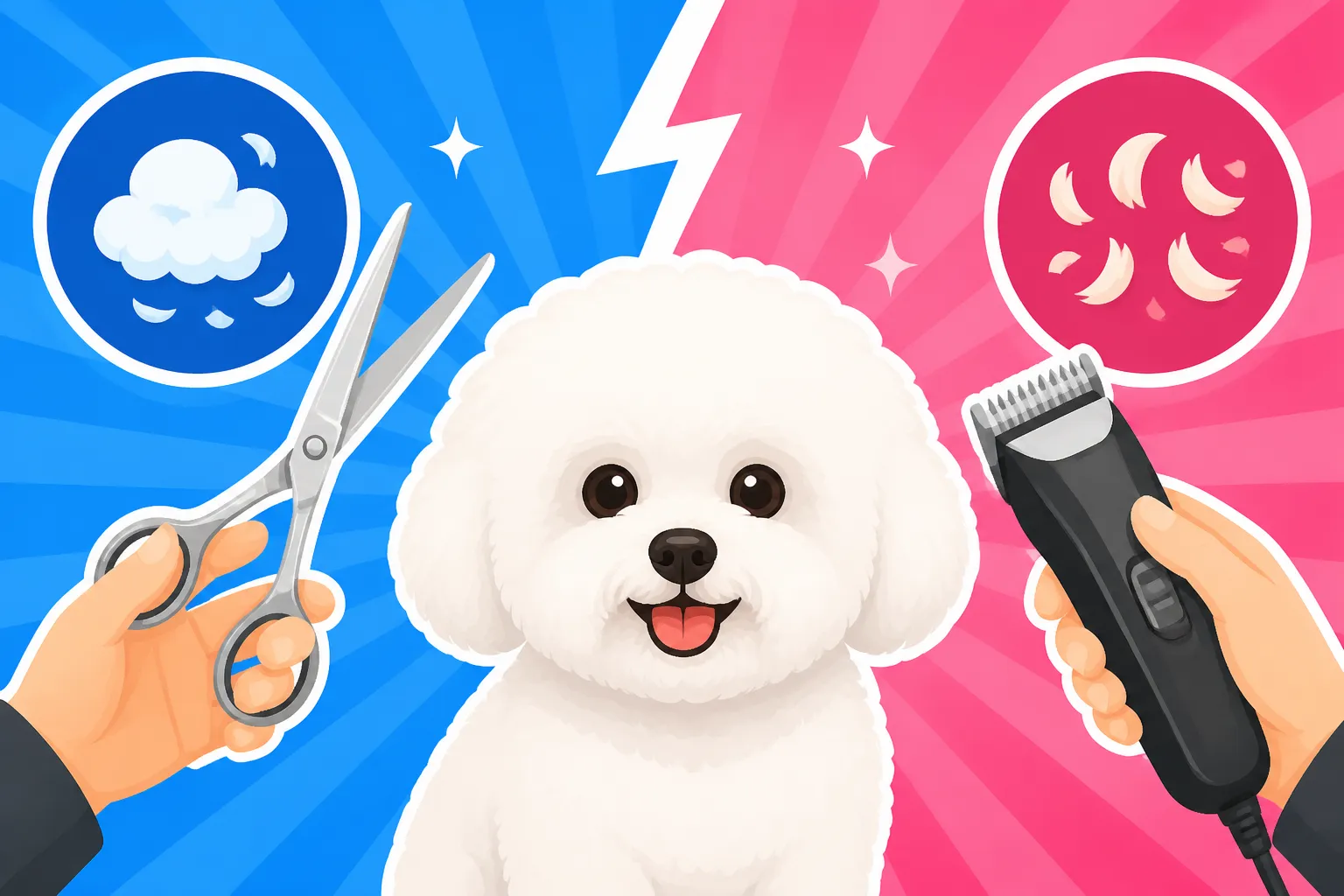
One of the most frequent questions I get from fellow Bichon Frise parents is about grooming: specifically, whether you really need to scissor their coat or if a good old clipper cut is perfectly fine. It's a valid concern, because grooming a Bichon Frise is no small task, and the method you choose can drastically affect their appearance, coat health, and even your wallet. This guide aims to clear up the confusion, weighing the artistry of scissoring against the practicality of clipping so you can make an informed decision that suits both you and your fluffy companion.
Understanding the Bichon Frise Coat and the "Powder Puff" Ideal
Before we dive into the debate, it's crucial to understand what makes a Bichon Frise's coat so unique and why it plays such a central role in their breed standard and overall care. This isn't just any dog hair; it's a finely tuned, non-shedding marvel that requires specific attention.
The Unique Texture of the Bichon Frise Coat
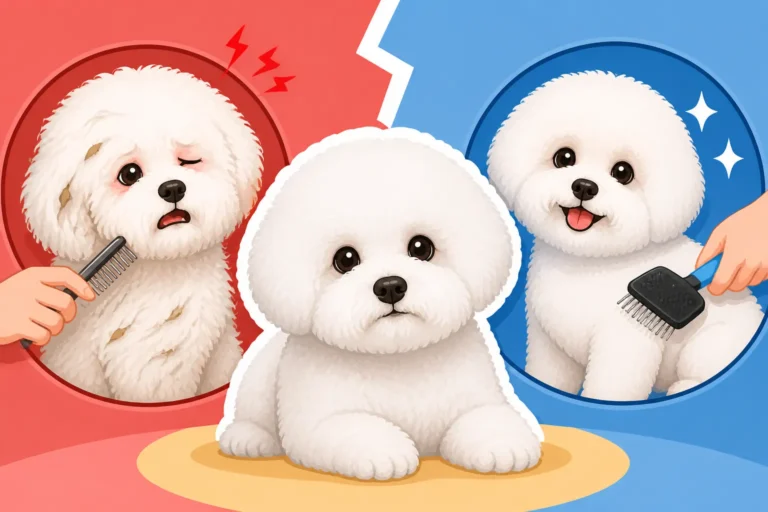
A Bichon Frise boasts a luxurious double coat, which is truly something special. The undercoat is soft and dense, almost like cotton, providing insulation and a plush foundation. Layered over this is a coarser, curlier outer coat that stands off the body, giving the Bichon that characteristic fluffy appearance. Unlike many other breeds, Bichons don't "shed" in the traditional sense, meaning their loose hairs get caught within the curly coat instead of falling out. While this is fantastic news for allergy sufferers, it's also why their coat is notoriously prone to matting and tangling. Without regular brushing and proper grooming, those trapped hairs quickly felt together, forming painful mats that can pull on their skin and cause discomfort. The coat grows continuously, almost like human hair, which means ongoing grooming is not optional – it's essential.
What the "Powder Puff" Look Truly Means
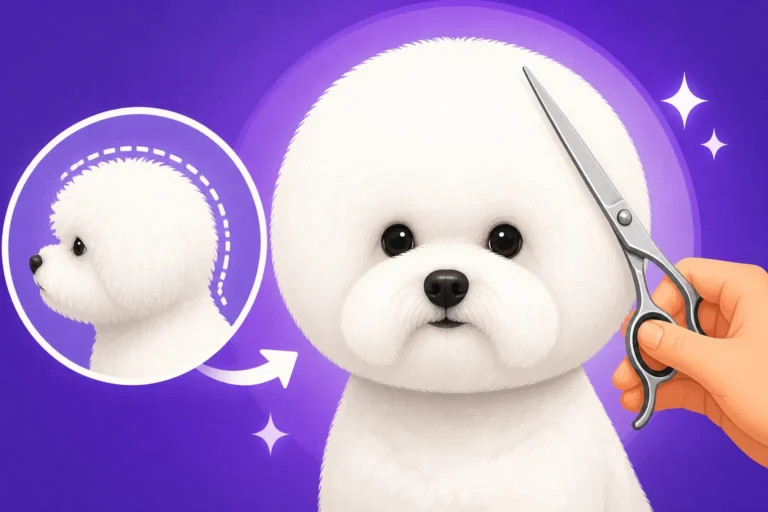
When you envision a Bichon Frise, chances are you're picturing that iconic "powder puff" look. This isn't just a cute nickname; it's the hallmark of the breed, described in detail by breed standards around the world. The powder puff is characterized by a soft, rounded silhouette, with the coat sculpted to enhance the dog's cheerful expression and elegant structure. Think perfectly rounded heads that frame their sweet dark eyes, fluffy legs that blend seamlessly into their body, and a tail that arcs gracefully over their back like a plume. This isn't achieved through mere trimming; it's a careful, artistic process of shaping the coat by hand with scissors, allowing for natural flow and softness that clippers simply can't replicate. It's about enhancing their natural beauty, not just cutting hair. To really grasp this, you can look up articles like The Powder Puff Outline a Bichon Frise Is Scissored Into.
The Art of Scissoring: Precision and Aesthetics
Scissoring a Bichon Frise is truly an art form, demanding skill, patience, and a deep understanding of the breed's conformation. It's how groomers achieve that classic, show-stopping "powder puff" look, but it comes with its own set of advantages and challenges.
Advantages of Scissoring for a Bichon Frise
The primary benefit of scissoring is the unparalleled ability to sculpt the coat, creating those soft, rounded lines that define the Bichon Frise. Clippers, by their very nature, cut hair at a uniform length, often leaving a harsher, blockier finish. Scissors, on the other hand, allow a skilled groomer to follow the natural contours of your dog's body, blending lengths seamlessly and creating a much more natural, airy, and fluffy appearance. For example, the signature round head, often described as a chrysanthemum or snowball, is almost entirely scissored. This precision ensures that the hair around their eyes is carefully trimmed to prevent irritation, while still contributing to their adorable expression. How the Round Head Is Scissored on a Bichon Frise goes into more detail about this specific technique.
Furthermore, scissoring tends to be gentler on the coat itself. Clippers can sometimes snag or 'chew' the hair, especially if blades are dull or used improperly, potentially leading to a coarser texture over time. Scissoring cuts the hair cleanly, which can help maintain the coat's natural texture and integrity. This is particularly important for Bichons, whose unique coat is designed to stand off the body. Scissoring also allows for specific areas, like the ears and tail, to be fluffed and shaped individually, contributing to the overall harmonious appearance. If you're aiming for the breed standard, scissoring is essentially non-negotiable because it truly brings out the best in their unique coat.
Challenges and Commitments of Scissoring
While the aesthetic rewards of scissoring are undeniable, it's important to be realistic about the commitment it demands. First and foremost, scissoring is incredibly time-consuming. A full, meticulously scissored groom can take a professional groomer several hours, depending on the dog's coat condition and cooperation. This naturally translates to a higher cost. If you've ever wondered What a Full Bichon Frise Groom Costs, you'll find that scissoring often sits at the higher end of the price spectrum compared to a simple clip. The precision and artistry involved require significant training and experience from the groomer, which also contributes to the expense.
For owners considering home grooming, scissoring a Bichon Frise to achieve a desirable look is a steep learning curve. It requires specialized grooming scissors – often several different types – and a steady hand. Many attempts at home scissoring by novices can result in an uneven, choppy appearance, or even accidental nicks to the dog's delicate skin. Beyond the cost and time, it also requires your Bichon Frise to be patient and stand still for extended periods. If your dog isn't keen on grooming, a lengthy scissoring session can become a stressful ordeal for everyone involved. Regular maintenance between professional grooms, including daily brushing, is still absolutely vital to prevent mats, whether your dog is scissored or clipped.
The Practicality of Clipping: Efficiency and Comfort
For many Bichon Frise owners, the sheer upkeep required for a pristine scissored coat can be daunting. This is where clipping comes into its own, offering a more practical approach that prioritizes ease of maintenance and often the dog's comfort.
Benefits of Clipping a Bichon Frise
The most immediate and obvious benefit of clipping is its efficiency. A professional groomer can clip a Bichon Frise significantly faster than they can scissor one, which can be a huge relief for dogs who get stressed by long grooming sessions or for owners on a tighter schedule. This reduced time often translates directly into lower grooming costs, as explored in articles like Whether a Scissor Trim Costs More Than a Clip. For pet owners, clipping makes at-home maintenance much easier. With a good set of clippers and some basic instruction, you can keep your Bichon tidy between professional appointments, tackling areas that tend to mat quickly. This is especially true for the body, where a uniform shorter length can drastically reduce the incidence of matting.
Clipping can also be a more comfortable option for certain Bichons. Dogs with severe skin conditions, those recovering from surgery, or older Bichons who struggle to stand for extended periods might find a quicker clip less stressful. In warmer climates, a shorter clip can sometimes make your dog feel cooler, though it's important to remember that a Bichon's double coat also provides insulation from heat, so going too short isn't always beneficial and can expose them to sunburn. Finally, for owners who aren't concerned with the strict "powder puff" aesthetic and simply want a clean, manageable dog, clipping provides a perfectly respectable and practical solution. It allows for a functional length that keeps them clean and comfortable with less daily effort.
Potential Drawbacks of Clipping
While clipping offers convenience, it's not without its downsides, particularly when it comes to the unique Bichon Frise coat. The most significant drawback is that clipping, especially with very short blades, can alter the texture of the Bichon's beautiful double coat over time. The coarser guard hairs might be cut shorter than the soft undercoat, which can eventually lead to the undercoat dominating and giving the coat a softer, fluffier, but less resilient texture. This can make the coat feel "pudding-like" and more prone to static and matting, paradoxically making it harder to maintain in the long run if not managed correctly. Some owners report that their Whether a Clipped Bichon Frise Coat Grows Back the Same after years of clipping can feel different.
Another key issue is the aesthetic compromise. As mentioned earlier, clippers tend to create a blockier, less natural look. You won't get that perfectly rounded head or the seamlessly blended legs that scissoring achieves. The distinct "powder puff" silhouette is largely lost with a clipper cut, which can be disappointing for owners who love that signature Bichon charm. Whether a Clipped Bichon Frise Loses Its Shape is a common concern, and for good reason—it will. While a skilled groomer can certainly do a beautiful clipper cut, it will still have a different, more uniform appearance than a hand-scissored finish. Moreover, repeatedly going very short can sometimes irritate the skin or lead to clipper burn if not done carefully.
Making the Right Grooming Choice for Your Bichon Frise
Deciding between scissoring and clipping isn't a one-size-fits-all answer. It truly depends on a combination of factors, from your lifestyle to your dog's individual needs.
Factors to Consider
When making this important decision, take a moment to honestly assess several key points:
- Your Lifestyle and Time Commitment: Are you someone who has the time for daily brushing, or can you commit to more frequent professional grooming appointments (every 4-6 weeks for scissoring)? If your schedule is hectic, a shorter, clipped coat might be a more realistic option, reducing the daily grooming burden.
- Your Dog's Temperament and Health: How does your Bichon handle grooming? If they're anxious, squirmy, or have joint issues like Slipping Kneecaps in a Bichon Frise that make standing for long periods painful, a quicker clip might be kinder. Dogs with very sensitive skin might also benefit from a method that causes less pulling or irritation.
- Climate: While the Bichon's double coat is surprisingly adaptable, some owners in very hot, humid climates prefer a shorter cut for their dog's comfort. Just be mindful of sun exposure if going extremely short.
- Aesthetic Preference: Do you absolutely adore the classic "powder puff" look, or are you happy with a neat, functional shorter cut? There's no wrong answer, but your preference will heavily influence your choice.
- Budget: Professional scissoring is generally more expensive due to the time and skill involved. Factoring in What a Bichon Frise Costs a Year to Keep means considering all expenses, and grooming is a significant one.
Hybrid Approaches and Home Maintenance
Many Bichon Frise owners find a happy medium between full scissoring and full clipping through a hybrid approach. This might involve getting a professional scissored groom every few months to reset the coat and maintain the desired shape, and then using clippers at home for body touch-ups or keeping certain areas shorter. Alternatively, a groomer might clip the body to a manageable length while meticulously scissoring the head, tail, and legs to retain that characteristic Bichon look.
Regardless of your primary grooming method, consistent home maintenance is non-negotiable for a Bichon Frise. This means daily brushing, ideally with a good slicker brush and metal comb to ensure you're getting down to the skin and preventing mats. Investing in What a Home Grooming Kit Costs a Bichon Frise Owner will pay dividends. Regular ear cleaning is also essential, as their floppy ears and abundant hair can trap moisture and debris. Articles like The Ears a Bichon Frise Needs Cleaned Every Week offer guidance on this crucial task. For home grooming supplies, you can find a vast selection on platforms like Amazon or Chewy, offering everything from slicker brushes and combs to specialized shampoos and clippers. Even if you rely on a professional, basic grooming at home will make their job easier and your dog more comfortable, reducing the likelihood of painful mat removal or extra charges.
Ultimately, whether scissoring beats clipping for your Bichon Frise comes down to what works best for your specific situation. Both methods have their merits, and the most important thing is that your Bichon is well-groomed, comfortable, and healthy. Don't be afraid to discuss your options with a professional groomer who specializes in Bichons; they can provide personalized advice based on your dog's coat type and temperament.
Scissoring vs. Clipping: A Quick Comparison
Here's a handy table to summarize the key differences between scissoring and clipping for your Bichon Frise:
| Feature | Scissoring (Traditional "Powder Puff") | Clipping (Practical, Shorter Cut) |
|---|---|---|
| Appearance | Soft, rounded, natural "powder puff" silhouette | More uniform, often blockier, less breed-specific |
| Coat Texture | Preserves natural texture, can enhance fluffiness | May alter texture over time (can become softer/puddling) |
| Time Required | Longer, more meticulous | Shorter, quicker |
| Cost | Generally higher due to skill and time | Generally lower |
| Skill Level | High, requires professional expertise for best results | Moderate for basic home maintenance, professional for best results |
| Matting Risk | High if not brushed daily between grooms | Lower if kept short, but still possible if neglected |
| Comfort for Dog | Can be long for fidgety dogs, gentle on skin | Quicker sessions, can cause clipper burn if not careful |
| Maintenance | Daily thorough brushing essential | Regular brushing still needed, but often less intensive |
| Tool Cost | Multiple specialized scissors | Electric clippers with various blades |
For many, a combination of professional scissoring for the aesthetic and home maintenance using tools (perhaps even clippers for quick sanitary trims, available through pet supply retailers like Chewy) is the perfect balance. What matters most is that your fluffy friend is happy, healthy, and looking their best, whatever "best" means to you!
Disclaimer
This article is for general informational purposes only and does not constitute professional advice. Laws, prices and regulations vary by location and change over time. Consult a qualified professional for guidance on your specific situation.