Whether Yeast Causes a Bichon Frise’s Brown Stains
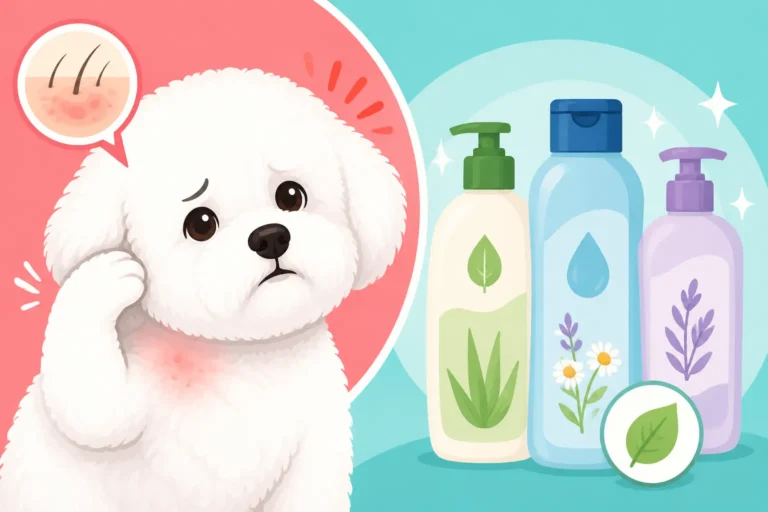
It’s a familiar sight for many Bichon Frise parents: those tell-tale reddish-brown or dark brown streaks beneath their pristine white eyes, around their mouth, or even on their paws. These stains can be incredibly frustrating to deal with, marring that perfect fluffy coat we adore. While often attributed to general tear or saliva overflow, a common question arises: could yeast be playing a role in these stubborn brown stains on your beloved Bichon Frise? This guide will dive deep into understanding these discolorations and whether yeast is the primary culprit or a sneaky secondary problem.
Understanding Tear and Saliva Stains on Bichon Frises
Before we jump into yeast, it's crucial to understand the more common causes of those reddish-brown stains that seem to cling to your Bichon Frise's beautiful white fur. These aren't just dirt; they're usually a result of natural bodily excretions.
The Common Culprits: Porphyrins and Moisture
The primary reason for those rust-colored or reddish-brown stains is often something called porphyrins. Porphyrins are iron-containing molecules that are naturally excreted through tears, saliva, and urine in dogs. When these porphyrins are exposed to light and air for prolonged periods, they oxidize and turn that reddish-brown color you see on your Bichon's fur. It's similar to how an apple turns brown after you cut it and leave it out. Every dog produces porphyrins, but they're most noticeable on white-coated breeds like our Bichons.
Beyond porphyrins, excessive moisture is a huge contributing factor. Whether it's persistent tearing from the eyes, constant licking around the mouth, or even drooling, dampness creates a perpetually moist environment on the fur. This dampness, combined with body heat, is an open invitation for bacteria to thrive. While these bacteria might not always be the initial cause of the color, their presence can certainly deepen the staining and contribute to a less-than-fresh smell. Think of it like a perpetually wet sponge; it's going to get discolored and smell eventually. Managing the moisture is often half the battle when it comes to The Tear Stains Under a Bichon Frise's Eyes.
The Role of Underlying Health Issues
While porphyrins and moisture are direct causes of staining, they often stem from an underlying issue. It’s rare for a Bichon Frise to just have "excessive tears" for no reason. These underlying health problems can exacerbate tear or saliva production, making the staining even worse.
One common issue is blocked tear ducts. If your Bichon’s tear ducts aren't draining properly, tears will spill over onto the face, leading to constant dampness. Allergies are another significant factor. Just like humans, dogs can suffer from environmental allergies (pollen, dust mites) or food allergies. When a Bichon Frise has an allergic reaction, it can manifest as itchy eyes, causing increased tearing, or irritated skin around the mouth, leading to more licking and saliva production. Imagine how your own eyes water when you have allergies; it's similar for them. Dental issues, particularly gum disease or abscesses, can also lead to increased drooling and saliva staining around the mouth area. Sometimes, even the shape of their eyes, or ingrown hairs irritating the eye, can contribute to tearing. Identifying and addressing these root causes with your veterinarian is paramount to getting those stubborn stains under control.
When Yeast Enters the Picture: A Secondary Problem
Now, let's get to the main event: yeast. Is it truly the cause of those brown stains, or is there more to the story?
How Yeast Overgrowth Develops
Yeast, specifically a common type called Malassezia pachydermatis, is a normal resident on the skin and in the ears of all dogs. It's part of their natural flora, usually coexisting peacefully with other microorganisms. However, when the conditions are just right – typically warm, moist, and lacking in air circulation – this normally benign yeast can overgrow, leading to a secondary infection.
For our Bichons, those consistently damp areas under the eyes, around the muzzle, in skin folds, or between their paw pads, create the perfect breeding ground. The persistent moisture from tears or saliva, combined with body heat, allows the yeast to multiply unchecked. When yeast overgrows, it produces metabolic byproducts that can cause a reddish-brown discoloration, often darker and more "gummy" or crusty than pure porphyrin stains. These yeast infections also commonly come with a distinct, somewhat sweet or "corn chip"-like odor, and often cause intense itching and irritation for your dog. So, while yeast isn't usually the initial cause of wetness, it absolutely thrives because of it and can certainly make those brown stains much worse and more irritating. This is a common concern, and if you suspect it, you might be wondering Whether a Bichon Frise Gets Yeast on Its Skin.
Differentiating Yeast Stains from Porphyrin Stains
It can be tricky to tell the difference between stains primarily caused by porphyrins and those where yeast has truly taken hold, as they often occur together. However, there are some key characteristics that can help you and your vet determine if yeast is a significant player.
Porphyrin stains tend to be a more reddish-brown or rust color, and while they can be damp if there's active tearing, the stained fur itself might feel relatively dry once the moisture evaporates. There's typically no strong odor associated with porphyrin-only staining, and while the underlying cause (like allergies) might make your dog itchy, the stain itself isn't directly irritating.
Yeast stains, on the other hand, are often a darker, richer brown. The fur might feel greasy or sticky, and you might even see a brownish, waxy buildup, particularly in skin folds. The defining characteristic is usually the smell – that distinctive yeasty, sometimes foul odor. More importantly, yeast infections are itchy and uncomfortable. Your Bichon might be rubbing their face, licking their paws excessively, or scratching at their ears if yeast is present. If you notice the fur around your Bichon's eyes or mouth looks pink or inflamed underneath the staining, that's another strong indicator that yeast or bacteria are causing skin irritation. Whether a Bichon Frise's Skin Goes Pink is often a sign something more than just harmless staining is going on.
Here’s a quick comparison to help visualize the difference:
| Characteristic | Porphyrin Stains (Primary) | Yeast Stains (Secondary) |
|---|---|---|
| Color | Reddish-brown, rust, light brown | Darker brown, reddish-brown, often crusty or greasy |
| Texture | Can be damp, but often dry and crunchy once moisture evaporates | Greasy, sticky, waxy buildup, can feel gooey |
| Odor | Typically odorless | Distinctive yeasty smell (like corn chips or old bread), often foul |
| Itchiness/Irritation | Not directly itchy, but underlying cause might be | Often very itchy, causes redness, inflammation, discomfort |
| Cause | Iron-containing molecules in tears/saliva oxidizing | Overgrowth of Malassezia yeast due to moisture/warmth |
| Appearance | More uniform discoloration of fur | Can have crusts, dark clumps, often associated with inflamed skin |
Addressing Yeast-Related Stains and Preventing Recurrence
If you suspect yeast is contributing to your Bichon Frise's brown stains, taking action is crucial, not just for aesthetics but for their comfort.
Veterinary Diagnosis and Treatment
The very first step is a visit to your veterinarian. They can perform a simple test called cytology, where they gently press a piece of tape or scrape a sample from the affected skin, stain it, and examine it under a microscope. This allows them to identify yeast organisms (and often bacteria too) and confirm an overgrowth. Guessing isn't a good strategy because treating yeast when it's not present, or missing a bacterial infection, won't solve the problem.
Once yeast is confirmed, your vet will prescribe appropriate treatment. This often involves topical antifungal medications, such as medicated wipes or shampoos, to directly address the yeast on the skin. For more severe or widespread infections, oral antifungal medications might be necessary. They might also prescribe antibiotics if a bacterial infection is present alongside the yeast, which is quite common. You can often find these specialized medicated products at your vet's office, or sometimes, with a prescription, through online pet pharmacies like Chewy or Amazon, which can be convenient. Remember, always follow your vet's instructions precisely for dosage and duration.
Meticulous Hygiene and Moisture Control
Treating an active yeast infection is one thing, but preventing its recurrence, especially around those constantly damp areas, requires diligent ongoing care. Daily cleaning of the stained areas is paramount. Use a gentle, veterinarian-approved tear stain remover, saline solution, or even just warm water on a soft cloth to gently wipe away debris and moisture. The key is consistency. Whether Wiping Daily Keeps a Bichon Frise Clean isn't just a suggestion; it's a necessity for managing these issues.
Keeping the fur around the eyes, mouth, and paws trimmed short is incredibly important. Longer fur acts like a wick, drawing moisture from tears and saliva and holding it against the skin, creating that perfect moist environment for yeast. Regular trimming by a professional groomer or carefully at home can make a huge difference. After cleaning, and especially after drinking or eating wet food, ensure the area is thoroughly dried. You can gently blot with a clean towel or even use a low, cool setting on a hairdryer (held at a safe distance) to ensure the fur is completely dry.
Encouraging increased water intake and using filtered water can also be helpful strategies for some dogs. Good hydration helps to dilute urine and can sometimes influence tear consistency. A ceramic or stainless steel bowl is often recommended over plastic, as plastic bowls can harbor bacteria and absorb odors, contributing to secondary problems.
Tackling Underlying Issues
As mentioned earlier, yeast often thrives because of an underlying problem. Merely treating the yeast without addressing the root cause is like patching a leaky roof without fixing the hole – the problem will just keep coming back.
If allergies are suspected, your vet might suggest an Whether an Elimination Diet Helps a Bichon Frise or allergy testing to identify specific triggers. Managing allergies with medication, supplements, or environmental changes can significantly reduce tearing and licking. If blocked tear ducts are the culprit, your vet might explore options like flushing them or, in rare cases, surgical intervention. Dental health is also key; regular dental check-ups and cleanings can prevent infections that lead to excessive drooling and facial staining. It’s a holistic approach – looking at your Bichon Frise's overall health picture is vital for long-term stain management. Consider a comprehensive vet visit to discuss these possibilities if you haven't already had one. Your vet can advise on Whether a Bichon Frise Needs Allergy Testing.
Long-Term Management and Lifestyle Adjustments
Keeping your Bichon Frise's coat pristine and free from yeast-related stains is an ongoing commitment that involves consistent care and smart lifestyle choices.
Grooming Strategies to Minimize Staining
Regular, professional grooming is one of your strongest allies against staining. A skilled groomer understands the Bichon Frise coat and can precisely trim the hair around the eyes, muzzle, and paw pads to prevent moisture retention. This specialized trimming helps to keep the areas where stains typically occur much cleaner and drier. When you ask for The Powder Puff Outline a Bichon Frise Is Scissored Into, discuss with your groomer the importance of keeping the facial hair tidy to prevent tears from soaking into the fur.
Between professional grooms, diligent home grooming is essential. Daily brushing isn't just for preventing mats; it also helps keep the coat clean and airy, preventing moisture from becoming trapped close to the skin. Even just a few minutes of focused brushing around the eyes and mouth can make a big difference. If you're looking for quality grooming tools to help maintain your Bichon's coat between salon visits, online retailers like Amazon offer a wide selection of slicker brushes, combs, and small safety scissors designed for delicate facial trims. Remember, regular grooming helps with How Long Brushing a Bichon Frise Takes, making the process easier for both of you.
Dietary Considerations for Overall Health
While there’s no magic food that will instantly stop all staining, a high-quality, balanced diet supports your Bichon Frise's overall health, which in turn can positively impact skin and tear production. Some owners find that certain ingredients can exacerbate allergies, leading to more tearing or licking, and thus more staining. If you're exploring dietary changes due to suspected allergies, your vet can guide you through an elimination diet.
Some owners also choose to feed fresh food options, believing it contributes to better overall health and hydration. For example, brands like Ollie focus on fresh, human-grade ingredients which may be beneficial for sensitive stomachs or general well-being. Always consult your vet before making significant dietary changes, especially if your Bichon has specific health needs. What your Bichon Frise eats can indeed have an impact on their health, so consider Whether Diet Changes a Bichon Frise's Tear Stains as part of the overall strategy.
Regular Vet Check-ups
Finally, don't underestimate the power of routine veterinary care. Regular check-ups allow your vet to monitor your Bichon Frise's overall health, catch potential underlying issues early, and provide tailored advice. This includes annual eye exams, checking for any dental issues, and discussing any changes in tear production or skin condition. If you notice any persistent redness, itching, increased discharge, or an odor that just won't go away, don't hesitate to schedule a vet visit. Early intervention is always better than letting a problem fester. Making sure your Bichon Frise gets Whether a Bichon Frise Needs a Yearly Eye Exam can help head off problems before they become severe.
Disclaimer
This article is for general informational purposes only and does not constitute professional advice. Laws, prices and regulations vary by location and change over time. Consult a qualified professional for guidance on your specific situation.