How Much a Bichon Frise Puppy Eats at Four Months
Bringing home a four-month-old Bichon Frise puppy is a whirlwind of joy, playfulness, and, let's be honest, a good deal of worry about whether you're doing everything right! One of the biggest questions that keeps new puppy parents up at night is, "Am I feeding my little fluffball enough?" It's easy to second-guess yourself, especially when their tiny tummies seem to demand constant attention, or when they suddenly turn their nose up at what was yesterday's favorite meal. This comprehensive guide is here to walk you through exactly how much your four-month-old Bichon Frise puppy should be eating, taking the guesswork out of their crucial developmental stage.
Understanding Your Four-Month-Old Bichon Frise Puppy's Nutritional Needs
At four months old, your Bichon Frise puppy isn't quite the tiny, helpless newborn you might remember, but they're still very much in a critical growth phase. Their bodies are developing at an astonishing rate, laying the foundation for their adult health, energy levels, and even their characteristic joyful demeanor. This isn't the time to guess or skimp on nutrition; it's when every calorie and nutrient truly counts.
Rapid Growth and Energy Demands
Think about it: in just a few short months, your Bichon has gone from a minuscule bundle to a lively, bouncy companion. This incredible transformation requires a huge amount of energy. Their bones are growing longer and stronger, muscles are developing, and their immune system is working hard to protect them as they explore the world. All this biological heavy lifting means their caloric and nutritional needs are significantly higher per pound of body weight than an adult dog. They're like tiny athletes, constantly burning fuel even when they appear to be just napping. Providing consistent, high-quality nutrition now ensures they have the building blocks for a healthy future.
The Importance of Puppy-Specific Formulas
It's a common mistake, especially for first-time owners, to think that all dog food is essentially the same. However, adult dog food simply doesn't cut it for a growing puppy, particularly a small breed like a Bichon Frise. Puppy foods are specifically formulated with a higher concentration of protein and fat to support rapid growth and provide the necessary energy. They also have a carefully balanced ratio of calcium and phosphorus, which is absolutely vital for proper bone development. Too much or too little of these minerals can lead to skeletal problems down the line, something you definitely want to avoid for your beloved companion. Small breed puppy formulas are even more tailored, with appropriately sized kibble and higher caloric density to meet their fast metabolisms without overfilling their tiny stomachs.
Transitioning to Solid Food and Meal Frequency
By four months, your Bichon Frise puppy should be well past the initial weaning stage and fully accustomed to eating solid puppy food. You're likely still feeding them multiple times a day, which is exactly what they need. Their small stomachs can't handle large quantities of food at once, and frequent smaller meals help to stabilize their blood sugar, provide a steady stream of energy for growth, and make housetraining more predictable. Generally, a four-month-old Bichon puppy will thrive on three meals a day. Trying to drop to two meals too soon can leave them feeling overly hungry or cause digestive upset, so stick with the routine for now. For more on their development, you might find our guide on The First Year With a Bichon Frise Puppy particularly helpful.
General Guidelines for Feeding a Four-Month-Old Bichon Frise
So, how much exactly should be in that bowl? It's the million-dollar question, and frankly, there's no single, universally perfect answer because every puppy is an individual. However, we can establish some excellent starting points and principles to guide you.
Manufacturer's Recommendations as a Starting Point
The very first place you should always look is the feeding guide on your puppy's specific bag of food. These guidelines are formulated by pet nutritionists based on the caloric density and nutrient profile of that particular food. They usually provide a daily amount based on your puppy's current weight and age. For example, a bag might recommend feeding 3/4 to 1 cup per day for a puppy weighing 5-8 pounds.
It's crucial to understand that these are daily totals, which you then divide by the number of meals you're feeding. So, if the bag says 1 cup per day and you're feeding three times a day, that's roughly 1/3 cup per meal. Different brands, whether you picked it up from a local pet store or ordered it online from a place like Chewy or Amazon, will have different recommendations. Some foods are more nutrient-dense than others, meaning your puppy might need less of a premium brand compared to a less calorie-rich one. Always follow the specific instructions for the food you've chosen.
Factors Influencing Individual Puppy Portions
While the bag gives you a baseline, your puppy isn't just a number on a chart. Several factors will influence whether you need to slightly adjust those recommendations:
- Individual Metabolism: Just like people, some puppies have faster metabolisms than others. One Bichon might be able to eat a bit more and maintain a healthy weight, while another might gain too easily.
- Activity Level: Is your four-month-old a whirlwind of energy, constantly chasing toys and zipping around the house in what we affectionately call "the Bichon Blitz"? Or are they more of a cuddler, content with shorter play sessions? Highly active puppies burn more calories and might need a touch more food.
- Genetics and Growth Rate: Some Bichons might hit their growth spurts a little earlier or later, or simply be on the larger or smaller end of the breed standard. Observe your puppy's growth and adjust as needed. You can gauge their general progress against The Age a Bichon Frise Reaches Full Size.
- Snacks and Treats: Don't forget to factor in any treats you're giving throughout the day for training or just for fun. Those calories add up quickly in a small puppy! We'll talk more about treats later, but generally, treats should make up no more than 10% of their daily caloric intake.
Typical Feeding Schedule and Portion Sizes
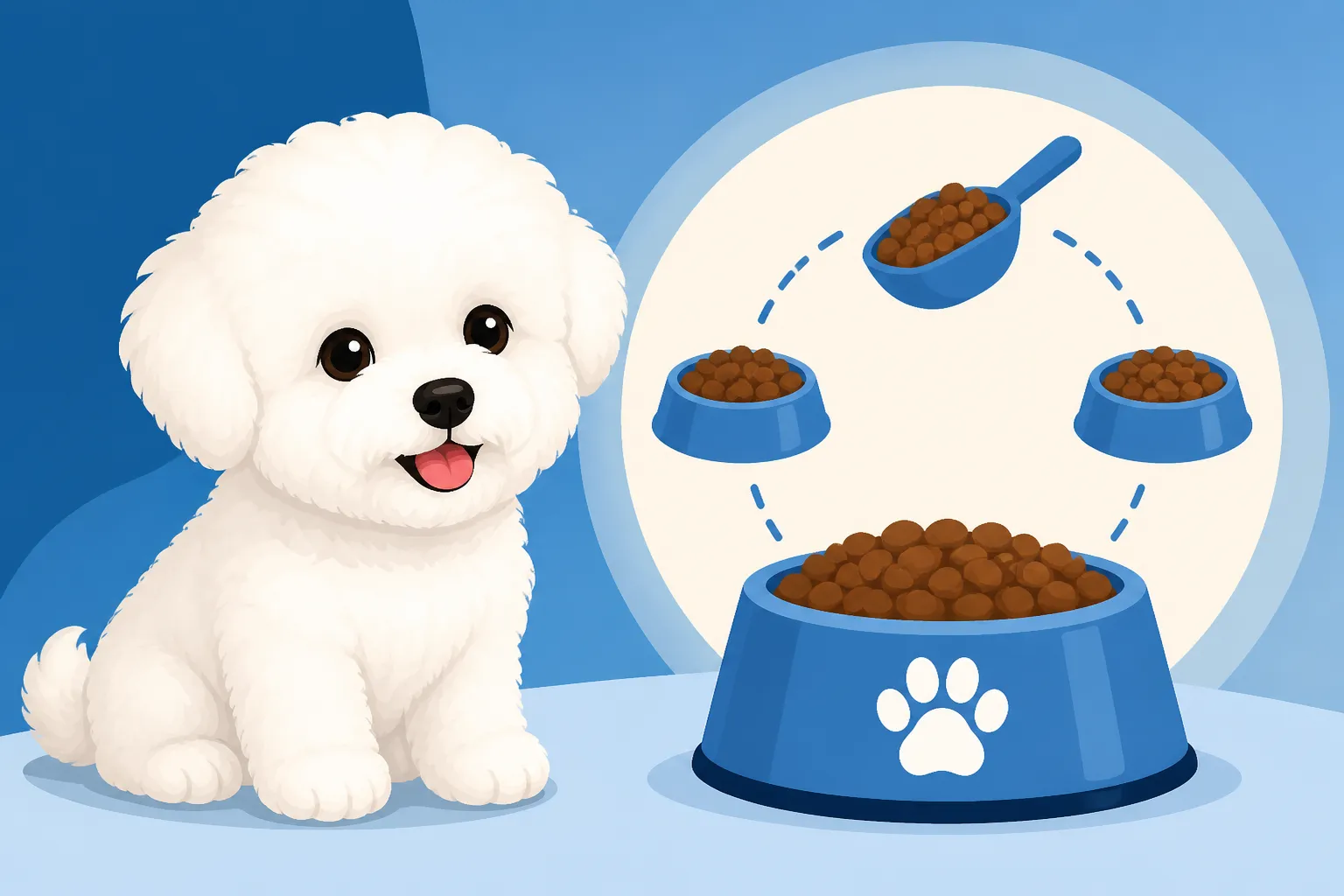
As a general guideline, a four-month-old Bichon Frise puppy typically weighs between 4 to 8 pounds. Based on many small breed puppy formulas, this usually translates to feeding anywhere from 3/4 cup to 1.5 cups of dry kibble per day, divided into three meals.
Let's illustrate with an example:
If your 4-month-old Bichon puppy weighs 6 pounds and the food manufacturer recommends 1 cup per day for their weight, you would divide that into three meals of approximately 1/3 cup each. This might look like:
- Morning Meal: 1/3 cup
- Midday Meal: 1/3 cup
- Evening Meal: 1/3 cup
Always ensure that you're using a standard measuring cup, not just scooping haphazardly. Consistency is key to managing their nutrition effectively. If you're considering when to move to fewer meals, you'll want to read about When a Bichon Frise Drops to Two Meals.
Monitoring Your Bichon Frise Puppy's Health and Weight
Feeding isn't just about pouring food into a bowl; it's about observing your puppy and understanding what their body is telling you. Regular monitoring ensures they are growing appropriately and maintaining a healthy weight, which is vital for preventing health issues later on.
Assessing Body Condition Score
The most effective way to tell if your Bichon Frise puppy is at a healthy weight is by regularly assessing their Body Condition Score (BCS). This is much more accurate than just looking at the number on the scale.
- Ribs: Gently feel along their sides. You should be able to easily feel their ribs, but they shouldn't be visibly prominent or sharp. If you can see every rib, they're likely too thin. If you have to press hard to feel them, they're likely overweight.
- Waist: When looking down at your puppy from above, you should see a discernible waistline behind their ribs. It shouldn't be barrel-shaped or completely straight.
- Abdominal Tuck: When looking at your puppy from the side, their abdomen should tuck up slightly after the rib cage, not hang low or be distended.
A lean puppy is a healthy puppy, especially a small breed like a Bichon Frise where extra weight can put strain on their joints, like those prone to Slipping Kneecaps in a Bichon Frise.
Signs of Underfeeding or Overfeeding
Being observant can help you catch issues early:
- Signs of Underfeeding:
- Excessive Hunger: Always acting ravenous, begging constantly even after meals, or trying to steal food.
- Lethargy: Lack of energy, sleeping more than usual, disinterest in play.
- Poor Coat Condition: Dull, dry coat, or excessive shedding.
- Visible Ribs/Spine: Bones are clearly visible or feel very sharp to the touch.
- Stunted Growth: Not gaining weight or growing at an expected rate for their age.
- Signs of Overfeeding:
- Rapid Weight Gain: You notice your puppy getting chunky quickly.
- Lethargy: While underfeeding can cause it, overfeeding can also lead to a puppy that's too full and sluggish.
- Loose Stools or Diarrhea: Too much food, or food that's too rich, can upset their digestive system.
- No Visible Waist/Abdominal Tuck: They look more like a furry sausage than a shapely dog.
- Distended Belly: Their belly appears constantly full or bloated.
If you notice significant changes in your puppy's body condition or behavior, it's time to act. It's really easy to underestimate how much tiny extra treats can add up, and suddenly you're looking at Signs a Bichon Frise Is Carrying Too Much Weight.
When to Consult Your Vet
Don't hesitate to reach out to your veterinarian if you have any concerns about your puppy's eating habits, growth, or overall health. They can provide tailored advice based on your puppy's specific needs, breed, and health history.
Reasons to consult your vet include:
- Sudden changes in appetite: Your puppy suddenly stops eating or becomes extremely picky.
- Diarrhea or vomiting: Especially if persistent.
- Rapid weight gain or loss: Any noticeable, unexplained change.
- Lack of energy or lethargy.
- Concerns about body condition score: If you're unsure whether they're too thin or too heavy.
- If your puppy is always hungry but not gaining weight: This could indicate underlying health issues.
Your vet is your best resource for ensuring your Bichon Frise puppy thrives through these important developmental months.
Choosing the Right Food for Your Bichon Frise Puppy
With so many options on the market, choosing the right food can feel overwhelming. Beyond just quantity, the quality of what you're feeding your Bichon Frise puppy is paramount. This decision will impact their energy, coat health, digestion, and long-term well-being.
Dry Kibble vs. Wet Food vs. Fresh Food
Each type of food has its pros and cons, and what works best for one Bichon might not work for another, especially with their reputation for being discerning eaters!
- Dry Kibble: This is the most common and often most economical choice. Good quality kibble is nutritionally complete and balanced, and the crunchy texture can help with dental hygiene (though it's no substitute for brushing!). For Bichons, small breed puppy kibble is essential, as the smaller pieces are easier for their tiny mouths to pick up and chew. It's also convenient to store and feed. Many high-quality options are available from retailers like Chewy.
- Wet Food: Canned or pouched wet food is highly palatable, which can be a huge plus for picky eaters. It also adds moisture to their diet, which can be beneficial for overall hydration and urinary tract health (especially important if you're concerned about future stone formation, a common Bichon issue). However, wet food is typically more expensive, has a shorter shelf life once opened, and can contribute to dental issues if not managed with regular brushing. You could try mixing a small amount of wet food with kibble to entice your puppy.
- Fresh Food (Home-cooked or Prepared Services): Companies like Ollie offer pre-portioned, fresh, human-grade food. This option can be fantastic for palatability and often boasts highly digestible ingredients. For owners who are deeply invested in their dog's diet, this can be an appealing choice. However, it's typically the most expensive option, and if you're home-cooking, you must ensure the diet is nutritionally balanced and complete with all essential vitamins and minerals, which usually requires consulting a veterinary nutritionist. Randomly mixing ingredients at home can easily lead to deficiencies or excesses that are harmful to a growing puppy.
Ultimately, the "best" food is one your puppy thrives on, is nutritionally complete, and fits your budget and lifestyle. Many Bichon owners find a mix of kibble and a little wet food works well to keep their pups interested. If you're interested in alternative options, you might look into Whether Wet Food Suits a Bichon Frise Better.
Ingredients to Look For and Avoid
When you're scrutinizing those ingredient labels, here's what to prioritize and what to steer clear of:
- Look For:
- High-Quality Animal Protein: The first ingredient should ideally be a named meat source like "chicken," "lamb," "beef," or "salmon." Meat meals (e.g., "chicken meal") are also excellent as they are concentrated protein sources.
- Healthy Fats: Essential for energy, skin, and coat health. Look for chicken fat, salmon oil, flaxseed, or other named animal or plant-based fats. Omega-3 fatty acids (DHA, EPA) are especially important for brain and vision development in puppies.
- Complex Carbohydrates: Whole grains like brown rice, oats, barley, or vegetables like sweet potatoes and peas provide sustained energy and fiber.
- Fruits and Vegetables: Offer natural vitamins, minerals, and antioxidants.
- Probiotics/Prebiotics: Beneficial for gut health and digestion.
- Avoid:
- Generic Meat By-Products: While not always bad, "meat by-product meal" is less defined and can be inconsistent in quality.
- Artificial Colors, Flavors, and Preservatives: These add no nutritional value and can sometimes trigger sensitivities.
- Excessive Fillers: Ingredients like corn, wheat, and soy are not inherently bad but can be used as cheap fillers in lower-quality foods. Ensure they're not the primary ingredients.
- Non-Specific Ingredients: Terms like "animal fat" or "poultry" without specifying the source are less transparent.
Remember, your Bichon Frise needs Whether a Bichon Frise Needs Small Breed Kibble for proper development and eating ease.
The Role of Treats in a Puppy's Diet
Treats are wonderful for training, bonding, and just spoiling your little one, but they must be given in moderation. For a small breed like a Bichon, even a few extra treats can quickly add up to a significant portion of their daily caloric intake.
- Moderation is Key: Treats should comprise no more than 10% of your puppy's daily calories. This means if your puppy eats 400 calories a day, only 40 of those should come from treats.
- Choose Wisely: Opt for small, low-calorie training treats. Many brands offer "mini" treats specifically for small breeds. You can also use small pieces of cooked chicken, carrots, or green beans as healthy, low-calorie alternatives.
- Consider Calorie Content: Be mindful of the calorie content of treats. A single large treat might be equivalent to a whole meal for a tiny Bichon.
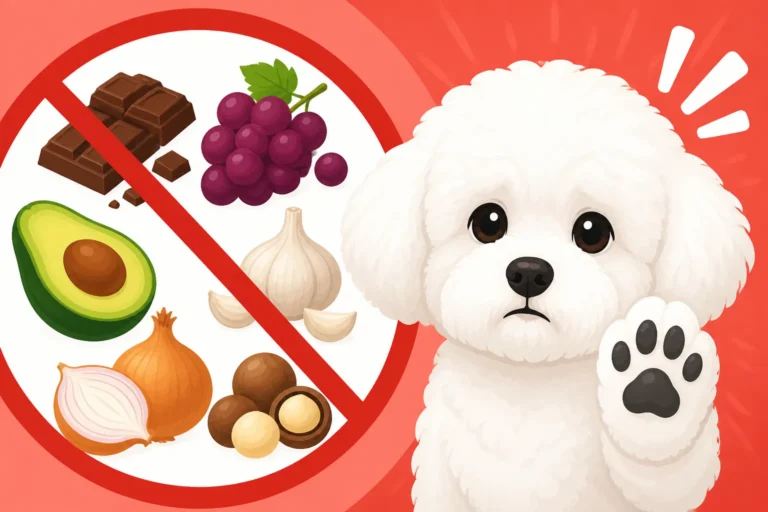
- Avoid Table Scraps: It's tempting to share, but human food often contains ingredients (like high salt, sugar, or fats) that aren't good for dogs, and some are downright toxic. Plus, it encourages begging and can make them pickier about their actual food.
- Dental Chews: While some dental chews can be beneficial, always choose age-appropriate sizes and supervise your puppy to ensure they don't choke. Also, remember these contribute to calorie intake.
Balancing their main meals with appropriate treats is crucial for maintaining a healthy weight and ensuring they get all the necessary nutrients without overdoing it.
Practical Tips for Feeding Success
Feeding a Bichon Frise puppy isn't just about what and how much; it's also about how you approach mealtime. Establishing good habits now will set your puppy up for a lifetime of healthy eating and fewer behavioral issues around food.
Establishing a Routine
Dogs thrive on routine, and meal times are no exception. A consistent feeding schedule helps regulate their metabolism, aids in digestion, and, perhaps most importantly for a Bichon, can work wonders for housetraining.
- Predictability is Power: Feed your four-month-old Bichon Frise at roughly the same times each day. For example, 7 AM, 1 PM, and 6 PM. This predictability allows their digestive system to anticipate food, leading to more regular bowel movements and easier housetraining.
- Mealtime is Mealtime: Put the food down, give them 15-20 minutes to eat, and then pick up the bowl, regardless of whether they've finished. This teaches them that food isn't always available and encourages them to eat when it's offered. Leaving food out all day can lead to picky eating and makes it harder to monitor their intake.
- Designated Eating Spot: Choose a quiet, consistent place for their meals, away from high-traffic areas or other pets. This helps them feel secure and focus on eating.
A consistent routine also helps with other aspects of their care, such as knowing when to expect walks or playtime, which ties into managing their energetic The Bichon Blitz and What It Means.
Managing Picky Eaters
Bichons have a reputation for being finicky, and a four-month-old puppy can certainly start showing these tendencies! Don't despair; there are strategies to encourage them to eat.
- Don't Give In to Begging: As hard as it is, giving in to human food when they're refusing their kibble will only reinforce the picky behavior. They learn that if they hold out, something better will come along.
- Enhance Palatability:
- Warm it Up: Add a little warm water or low-sodium chicken broth to dry kibble. Let it sit for a few minutes to soften and release aromas.
- Mix in Wet Food: A spoonful of high-quality wet food mixed into their kibble can make it much more appealing.
- Fresh Food Topper: A tiny bit of plain cooked chicken or an egg (cooked, no seasoning) can be a healthy, enticing topper. Be mindful of introducing too many new foods at once, though.
- Rotate Flavors (Carefully): If your puppy consistently turns their nose up at a particular flavor, you can try rotating between a couple of different, high-quality small breed puppy formulas. However, introduce new foods gradually over several days to avoid upsetting their stomach. For more detailed advice, check out Whether a Bichon Frise Is a Fussy Eater.
- Rule Out Medical Issues: If pickiness is sudden or severe, always consult your vet first to rule out any underlying dental problems, stomach upset, or other health concerns.
Hydration is Key
Just as important as food is ensuring your four-month-old Bichon Frise puppy is drinking enough fresh water. This is especially true if they are on a dry kibble diet.
- Constant Access: Always provide fresh, clean water. Change it frequently throughout the day.
- Multiple Water Bowls: Place water bowls in several locations around your home. This encourages more frequent drinking.
- Consider a Water Fountain: Some dogs are enticed by the running water of a pet fountain, which can encourage them to drink more. This can be a great investment if you find your Bichon isn't drinking enough from a still bowl. You might find our article Whether a Water Fountain Encourages a Bichon Frise helpful.
- Add Water to Food: Mixing warm water with their kibble not only enhances flavor but also increases their daily water intake.
- Monitor Intake: Pay attention to how much they're drinking. Excessive thirst or refusal to drink can be signs of health issues that warrant a vet visit.
Proper hydration is vital for kidney function, temperature regulation, and overall cellular health, all of which are crucial for a rapidly growing puppy.
Approximate Daily Feeding Guidelines for a 4-Month-Old Bichon Frise Puppy
Please remember, these are general guidelines. Always consult your specific puppy food's packaging and adjust based on your puppy's individual needs, activity level, and body condition.
| Puppy Weight (Approx.) | Approximate Daily Kibble (Cups) | Meals Per Day | Portion Per Meal (Cups) |
|---|---|---|---|
| 3-4 lbs | 0.75 – 1 cup | 3 | 0.25 – 0.33 cup |
| 5-6 lbs | 1 – 1.25 cups | 3 | 0.33 – 0.4 cup |
| 7-8 lbs | 1.25 – 1.5 cups | 3 | 0.4 – 0.5 cup |
This table is a starting point. Feel their ribs, watch their energy, and adjust as needed. And when in doubt, call your vet!
Disclaimer
This article is for general informational purposes only and does not constitute professional advice. Laws, prices and regulations vary by location and change over time. Consult a qualified professional for guidance on your specific situation.