Whether a Bichon Frise Is a Fussy Eater
Many Bichon Frise owners find themselves scratching their heads at mealtime, wondering why their fluffy companion turns their nose up at perfectly good food. It's incredibly frustrating when your little white shadow suddenly decides its dinner isn't up to par, leaving you concerned about their nutrition and overall health. This guide dives deep into why your Bichon might be a picky eater, what common struggles you might face, and practical strategies to encourage healthy eating habits. We'll explore how to distinguish true fussiness from potential health concerns and when it’s time to seek professional advice.
Understanding the Bichon Frise and Their Culinary Quirks
It’s a tale as old as time for many Bichon Frise parents: you lovingly prepare a meal, set it down, and your adorable fluffball gives it a sniff, a disdainful look, and then trots off as if you’ve offended them with your offering. Is it just a Bichon thing? Are they naturally more finicky than other breeds? The short answer is, it can certainly feel that way, and there are several reasons why this breed often earns a reputation for being a bit particular at mealtime.
First, let's acknowledge that Bichons are intelligent, sensitive little dogs. They pick up on routines and can be incredibly attuned to their human companions. If a Bichon learns that refusing food leads to a more exciting option or extra attention, they're smart enough to play that card. Think about it: if you always offer a new, more enticing meal when they don't eat their old one, you're inadvertently teaching them that holding out is a winning strategy. This isn't malice on their part; it's just a dog doing what works! Their small size also means they don't need a huge amount of food, so missing a meal might not feel as urgent to them as it would to a larger, hungrier breed. This can make owners even more anxious, leading to a cycle of offering too many options.
Furthermore, some of the issues we attribute to "pickiness" might actually stem from underlying sensitivities. Bichons, like many small breeds, can be prone to dental issues, which can make eating uncomfortable. Imagine trying to enjoy your favorite meal with a toothache; it's just not going to happen! Additionally, their digestive systems can sometimes be a bit more delicate. A sudden change in diet, or even an ingredient they don't agree with, could lead to mild discomfort that makes them hesitant to eat. What looks like fussiness to us might be a subtle signal that something just doesn't feel right. It’s also worth considering that a Bichon’s strong bond with its owner means they often prefer company, and eating alone might not be as appealing. Some might even be experiencing a mild form of separation anxiety, making them less inclined to eat when their favorite human isn't nearby.
Common Mealtime Scenarios and How to Decode Them
When your Bichon Frise starts acting like a canine food critic, it can manifest in various ways, each with its own potential underlying cause. Understanding these common scenarios can help you differentiate between learned behavior and actual problems, setting the stage for effective solutions. It's easy to jump to conclusions, but taking a moment to observe the pattern can be incredibly insightful.
The "Hold Out for Something Better" Game
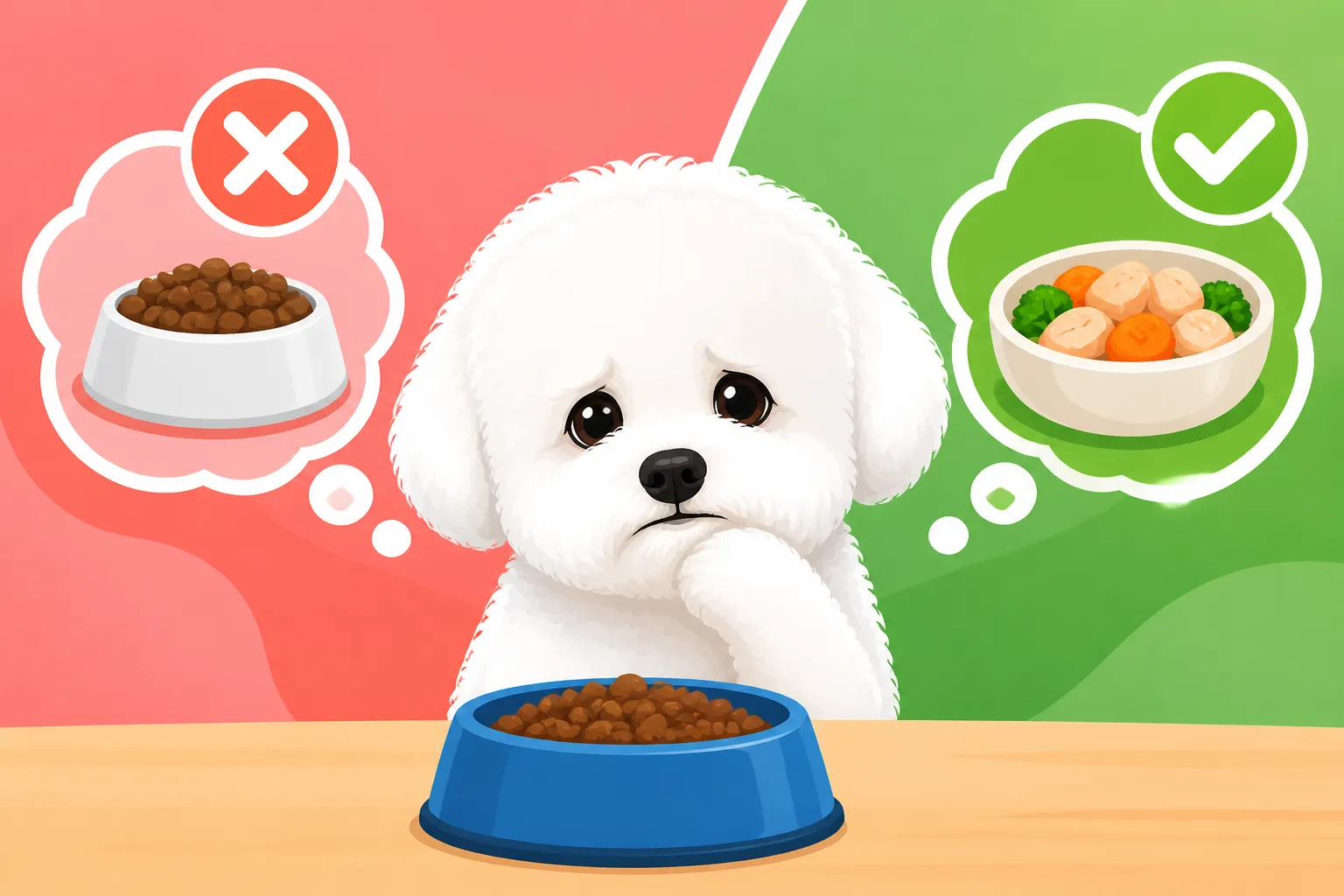
This is probably the most common scenario for a self-proclaimed "fussy" Bichon. You put down their regular kibble, and they sniff, perhaps take a polite bite, then back away and look at you expectantly. They might wander to the kitchen counter, gaze longingly at your plate, or just sit quietly, giving you their most soulful "I'm starving, but not for that" look. This behavior often develops when owners, out of love and concern, start offering alternatives or mixing in irresistible human food when the primary meal is rejected.
For instance, if your Bichon consistently refuses their kibble until you stir in a spoonful of cooked chicken or a dollop of yogurt, they've learned that patience pays off. They know that if they wait, something tastier will eventually appear. This isn't a sign of genuine hunger strike; it's a clever negotiation tactic. Over time, this can lead to an unbalanced diet and make it incredibly difficult to transition them to any new food, including prescription diets if they ever need one, such as The Urinary Diet a Bichon Frise Stays On. Owners often describe feeling trapped, forced to continue the cycle to ensure their dog eats anything at all.
The Sudden Disinterest in a Previously Loved Food
Another puzzling behavior is when your Bichon, who happily devoured a particular food for months, suddenly turns their nose up at it. One day they're fine, the next they act like you've offered them sawdust. This can be particularly concerning because it deviates from their established pattern. This isn't necessarily just "pickiness"; it could signal several things.
Sometimes, it's simply a case of boredom. Just like us, dogs can get tired of the same meal, day in and day out. Their palate might not be as complex as ours, but variety, even subtle, can sometimes be appealing. However, a sudden, complete refusal without any other signs of illness warrants closer attention. Is it the smell? The texture? Did the manufacturer change the formula subtly? More importantly, could it be an early sign of discomfort? If your Bichon also seems less energetic, drinks more or less than usual, or shows any signs of gastrointestinal upset like vomiting or diarrhea, that "fussiness" is actually a red flag. Pay attention to changes in their drinking habits, as detailed in Whether a Cushing's Bichon Frise Drinks Constantly, or signs of urinary issues, mentioned in The First Signs a Bichon Frise Has Stones, as these can also affect appetite.
Eating Around the "Bad Stuff"
This scenario is common when you mix different components into their bowl. Perhaps you're trying to add a supplement, some vegetables, or even a different type of kibble. Your Bichon will meticulously pick out the bits they like, leaving the rest. This often happens with prescription diets, especially if your dog is used to a more palatable, high-fat commercial food. They'll eat every single crumb of the chicken liver you mixed in, but leave the specialized kibble untouched.
This behavior highlights a strong preference and reinforces the idea that they can control what they eat. It's frustrating because you know the "bad stuff" is actually the nutritious part or the one prescribed for their health. This selective eating can mean they're not getting a complete and balanced diet, even if their bowl seems partially empty. For owners trying to introduce a new or specialized diet, understanding Whether a Bichon Frise Will Eat Prescription Food is crucial, as strategies like gradual mixing or unique toppers may be required.
Effective Strategies to Combat Picky Eating
Dealing with a fussy Bichon Frise can test your patience, but there are many strategies you can employ to encourage healthier eating habits and ensure your furry friend gets the nutrition they need. The key is consistency, patience, and sometimes, a little bit of creativity. Remember, you're looking to establish a routine that teaches your Bichon to eat what's offered, not to become a short-order chef.
Establish a Predictable Mealtime Routine
Dogs thrive on routine, and mealtimes are no exception. Instead of free-feeding (leaving food out all day), establish two distinct meal times, perhaps 12 hours apart. Put the food down for 15-20 minutes. If your Bichon doesn't eat it within that window, pick it up until the next scheduled meal. This simple act teaches them that food is available at specific times, and if they don't eat it, it will be gone. There won't be another option right around the corner.
This approach requires a strong will from your side, as your Bichon might try to test you. They might skip a meal or two, which can feel incredibly distressing. However, a healthy adult Bichon can safely miss a meal without ill effects. They will eventually learn to eat when food is presented. Consistency is paramount here. If you waver and offer something else, you're back to square one. This also helps you understand How Much an Adult Bichon Frise Eats Daily by observing actual consumption rather than just what's left in the bowl.
Enhance Palatability Thoughtfully
Sometimes, a little boost can make a regular meal more appealing without resorting to unhealthy table scraps. This is particularly useful when transitioning to a new food, like moving from puppy to adult food as discussed in When a Bichon Frise Moves to Adult Food, or trying to get them to accept a less-loved but necessary diet.
- Wet Food or Toppers: Mixing in a small amount of high-quality wet food can often do the trick. Many Bichons find the aroma and texture of wet food more enticing. Brands like Ollie offer fresh, human-grade food that can be excellent as a full meal or a mixer. You can also find a wide range of palatable wet food options on platforms like Chewy or Amazon. Just be mindful of caloric intake if adding to kibble, and ensure it aligns with any dietary restrictions. Whether Wet Food Suits a Bichon Frise Better is a common question, and for some fussy eaters, it's a game-changer.
- Warm Water or Broth: A splash of warm water or unsalted chicken/beef broth can release aromas and soften kibble, making it more appealing. This is a simple, low-calorie way to make dinner more inviting. It also subtly encourages hydration, which is important for overall health and preventing issues like stones, as explored in Whether a Bichon Frise Should Be Encouraged to Drink.
- Probiotics: Sometimes, a sensitive stomach contributes to pickiness. A high-quality probiotic, such as those you can find through online retailers like Amazon, might help support their digestion and make them more comfortable at mealtime. You might find more information on this in Whether a Bichon Frise Needs a Probiotic.
Avoid Table Scraps and Unapproved Treats
This is a big one. Sharing your human food, even tiny bits, can quickly reinforce picky eating habits. Your Bichon will always hold out for the delicious, often richer, and unhealthier morsels from your plate. This creates an expectation that undermines their regular meals. Be strict with yourself and your family. If your Bichon begs at the table, gently redirect them to their designated eating area, or crate them during your meal times.
The same goes for treats. While treats are excellent for training, excessive or inappropriate treats can spoil their appetite for proper meals. Ensure any treats you give are low-calorie and compatible with their main diet, especially if they are on a special regimen (like a urinary diet where Whether One Treat Can Restart a Bichon Frise Stone is a real concern). Stick to their regular food, perhaps even using small pieces of their kibble as treats for positive reinforcement around meal times. Also, be aware of Foods That Are Dangerous to a Bichon Frise to prevent accidental ingestion and related health issues that could affect appetite.
Consider the Food Itself
Not all dog foods are created equal, and what works for one dog might not work for another. If you've tried all behavioral approaches and your Bichon is still consistently rejecting food, it might be time to evaluate the food itself.
- Quality Ingredients: Opt for high-quality dog food with recognizable, wholesome ingredients. Some dogs are sensitive to fillers, artificial colors, or certain protein sources.
- Small Breed Specific Formulas: Bichons are small dogs, and their nutritional needs can differ from larger breeds. Small breed formulas are often designed with smaller kibble sizes that are easier for their tiny mouths to chew and sometimes have calorie densities suited for their metabolism. Read more about this in Whether a Bichon Frise Needs Small Breed Kibble.
- Fresh Food Options: For some particularly finicky eaters, fresh food services, such as Ollie, can be a game-changer. These foods are often less processed, highly palatable, and can tempt even the most discerning Bichon. You can research various fresh food brands and read reviews on sites like Chewy.
Here's a quick comparison of common feeding strategies:
| Strategy | Description | Pros | Cons |
|---|---|---|---|
| Scheduled Feeding | Food offered for 15-20 mins, then removed until next meal. | Teaches consistency, establishes routine, encourages eating. | Can be distressing for owners initially, requires strict adherence. |
| Free Feeding | Food left out all day for dog to graze. | Convenient for owner, less stress if dog eats slowly. | Can lead to overeating or pickiness, difficult to monitor intake. |
| Wet Food/Toppers | Mixing wet food or broth with kibble to enhance appeal. | Increases palatability, provides hydration, can entice picky eaters. | Adds calories, can be more expensive, might create new dependencies. |
| Fresh/Human-Grade Food | Feeding specially prepared, minimally processed meals. | Highly palatable, high-quality ingredients, often very appealing. | Can be significantly more expensive, requires storage space. |
When to Seek Veterinary Advice for a Picky Eater
While many instances of a Bichon Frise being a fussy eater can be managed with consistent behavioral strategies, it's crucial to know when their reluctance to eat might signal a more serious underlying health issue. Distinguishing between a behavioral quirk and a medical concern is paramount for your dog's well-being. Always trust your gut instinct – if something feels off, it's worth investigating.
Red Flags That Warrant a Vet Visit
It's not just about if your Bichon is eating, but how they're eating and if other symptoms are present. Here are some key signs that indicate you should contact your veterinarian:
- Sudden and Complete Loss of Appetite: If your Bichon suddenly stops eating entirely for more than 24 hours, especially if they were previously a good eater, this is a definite cause for concern. This isn't just pickiness; it could indicate pain, infection, or serious internal issues.
- Lethargy or Weakness: If your Bichon is not only refusing food but also seems unusually tired, weak, or uninterested in their usual activities, something is likely wrong. A healthy picky eater will still generally be active and alert.
- Vomiting or Diarrhea: Gastrointestinal upset accompanying a lack of appetite is a strong indicator of illness. Even if it's just a few bouts, combined with not eating, it warrants a vet visit. This could point to anything from a stomach bug to something more severe like pancreatitis.
- Weight Loss: Unexplained weight loss, even if gradual, over weeks or months, needs veterinary attention. If your Bichon is steadily losing weight despite your best efforts to feed them, their body isn't getting the nutrients it needs, often due to an underlying condition. For concerns about weight, you can also look for articles like Signs a Bichon Frise Is Carrying Too Much Weight.
- Changes in Drinking or Urination: Significant increases or decreases in thirst and urination can be linked to many health problems, including kidney disease, diabetes (Whether a Bichon Frise Gets Diabetes), or hormonal imbalances. These conditions can profoundly impact appetite.
- Pain or Discomfort: Look for any signs of pain such as limping, whining, difficulty moving, or sensitivity to touch. Pain, especially dental pain, can make eating unbearable. Dental issues are very common in Bichons, and a painful tooth can certainly make them refuse food. Consider Dental Disease in a Bichon Frise as a common ailment.
- Changes in Behavior: Any other unusual changes in behavior, like hiding, aggression, or increased anxiety, when coupled with a lack of appetite, should be a trigger for a vet visit. Your Bichon's personality is often the first indicator of their overall health.
What Your Vet Will Investigate
When you bring your fussy Bichon to the vet, they won't just tell you to "try a different food." They will likely conduct a thorough examination and may recommend diagnostics to rule out medical causes. This typically includes:
- Physical Examination: Checking teeth, gums, lymph nodes, abdomen, and overall body condition.
- Blood Work: A complete blood count and chemistry panel can check for infections, organ function (liver, kidneys), inflammation, and other systemic issues.
- Urinalysis: To check for urinary tract infections, kidney issues, and conditions like diabetes or the presence of crystals, which can precede stones.
- Fecal Exam: To check for parasites or other gastrointestinal issues.
- Imaging (X-rays or Ultrasound): If internal issues are suspected, imaging can help visualize organs, detect tumors, foreign bodies, or bladder stones. As mentioned in articles like What Bichon Frises Are Most Often Treated For, small breed dogs can have specific predispositions.
Remember, early detection of health problems can significantly improve the prognosis and often makes treatment easier and less invasive. Don't hesitate to reach out to your vet if you have concerns about your Bichon's eating habits, especially if they are accompanied by other symptoms. It’s always better to be safe than sorry when it comes to the health of your beloved companion.
Disclaimer
This article is for general informational purposes only and does not constitute professional advice. Laws, prices and regulations vary by location and change over time. Consult a qualified professional for guidance on your specific situation.