Whether an Old Bichon Frise’s Coat Thins
It's a common worry among Bichon Frise parents: as our beloved fluffy companions enter their golden years, we start noticing changes, and one of the most visible can be in their signature cloud-like coat. You might find yourself wondering if your once dense, bouncy Bichon fur is looking a little thinner, perhaps not quite as full as it used to be. This guide is here to walk you through what's normal when it comes to an aging Bichon's coat and when those changes might signal something more.
The Natural Progression of a Bichon Frise's Coat with Age
Just like with us humans, age brings a host of subtle shifts in our pets, and their glorious white coats are certainly not immune. It’s important to understand that some degree of coat change is a completely natural part of your Bichon Frise's journey through life.
Understanding Normal Coat Changes
The Bichon Frise is renowned for its double coat: a soft, dense undercoat and coarser guard hairs that give it that distinctive powder puff look. This breed is often celebrated for being "non-shedding," which really means the shed hair gets caught in the existing coat, leading to matting if not diligently brushed. As your Bichon steps into its senior years, typically around the age of eight or nine, you might notice the coat isn't quite as thick or as quick to grow. This is because hair follicles, like other cells in the body, start to slow down. The hair growth cycle shortens, and individual hairs might become finer or less densely packed. You might find the coat feels softer, almost baby-fine, in certain areas, particularly along the back or flanks. This gradual thinning, often subtle and uniform, is a perfectly normal aspect of canine aging, especially for a breed known for its exuberant coat. It's just part of The Fourteen to Fifteen Years a Bichon Frise Lives and the beautiful evolution of your companion.
Factors Beyond Just Age
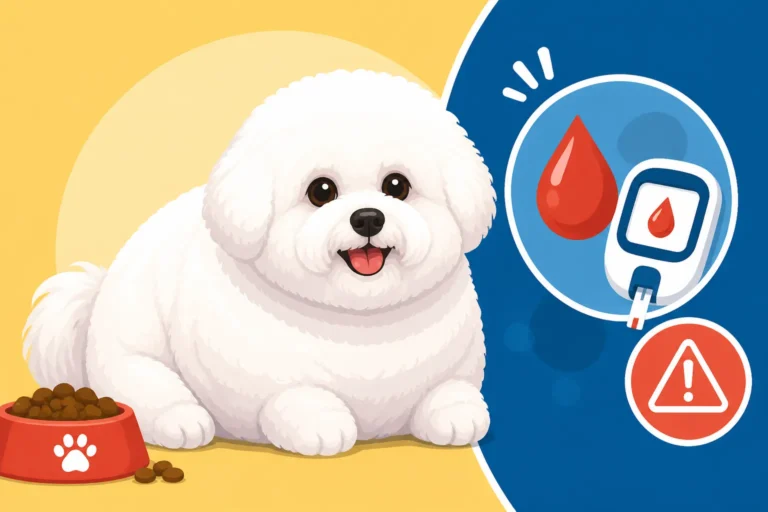
While natural thinning is common, it’s crucial to remember that age isn't always the only factor at play when you observe changes in your Bichon's coat. Sometimes, other age-related health conditions can manifest with symptoms that include hair loss or coat dullness, making it seem like simple thinning. Hormonal imbalances, for instance, are a significant culprit. Conditions like hypothyroidism, where the thyroid gland doesn't produce enough hormones, can lead to a dry, brittle coat, and symmetrical hair loss, often without much itching. Similarly, an overactive adrenal gland, as seen in Cushing's Disease in a Bichon Frise Past Seven, can cause thinning hair, especially on the trunk, along with other symptoms like a pot belly or increased thirst. Nutritional deficiencies, though less common with a good quality commercial diet, can also impact coat health. Chronic stress or even certain medications might also play a role, making it a complex puzzle for us owners to solve on our own.
Distinguishing Normal Thinning from Health Concerns
So, how do you tell the difference between your Bichon Frise simply getting a little less fluffy with age and a more serious underlying health issue? It comes down to observation and recognizing key signs.
Signs of Age-Related Coat Thinning
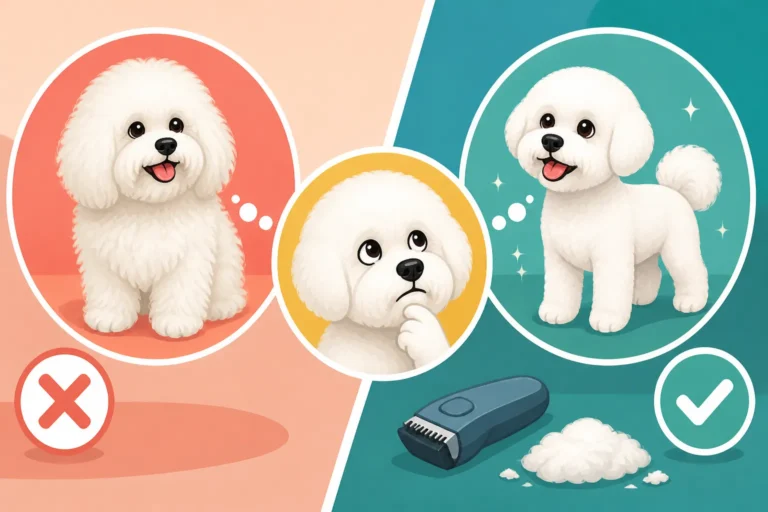
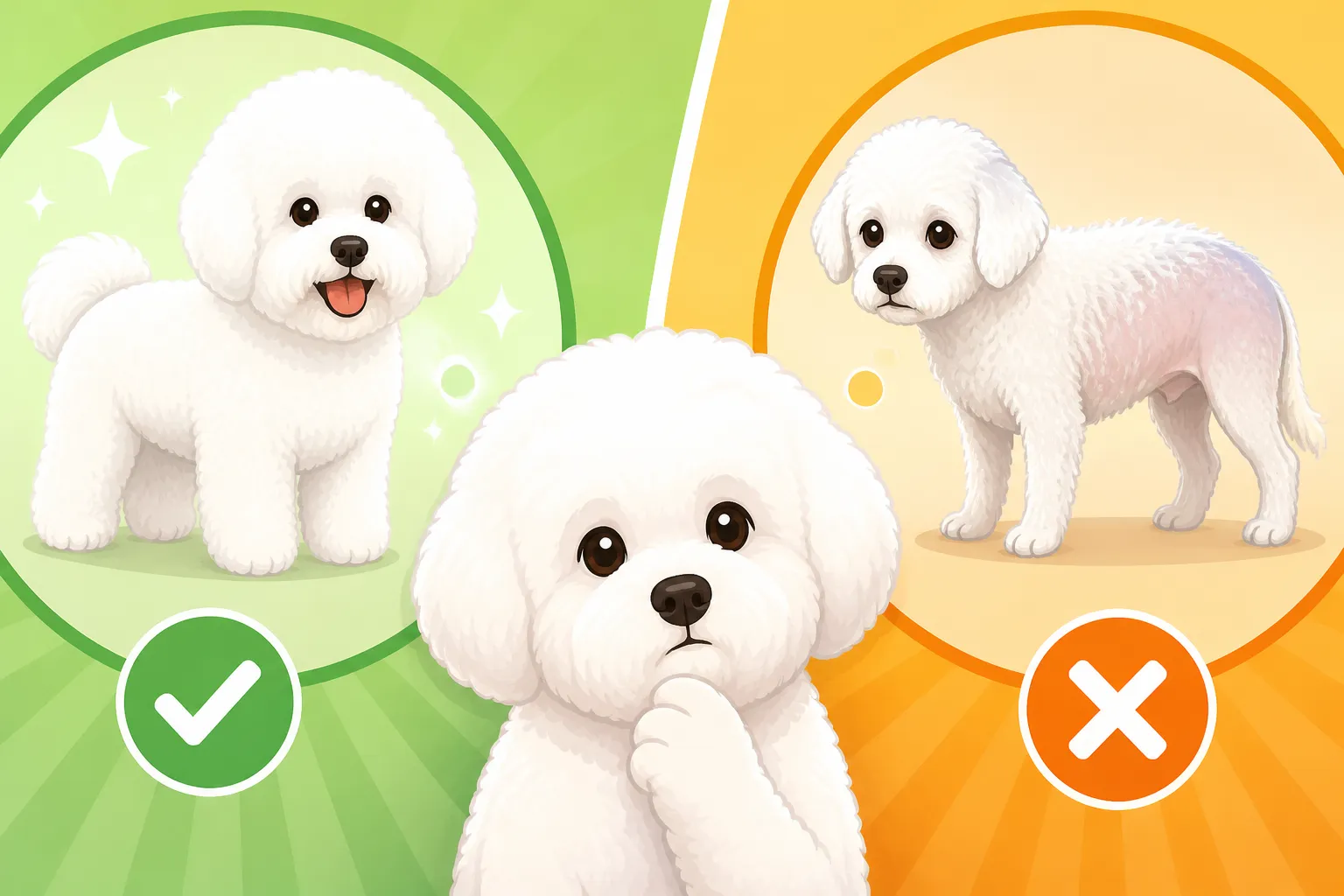
Normal, age-related coat thinning in a Bichon Frise tends to be a slow, gradual process. You might notice the overall density isn't what it once was, especially after a fresh groom where the signature 'powder puff' might not seem as robust. The hair itself might feel a bit softer, perhaps less coarse, and it might take longer for the coat to grow back to its previous length after a trim. This type of thinning is usually diffuse, meaning it's spread evenly across the body rather than in distinct patches. The skin underneath typically remains healthy, without redness, flakiness, or obvious irritation. You might also find that the grooming needs shift slightly; while regular brushing is still essential to prevent matting, you may not need to tackle as much bulk as before. Understanding these subtle shifts helps us prepare for Grooming an Old Bichon Frise That Cannot Stand Long, adapting our techniques to suit their changing bodies and coats.
When Thinning Signals a Deeper Issue
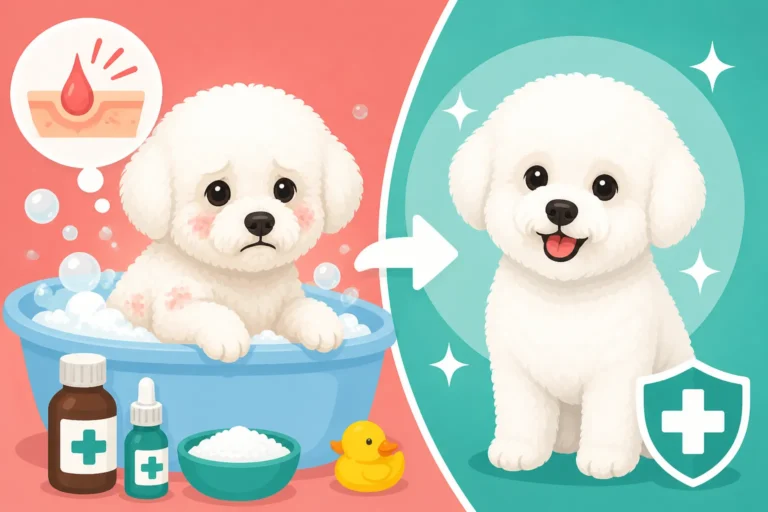
On the other hand, certain patterns of hair loss or coat changes should definitely raise a red flag and prompt a visit to your veterinarian. If you observe sudden or rapid hair loss, especially if it's occurring in distinct patches, or if the skin underneath is red, inflamed, scaly, or has any lesions, it's time for a check-up. Excessive scratching, licking, or biting at the skin accompanying hair loss also points to an underlying problem, potentially allergies, parasites, or a skin infection. A coat that becomes excessively dull, greasy, or brittle, regardless of thickness, can also be a sign of internal issues. Keep an eye out for other systemic symptoms too: changes in appetite or thirst, lethargy, unexpected weight gain or loss, or a pot-bellied appearance are all indicators that something more than simple aging might be affecting your Bichon. For example, hair loss combined with increased drinking and urination could hint at conditions like Cushing's, which is more prevalent in older dogs. If you're concerned about hormonal changes, it's worth exploring topics like Whether a Bichon Frise Gets Hypothyroidism with your vet.
Here's a quick guide to help you differentiate:
| Feature | Normal Age-Related Thinning | Health-Related Thinning/Loss |
|---|---|---|
| Onset | Gradual, over months or years | Sudden or rapid |
| Pattern | Diffuse, overall less dense | Patchy, symmetrical, or specific areas |
| Hair Texture | Softer, finer, slower regrowth | Brittle, dull, excessively dry or oily |
| Skin Appearance | Healthy, normal pigmentation | Redness, scales, scabs, bumps, dark pigmentation |
| Itching/Irritation | Minimal to none | Frequent scratching, licking, discomfort |
| Other Symptoms | Generally none | Increased thirst/urination, lethargy, weight changes, pot belly |
| Speed of Regrowth | Noticeably slower after grooming | May not regrow at all in affected areas |
Managing and Supporting Your Senior Bichon Frise's Coat
Seeing your cherished Bichon age can be bittersweet, but with the right care, you can help them maintain comfort and health, including the condition of their coat. Proactive management and a supportive approach are key.
Nutritional Support for a Healthy Coat
A well-balanced diet is the cornerstone of good health, and this becomes even more critical for senior Bichons. As dogs age, their metabolic needs can change, and a high-quality senior dog food, or one specifically formulated for their breed and size, can make a huge difference. These diets are often designed with lower calorie content to prevent weight gain, while still providing essential nutrients. Look for foods rich in omega-3 and omega-6 fatty acids, often derived from fish oil, as these are fantastic for skin health and promoting a shiny, supple coat. Vitamin E and zinc are also powerful antioxidants that support skin barrier function. You might consider adding specific supplements to their diet, but always consult your vet first to ensure they're appropriate and won't interact with any existing medications. Many owners find a wide selection of senior-specific foods and supplements on platforms like Chewy or Amazon, making it easier to find options that cater to their older pups. For those exploring fresh food options, brands like Ollie offer customized meal plans that can be beneficial for senior dogs, sometimes providing a noticeable improvement in coat quality. For more on dietary adjustments, consider reading Feeding an Old Bichon Frise.
Adapting Grooming Practices
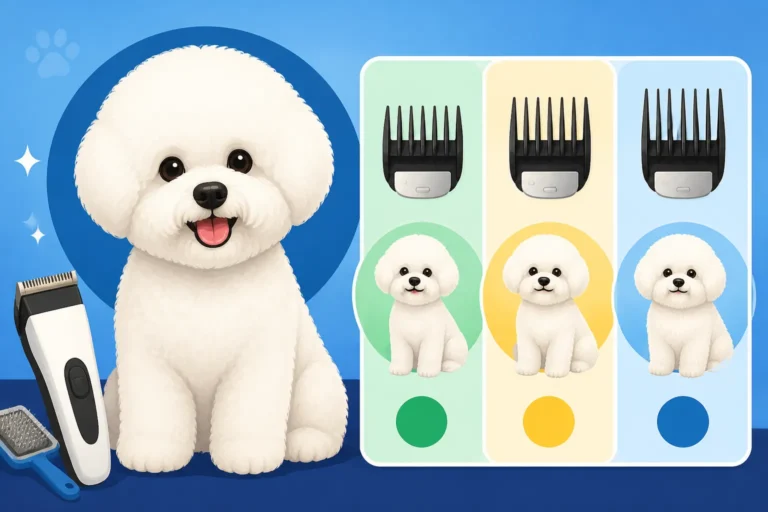
Your senior Bichon's grooming routine will likely need some adjustments to accommodate their thinning coat and potentially more sensitive skin. The goal is to be gentle and consistent. Daily, soft brushing with a flexible slicker brush or a natural bristle brush can help distribute natural oils, stimulate circulation in the skin, and prevent any thinner areas from matting. However, avoid vigorous brushing that could irritate sensitive skin. When it comes to bathing, opt for gentle, moisturizing shampoos specifically designed for sensitive skin or senior dogs. Avoid harsh chemicals or overly fragranced products. Regular baths are still important for a Bichon to keep their white coat clean, but ensure thorough rinsing to prevent residue build-up, which can lead to skin irritation. If your Bichon's coat is truly thinning significantly, you might even find that a slightly shorter, practical clip is more comfortable for them and easier to maintain, rather than trying to preserve the full 'powder puff' look. This is a practical consideration for many owners, and you can explore more about this in Whether an Old Bichon Frise Should Be Kept Clipped.
Regular Veterinary Check-ups
There's no substitute for regular veterinary care, especially as your Bichon Frise ages. Annual or even bi-annual check-ups (if your vet recommends) are absolutely essential for senior dogs. These visits allow your vet to perform thorough physical examinations, blood tests, and sometimes even urinalysis, which can catch underlying health issues like hormonal imbalances, kidney disease, or other conditions that might manifest as coat changes. Early detection is key, as many conditions, such as hypothyroidism or early-stage Cushing's, can be managed with medication, improving both your dog's overall health and the condition of their coat. Don't hesitate to bring up any changes you've noticed, no matter how subtle they seem. Your vet is your best partner in navigating the health challenges of Caring for a Bichon Frise Past Eleven, ensuring your beloved companion enjoys their golden years with comfort and dignity.
Practical Tips for Owners of Senior Bichon Frises
Caring for an aging Bichon Frise means being extra observant and making some thoughtful adjustments to their daily life. Their needs evolve, and a little extra consideration can go a long way in ensuring their comfort and well-being.
Environmental Considerations
A thinning coat can leave your senior Bichon more vulnerable to environmental factors. In colder weather, their diminished insulation means they might feel the chill more acutely. A cozy sweater or coat during outdoor walks can make a huge difference, protecting them from the elements and keeping them warm. Conversely, on sunny days, areas with thinner fur, especially on the back or ears, can be more susceptible to sunburn. Consider using dog-safe sunscreen on exposed areas or limiting their time in direct sun during peak hours. Indoors, ensure they have a comfortable, well-padded bed that supports their aging joints and prevents pressure sores, which can sometimes lead to localized hair loss. Soft blankets and easily accessible resting spots will make a senior Bichon feel secure and cozy, particularly if they are no longer as agile as they once were.
Monitoring and Documentation
Becoming an active participant in your senior Bichon's health monitoring is incredibly empowering. Keep a simple journal or use a notebook to jot down any changes you observe in their coat, skin, appetite, thirst, energy levels, or bathroom habits. Note the date you first saw a change, how it progressed, and any other symptoms present. This detailed record will be invaluable to your veterinarian, helping them piece together the puzzle and arrive at an accurate diagnosis more quickly. For instance, knowing if increased urination started before or after the coat began thinning can provide critical clues. This diligent observation is a testament to your bond and commitment to their health, making it easier for professionals to provide the best care for them as they reach The Age a Bichon Frise Counts as Senior.
Embracing the Changes
While it’s natural to feel a pang of nostalgia for your Bichon’s youthful, full coat, embracing the changes that come with age is an important part of loving a senior dog. Your Bichon may not look exactly like the show dogs you see, or even like their younger self, but their spirit, their love, and their unique personality remain. A thinning coat is simply another chapter in their story. Focus on their overall comfort, health, and happiness. Continue to provide them with gentle affection, engaging (but not overexerting) playtime, and all the love they deserve. Remember that the beauty of a senior Bichon isn't just in their appearance; it's in the years of joy and companionship they've given you, and the precious moments you still have together. For more insights into life with a beloved senior, you might find solace and practical tips in our article, The Average Age a Bichon Frise Reaches.
Disclaimer
This article is for general informational purposes only and does not constitute professional advice. Laws, prices and regulations vary by location and change over time. Consult a qualified professional for guidance on your specific situation.