Whether a Bichon Frise Should Be Bathed More When Itchy
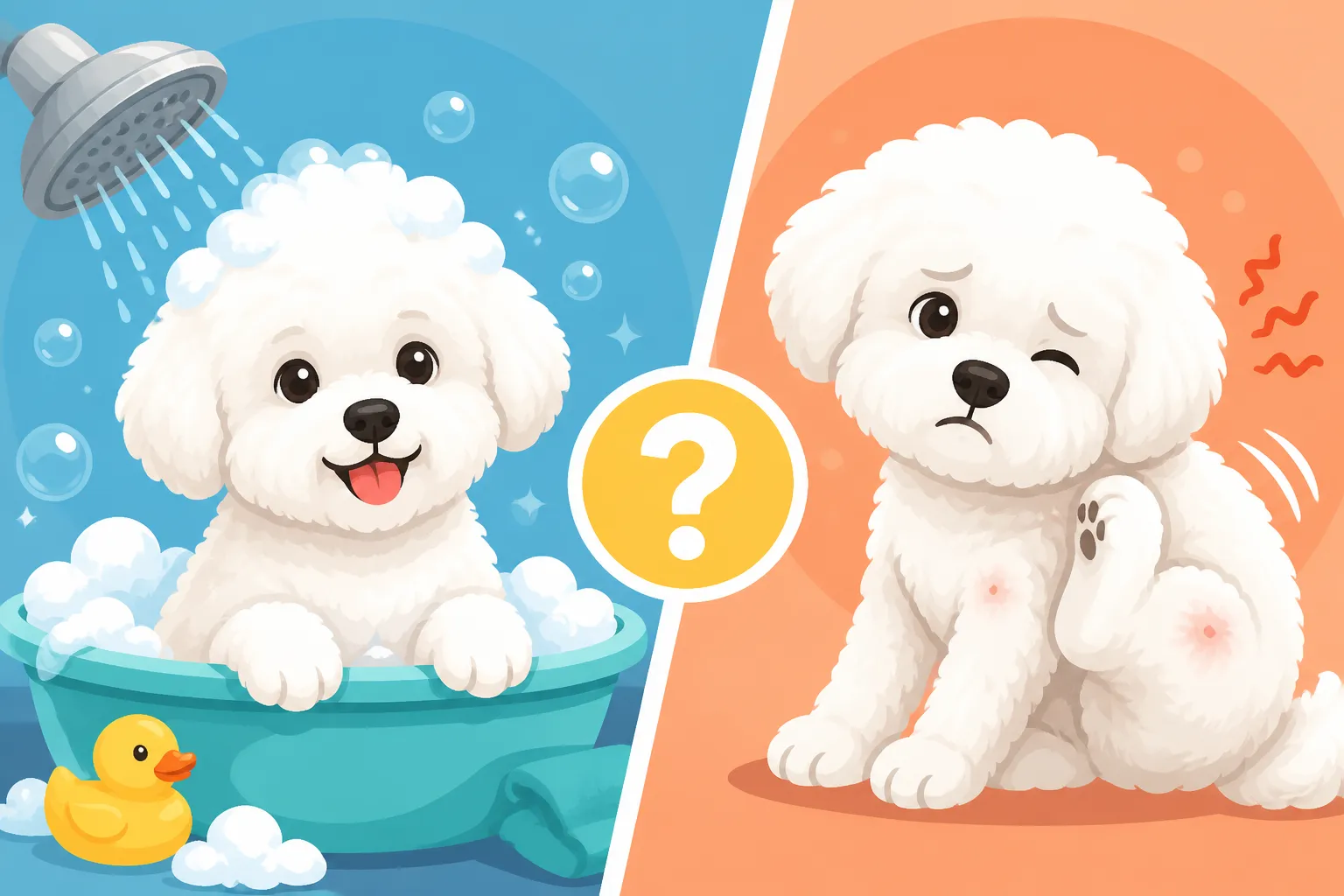
When your adorable Bichon Frise starts scratching relentlessly, licking their paws raw, or rubbing their face against the carpet, it's a heartbreaking sight for any owner. The immediate, instinctual reaction is often to give them a bath, hoping to wash away whatever allergen or irritant is causing such distress. But the question quickly becomes: should you bathe them more often when they're itchy? This comprehensive guide will delve into the complexities of bathing an itchy Bichon, exploring the benefits, potential pitfalls, and how to develop a bathing routine that truly brings relief without inadvertently making things worse.
Understanding the Itchy Bichon Frise
An itchy Bichon isn't just a minor annoyance; it's a significant indicator that something is amiss with their skin health or overall well-being. Their characteristic fluffy, dense white coat, while beautiful, can often mask underlying skin issues until they become quite advanced. Understanding why they might be itchy is the first crucial step before deciding on any treatment, including bathing frequency.
Why Bichons Get Itchy
Bichon Frises, unfortunately, are genetically predisposed to certain conditions that manifest as intense itching. It's not just a random occurrence; there are common culprits that repeatedly affect this breed. Perhaps the most prevalent among these is atopic dermatitis, an inherited allergic skin disease where their immune system overreacts to common environmental allergens like pollen, dust mites, or mold spores. You might notice your Bichon is particularly miserable during certain seasons, which can be a huge clue. It's like having hay fever, but instead of sneezing, they get terribly itchy skin. You can read more about The Atopic Skin a Bichon Frise Is Born With.
Beyond environmental allergies, food allergies can also be a significant factor. While less common than environmental allergies, they can cause year-round itching that doesn't seem to respond to seasonal changes. Imagine trying to soothe your dog's skin when the very food you're giving them is causing the irritation – it's a frustrating cycle for both pet and owner. Parasites, such as fleas or mites, are another common, albeit often overlooked, cause of itching. Even a single flea bite can trigger a severe allergic reaction in some sensitive Bichons, leading to widespread itching far beyond the bite site. Bacterial or yeast infections, often secondary to allergies or excessive moisture, can also cause intense itchiness, redness, and a distinct odor. These infections thrive in compromised skin barriers, which allergies often create.
The Role of Bathing in Skin Health
Bathing isn't just about making your Bichon smell fresh; it's a powerful tool in managing their skin health, especially when they're itchy. For many dogs, a good bath can provide immediate, albeit temporary, relief. Think of it as rinsing away the day's irritants. When your Bichon has been rolling in pollen-laden grass, a bath can physically wash away those allergens from their coat and skin surface, preventing them from being absorbed and triggering an immune response. This physical removal of allergens is a primary benefit, essentially detoxing their skin.
Furthermore, bathing is the delivery system for many topical treatments. Medicated shampoos, specifically formulated for various skin conditions, can deposit active ingredients directly onto the skin. These ingredients might be anti-inflammatory, anti-itch, antibacterial, or antifungal. For example, a shampoo designed to fight yeast infections needs to be in contact with the skin for a specific amount of time to be effective. Without regular bathing, applying these treatments effectively becomes much harder, and their efficacy is greatly reduced. Regular bathing also helps remove dead skin cells, excess oils, and accumulated debris that can contribute to itching and provide a breeding ground for secondary infections. It's a proactive step in maintaining a healthy skin barrier.
The "More Bathing" Question: Is It Always Better?
The immediate urge when your Bichon is scratching seems to be "bath them more!" It feels like a logical solution, and often, it can be. However, it's not a blanket rule, and understanding the nuances is key to providing genuine relief without causing additional problems.
The Benefits of Increased Bathing for Itchy Skin
For many itchy Bichons, increasing bathing frequency, especially with the right products, can be incredibly beneficial. One of the most significant advantages is the physical removal of surface allergens and irritants. Imagine your Bichon prancing through a field of ragweed during allergy season; those tiny pollen grains get trapped deep in their dense coat. A bath literally washes them down the drain, preventing prolonged exposure and reducing the allergic load on their system. This can lead to a noticeable reduction in immediate itching and discomfort.
Beyond removing external irritants, increased bathing frequency allows for more consistent delivery of medicated ingredients directly to the skin. If your veterinarian prescribes a shampoo with antibacterial or antifungal properties to combat a secondary infection, using it more frequently (as directed) ensures those active ingredients are constantly working to resolve the infection. For Bichons suffering from dry, flaky skin, moisturizing shampoos and conditioners used more often can help rehydrate the skin barrier, reducing the tight, uncomfortable feeling that often accompanies dryness and leads to scratching. The act of bathing itself can also be soothing, providing a temporary cooling effect to inflamed skin, much like a cool compress for a rash. This short-term relief can break the cycle of incessant scratching, giving the skin a chance to calm down. You can learn more about Whether Medicated Baths Help a Bichon Frise.
Potential Downsides and Risks of Over-Bathing
While bathing can be a lifeline for an itchy Bichon, there's a fine line between beneficial frequency and over-bathing. The biggest risk lies in stripping the skin's natural protective barrier. The skin has a delicate balance of oils and beneficial microorganisms that form a crucial defense against irritants and pathogens. Using harsh shampoos too often, or even appropriate shampoos too frequently without proper conditioning, can strip away these natural oils, leading to excessive dryness. Dry skin itself becomes itchy, flaky, and prone to cracking, creating a vicious cycle where you bathe to stop itching, but the bathing makes the skin drier and itchier.
Another concern is the potential for exacerbating underlying conditions or even introducing new ones. Overly wet skin that isn't dried properly can create a warm, moist environment ripe for bacterial or yeast infections to flourish, especially in the folds of skin or dense undercoat. Some Bichons might also develop contact dermatitis if they react negatively to certain ingredients in a shampoo. This is why patch testing new products or discussing them with your vet before widespread use is always a good idea. Furthermore, frequent bathing can be stressful for some dogs, especially if they aren't accustomed to it or if the process itself is uncomfortable due to their skin condition. This stress can elevate cortisol levels, which can also negatively impact skin health over time. It's a delicate balance, and careful observation of your Bichon's skin and reaction to bathing is crucial.
Crafting the Right Bathing Routine for an Itchy Bichon
Deciding on the perfect bathing routine for an itchy Bichon isn't a one-size-fits-all solution. It requires careful consideration, often starting with professional guidance, and a selection of products specifically designed to support their sensitive skin.
Consulting Your Veterinarian First
Before you start adjusting your Bichon's bathing schedule dramatically, the most critical step is to consult your veterinarian. They can help diagnose the root cause of the itching. Is it allergies, parasites, a secondary infection, or a combination? Without a proper diagnosis, you might be treating the symptom (itching) without addressing the underlying problem, leading to ongoing frustration and discomfort for your furry friend. Your vet might recommend diagnostic tests such as skin scrapings to look for mites, cytology to check for yeast or bacterial infections, or even allergy testing to pinpoint specific environmental allergens. They might also suggest an elimination diet to rule out food allergies.
Once a diagnosis is made, your vet can recommend a tailored bathing protocol. This includes advising on the appropriate frequency of baths and, crucially, prescribing or recommending specific medicated shampoos. These professional-grade products often contain active ingredients like chlorhexidine for bacterial infections, miconazole for yeast, or pramoxine for itch relief, which are much more effective than general pet shampoos. They can guide you on how long to leave the shampoo on the skin (contact time) and how to thoroughly rinse your Bichon to prevent residue build-up. Sometimes, a referral to a veterinary dermatologist, a specialist in skin conditions, might be warranted for complex or stubborn cases. A dermatologist has advanced tools and knowledge to get to the bottom of chronic itching. Knowing What a Dermatology Referral Costs for a Bichon Frise can help you budget for this important step.
Choosing the Right Shampoos and Conditioners
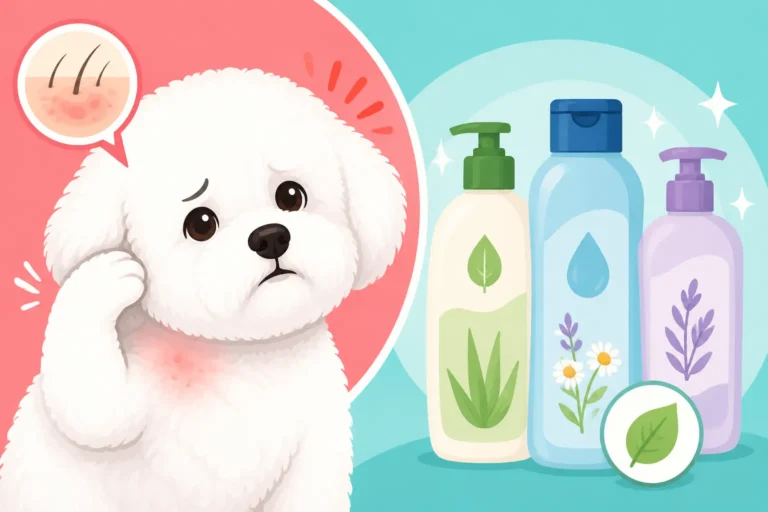
Selecting the right shampoo and conditioner is paramount when dealing with an itchy Bichon's sensitive skin. It's not just about what smells good; it's about what ingredients will genuinely help. For general itching due to environmental allergies, a hypoallergenic, soap-free, and oatmeal-based shampoo is often a good starting point. These formulations are designed to be gentle, reduce irritation, and soothe the skin without stripping its natural oils. Look for ingredients like colloidal oatmeal, aloe vera, and essential fatty acids.
If your Bichon has a diagnosed bacterial or yeast infection, your vet will likely prescribe a medicated shampoo. These might contain chlorhexidine (antibacterial), miconazole (antifungal), or a combination. It's vital to use these exactly as directed, including the recommended contact time (often 5-10 minutes) to allow the active ingredients to work. Following up with a good conditioner is also crucial, especially with medicated shampoos, as they can sometimes be drying. A moisturizing conditioner will help restore the skin barrier, lock in moisture, and leave the coat softer. Many pet owners find a good selection of these specialized products at online retailers like Chewy or Amazon, where they can often read reviews and compare ingredients after getting a vet recommendation. Understanding Which Shampoo Suits an Itchy Bichon Frise is a key part of managing their skin.
Proper Bathing Techniques for Sensitive Skin
The way you bathe your itchy Bichon is just as important as how often you do it and what products you use. A rushed, improperly executed bath can do more harm than good. First, always use lukewarm water – never hot, as hot water can further irritate inflamed skin and increase itching. Before applying shampoo, thoroughly wet your Bichon's entire coat down to the skin. This ensures even distribution of the shampoo and helps it lather effectively.
When applying shampoo, work it gently into the coat and skin, paying special attention to commonly itchy areas like the armpits, groin, paws, and under the tail. Avoid vigorous scrubbing, which can further inflame sensitive skin. For medicated shampoos, adhere strictly to the contact time recommended by your vet; this might mean a leisurely massage or even standing with your dog in the tub for several minutes. This 'soak time' is when the active ingredients really get to work. The most critical step is rinsing. You absolutely must rinse, rinse, and then rinse again until you are certain all shampoo residue is gone. Any leftover shampoo can dry on the skin and become an irritant itself, leading to more itching and flaking. Many new owners underestimate how long this takes for a dense Bichon coat. Finally, gently pat your Bichon dry with a soft towel, avoiding harsh rubbing. If using a dryer, keep it on a cool or low-heat setting and move it constantly to prevent skin burns. You can find more detail on Whether Rinsing a Bichon Frise Thoroughly Matters.
Beyond the Bath: Holistic Management for Itchy Bichons
While bathing is a vital component of managing an itchy Bichon, it's rarely the sole solution. A truly effective approach often involves a combination of dietary adjustments, environmental controls, and other supportive treatments to address the full spectrum of their skin health needs.
Dietary Considerations
The food your Bichon eats plays a significant role in their overall health, including the condition of their skin. For Bichons with suspected food allergies, a dietary elimination trial, guided by your vet, is often the most effective way to identify specific triggers. This typically involves feeding a novel protein diet (one your dog has never eaten before, like duck or venison) or a hydrolyzed protein diet (where proteins are broken down into tiny pieces too small to trigger an allergic reaction) for 8-12 weeks. During this period, no other treats, table scraps, or flavored medications can be given. It can be challenging, but it's often the only way to get a clear picture. After the trial, if symptoms improve, specific ingredients are reintroduced one by one to pinpoint the culprits.
Even if food allergies aren't the primary issue, a high-quality, balanced diet rich in essential fatty acids (like Omega-3s) can significantly support skin and coat health. These fatty acids help maintain the skin barrier's integrity, reduce inflammation, and promote a healthy, shiny coat. You might consider looking into fresh-cooked or high-quality kibble options. Brands like Ollie offer fresh, human-grade food that can be beneficial for sensitive dogs, though always consult with your vet before making a major dietary switch, especially for specific medical conditions. A good diet is a cornerstone of overall well-being, and it can make a real difference in reducing chronic itchiness. Whether an Elimination Diet Helps a Bichon Frise explores this further.
Environmental Management and Other Treatments
Managing your Bichon's itchy skin extends far beyond what goes into their bowl or on their coat. Environmental control, especially for those with atopic dermatitis, is crucial. If pollen is a trigger, limiting outdoor exposure during peak pollen times, wiping down their paws and muzzle after walks, and bathing more frequently during those seasons can help. Regularly vacuuming and cleaning with allergen-reducing products can minimize dust mites in the home. Air purifiers can also play a role in reducing airborne allergens. It's often surprising how much pollen can accumulate on their coat after a simple walk, which is why Whether Pollen on the Coat Makes a Bichon Frise Itch is a relevant concern.
Beyond diet and environmental adjustments, your vet might recommend a range of other treatments. Topical wipes or sprays can be used between baths for quick relief or to target specific itchy spots. Omega-3 fatty acid supplements, in consultation with your vet, can provide additional anti-inflammatory support. For more severe or persistent cases, prescription medications are often necessary. These can include antihistamines, corticosteroids (for short-term severe flare-ups), or newer medications like Apoquel or Cytopoint. Apoquel works by targeting the specific pathways that cause itching and inflammation, offering quick relief. Cytopoint is an injectable antibody treatment that targets a key protein involved in the itch sensation, providing long-lasting relief for many dogs. Both of these are powerful tools for managing chronic allergies but require a veterinarian's guidance. You can research Whether a Bichon Frise Can Take Apoquel Instead or Whether Cytopoint Suits a Bichon Frise for more information.
In summary, managing an itchy Bichon Frise is a holistic endeavor. It combines appropriate bathing routines with careful dietary choices, environmental controls, and often, veterinary-prescribed medications or supplements. Consistent communication with your vet is the best way to develop a comprehensive plan that provides lasting relief for your beloved companion.
Different Shampoos for Itchy Bichon Frise Skin
Choosing the right shampoo is critical when your Bichon Frise is suffering from itchy skin. The active ingredients and purpose can vary greatly, so understanding the types available will help you make an informed decision with your veterinarian.
| Shampoo Type | Primary Purpose | Key Ingredients (Examples) | Benefits for Itchy Bichon | Considerations |
|---|---|---|---|---|
| Hypoallergenic/Gentle | Cleansing without irritation, suitable for sensitive skin. | Oatmeal, aloe vera, gentle surfactants. | Soothes, moisturizes, avoids harsh chemicals. | Not medicated; won't treat infections directly. |
| Medicated (Antimicrobial) | Treating bacterial or yeast infections. | Chlorhexidine, miconazole, ketoconazole. | Kills bacteria/yeast, reduces inflammation. | Requires vet prescription/guidance; specific contact time needed. |
| Medicated (Anti-itch/Soothing) | Providing quick relief from intense itching. | Pramoxine, hydrocortisone, colloidal oatmeal. | Provides immediate, temporary itch relief. | Often combined with other treatments; not a cure. |
| Moisturizing/Conditioning | Restoring skin barrier, preventing dryness and flaking. | Ceramides, essential fatty acids, glycerin. | Hydrates skin, reduces dryness-related itch. | Best used in conjunction with other treatments, especially after medicated baths. |
| Degreasing/Follicular Flushing | Removing excess oil, scaling, or debris. | Salicylic acid, benzoyl peroxide, sulfur. | Helps clear clogged pores, flaky skin. | Can be drying; usually for specific conditions like seborrhea. |
Disclaimer
This article is for general informational purposes only and does not constitute professional advice. Laws, prices and regulations vary by location and change over time. Consult a qualified professional for guidance on your specific situation.