Whether Oatmeal Shampoo Helps a Bichon Frise
It's incredibly disheartening when your sweet Bichon Frise can't stop scratching, isn't it? You see them digging, chewing at their paws, or rubbing their face against the furniture, and your heart just aches for them. You've probably tried a few things, from changing their food to wiping their paws, all in a bid to find some relief for that incessant itch. This guide will dive deep into whether oatmeal shampoo can actually make a difference for your Bichon's irritated skin, and how to use it effectively to bring some comfort back into their lives.
Why Oatmeal Shampoo Is a Go-To for Itchy Skin
When a Bichon Frise starts scratching more than usual, many of us naturally look for gentle, soothing solutions. Oatmeal shampoo often comes up as a popular choice, and for good reason! It's a classic remedy that's been used for human skin for ages, and its benefits extend wonderfully to our canine companions, especially those with sensitive coats like our Bichons.
The Science Behind Colloidal Oatmeal for Skin Relief
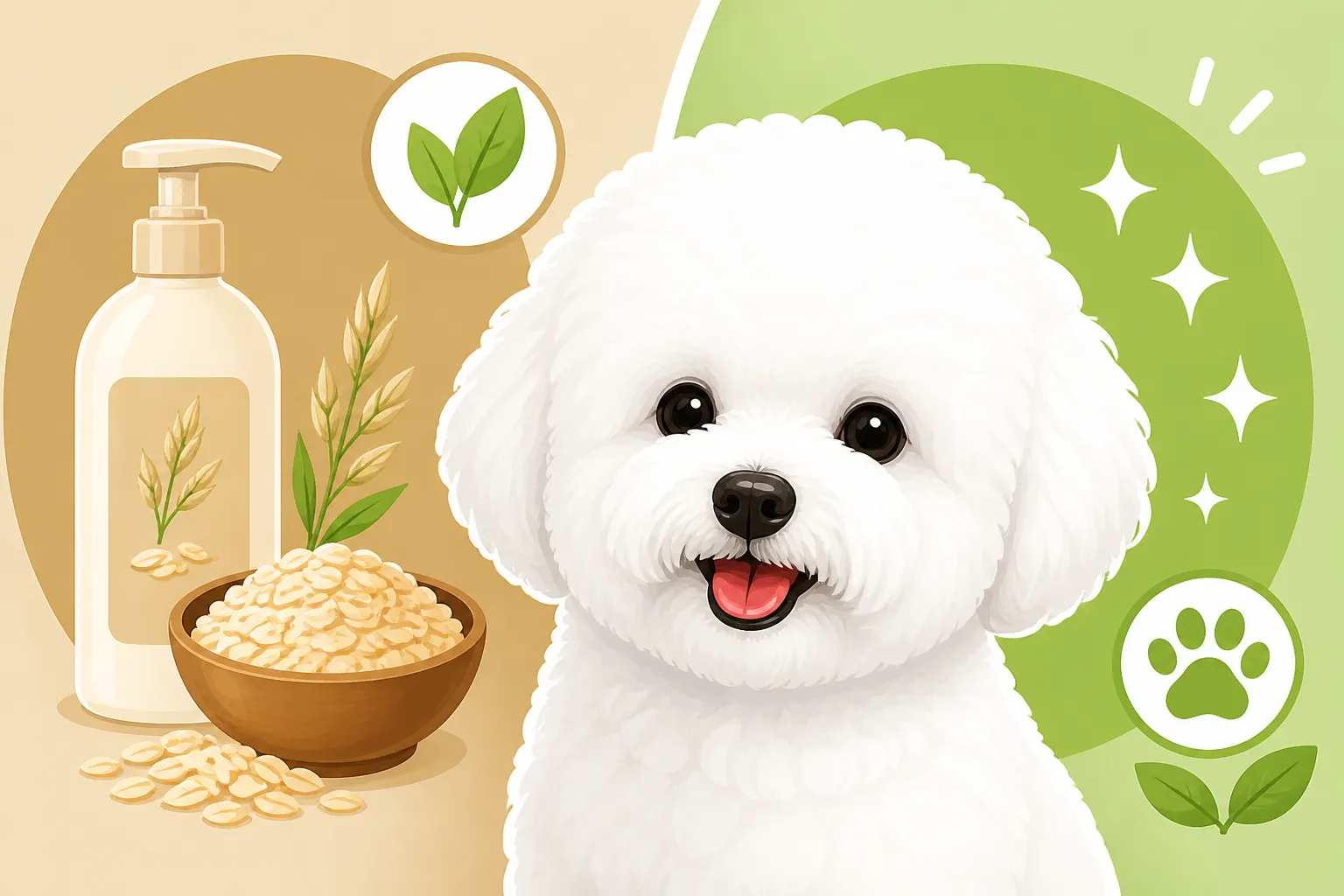
Colloidal oatmeal isn't just regular breakfast oats ground up; it's a specific type of oat flour that's processed to dissolve in water, forming a protective, soothing barrier on the skin. When your Bichon is battling dry, flaky skin or a mild rash, this tiny powerhouse can be a true lifesaver. It contains compounds called avenanthramides, which are natural anti-inflammatories and antihistamines. Think of it as a tiny shield and a calm-down crew for angry skin cells.
These amazing compounds work to reduce the redness and swelling that often accompany itching. Beyond that, colloidal oatmeal is rich in fats, proteins, vitamins, and minerals, all of which contribute to its moisturizing properties. It helps to replenish the skin's natural lipid barrier, which can become compromised and dry, especially in breeds prone to skin sensitivities. By doing so, it locks in moisture, preventing further dryness and irritation, and helps to maintain the skin's natural pH balance, which is crucial for overall skin health. For a Bichon whose delicate skin might feel raw and exposed, a good oatmeal shampoo offers a much-needed layer of protection and gentle healing.
Common Itchy Skin Issues in Bichons That Oatmeal Can Address
Bichon Frises, with their beautiful white coats and often sensitive skin, can fall victim to various irritants that lead to itching. Oatmeal shampoo is particularly effective for several common scenarios. Dry skin, for instance, can be a major culprit, especially during dry indoor heating seasons or in arid climates. This dryness can lead to flakiness and an uncomfortable, persistent itch that drives your poor pup crazy. A gentle oatmeal shampoo can infuse much-needed moisture back into the skin, alleviating that parched feeling.
Another common issue is mild environmental allergies or seasonal irritants. Perhaps your Bichon romped in a patch of grass that caused a slight contact irritation, or they're reacting to common household dust. While it won't cure a severe underlying allergy, an oatmeal bath can wash away irritants from the coat and skin, while simultaneously soothing the immediate reaction. It provides temporary relief from the itch and helps reduce inflammation. However, it's important to differentiate between mild, transient itching and more severe, persistent conditions like full-blown atopic dermatitis, which often requires a more comprehensive veterinary approach. If you suspect your Bichon is dealing with something more serious, you might want to look into What Atopic Dermatitis Does to a Bichon Frise and consult your vet.
How to Choose and Use Oatmeal Shampoo Effectively for Your Bichon Frise
So, you’re convinced oatmeal shampoo could be a good fit for your fluffy friend. But not all oatmeal shampoos are created equal, and using them correctly is just as important as choosing the right one. It's not just about squirting it on and rinsing; there’s a little more nuance involved to ensure your Bichon gets the maximum benefit without causing further irritation.
Key Ingredients to Look For (and Avoid)
When you're standing in the pet aisle or scrolling through options on Chewy or Amazon, the sheer number of choices can be overwhelming. For your Bichon Frise, the key is to look for shampoos that prioritize simplicity and purity. The best oatmeal shampoos will clearly list "colloidal oatmeal" as a primary ingredient. Beyond that, seek out formulas that are labeled "hypoallergenic" or "for sensitive skin," as these are generally free from common irritants. Look for gentle, plant-derived surfactants (cleansing agents) and steer clear of harsh chemicals like sulfates, parabens, and phthalates.
Artificial fragrances and dyes are also big no-nos for sensitive Bichon skin. While we humans might enjoy a beautifully scented shampoo, those artificial perfumes can be incredibly irritating and even trigger allergic reactions in dogs. Your goal is relief, not a fragrant new itch! Some beneficial complementary ingredients to look for include aloe vera for extra soothing, or omega fatty acids for skin health. Always read the ingredient list carefully, turning the bottle around to make sure there are no hidden nasties.
To help you navigate the choices, here's a quick guide:
| Category | Look For | Avoid |
|---|---|---|
| Main Ingredient | Colloidal Oatmeal (high on ingredient list) | Regular ground oats (not colloidal), minimal or no oatmeal |
| Cleansing Agents | Mild, plant-derived surfactants, soap-free | Sulfates (e.g., Sodium Lauryl Sulfate, Sodium Laureth Sulfate), harsh detergents |
| Additives | Aloe Vera, Vitamin E, Omega Fatty Acids, Glycerin | Artificial fragrances, synthetic dyes, parabens, phthalates, formaldehyde |
| Labeling | Hypoallergenic, for Sensitive Skin, pH Balanced | "Strong Scent," "Deep Cleaning" (unless specifically formulated for sensitive skin) |
The Bathing Process for Maximum Relief
Once you’ve got the perfect bottle of oatmeal shampoo, the bathing process itself needs to be a calm, thorough affair to ensure your Bichon gets the full therapeutic effect. First, brush your Bichon before the bath to remove any loose hair and tangles. This helps the shampoo reach the skin more effectively and prevents mats from tightening when wet. Next, gently wet your dog's entire coat with lukewarm water. Make sure to get them thoroughly soaked, down to the skin, but avoid spraying water directly into their ears or eyes.
Now, apply a generous amount of the oatmeal shampoo. Work it into a lather, massaging it gently into their coat and down to their skin. Pay special attention to areas where they seem particularly itchy or irritated. The crucial step here is to let the shampoo sit for the recommended time – usually 5-10 minutes. This isn't a quick rinse! This "soak time" allows the colloidal oatmeal to work its magic, forming that protective barrier and delivering its soothing properties directly to the inflamed skin. Use this time to give your Bichon a gentle massage, making it a positive experience.
Finally, and this is absolutely critical, rinse your Bichon thoroughly. And by thoroughly, I mean really thoroughly. Any shampoo residue left on the skin can actually become an irritant itself, leading to more itching, flakiness, and even potential infections. Rinse, rinse, and then rinse again, running your hands through their coat to ensure all traces of suds are gone. You'll want to make sure you rinse their paws especially well, as residue here can lead to licking and further irritation – something we often discuss when talking about Whether a Bichon Frise's Paws Need Rinsing. A lukewarm final rinse is often best. The importance of rinsing completely cannot be overstated, as you can read more about in Whether Rinsing a Bichon Frise Thoroughly Matters. After the bath, gently towel dry and consider a cool, low-setting blow dry if your Bichon tolerates it, making sure they are completely dry to prevent skin issues.
When Oatmeal Shampoo Isn't Enough: Recognizing Deeper Issues
While oatmeal shampoo can be a wonderful, soothing aid for many mild skin irritations, it's not a magic bullet for every problem. There are times when a superficial itch indicates something much deeper going on, something that needs more than just a calming bath. As responsible Bichon parents, it's vital to recognize when the issue has escalated beyond the scope of a home remedy and requires professional veterinary attention. Ignoring these signs could lead to prolonged discomfort for your dog and potentially more serious health complications.
Signs Your Bichon Needs More Than Topical Treatment
If you've been consistently using oatmeal shampoo and your Bichon's itching persists, or even worsens, it’s a clear signal that it's time to dig deeper. Look out for these red flags: constant scratching, licking, or chewing that doesn't let up, despite regular bathing. You might notice visible changes to their skin – areas of intense redness, inflammation, scabs from constant scratching, or hot spots where they've created an open wound through excessive licking. Hair loss in patches or widespread thinning of the coat is another concerning symptom.
Beyond generalized skin issues, specific local irritations might also pop up. Does your Bichon shake their head frequently or scratch at their ears? This could point to Recurrent Ear Infections in a Bichon Frise, which are often linked to underlying allergies or yeast overgrowth. Speaking of yeast, if you notice a yeasty, somewhat sweet or cheesy smell coming from their skin, particularly in skin folds, between their toes, or around their ears, this could be a sign of Whether a Bichon Frise Gets Yeast on Its Skin, which oatmeal shampoo alone won't eradicate. These signs indicate that the initial irritant has either progressed or was never the primary problem to begin with, and a vet visit is essential.
Consulting Your Vet for a Comprehensive Diagnosis
When these more serious signs emerge, your veterinarian becomes your most important ally. Attempting to self-diagnose or relying solely on topical solutions for a prolonged period can delay effective treatment and exacerbate your Bichon's discomfort. A vet can conduct a thorough examination, which might involve skin scrapings to check for mites, cytology to identify bacterial or yeast infections, or even blood tests to look for systemic issues. They can accurately pinpoint the root cause of the itching, whether it's allergies (food or environmental), parasites, bacterial infections, fungal issues, or even a less common condition.
Once a diagnosis is made, your vet can recommend a targeted treatment plan. This might include prescription medicated shampoos that contain specific antifungal or antibacterial agents, oral medications like antibiotics, antifungals, or anti-itch drugs. In cases of confirmed allergies, they might suggest allergy testing and subsequent immunotherapy, or discuss newer, non-steroidal options for managing chronic itching. It's a journey, and sometimes it requires a referral to a veterinary dermatologist, which can involve a certain cost but offers specialized expertise for complex skin conditions. Understanding What a Dermatology Referral Costs for a Bichon Frise can help you prepare. Rest assured, there are many avenues for managing sensitive skin beyond steroids, and your vet can help explore options for Managing a Bichon Frise's Skin Without Steroids.
Integrating Oatmeal Shampoo into a Holistic Skin Care Routine
For Bichons with chronically sensitive skin, oatmeal shampoo is often best viewed as one component of a broader, holistic skin care strategy rather than a standalone fix. Think of it as a helpful tool in your grooming kit, supporting overall skin health when combined with other mindful practices. By creating a comprehensive routine, you can maximize your Bichon’s comfort and significantly reduce the frequency and severity of skin flare-ups.
Complementary Practices for Healthy Bichon Skin
A healthy coat and comfortable skin start from within, making diet a critical factor. Ensure your Bichon is on a high-quality, balanced diet. Sometimes, food sensitivities can manifest as skin issues, and your vet might recommend an elimination diet to identify potential triggers, which can be a process worth considering if you're struggling with persistent itching. If you're exploring dietary changes, reputable brands like Ollie offer fresh, customized meal plans that some owners find beneficial, but always discuss with your vet first, especially if your dog has existing health conditions. Don't forget the power of hydration; ensuring your Bichon drinks plenty of fresh water helps keep their skin supple and healthy from the inside out.
Beyond diet, consistent grooming is non-negotiable for a Bichon Frise. Regular brushing, even daily, helps to distribute natural skin oils, remove loose hair and environmental allergens, and prevent matting which can irritate the skin. Depending on their coat length and lifestyle, your Bichon might need a full groom every four to six weeks. You can learn more about this in How Often a Bichon Frise Needs Grooming. After walks, especially during allergy season, a quick wipe down of their paws and belly can remove pollen and other irritants before they can settle into the coat and cause problems. This proactive approach significantly reduces the "itch load" on their system.
Long-Term Management and Prevention of Skin Irritations
Managing a Bichon Frise's sensitive skin is often a marathon, not a sprint. Consistency is key in all aspects of their care. Regular bathing with a gentle oatmeal shampoo, spaced appropriately as advised by your vet (which might be anywhere from weekly to bi-weekly, depending on their needs and Whether Medicated Baths Help a Bichon Frise), helps to keep their skin clean and soothed. But you also need to think about their environment. Controlling dust mites, using hypoallergenic bedding, and cleaning regularly can make a big difference for Bichons with environmental allergies. During high pollen seasons, limiting outdoor exposure during peak pollen times and wiping them down after walks can significantly reduce exposure.
Keep a close eye on your Bichon for any changes in their scratching habits or skin condition. Skin issues can sometimes evolve or change with the seasons, or as your dog ages. Many Bichon owners find that their dog's allergies seem to worsen over time, which is a common concern detailed in Whether a Bichon Frise's Allergies Get Worse With Age. By being observant and proactive, you can often address minor irritations before they escalate into something more serious. If you live in an area with high pollen counts, or if you notice seasonal flare-ups, taking steps to reduce pollen on their coat and skin, as discussed in Whether Pollen on the Coat Makes a Bichon Frise Itch, can be a game-changer. It's about creating a lifestyle that supports healthy skin, making your Bichon's comfort a priority every single day.
Disclaimer
This article is for general informational purposes only and does not constitute professional advice. Laws, prices and regulations vary by location and change over time. Consult a qualified professional for guidance on your specific situation.