Whether Rinsing a Bichon Frise Thoroughly Matters
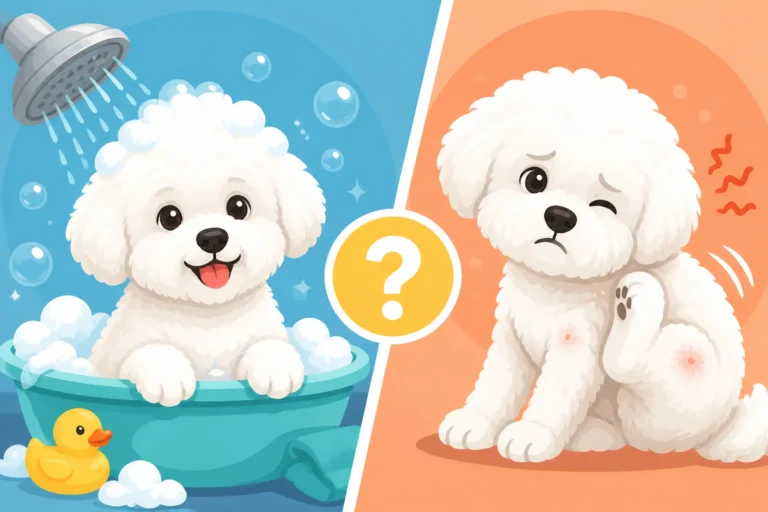
There's nothing quite like the feeling of bathing your beloved Bichon Frise, getting them all fluffy and clean, only to have them start scratching incessantly a day or two later. It's incredibly frustrating when you've put in all that effort, and it seems like the bath might have made things worse. This guide will walk you through why thorough rinsing is not just a suggestion, but an absolute necessity for your Bichon's comfort and coat health, and how to master this crucial step.
Why Thorough Rinsing is Non-Negotiable for Bichons
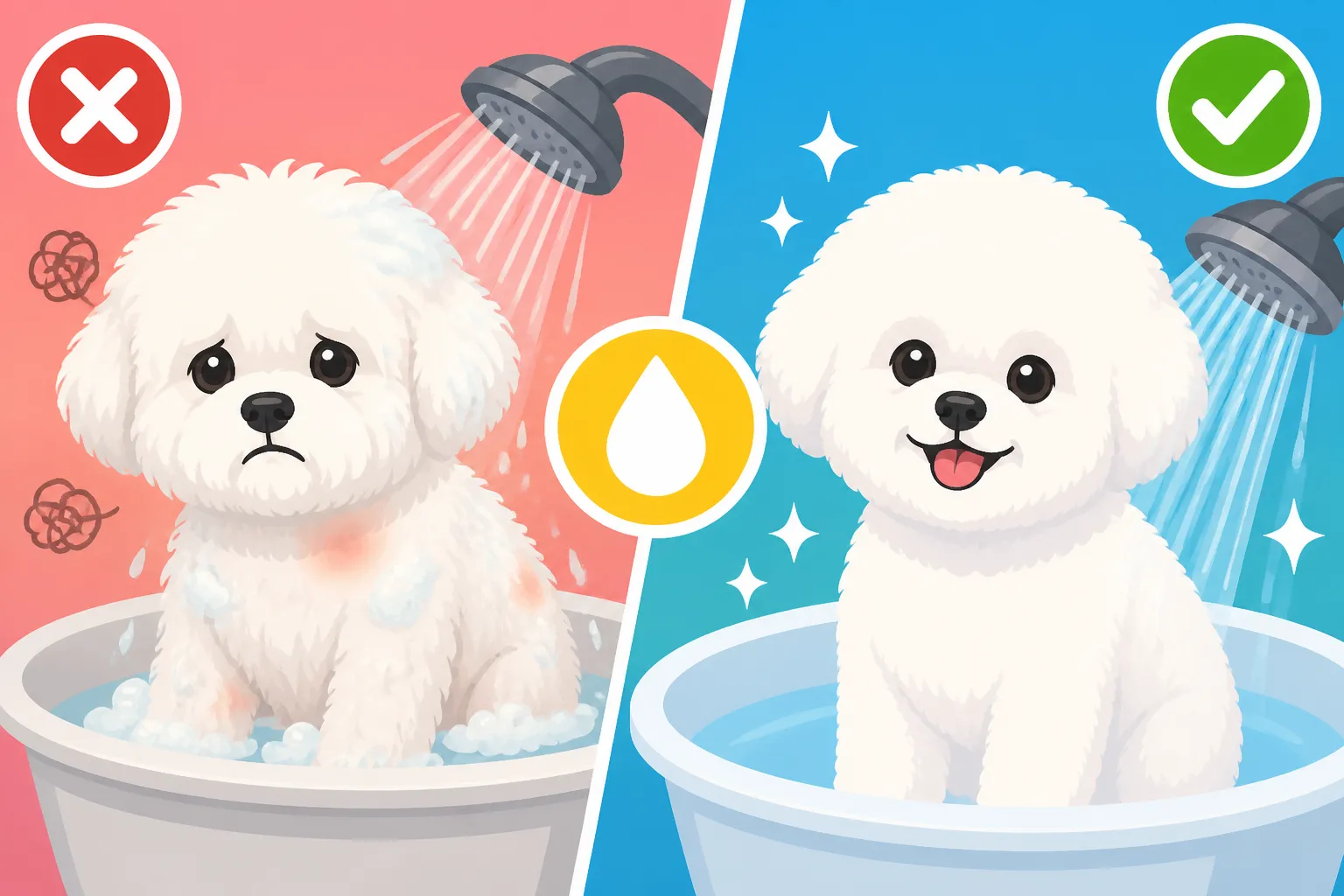
You might think "rinse until the bubbles are gone" is enough, but for a Bichon Frise, that's often just the beginning. Their unique coat and delicate skin are particularly prone to problems if even a tiny bit of shampoo or conditioner residue is left behind. This isn't just about aesthetics; it's about preventing discomfort and potential health issues.
The Bichon Frise Coat: A Sponge for Residue
The Bichon Frise boasts a glorious double coat – a soft, dense undercoat and a coarser, curly outer coat that gives them their signature "powder puff" look. While this coat is stunning and often described as hypoallergenic (though no dog is truly 100% hypoallergenic, it's about reduced dander!), it's also incredibly efficient at trapping things. Think of it like a dense, fluffy sponge. When you apply shampoo, it works its way deep into this intricate network of hair fibers. If you don't rinse thoroughly, that shampoo isn't going anywhere. It settles deep down, clinging to the individual hairs and, more importantly, to the skin beneath. This residue acts as a magnet for dirt and allergens, defeats the purpose of the bath entirely, and can quickly become a major irritant. The sheer volume and texture of their coat mean that water alone, even for a long time, won't dislodge everything. You really need to work at it.
Skin Irritation and Residue: A Recipe for Itchiness
Imagine leaving a tiny bit of soap on your own skin after a shower. You'd feel dry, itchy, and uncomfortable, wouldn't you? Your Bichon Frise experiences the same, if not worse. Their skin, particularly for a breed already prone to sensitivities like The Atopic Skin a Bichon Frise Is Born With, can react strongly to lingering chemical residues from shampoos and conditioners. This residue can strip natural oils, leading to dryness and flakiness, or conversely, it can create a sticky layer that clogs pores and traps moisture, leading to a whole different set of problems. The immediate result is often intense itching, rubbing, and scratching, which can further damage the skin, creating a vicious cycle of irritation and self-trauma. You might find your usually cheerful companion suddenly agitated, licking their paws or scratching behind their ears more than usual.
Matting and Dullness: The Visible Consequences
Beyond the discomfort, incomplete rinsing takes a serious toll on your Bichon's beautiful coat. Shampoo residue can make the hair stiff and sticky, accelerating the formation of mats and tangles, especially in delicate areas like behind the ears, under the armpits, and around the sanitary regions. These mats are not only painful to remove but also provide an ideal environment for moisture and bacteria, leading to further skin issues. Moreover, instead of that bright, sparkling white you're aiming for, residue dulls the coat, making it look dingy and even yellowed. It prevents the light from reflecting properly off the clean, smooth hair shafts, robbing your Bichon of their signature pristine appearance. You'll spend all that time on The Powder Puff Outline a Bichon Frise Is Scissored Into, only for it to look less than its best because of leftover product.
The Hidden Dangers of Improper Rinsing
It’s easy to dismiss a little leftover shampoo as a minor cosmetic issue, but for a Bichon Frise, it can escalate into significant health problems. Their predisposition to certain conditions means we need to be extra vigilant about their skin and coat care.
Yeast and Bacterial Overgrowth: Fueling Skin Infections
The warm, moist environment of a dense, un-rinsed Bichon coat, combined with a layer of sticky residue, creates an absolute paradise for yeast and bacteria. These microscopic organisms, which are naturally present on the skin, can multiply rapidly when conditions are favorable, leading to uncomfortable and often painful skin infections. You might start to notice a peculiar, musty odor, reddened skin, or even tiny bumps and scabs. This is often what leads to your Bichon rubbing their face on the carpet or constantly licking their paws raw. Conditions like Whether a Bichon Frise Gets Yeast on Its Skin thrive in these circumstances, and once an infection takes hold, it can be stubborn and expensive to treat, sometimes requiring medicated shampoos or even oral antibiotics.
Allergic Reactions and Sensitivities: Exacerbating Existing Issues
Many Bichons are predisposed to allergies, whether environmental (like pollen) or food-related. This inherent sensitivity means their skin is already on high alert. Leaving behind irritating shampoo chemicals is like pouring salt on a wound. Even if your Bichon doesn't have overt allergies, the constant irritation from residue can trigger an inflammatory response, mimicking allergic symptoms. For those already suffering from What Atopic Dermatitis Does to a Bichon Frise, incomplete rinsing can significantly worsen their condition, leading to more intense itching, redness, and the potential for secondary infections. It becomes incredibly difficult to discern whether the itching is due to their underlying allergy or simply poor bathing technique, complicating diagnosis and treatment.
Ear Infections: A Common Overlap
While ear infections might seem unrelated to rinsing the body, they are frequently intertwined with overall bathing practices in Bichons. Bichons have floppy ears with a thick covering of hair, which makes them prone to trapping moisture and debris. If water, especially soapy water, gets into the ear canal during bathing and isn't properly cleaned out and dried, it creates a prime breeding ground for bacteria and yeast, similar to what happens on the skin. Recurrent Ear Infections in a Bichon Frise are a common complaint for owners, and while factors like ear hair plucking and genetics play a role, a sloppy bath can certainly be a contributing factor. The shampoo residue that irritates the skin on the body can also irritate the delicate skin inside the ear canal if it gets in, leading to inflammation and infection.
Mastering the Art of Rinsing a Bichon Frise
So, how do you ensure your Bichon is truly clean and residue-free? It takes a bit of patience and the right technique, but it's entirely achievable at home. Think of it as a methodical process rather than a quick splash.
Pre-Rinse Prep: Detangling and Dilution
Before you even think about turning on the water, thorough preparation is key. First, brush your Bichon completely through to ensure there are no mats or tangles. Water and shampoo will only tighten existing mats, making them impossible to rinse out and incredibly painful to remove later. A good slicker brush and a metal comb are your best friends here. You want to be able to comb through the coat with no resistance. Second, consider diluting your shampoo. Most quality dog shampoos are concentrated, and diluting them (often 10:1 or even 20:1 water to shampoo) makes them easier to distribute evenly throughout the dense coat and, crucially, much easier to rinse out. You still get all the cleaning power without the thick, sticky lather that can linger. Many groomers recommend this trick. You can find excellent shampoos and conditioners on platforms like Chewy or Amazon, specifically formulated for sensitive skin or white coats.
The Rinsing Technique: Water Flow and Finger Work
This is where the real work happens. Don't just spray water from above. You need to get that water deep into the coat, all the way to the skin.
- Use a sprayer attachment: A shower sprayer or a dedicated pet bathing sprayer with adjustable pressure is invaluable. It allows you to direct a strong, consistent stream of water exactly where you need it.
- Start from the head down: Begin rinsing the head, being careful around the eyes and ears. Hold the ear flaps down to prevent water from entering the ear canal.
- Section by section: Work in small sections, not just the top layer of the coat. Push the hair aside with your fingers and direct the water stream right onto the skin. You should feel the water running clear from underneath the coat, not just off the surface.
- Feel for "squeaky clean": A truly clean, residue-free coat will often feel a little "squeaky" between your fingers when wet. If it still feels slippery or slimy, there's shampoo remaining.
- Rinse longer than you think you need to: This is the golden rule for Bichons. Once you think you're done, rinse for another 2-3 minutes. Seriously. The amount of time you spend rinsing should ideally match or even exceed the time you spent shampooing. Focus on areas where shampoo tends to accumulate, like the neck, chest, armpits, and groin.
Tools for Optimal Rinsing: Sprayers and Conditioners
Having the right tools can make a huge difference. As mentioned, a sprayer attachment is a game-changer. Beyond that, consider the products you're using.
- Pet bathing system: Some systems integrate shampoo and water flow, making distribution and rinsing more efficient.
- Quality conditioner: After thoroughly rinsing out the shampoo, a good conditioner is crucial. It helps to rehydrate the skin and coat, makes detangling easier, and can provide a protective barrier. Just like shampoo, conditioner needs to be rinsed out equally thoroughly. Many people make the mistake of leaving conditioner in, thinking it's beneficial, but it too can cause residue problems. Choose a professional-grade conditioner, available from stores like Chewy, that is designed for deep rinsing.
- Ear cleaner: After the bath, always use a veterinarian-approved ear cleaner to flush out any stray water or shampoo that might have entered the ear canal. This is a simple step that goes a long way in preventing Recurrent Ear Infections in a Bichon Frise.
Beyond the Bath: Post-Rinse Care and Prevention
Your work isn't over once the water stops running. What you do immediately after rinsing, and in between baths, is just as vital for maintaining that healthy, clean Bichon coat.
The Drying Process: Crucial for Preventing Issues
After rinsing, the next critical step is thorough drying. A damp coat, especially a dense Bichon coat, is a breeding ground for bacteria and yeast, even if it's perfectly rinsed. You want to get your Bichon as dry as possible, as quickly as possible.
- Towel dry vigorously: Start by blotting and squeezing out as much water as you can with super-absorbent towels. Don't rub back and forth, as this can tangle the coat. Instead, gently squeeze and pat.
- Use a force dryer: If you don't have one, a force dryer (a high-velocity pet dryer) is one of the best investments you can make for a Bichon. It blasts water out of the coat, significantly reducing drying time and helping to straighten the curls for easier brushing. It also helps you reach the undercoat and ensure the skin is truly dry. If you use a regular human hairdryer, make sure it's on a cool or low-heat setting to avoid burning your dog's skin. Overheating is a real concern.
- Brush while drying: As you dry, continuously brush the coat to prevent matting and ensure even drying. This technique also helps to fluff up the coat, giving your Bichon that perfect "powder puff" look. You can learn more about this in Drying a Bichon Frise Into the Powder Puff Shape. Make sure to lift sections of hair to get to the roots.
Routine Maintenance: Brushing and Spot Cleaning
Proper rinsing is just one part of a comprehensive grooming routine. What you do between baths is equally important for preventing residue buildup and maintaining skin health.
- Daily brushing: A Bichon's coat requires daily brushing to prevent mats and distribute natural oils. This also helps to remove loose hair and any environmental debris that could interact with lingering residue if a bath wasn't perfectly rinsed. A thorough daily brush also helps keep their coat from becoming a magnet for dirt and grime.
- Spot cleaning: For minor messes or tear stains, use pet-safe wipes or a damp cloth for spot cleaning rather than full baths too frequently. Excessive bathing, even with perfect rinsing, can sometimes strip natural oils and dry out the skin if not done with appropriate products and care. This is especially true for managing areas like The Tear Stains Under a Bichon Frise's Eyes.
- Regular professional grooms: Even if you bathe your Bichon at home, regular trips to a professional groomer every 4-6 weeks are highly recommended. They have specialized equipment and expertise to ensure a deep clean, thorough rinse, and proper drying that can be difficult to achieve at home, as discussed in How Often a Bichon Frise Needs a Full Groom.
Recognizing and Addressing Residue Problems
It's important to be able to recognize the signs that your rinsing efforts might not be quite enough. Catching these issues early can prevent them from escalating into more serious problems.
Here’s a quick guide to common signs of insufficient rinsing:
| Symptom | Description | Possible Cause |
|---|---|---|
| Persistent Itching/Scratching | Your Bichon is constantly scratching, licking, or biting at their skin, especially after a bath. | Shampoo/conditioner residue irritating the skin; dryness. |
| Dull, Lifeless Coat | The white coat looks dingy, yellowed, or lacks its usual vibrant sparkle, even after being cleaned. | Residue coating the hair shafts, preventing light reflection. |
| Sticky or Greasy Feel | Running your fingers through the damp or dry coat, it feels slightly sticky, waxy, or heavy. | Leftover product that hasn't been fully rinsed away. |
| Flaky Skin/Dandruff | White flakes visible in the coat, indicating dry or irritated skin. | Residue stripping natural oils or causing irritation. |
| Unusual Odor | A musty, yeasty, or slightly sour smell, even shortly after a bath. | Yeast or bacterial overgrowth fueled by residue and moisture. |
| Increased Matting | Mats and tangles form much faster and more easily than usual, particularly after bathing. | Residue making hair sticky, causing strands to cling together and felt. |
| Redness or Rashes | Areas of skin appear red, inflamed, or irritated, sometimes with small bumps. | Allergic reaction or chemical irritation from lingering product. |
If you notice any of these signs, don't hesitate to re-evaluate your bathing and rinsing routine. Sometimes, a simple adjustment can make all the difference. If symptoms persist or worsen, always consult your veterinarian. They can rule out underlying medical conditions and provide guidance on appropriate shampoos and treatments, especially if your Bichon is experiencing Washing a Bichon Frise Whose Skin Is Inflamed.
Common Mistakes and How to Avoid Them
Even with the best intentions, it's easy to fall into habits that prevent a truly clean, residue-free rinse. Being aware of these common pitfalls can help you refine your technique and give your Bichon the best possible care.
Rushing the Process: The Biggest Blunder
The number one mistake I see dog owners make, especially with a fluffy breed like the Bichon Frise, is simply rushing through the bath. We all lead busy lives, and sometimes a quick wash seems like the only option. However, for a Bichon, a rushed bath is almost worse than no bath at all. It means the shampoo doesn't get worked in effectively, and more critically, it means the rinse is inevitably incomplete. You might be focused on getting the soap out, but without ample time, you're only tackling the surface suds. The residue, as we've discussed, is hiding deep within that dense coat and against the skin. Take a deep breath, set aside enough time, and commit to the full process. It’s better to bathe your Bichon less frequently but do a thorough job each time, rather than quick, incomplete washes that just lead to problems. Remember, patience is a virtue, especially when it comes to Whether a Bichon Frise Learns to Enjoy Being Scissored or just tolerating the bath in general!
Not Using Enough Water Pressure or Volume
Another common misstep is using too gentle a stream of water, or simply not enough water overall. A trickle from the tap, or even a soft spray, just won't cut it for a Bichon's thick coat. The water needs to have enough pressure to penetrate through the outer coat and reach the undercoat and skin. This is why a shower sprayer or a pet bathing hose attachment is such a game-changer. It allows you to direct a concentrated, powerful stream where it's needed most. Without adequate water volume and pressure, you're just wetting the top layer of hair, leaving the deeper shampoo and dirt stubbornly clinging to your dog's skin. Think about trying to rinse thick mud off a carpet with a spray bottle – it's just not effective. The same principle applies here.
Over-Conditioning or Using the Wrong Products
It's tempting to think that "more is better" when it comes to conditioning, especially if your Bichon's coat feels dry or prone to tangles. However, over-conditioning or using a conditioner that's too heavy for a Bichon's coat can leave its own form of residue, leading to similar problems as un-rinsed shampoo. Always use a conditioner specifically formulated for dogs, preferably one designed for double coats or sensitive skin. Brands available on Amazon or Chewy often have excellent options. Apply the conditioner sparingly, focusing on the ends of the hair rather than rubbing it vigorously into the skin, unless it's a specific medicated conditioner recommended by your vet for skin issues. And most importantly, rinse the conditioner out just as meticulously as you rinsed the shampoo. Many owners believe conditioner should be left in for maximum benefit, but for a Bichon, this can be detrimental, leaving the coat feeling gummy and attracting dirt more quickly. If your Bichon has very specific skin needs, always consult your vet for recommendations on Which Shampoo Suits an Itchy Bichon Frise or Whether Medicated Baths Help a Bichon Frise.
Disclaimer
This article is for general informational purposes only and does not constitute professional advice. Laws, prices and regulations vary by location and change over time. Consult a qualified professional for guidance on your specific situation.