Whether Pollen on the Coat Makes a Bichon Frise Itch
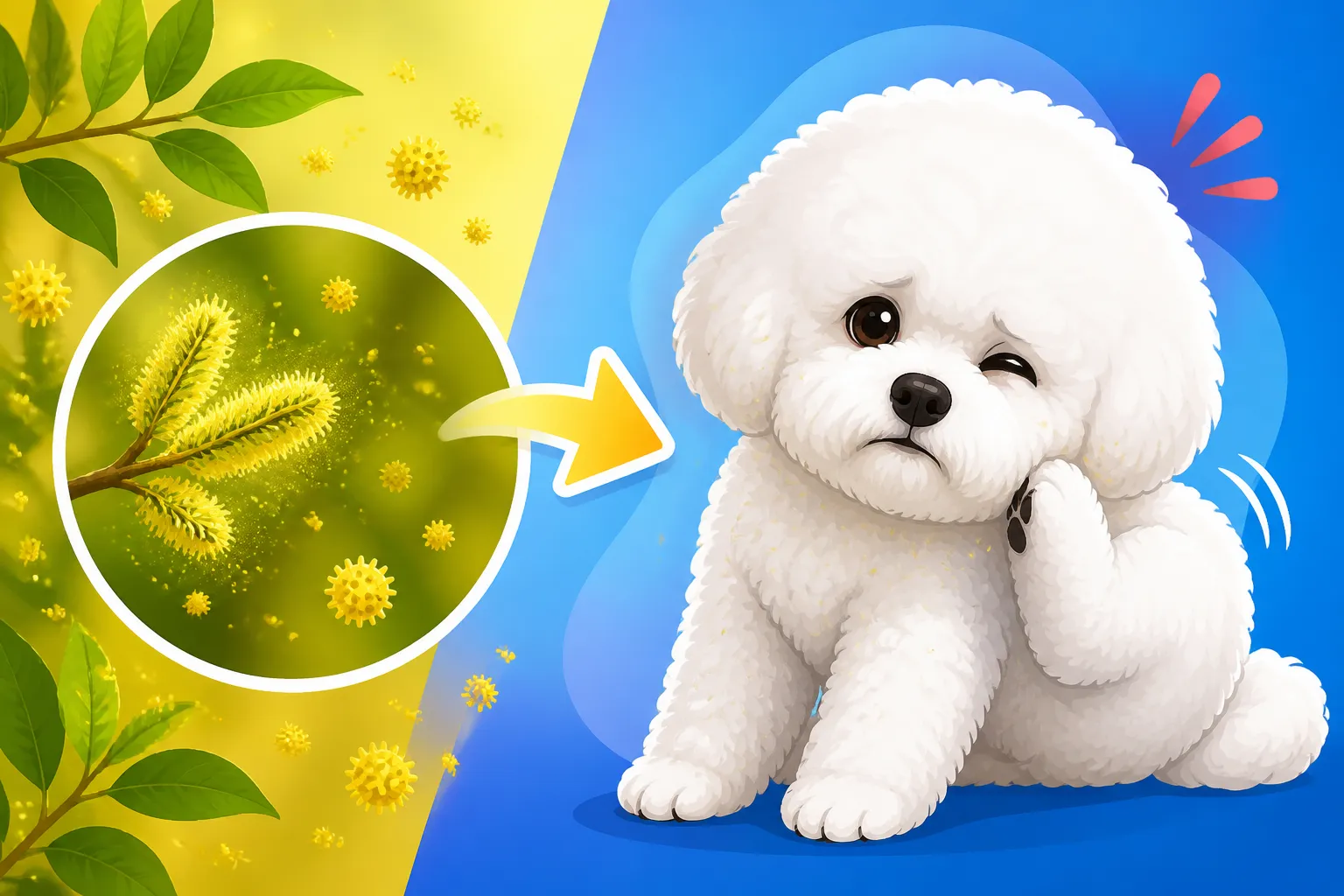
It's incredibly frustrating, isn't it, when your sweet Bichon Frise is constantly scratching, rubbing, or licking, and you suspect that invisible enemy – pollen – is clinging to their beautiful white coat, driving them absolutely nuts. You watch them roll in the grass, then immediately start itching, and it just seems like the pollen on their fur is the direct culprit. This guide will explore whether pollen on the coat itself is the main issue or if it's a trigger for a deeper allergic response, and what you can do about it.
The Truth About Pollen and Your Bichon's Itch
When we think about pollen making us itch, we often imagine it landing on our skin and causing direct irritation, like a rash. While that can happen for some dogs, especially if their skin is already compromised, for many Bichon Frises, the story is a bit more complex. Their itching from pollen often points to a condition called atopic dermatitis, a common environmental allergy.
Beyond Simple Contact Irritation
For most atopic Bichon Frises, pollen isn't just physically irritating the skin. Instead, it's typically absorbed through the skin or inhaled, which then triggers an internal, systemic immune response. Think of it like a faulty smoke alarm: the pollen itself isn't burning your dog's skin, but their immune system perceives it as a threat and goes into overdrive, causing widespread inflammation and itchiness. Bichon Frises, unfortunately, are genetically predisposed to developing this kind of sensitive, reactive immune system. It's often written in their genes, a predisposition many owners discover early in their dog's life. This means that even a tiny amount of pollen can set off a chain reaction within their body.
Many atopic dogs also have a compromised skin barrier, which is like the natural protective layer of their skin. If this barrier isn't functioning optimally, it makes it much easier for allergens like pollen to penetrate the skin and get into the system, leading to that frustrating, relentless itching. So, while pollen might be on the coat, the real mischief often happens under the surface once it's absorbed. Understanding The Atopic Skin a Bichon Frise Is Born With can shed more light on this underlying vulnerability.
Why the Coat Still Matters
Even though the primary reaction is often internal, that glorious, fluffy Bichon coat still plays a significant role – it acts as a giant, incredibly efficient pollen trap! Their dense, curly fur is designed to hold onto things, and unfortunately, pollen, dust mites, and other environmental allergens are no exception. Imagine your dog's coat like a fuzzy, white velcro suit, collecting every tiny particle it brushes against.
This means that even if the itching isn't solely from direct contact irritation, the coat effectively concentrates these allergens against your Bichon's skin, dramatically increasing the overall exposure. The longer pollen stays nestled in the fur, the more opportunity it has to be absorbed through the skin or even ingested when your Bichon grooms themselves by licking. So, while the pollen might not be directly stinging their skin on contact, its prolonged presence due to the coat's trapping abilities certainly exacerbates and prolongs the allergic reaction, making your poor pup feel miserable.
Immediate Actions: Washing Away the Itch Triggers
The good news is that because the coat plays such a big role in collecting and holding onto pollen, there are immediate and effective steps you can take to literally wash away those itch triggers and provide your Bichon with some much-needed relief.
The Power of the Post-Walk Wipe Down
One of the simplest yet most effective strategies you can employ is a diligent wipe-down after every outdoor excursion. Think of it as a quick "de-pollen" routine. As soon as your Bichon comes back inside, before they have a chance to shake off pollen all over your home or start licking themselves clean, grab a damp cloth or some pet-safe hypoallergenic wipes.
Focus on wiping down their paws, legs, belly, and muzzle – all the areas that come into closest contact with grass, plants, and the ground where pollen settles. This simple act physically removes a significant amount of pollen before it has a chance to settle, be absorbed, or be ingested. Brands like Earthbath or similar pet wipes are readily available on platforms like Chewy or Amazon, making it easy to keep a stash by the door. Regularly wiping down these areas can make a noticeable difference in reducing their overall allergen load and minimizing their itching, especially when considering Wipes Help a Bichon Frise After Walks.
Regular Bathing: A First Line of Defense
Beyond the quick wipe, regular bathing is absolutely crucial for an allergy-prone Bichon. This isn't just about keeping their white coat pristine; it's a powerful therapeutic tool. Frequent, gentle baths help to physically wash away the accumulated pollen and other allergens from their coat and skin, offering significant relief. Imagine all that pollen trapped in their fur being rinsed right down the drain – it's incredibly satisfying for both you and your itchy pup!
When bathing, it's important to use a mild, hypoallergenic shampoo specifically formulated for sensitive or allergic skin. Your veterinarian might even recommend a medicated shampoo if your Bichon is also prone to secondary skin infections, which often go hand-in-hand with allergies. Avoid harsh detergents or shampoos with strong fragrances that could further irritate their already sensitive skin. The frequency of bathing can vary, but during high pollen seasons, some owners find bathing every few days is necessary. Always ensure you rinse thoroughly to remove all shampoo residue, as any left behind can also be an irritant. For more insights on this, you might find Washing a Bichon Frise Whose Skin Is Inflamed helpful.
Long-Term Strategies for Managing Environmental Allergies
While immediate relief from pollen on the coat is essential, managing environmental allergies in a Bichon Frise requires a more holistic, long-term approach. It's about reducing their overall allergen burden and supporting their body's ability to cope.
Creating a Low-Allergen Home Environment
Your home should be a sanctuary, a place where your Bichon can get a break from the constant assault of environmental allergens. Think about how much time they spend indoors – reducing the pollen levels inside can significantly impact their comfort. Start by investing in a good quality air purifier with a HEPA filter, especially for the rooms your Bichon spends the most time in. These can capture airborne pollen and other particles, making the air cleaner for everyone.
Regular and thorough vacuuming, ideally with a vacuum that also has a HEPA filter, is another key step. Pollen, dust mites, and pet dander can settle into carpets, rugs, and upholstery. Don't forget to wash your Bichon's bedding frequently in hot water to eliminate trapped allergens. During peak pollen season, it’s also wise to keep windows closed, especially during windy days, to prevent fresh pollen from blowing directly into your living space.
Supporting Skin Health from Within
What your Bichon eats plays a vital supportive role in their overall skin health and their ability to cope with environmental allergens. While diet isn't usually the cause of pollen allergies, a high-quality, balanced diet can strengthen their skin barrier, making it less permeable to allergens, and reduce systemic inflammation. Look for foods rich in omega-3 fatty acids, which are known for their anti-inflammatory properties and their ability to promote healthy skin and a shiny coat. Many quality dog foods, and even specific supplements, will highlight their omega content.
Some owners find success exploring fresh food options, like those offered by companies such as Ollie, as these often focus on whole, minimally processed ingredients, which can be easier on a sensitive system. However, it's important to differentiate between environmental allergies and actual food sensitivities; if you suspect food might be a contributing factor, a veterinary-guided elimination diet is the way to go, as detailed in Whether an Elimination Diet Helps a Bichon Frise. Always consult with your vet before making significant dietary changes, especially if your Bichon has other health concerns.
When Professional Help is Needed
While home care can go a long way in managing your Bichon's pollen-induced itching, there are times when you need to bring in the professionals. Persistent or severe itching can significantly impact your dog's quality of life and indicates that the underlying allergic response needs more targeted intervention.
Recognizing Persistent Symptoms
It's easy to dismiss a little scratch here and there, but you know your Bichon best. If you notice them constantly scratching, licking their paws raw, rubbing their face against furniture, or if their skin appears red, inflamed, or develops scabs, it's a clear sign that the issue is escalating. Persistent paw licking is a classic sign of allergies and can lead to secondary yeast infections, making the paws turn a reddish-brown color from saliva staining. Whether a Bichon Frise Licks Its Paws Raw is a common complaint. Another red flag is recurrent ear infections, where your Bichon might be shaking their head or scratching at their ears; this is often a manifestation of underlying allergies. You can learn more about this common issue in Recurrent Ear Infections in a Bichon Frise. Don't wait until the problem becomes severe; early veterinary intervention can prevent a lot of discomfort and secondary complications.
Veterinary Diagnostics and Treatments
When home management isn't enough, your veterinarian is your best partner in tackling your Bichon's environmental allergies. They can help rule out other potential causes of itching, such as parasites or other skin conditions, and confirm if allergies are indeed the primary problem. They might suggest allergy testing, either through blood tests or intradermal skin testing, to identify the specific environmental allergens your Bichon reacts to. This information is invaluable for developing a tailored management plan, which can include highly effective treatments like immunotherapy, often referred to as "allergy shots" or drops. This treatment involves gradually exposing your dog to tiny amounts of the allergens they react to, with the goal of desensitizing their immune system over time. You can read more about this in Whether Immunotherapy Shots Work on a Bichon Frise.
Beyond immunotherapy, modern veterinary medicine offers excellent symptomatic relief options. Medications like Apoquel and Cytopoint are specifically designed to target the itch pathway in allergic dogs, providing rapid and sustained relief without the side effects often associated with long-term steroid use. Whether a Bichon Frise Can Take Apoquel Instead and Whether Cytopoint Suits a Bichon Frise delve deeper into these options. Your vet will work with you to find the most appropriate and effective treatment strategy, ensuring your Bichon can live a comfortable, itch-free life, even during peak pollen season.
Here's a quick overview of strategies to help manage your Bichon's pollen allergies:
| Strategy Category | Specific Action | Benefit | Typical Timeframe |
|---|---|---|---|
| Immediate Relief | Post-walk wipe down (paws, belly, muzzle) | Physically removes surface pollen, reduces absorption | Daily |
| Regular bathing with mild shampoo | Cleanses coat and skin of accumulated allergens | Weekly to bi-weekly | |
| Medicated shampoos (vet prescribed) | Addresses secondary infections, soothes skin | As directed by vet | |
| Environmental Control | Use HEPA air purifiers | Reduces airborne pollen indoors | Ongoing |
| Frequent vacuuming (HEPA filter) | Removes settled pollen from carpets/upholstery | Weekly | |
| Wash dog bedding regularly | Eliminates trapped allergens from sleeping areas | Weekly | |
| Keep windows closed during high pollen counts | Prevents new pollen from entering the home | Seasonal | |
| Internal Support | High-quality, balanced diet | Supports overall skin health and immune function | Ongoing |
| Omega-3 fatty acid supplements | Reduces inflammation, strengthens skin barrier | Ongoing | |
| Veterinary Intervention | Consultation and diagnostics | Identifies specific allergens, rules out other issues | As needed |
| Immunotherapy (allergy shots/drops) | Desensitizes immune system to allergens | Long-term | |
| Anti-itch medications (Apoquel, Cytopoint) | Provides targeted symptomatic relief | As needed |
Disclaimer
This article is for general informational purposes only and does not constitute professional advice. Laws, prices and regulations vary by location and change over time. Consult a qualified professional for guidance on your specific situation.