Whether a Bichon Frise Needs Its Teeth Brushed Daily
It's a question many Bichon Frise owners wrestle with: how often do our fluffy companions really need their teeth brushed? We love their sparkling white coats and cheerful dispositions, but the thought of wrestling a wriggly dog with a toothbrush often feels daunting. The truth is, ignoring your Bichon's dental hygiene can lead to painful problems and significant vet bills down the line. This guide will dive deep into why daily brushing isn't just a suggestion for Bichon Frises, but often a necessity, and how you can make it a sustainable part of your routine.
Why Dental Health is a Big Deal for Bichon Frises
Let's be honest, those adorable little mouths hide a secret vulnerability. Bichon Frises, like many smaller breeds, are particularly prone to dental disease, and it's far more than just bad breath. Their unique oral anatomy, combined with other factors, makes them prime candidates for plaque and tartar buildup.
The Anatomy of a Small Breed Mouth
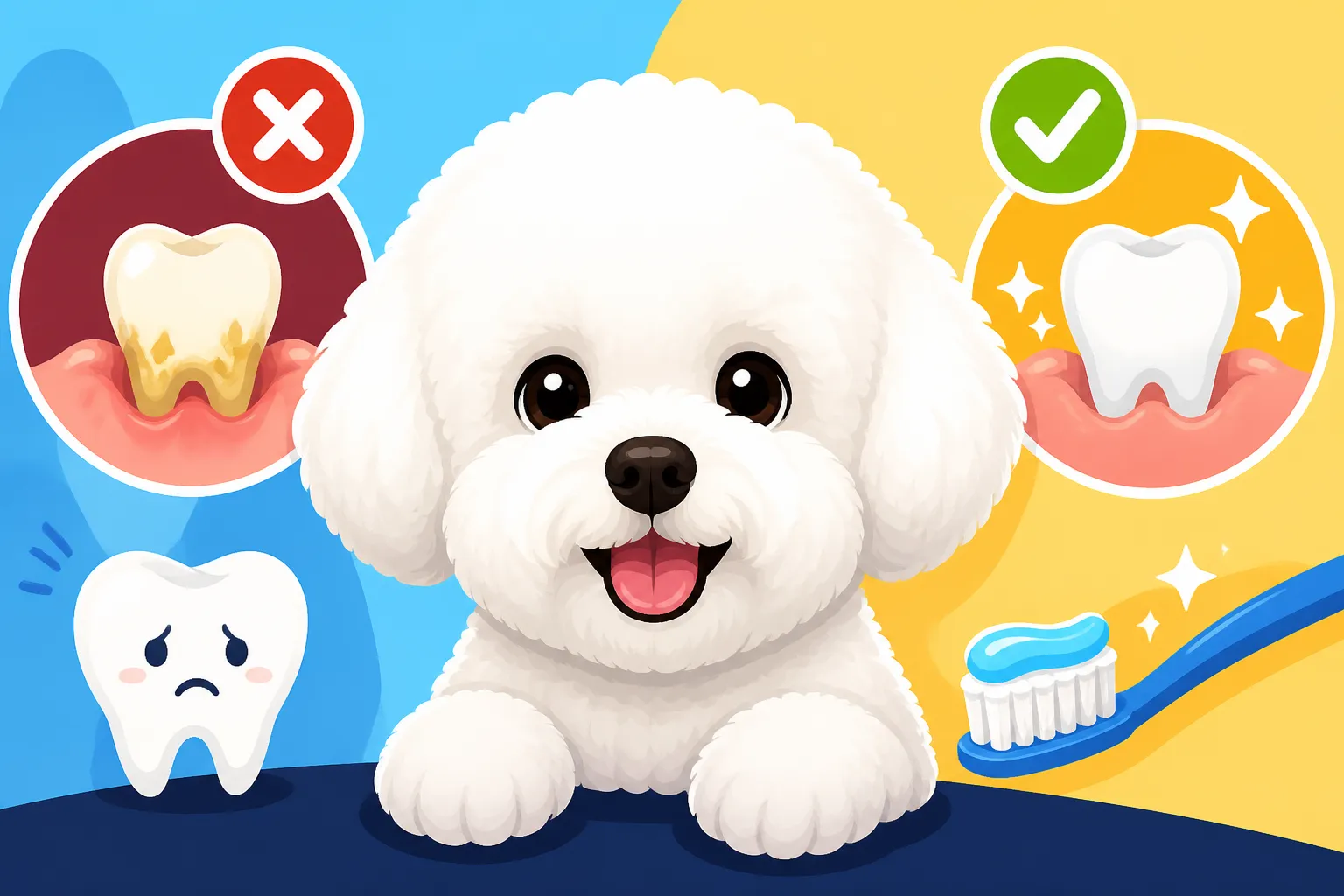
Think about it: tiny jaws packed with the same number of teeth as a much larger dog. This crowding means teeth can be rotated, overlap, and create perfect little crevices for food particles and bacteria to hide. These hidden pockets are incredibly difficult to clean naturally, even with chewing, and are a breeding ground for plaque. Plaque, that soft, sticky film, begins forming almost immediately after eating. If it's not removed promptly, it mineralizes into hard tartar within a matter of days. Once tartar forms, you can't brush it off yourself; it requires a professional dental cleaning under anesthesia at your vet's office. This is why daily effort is so crucial – to remove that soft plaque before it becomes a cemented problem.
Beyond crowding, the very structure of their mouths can lead to issues. Many small breeds also tend to have a bit of an undershot or overshot jaw, which can further complicate how their teeth align and wear against each other. This often means some teeth aren't getting the natural scrubbing action from chewing that they might in a dog with a perfect bite, making them even more reliant on our intervention. When plaque and tartar accumulate, they push up under the gum line, leading to gingivitis – inflammation of the gums. This is the first stage of periodontal disease, and it's reversible. However, if left unchecked, it progresses to more severe forms, eating away at the supporting structures of the teeth, leading to pain, infection, and eventually, tooth loss. We all want our Bichons to live long, happy lives, and ignoring their teeth can significantly impact The Fourteen to Fifteen Years a Bichon Frise Lives comfortably.
Beyond the Mouth: Systemic Health Risks
It's easy to think of dental disease as just a problem in the mouth, but the reality is far more serious. The bacteria thriving in infected gums don't stay put. They can enter the bloodstream and travel to vital organs, potentially causing damage to the heart, kidneys, and liver. Imagine a constant stream of infection being pumped into your beloved pet's system – it's a sobering thought. Chronic pain from sore gums and abscessed teeth can also significantly impact your Bichon's quality of life, making them lethargic, irritable, or even reluctant to eat.
We often see this manifest as a general decline in an older dog's health. What might seem like typical aging could, in part, be due to untreated dental infections. A Bichon Frise with severe periodontal disease might experience pain every time they chew, making meal times a struggle. They might avoid toys they once loved, or even become withdrawn. This silent suffering is something no pet owner wants for their dog. Ultimately, good dental hygiene isn't just about fresh breath; it's a cornerstone of overall health and can influence What Actually Kills Most Bichon Frises – systemic infection and organ damage. The sooner you establish a routine, the better for their long-term well-being and to avoid the painful reality of advanced Dental Disease in a Bichon Frise.
The Realities of Daily Brushing for Your Bichon Frise
So, you're convinced that dental care is vital. Now comes the nitty-gritty: daily brushing. Yes, daily is truly the gold standard, and while it might seem like a huge commitment, the benefits far outweigh the initial effort.
Why Daily Brushing is the Gold Standard
Plaque, that soft, sticky film of bacteria and food particles, begins to form on teeth within hours of a meal. It's relatively easy to remove with a toothbrush when it's still soft. However, after about 24 to 48 hours, plaque starts to mineralize and harden into tartar. Once tartar has formed, brushing simply won't remove it. You can scrub all you want, but that hard, yellow-brown substance is stuck until a vet scrapes it off with special tools during a professional cleaning. This is why brushing every day is so crucial: it consistently removes the plaque before it has a chance to turn into tartar. Think of it like washing dishes—it's much easier to clean food off a plate immediately after a meal than to let it dry and harden overnight.
For a breed like the Bichon Frise, prone to rapid plaque buildup due to their crowded mouths, daily attention is even more non-negotiable. Skipping a day or two means you're already behind, and the cycle of plaque turning into tartar begins anew. Without a consistent daily routine, you'll find yourself needing professional cleanings more frequently, which comes with its own costs and the inherent risks of anesthesia. Regular professional cleanings are definitely part of a comprehensive dental health plan, but daily brushing is your first line of defense, reducing the frequency and intensity of those deeper cleans. This also helps mitigate What a Bichon Frise's Dental Costs over their lifetime.
Choosing the Right Tools and Technique
You wouldn't use human toothpaste on your dog, right? Absolutely not! Human toothpaste contains fluoride, xylitol, and other ingredients that are toxic to dogs if swallowed. Always use toothpaste specifically formulated for dogs. These often come in palatable flavors like poultry, beef, or peanut butter, which can make the experience more enjoyable for your Bichon. The enzymes in dog toothpaste also help break down plaque. For toothbrushes, you have a few options: a finger brush that slips over your finger, a regular dog toothbrush with an angled head, or even a gauze pad wrapped around your finger. For a small mouth like a Bichon's, a finger brush or a very small, soft-bristled dog toothbrush often works best. You can find a good selection of these on reputable pet supply sites like Chewy or Amazon.
Once you have your tools, the technique is key. Start slowly and make it a positive experience. Introduce the toothpaste first by letting your Bichon lick a tiny bit off your finger. Then, try letting them lick it off the brush. Once they're comfortable with that, gently lift their lip and try to brush just one or two teeth, focusing on the outside surfaces where plaque accumulates most. You don't need to scrub vigorously; gentle circular motions are enough to disrupt plaque. Aim for about 30 seconds per side of the mouth, or even less if your dog is still getting used to it. The goal is consistency and positive association. Don't force it; if your Bichon resists, stop and try again later, or shorten the session. Praise, treats, and a calm demeanor will go a long way. Imagine your Bichon associating toothbrush time with a tasty treat and some loving attention – that's the ultimate goal!
Alternatives and Supplements: When Brushing Isn't Enough or Possible
We all strive for daily brushing, but let's be realistic: sometimes life happens, or your Bichon just isn't having it. While daily brushing is ideal, there are supplementary strategies and alternatives that can still make a significant difference. These should generally be seen as aides to brushing, or necessary evils when brushing truly isn't an option, rather than complete replacements.
Dental Chews and Treats
Dental chews and treats are widely available and can certainly play a role in dental hygiene. The key is to choose the right ones. Look for products that have been awarded the Veterinary Oral Health Council (VOHC) seal of acceptance. This seal indicates that a product has met specific standards for reducing plaque and/or tartar. Many popular brands offer VOHC-approved chews designed to help scrape plaque off teeth as your dog chews. The mechanical action of chewing on an appropriately textured dental treat can help remove some of the soft plaque. However, these are rarely a substitute for brushing. They tend to clean the surfaces they come into contact with, which often means only the outer surfaces of the larger teeth. The crucial gum line and the insides of teeth, especially the crowded ones in a Bichon's mouth, often remain untouched.
It's also important to consider calorie content and your Bichon's diet. Many dental chews can be high in calories, so factor them into your dog's daily intake to avoid unwanted weight gain. If your Bichon is on a special diet, perhaps for stone prevention as detailed in The Diet a Bichon Frise Stays On for Life, you'll need to be extra cautious that any dental treats don't counteract the therapeutic effects of their prescribed food. Always supervise your Bichon when they're enjoying a dental chew to prevent choking hazards or them consuming too much too quickly. Many pet stores and online retailers like Chewy offer a wide array of VOHC-approved options, so you can find one that suits your Bichon's preferences and your vet's recommendations.
Water Additives and Oral Rinses/Gels
These products offer a more passive approach to dental care, perfect for those days when brushing is a complete no-go or as an added layer of protection. Water additives are liquids that you simply mix into your dog's drinking water. They often contain ingredients designed to reduce plaque bacteria or prevent plaque from adhering to tooth surfaces. The beauty of water additives is their ease of use – your dog consumes them throughout the day as they drink. However, their efficacy can vary, and they generally provide a milder level of protection compared to direct brushing. They're a fantastic supplementary tool, especially if your Bichon struggles with direct tooth brushing.
Oral rinses and gels are applied directly to your dog's gums or teeth. Some gels cling to the teeth, releasing active ingredients that help break down plaque and kill bacteria. Rinses might be applied with a swab or directly from a bottle. These can be particularly helpful for targeting specific areas of concern or for dogs with sensitive gums. Just like with toothpastes, ensure any water additive, rinse, or gel you use is specifically formulated for dogs and approved by your vet. You can often find these products on Amazon or through your veterinary clinic. While not a standalone solution, they can be valuable additions to a multifaceted dental care plan, especially if your Bichon is getting a bit older and less tolerant of handling, which might be a factor as you navigate Caring for a Bichon Frise Past Eleven.
Specialized Dental Diets
Yes, there are dog foods designed specifically to help clean teeth! These specialized dental diets work in two main ways:
- Mechanical Action: The kibble is often larger and has a unique fibrous texture that doesn't crumble easily. As your Bichon crunches down, the kibble literally scrubs the tooth surface, reducing plaque and tartar buildup.
- Chemical Action: Some dental diets contain ingredients that help prevent plaque from mineralizing into tartar. These ingredients often bind to calcium in the saliva, making it unavailable for tartar formation.
These diets are often prescription-only and are typically recommended by your veterinarian after a professional dental cleaning, or if your Bichon has a known predisposition to severe dental disease. They are a fantastic part of a long-term dental strategy, especially when used in conjunction with brushing or other dental aids. However, like with chews, they generally clean the larger surfaces of the teeth and might not reach the tight spaces in a crowded Bichon mouth as effectively as a toothbrush. Always discuss any dietary changes with your vet, especially if your Bichon has other health considerations or is on a special diet.
Establishing a Sustainable Dental Routine
So, you know why daily brushing is important and what tools are available. Now, how do you actually make it a consistent, stress-free part of your Bichon's life? It’s all about consistency, positive reinforcement, and knowing when to call in the professionals.
Starting Early and Making it Positive
The absolute best time to start any routine is when your Bichon Frise is a puppy. Their minds are sponges, and they’re generally more accepting of new experiences. Even if they don't have a full set of adult teeth yet, getting them used to having their mouth handled, their lips lifted, and a finger brush (or even just your finger) rubbed along their gums will pay dividends later. Make it a fun, short session, always ending with praise and a high-value treat. Keep it light, never a struggle. If you try to force it, you're setting yourself up for a battle every single day, which is something neither you nor your Bichon will enjoy.
Even if you have an older Bichon who's never had their teeth brushed, it's never too late to start. You might need to go even slower. Begin by simply touching their muzzle, then their lips. Gradually introduce the toothpaste, then the brush. Incremental steps are key. A five-second session of just touching the brush to one tooth, followed by a treat and enthusiastic praise, is a victory. Build on that slowly, day by day. Patience is your most powerful tool. The more positive associations you can create, the more likely your Bichon will eventually tolerate – or even enjoy – their daily dental spa. Remember, this is a long-term commitment, and small victories add up.
Consistency and Scheduled Integration
Once you’ve got the basics down, consistency is non-negotiable. Pick a time of day that works for you and stick to it. Maybe it’s right after their last meal, or before their evening cuddle. Integrating it into an existing routine, like their evening potty break or playtime, can make it easier to remember. Think of it like brushing your own teeth – it's just what you do. Set a reminder on your phone if you need to, especially in the beginning. Even if you only manage a quick 30-second brush, doing it every day is more effective than a thorough 5-minute brush once a week. Plaque doesn’t take holidays, and neither should your brushing routine.
Establishing a consistent routine also means ensuring you have all your supplies readily available. Keep the dog toothpaste and toothbrush next to their food bowl, or in another easily accessible spot. If you have to dig through cabinets every time, you’re less likely to commit daily. Consider having a special "dental station" for your Bichon. This dedication helps reinforce the habit for both you and your dog.
When to Call in the Professionals
Despite your best efforts with daily brushing, professional dental cleanings under anesthesia will still be a necessary part of your Bichon's life. Think of daily brushing as preventative maintenance, and professional cleanings as the deeper, more invasive work needed periodically. Your vet can assess the health of your Bichon's mouth during their Whether a Bichon Frise Needs a Yearly Eye Exam and routine check-ups. They'll look for signs of gingivitis, tartar buildup that you can't remove, and any other issues that might indicate the need for a cleaning. Often, small breeds like Bichons might need their first professional cleaning relatively early, sometimes by age two or three, and then regularly every one to three years, depending on their individual needs and how effective your home care is.
During a professional cleaning, your vet will scale off all the tartar, both above and below the gum line, polish the teeth, and often perform dental X-rays to check for issues beneath the gum line that aren't visible to the naked eye. This might include bone loss, abscesses, or impacted teeth. It's a crucial part of maintaining oral health and preventing severe pain and systemic disease. Don't feel like you've failed if your Bichon needs a cleaning – it's a normal part of owning a breed prone to dental issues. Your home care routine simply helps to extend the time between these necessary procedures and minimize the severity of issues that develop. For more details, you can look into How Often a Bichon Frise's Teeth Need Scaling.
Here's a quick comparison of different dental care methods:
| Method | Efficacy for Plaque/Tartar Removal | Ease of Implementation | Cost Implication (Relative) | Notes |
|---|---|---|---|---|
| Daily Brushing | High (Plaque) | Moderate | Low | Gold standard for plaque removal; prevents tartar; requires training/patience. |
| Dental Chews (VOHC) | Moderate (Plaque/Tartar) | High | Moderate | Supplemenary; often cleans only outer surfaces; choose VOHC-approved; supervise use. |
| Water Additives | Low to Moderate (Plaque) | High | Low | Passive method; best as a supplement; check ingredients and vet approval. |
| Oral Rinses/Gels | Moderate (Plaque/Bacteria) | Moderate | Low | Good for targeted areas or sensitive gums; best as supplement. |
| Dental Diets | Moderate to High (Plaque/Tartar) | High | High (Prescription) | Excellent as a long-term strategy; often prescribed post-cleaning; specific kibble texture. |
| Professional Cleaning | Very High (Plaque/Tartar) | Low (Owner effort) | Very High | Essential for existing tartar; requires anesthesia; includes below-gumline cleaning & X-rays. |
In summary, while the idea of daily brushing might feel like another chore added to your busy life, it's one of the most impactful things you can do for your Bichon Frise's health and happiness. Their adorable smiles deserve the best protection we can give them.
Disclaimer
This article is for general informational purposes only and does not constitute professional advice. Laws, prices and regulations vary by location and change over time. Consult a qualified professional for guidance on your specific situation.