Whether Purple Shampoo Works on a Bichon Frise
It's a familiar sight for any Bichon Frise parent: that dazzling white coat, once pristine and fluffy, starts to show tell-tale signs of yellowing. Whether it's around the muzzle, paws, or even across their backs, this discoloration can be incredibly frustrating when you're striving to keep your beloved cloud dog looking their absolute best. This comprehensive guide will explore the frustrating reality of yellowing Bichon Frise coats and delve into whether purple shampoo is a viable, safe, and effective solution to restore that brilliant white.
The Perpetual Quest: Why Your Bichon Frise's White Coat Might Be Turning Yellow
Let's face it, maintaining that iconic, snowy white coat on a Bichon Frise is practically a full-time job. You bathe them, you brush them, you adore them, and yet, sometimes, that pristine white seems to fade into a rather unappealing yellowish hue. It’s not just in your head; there are very real, often unavoidable reasons why your Bichon’s coat might not stay as bright as you’d like. Understanding these culprits is the first step toward finding solutions.
Environmental Factors and Everyday Grime
Think about it: your Bichon Frise lives in the real world. They romp in the yard, walk on sidewalks, and explore every nook and cranny with their nose. All of these daily adventures expose their glorious white fur to a myriad of environmental factors. Dust, dirt, pollen, and even grass can all contribute to a gradual discoloration. If your Bichon loves to roll around in the garden after a rain shower, or they simply enjoy a good sniff in dusty corners, those tiny particles can embed themselves in their dense, soft coat, leading to a dull, yellowed appearance over time. It’s not necessarily a sign of neglect; it’s just the reality of a dog living a happy, active life. Keeping a White Bichon Frise Actually White often feels like an endless battle against the elements.
Even indoors, things aren’t always pristine. Carpets, bedding, and even certain cleaning products can leave residues that cling to your Bichon’s fur. Imagine your dog curling up on a rug that’s seen better days, or sleeping on a blanket that hasn't been washed recently enough. The oils from their own skin, combined with dust and dander, can create a sticky surface for environmental yellowing to accumulate. It’s a silent, subtle process that often goes unnoticed until one day you catch them in a certain light and realize their once-bright white is looking a bit, well, dingy.
Stains from Within: Saliva, Tears, and Urine
Beyond external grime, a significant source of yellowing for Bichon Frises comes from bodily fluids. Tear staining is probably the most commonly recognized issue, leaving reddish-brown or yellowish streaks under their eyes. This isn't just an aesthetic concern; it’s often a result of excess tearing, sometimes due to allergies, blocked tear ducts, or even irritation. The porphyrin in tears, when exposed to light, oxidizes and turns that tell-tale rusty color. But even without the reddish hue, clear tears can still leave a yellowish mark on the delicate white fur over time. You might find similar staining around their mouth from saliva, especially if they lick their paws frequently or have food residue around their beard. The Tear Stains Under a Bichon Frise's Eyes are a particularly persistent problem that many owners grapple with.
Urine is another major offender, particularly on the legs, belly, and paws, especially for male Bichons who might "mark" or simply splash a little during urination. Even if they're diligent about going outside, a quick squat on damp grass or stepping in a puddle can lead to staining. Pups and older dogs, who might have occasional accidents, are especially prone to this. It’s not always about poor hygiene; sometimes it’s anatomical, or a sign of an underlying issue causing more frequent or urgent urination. These biological stains are often more challenging to remove than simple dirt, as they penetrate the hair shaft and bond with the proteins in the fur.
The Science Behind the Shade: How Purple Shampoo Neutralizes Yellow Tones
So, with all these potential yellowing culprits, how does a seemingly counter-intuitive product like purple shampoo claim to restore that bright white? It’s not magic; it’s basic color theory, applied ingeniously to canine coat care. Just like stylists use purple toners on blonde human hair to combat brassiness, the same principle can be incredibly effective on a Bichon Frise's white coat.
Understanding Color Theory and the Color Wheel
The effectiveness of purple shampoo lies in the fundamental principles of the color wheel. If you recall elementary art class, you'll remember that colors opposite each other on the color wheel are considered "complementary." When complementary colors are mixed, they neutralize each other. For instance, red neutralizes green, and blue neutralizes orange. In the case of yellow, its direct complementary color on the wheel is purple.
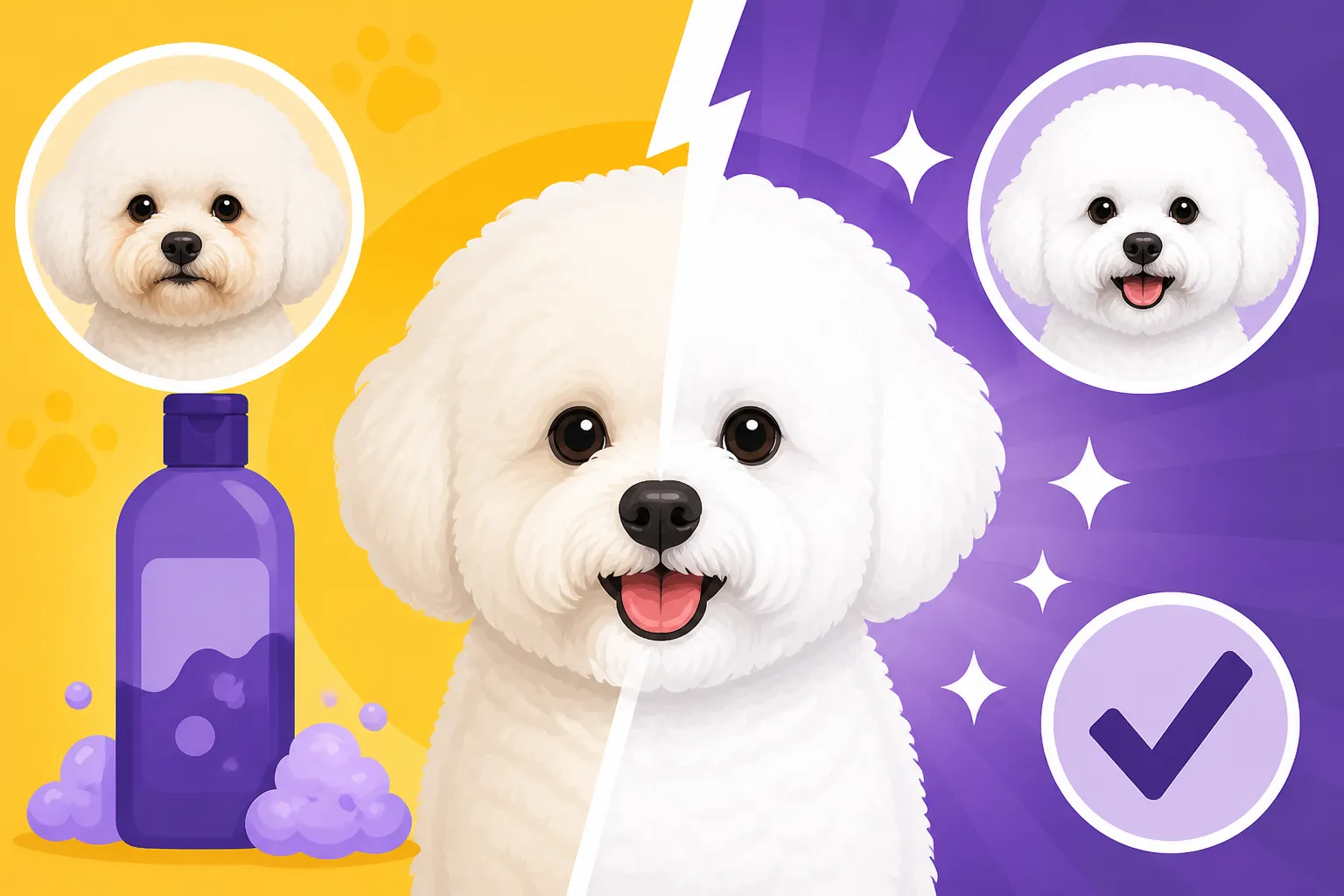
So, when your Bichon’s beautiful white coat starts to take on those yellowish or brassy tones, what you're seeing is essentially a warm yellow pigment that needs to be toned down. A purple-tinted shampoo introduces a cool purple pigment that directly counteracts the yellow. It doesn't bleach or lighten the hair; instead, it optically cancels out the yellow, making the hair appear whiter and brighter. It’s like adding a tiny bit of purple paint to yellow paint to get a more neutral shade, only in this case, the goal is for the white to appear truly white by removing the visible yellow tinge.
How Purple Pigments Work on Dog Fur
The purple pigment in these specialized shampoos is typically a temporary dye or toner that adheres to the outer layer of the hair shaft. When you apply the shampoo, the purple particles are deposited onto the hair. Because purple and yellow are opposites, the purple molecules absorb and reflect light in such a way that they reduce the perception of yellow. The result is an optical illusion, if you will, where the hair appears cleaner, brighter, and more genuinely white. Which Shampoo Keeps a Bichon Frise White is a common search for good reason!
It's crucial to understand that purple shampoo isn't a stain remover in the traditional sense. It won't lift a deep, set-in urine stain or completely eliminate dark tear stains on its own. Its primary job is to neutralize the yellow tint that can dull the overall appearance of white fur. For darker stains, you’ll still need targeted stain removers or diligent daily cleaning. However, for that general, frustrating yellowing that can happen all over the body, purple shampoo can be a real game-changer. The key is consistent, but not overly frequent, application to maintain the desired bright white.
A Step-by-Step Guide: Safely Using Purple Shampoo on Your Beloved Bichon
Using purple shampoo on your Bichon Frise isn't quite the same as using their regular cleansing shampoo. To get the best results and avoid turning your white dog into a lavender-colored cloud, a little precision goes a long way.
Preparing for the Bath and Product Selection
Before you even think about applying purple shampoo, make sure you have all your tools ready. This includes your regular dog shampoo (for the first wash), towels, a non-slip mat for the tub, and, of course, the purple shampoo itself. You'll also want to make sure your Bichon is thoroughly brushed before the bath to remove any loose hair and tangles. Mats can trap dirt and prevent the shampoo from distributing evenly, leading to patchy results. How Long Brushing a Bichon Frise Takes is often underestimated, but it's vital prep work!
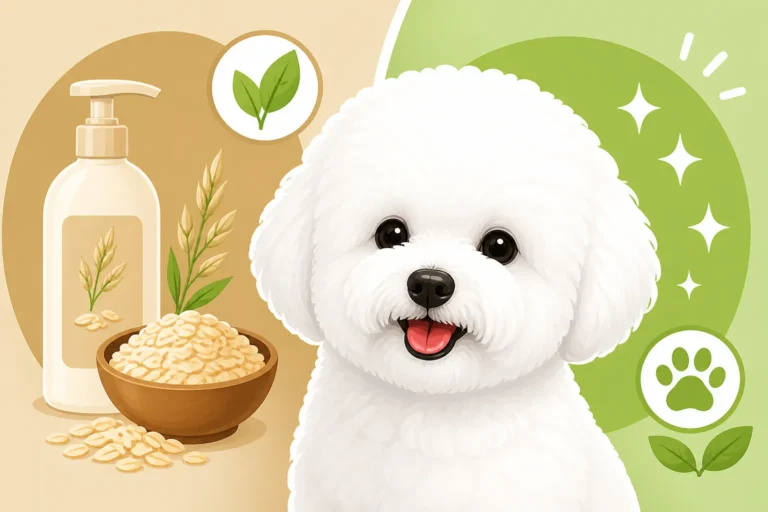
When choosing a purple shampoo, look for one specifically formulated for dogs. Human purple shampoos can sometimes be too strong or contain ingredients that aren't pH-balanced for canine skin, potentially leading to irritation or dryness. Brands like TropiClean or Chris Christensen offer popular whitening shampoos, some of which utilize purple pigments. You can often find a good selection on platforms like Chewy or Amazon, allowing you to compare options and read reviews. Always check the ingredient list for anything that might be harsh or irritating to sensitive skin.
Application Techniques for Optimal Whitening
The process usually involves a two-step wash. First, give your Bichon a good initial bath with their regular dog shampoo. This step is crucial for removing surface dirt, oils, and any loose debris, allowing the purple shampoo to work more effectively on the actual yellow tones. Rinse thoroughly until the water runs clear.
Now for the purple shampoo! Apply a generous, but not excessive, amount to the areas of the coat that are yellowed or dull. This might be their whole body, or perhaps just specific areas like their back, legs, or beard. Work the shampoo into a rich lather, ensuring it penetrates down to the skin, but be careful around their eyes and ears. Some owners find wearing gloves helpful to avoid staining their own hands. The trick is to let the shampoo sit for the recommended time, usually a few minutes. This "contact time" allows the purple pigments to do their job of neutralizing the yellow. For particularly stubborn yellowing, you might leave it on for slightly longer, but always follow the product instructions carefully and monitor your dog for any signs of discomfort.
Rinsing, Drying, and Post-Bath Care
Rinsing is arguably the most critical step. You absolutely must rinse thoroughly, and then rinse again, and then rinse some more! Any residual shampoo left in the coat can irritate their skin, lead to dryness, or even attract more dirt, making the yellowing problem worse in the long run. Keep rinsing until the water coming off their coat is completely clear and free of any suds or purple tint. You’ll be surprised how much rinsing a dense Bichon coat actually requires.
Once rinsed, gently squeeze excess water from their fur and towel dry as much as possible. Then, it's time for the blow dryer. Using a dog-specific force dryer, or even a human hair dryer on a cool or low-heat setting, is essential. Drying a Bichon Frise Into the Powder Puff Shape is key to preventing mats and getting that fluffy, white finish. Brush through the coat as you dry to separate the hairs and ensure no damp spots are left, which can lead to skin issues or matting. After the bath, make sure your Bichon is completely dry before they go outside or roll around, to prevent immediate re-soiling.
| Feature | Regular Whitening Shampoo (with optical brighteners) | Purple Pigment Shampoo (like those mentioned) |
|---|---|---|
| Primary Action | Enhances brightness by reflecting blue light | Neutralizes yellow tones with purple pigment |
| Target Problem | General dullness, lack of brilliance | Specific yellow/brassy discoloration |
| Color Effect | Makes white appear whiter, sometimes with a 'blue' glow | Optically cancels out yellow, appearing whiter |
| Stain Removal | Minimal, primarily optical | Minimal, primarily optical |
| Risk of Tint | Low, if used correctly | Higher if left on too long or overused |
| Frequency | Can be used more often | Best for occasional use, as needed |
Beyond Purple: Holistic Approaches and Everyday Tips for a Dazzling White Coat
While purple shampoo can be a fantastic tool for tackling yellowing, it's just one part of a comprehensive strategy to maintain that beautiful Bichon white. A truly dazzling coat comes from a combination of excellent grooming, diligent daily care, and good overall health.
Regular Grooming and Professional Care
Consistency is key when it comes to a Bichon's coat. Regular bathing, even with a standard whitening shampoo, helps to remove dirt and prevent buildup that can lead to yellowing. For many Bichon owners, a full groom every 4-6 weeks is essential to keep their coat in top condition. How Often a Bichon Frise Needs a Full Groom really can't be stressed enough, as their non-shedding, constantly growing coat is prone to matting and accumulating grime.
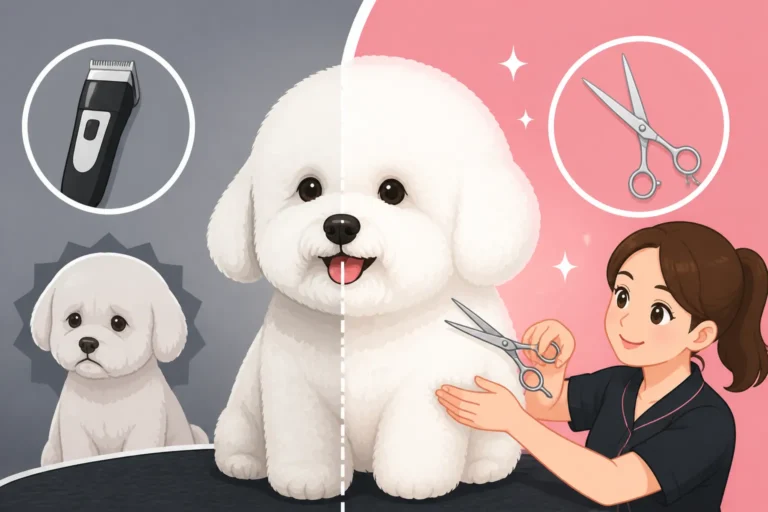
A professional groomer has the tools and expertise to thoroughly clean, dry, and scissor your Bichon into their characteristic fluffy shape, which often provides a fresh start for maintaining whiteness. They can also address specific areas like tear stains and paw stains with specialized products or trimming. Between professional grooms, commit to a consistent home grooming routine. This includes daily brushing to prevent mats and remove loose hair and debris, which directly contributes to a cleaner, brighter appearance.
Daily Maintenance and Preventative Measures
Beyond the bath, daily practices make a huge difference. For tear stains, consistent wiping with a damp cloth or a gentle, dog-safe tear stain remover is paramount. Trimming the hair around the eyes can also help prevent tears from soaking into the fur and causing discoloration. Similarly, after every meal, wipe your Bichon’s muzzle and beard to remove food particles that can lead to staining. Whether a Bichon Frise's Beard Stains Too is a common concern that can be mitigated with simple post-meal cleaning.
When it comes to urine stains, regular trips outside and teaching your Bichon to lift their leg fully (if male) or squat carefully can reduce splashes. Consider placing a small mat or turf patch in a designated outdoor potty area to minimize dirt contact. If they get their paws dirty on a walk, a quick wipe with a damp cloth or pet-safe cleansing wipe can prevent tracking mud and grime onto their pristine white legs. Even simply providing access to fresh, filtered water can indirectly support coat health by promoting hydration. Platforms like Chewy or Amazon offer a range of grooming wipes and cleaning supplies that can make these daily tasks much easier.
Diet and Overall Health Considerations
While diet doesn't directly prevent yellowing that comes from external stains or environmental factors, a healthy diet certainly contributes to overall coat health and vitality. A high-quality dog food, rich in essential fatty acids, can support healthy skin and a shiny, resilient coat that might be less prone to dullness. For example, some owners choose premium fresh food options like Ollie, believing that good nutrition shows in their dog's outward appearance. While this type of diet won't magically make yellow disappear, a healthy coat is simply easier to keep clean and vibrant.
Conversely, underlying health issues can sometimes manifest in poor coat quality or excessive tearing, which can indirectly contribute to yellowing. If you notice a sudden increase in staining, excessive licking, or changes in coat texture, it’s always a good idea to consult your veterinarian to rule out any medical concerns like allergies or infections. Addressing these root causes can significantly improve your Bichon’s overall well-being and, as a bonus, contribute to a healthier, whiter coat from the inside out.
Disclaimer
This article is for general informational purposes only and does not constitute professional advice. Laws, prices and regulations vary by location and change over time. Consult a qualified professional for guidance on your specific situation.