Whether Bathing a Bichon Frise Weekly Is Too Much
Many Bichon Frise parents wrestle with a common grooming dilemma: how often is too often to bathe their beloved fluffy companion? You adore that pristine white coat, but you're also worried about drying out their skin or causing irritation with frequent washes. It's a valid concern, especially with a breed known for its sensitive skin and luxurious, high-maintenance fur. This guide will walk you through everything you need to know about bathing your Bichon Frise, so you can keep them looking their best without compromising their health and comfort.
Understanding Your Bichon Frise's Unique Coat and Skin
The Bichon Frise coat is truly a marvel – a double coat that's soft, dense, and renowned for being hypoallergenic, which means it tends to cause fewer allergic reactions in people. But this beautiful coat also comes with specific care requirements that differentiate it from many other breeds. Understanding these unique characteristics is the first step to mastering their grooming routine.
The Dangers of Neglecting Regular Grooming
While you might worry about over-bathing, the truth is that neglecting regular grooming, including proper bathing, can lead to far more serious problems for a Bichon Frise. Their non-shedding, constantly growing coat Why a Bichon Frise Coat Grows Forever is a magnet for dirt, debris, and allergens. Think about all the things your little one rolls in, brushes against on walks, or even just the everyday dust and dander that settles into their plush fur. Without regular washing, this buildup can quickly lead to skin irritation, dullness, and a general lack of cleanliness that even the most diligent spot-cleaning can't fix.
Beyond just looking a bit grubby, a neglected Bichon coat is a prime candidate for matting. Those soft, fine hairs intertwine and knot together remarkably fast, especially behind the ears, under the legs, and around the tail. Once mats form, they pull on the skin, causing pain and discomfort, and create a breeding ground for bacteria and yeast, which can lead to serious skin infections. What might start as a small tangle can quickly become a dense, painful felted mat that requires professional intervention, often involving a complete shave-down, which no owner wants for their fluffy friend.
Moreover, a dirty coat doesn't just affect aesthetics; it impacts your Bichon's overall well-being. Embedded dirt and allergens can trigger or exacerbate skin conditions, making an already sensitive breed even more prone to itching and discomfort. A clean coat, properly brushed and free of debris, allows the skin to breathe, promotes healthy circulation, and helps you spot any underlying issues like bumps, rashes, or parasites before they become major problems. It's not just about vanity; it's about preventative care.
Why the Bichon Frise Coat Needs Frequent Attention
The Bichon Frise coat, with its characteristic powder-puff appearance, is designed to be kept clean and fluffy. Unlike shedding breeds where loose hair falls out, a Bichon's hair is trapped within the dense undercoat. This means every bit of dust, pollen, or environmental allergen that settles on them stays put until it's brushed or washed out. If you've ever wondered Whether a Bichon Frise Is Truly Hypoallergenic, it's precisely because their dander and hair are mostly contained within their coat, rather than shedding all over your home.
This unique structure means their coat requires more frequent washing than many other breeds. Imagine wearing a fluffy wool sweater that constantly collects everything but never gets cleaned – that's essentially what happens to a Bichon's coat. A regular bath helps to lift out all that trapped grime, keeping their skin healthy and preventing that dull, yellowish tinge that can develop on their pristine white fur. It’s also crucial for maintaining the "spring" in their coat that gives them their distinctive look.
Beyond just dirt, Bichons are prone to specific issues that necessitate regular cleaning. Tear stains around their eyes, for example, are a common cosmetic concern but can also indicate underlying irritation if not managed. Similarly, saliva staining around their mouth and paws, especially if they lick their feet, can lead to discoloration and even skin issues. Frequent, targeted cleaning during baths helps manage these areas, contributing to both their appearance and hygiene. It's not just about aesthetics; it's about proactive health management for their skin and fur.
The Truth About Frequent Bathing: Is Weekly Too Much?
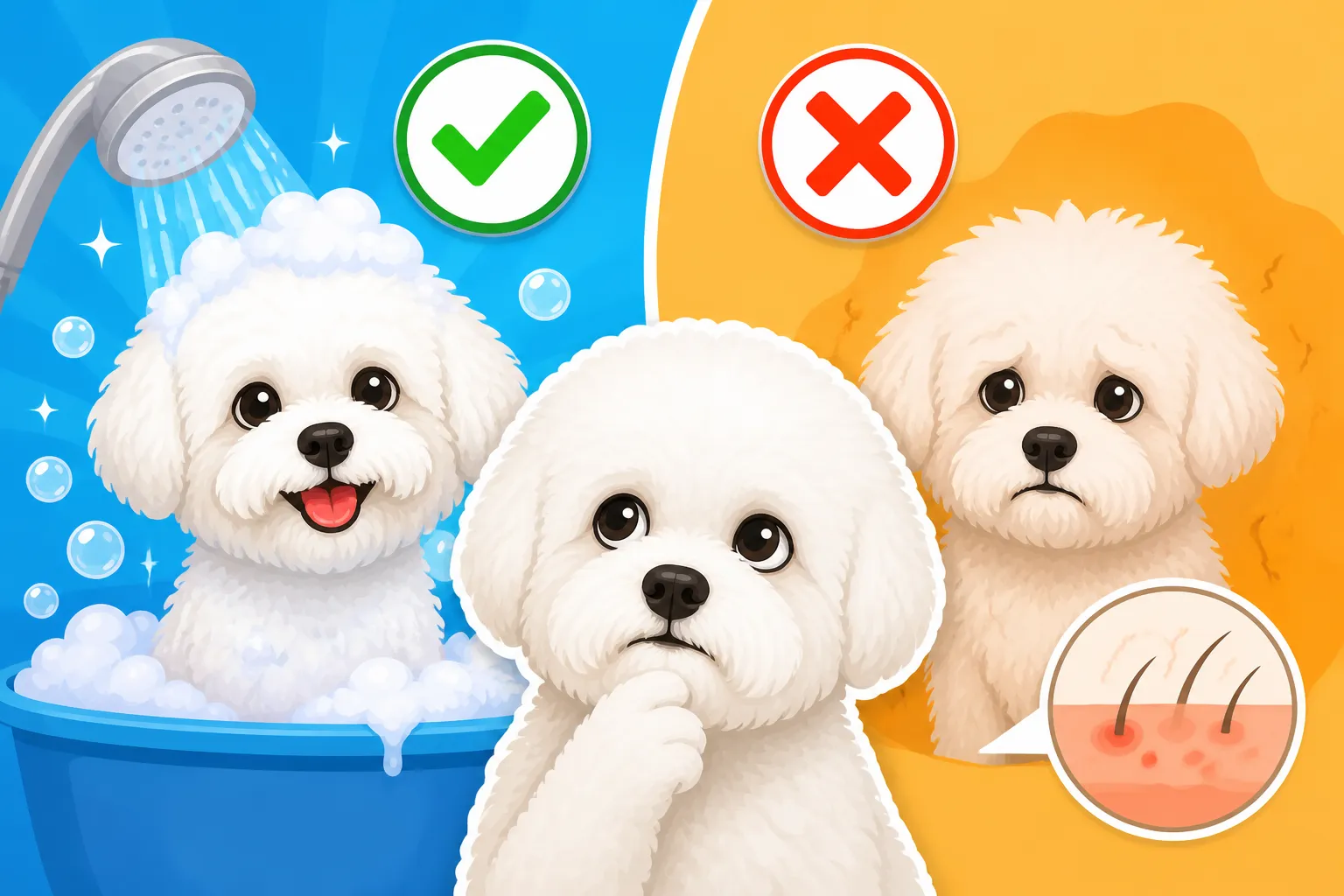
The short answer is no, bathing a Bichon Frise weekly is generally not too much, provided you use the right products and techniques. In fact, for many Bichons, especially those with allergies or who spend a lot of time outdoors, a weekly or bi-weekly bath is essential for maintaining their skin and coat health. The key isn't the frequency itself, but how you bathe them and what you use.
Factors Influencing Bathing Frequency
While weekly bathing can be perfectly fine for a Bichon, the ideal frequency really depends on several individual factors. Consider your dog's lifestyle: do they love rolling in the mud at the dog park, or are they a pampered indoor-only companion? A Bichon who spends a lot of time outdoors, digging in the garden, or playing in puddles will naturally need more frequent bathing than one who mostly enjoys indoor cuddles. The more exposure they have to dirt, pollen, and other environmental factors, the more often their coat will need a refresh.
Another critical factor is your Bichon's skin health. Many Bichons are prone to allergies, which can manifest as itchy, irritated skin. For these dogs, regular bathing with appropriate shampoos can be a vital part of managing their condition. A veterinarian might even recommend Whether Medicated Baths Help a Bichon Frise as often as twice a week during flare-ups to soothe inflammation and remove allergens. On the other hand, if your Bichon has exceptionally dry or sensitive skin with no underlying issues, you might find that every two weeks is a better balance to prevent excessive dryness.
Finally, consider the time of year and local environment. During peak allergy seasons (spring and fall), more frequent baths can help wash away pollen and other irritants that settle on their coat, providing relief for itchy pups. If you live in a particularly dusty or humid environment, their coat might get dirtier or develop a musty smell faster, necessitating more regular washes. It's a balance, and you'll learn what works best for your individual dog through observation and perhaps a little trial and error.
Choosing the Right Products for Sensitive Bichon Skin
This is where the rubber meets the road when it comes to frequent bathing. Using the wrong shampoo can indeed strip natural oils, irritate the skin, and lead to more problems than it solves. For a Bichon Frise, always opt for a gentle, pH-balanced, tearless shampoo specifically formulated for dogs with sensitive skin. Avoid harsh detergents, artificial fragrances, or dyes that can cause irritation. Many owners find success with oatmeal-based shampoos, which are known for their soothing properties.
After shampooing, a good quality conditioner is non-negotiable, especially for a Bichon's double coat. Conditioner helps to restore moisture to the skin and coat, makes the hair easier to comb through, and reduces static electricity. Look for conditioners that are also pH-balanced and free from harsh chemicals. If your Bichon has specific skin concerns, like excessive itching, consult your vet for recommendations on therapeutic shampoos or conditioners. You might find a good option for Which Shampoo Suits an Itchy Bichon Frise.
When it comes to sourcing these gentle shampoos and conditioners, you'll find a wide variety on online retailers like Chewy or Amazon, making it easy to compare ingredients and read reviews from other Bichon owners. Always have a few options on hand so you can switch if needed, or if one seems to work better for different times of the year or different skin conditions. Remember, prevention is key, and using the right products from the start will make weekly bathing a positive experience for both you and your furry friend.
The Importance of Thorough Drying
While choosing the right products is crucial, the drying process after a bath is equally, if not more, important for a Bichon Frise. Their dense double coat can take a long time to dry naturally, and if left damp, it creates a perfect environment for yeast and bacteria to flourish, leading to uncomfortable skin infections. Imagine wearing wet clothes for hours – it's unpleasant and unhealthy. The same goes for your Bichon's skin. You can also link to How Long Drying a Bichon Frise Takes for more info.
Thorough drying also prevents matting. As their coat dries, any remaining tangles or knots can tighten and become much harder to remove, often leading to painful mats. Using a high-velocity dryer (designed for dogs, not human hairdryers, which can get too hot) is highly recommended. It helps to separate the hair shafts, allowing air to circulate and dry the coat right down to the skin, while simultaneously helping to 'fluff' out their signature look. If a high-velocity dryer isn't an option, a good quality stand dryer or even a powerful human hair dryer on a cool setting, held at a safe distance, combined with diligent brushing, will work.
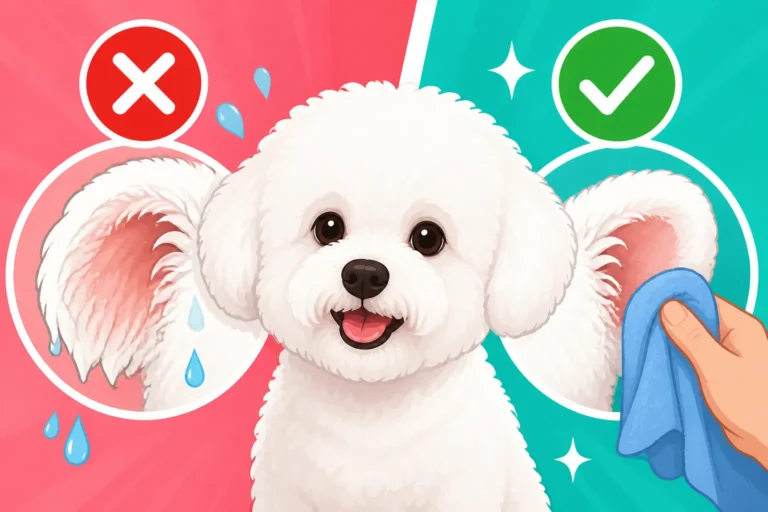
Brushing while drying is another technique that not only helps speed up the process but also ensures the coat dries straight and fluffy, preventing waves or curls that can lead to tangles. Use a slicker brush and a metal comb to work through sections of hair, making sure there are no damp spots, especially in dense areas like the chest, belly, and around the ears. Don't forget to pay special attention to areas where A Bichon Frise's Ears Trap Moisture, as these are particularly vulnerable to infections if left damp. Proper drying is an art, but it's essential for a happy, healthy, and mat-free Bichon.
Best Practices for Weekly Bichon Frise Bathing
Okay, so you've decided weekly bathing is right for your Bichon. Great! Now, let's talk about how to do it efficiently and effectively, turning it into a positive experience rather than a dreaded chore. A well-planned routine makes all the difference.
Creating a Calm Bathing Environment
Nobody likes a stressful bath, especially not your furry companion! Creating a calm, positive environment is key to making weekly bathing a breeze. Start by gathering all your supplies before you even bring your Bichon into the bathroom. This includes shampoo, conditioner, towels, brushes, and your dryer. Having everything within reach means you won't have to leave them unattended, even for a moment, which can reduce anxiety. A non-slip mat in the tub or sink is also essential to prevent slips and falls, making them feel more secure.
The temperature of the water is another crucial factor. Always use lukewarm water – test it on your inner wrist to ensure it's comfortable, not too hot or too cold. A steady stream of water, rather than a harsh spray, can also be less startling. Consider placing a cotton ball in each ear to help prevent water from entering the ear canal, which can lead to ear infections, especially important if you know A Bichon Frise's Ears Trap Moisture.
Finally, positive reinforcement goes a long way. Use a calm, soothing voice throughout the process. Offer praise and small, high-value treats (perhaps from Ollie, known for their quality dog food and treats) for good behavior. Even if they're a bit fidgety at first, consistency and positive associations will gradually teach them that bath time isn't scary. With time, it can even become a bonding experience.
Step-by-Step Weekly Bathing Routine
Once you have your calm environment, follow a consistent step-by-step routine to ensure a thorough and effective bath.
- Pre-Bath Brush-Out: This is arguably the most critical step. Never put a matted Bichon into the bath. Water will tighten mats, making them impossible to remove without cutting. Use a slicker brush and a metal comb to thoroughly brush out any tangles or mats before they get wet. If you find any significant mats, work them out gently or consider seeking professional help if they're severe.
- Wet the Coat Thoroughly: Gradually wet your Bichon's entire coat with lukewarm water. Start from their feet and work your way up to their head, avoiding direct spray into their face or ears. Make sure the water penetrates all the way down to the skin, especially in their dense areas. This is where Whether Rinsing a Bichon Frise Thoroughly Matters really comes into play.
- Shampoo and Lather: Apply a generous amount of your chosen gentle shampoo, working it into a rich lather. Massage it deeply into the coat and down to the skin. Pay special attention to areas prone to dirt and staining, like their paws, belly, and around their muzzle. For their face, use a tearless facial shampoo or a damp washcloth to gently clean around their eyes and mouth.
- Rinse, Rinse, Rinse: This step cannot be emphasized enough. Residue from shampoo can irritate the skin, cause itching, and leave the coat dull. Rinse your Bichon thoroughly until the water runs completely clear and you feel no slipperiness in their fur. Then, rinse again, just to be sure. Any leftover shampoo will attract dirt faster and could lead to Whether a Bichon Frise's Skin Goes Pink due to irritation.
- Condition: Apply a quality conditioner, working it through the entire coat. Let it sit for a few minutes as directed by the product, allowing it to moisturize the skin and soften the fur. This is vital for coat health and manageability.
- Final Rinse: Rinse the conditioner out just as thoroughly as the shampoo. You want their coat to be free of any product residue.
- Towel Dry: Gently squeeze excess water from their coat with your hands, then wrap them in a clean, absorbent towel. Pat and blot, rather than rubbing vigorously, which can cause tangles.
- Blow Dry and Brush: This is the part that will give your Bichon their signature fluffy look. Using your dog-specific blow dryer on a cool or low-heat setting, brush their coat with a slicker brush while drying. Work in sections, ensuring every part of their coat is completely dry down to the skin. This can take time, but it's crucial for preventing mats and skin issues. Pay extra attention to the dense areas.
Maintaining Skin and Coat Health Between Baths
A weekly bath is a fantastic foundation, but what you do in between baths is just as important for maintaining that pristine coat and healthy skin. Daily brushing is absolutely non-negotiable for a Bichon Frise. Their non-shedding coat loves to mat, and a quick brush-out every day, or at least every other day, will prevent painful tangles from forming. This also helps to distribute natural oils and remove loose hair and superficial dirt, extending the cleanliness of their coat.
Regular checks of their ears, eyes, and paws should also be part of your routine. Bichons are prone to ear infections, so gently cleaning their outer ear canal with a dog-specific ear cleaner weekly will help prevent issues. Whether a Bichon Frise needs its ears cleaned every week is a common question, and for this breed, the answer is often yes. Wiping away tear stains daily with a damp cloth or a specialized tear stain remover can also help keep those areas clean and prevent discoloration. For their paws, trim the hair between their paw pads to prevent slipping and to keep dirt from accumulating, and check for any debris or irritation.
Diet also plays a significant role in coat and skin health. A high-quality dog food provides the essential nutrients for a healthy skin barrier and a shiny coat. Consider supplements like omega-3 fatty acids, which can improve skin hydration and reduce inflammation, especially beneficial for Bichons with sensitive skin. A visit to your vet for regular check-ups can also help catch any underlying skin issues early, ensuring your Bichon stays happy, healthy, and looking their best between those regular spa days!
Here's a quick reference table for your weekly bathing routine:
| Step | Action | Key Benefit |
|---|---|---|
| Pre-Bath Prep | Brush out all mats; gather supplies; non-slip mat in tub. | Prevents matting, reduces stress, ensures safety. |
| Wet Coat | Use lukewarm water; thoroughly saturate from feet to neck. | Ensures deep cleaning and product penetration. |
| Shampoo | Apply gentle, pH-balanced dog shampoo; lather well. | Cleans coat, removes dirt and oils without stripping. |
| Rinse Shampoo | Rinse until water is completely clear and no residue is felt. | Prevents skin irritation and dull coat. |
| Condition | Apply dog conditioner; leave for recommended time. | Moisturizes skin, softens coat, prevents tangles. |
| Rinse Conditioner | Rinse as thoroughly as shampoo; ensure no residue. | Essential for skin health and preventing future dirt attraction. |
| Towel Dry | Gently squeeze and pat coat with absorbent towels. | Removes bulk water, prevents tangles from rubbing. |
| Blow Dry & Brush | Use dog-specific dryer on cool setting while brushing in sections. | Dries coat to skin, prevents mats, creates fluffy finish. |
Common Bathing Mistakes to Avoid with Your Bichon
Even with the best intentions, it's easy to fall into some common bathing traps when you have a Bichon Frise. Being aware of these pitfalls can save you a lot of time, frustration, and potential vet bills in the long run.
Over-stripping Natural Oils
One of the biggest concerns with frequent bathing is the risk of stripping your Bichon's skin and coat of its natural protective oils. These oils are vital for maintaining a healthy skin barrier, keeping the coat soft and shiny, and preventing dryness and irritation. If you notice your Bichon's skin becoming flaky, red, or excessively itchy after baths, or if their coat feels dry and brittle, you might be accidentally over-stripping their oils.
This usually happens due to using shampoos that are too harsh, designed for different coat types, or simply not pH-balanced for dogs. Human shampoos, for instance, are a definite no-go as our skin pH is very different from a dog's. Skipping conditioner is another common mistake that contributes to over-stripping, as conditioner helps to replenish moisture and seal the hair cuticle.
To avoid this, always stick to the gentle, dog-specific shampoos and conditioners we discussed earlier. If you're bathing weekly, ensure the products are mild enough for frequent use. If your Bichon has sensitive skin or a history of dryness, consider a moisturizing conditioner specifically designed to hydrate the skin. Remember, the goal is to clean without depleting their natural defenses.
Rushing the Drying Process
We've talked about the importance of thorough drying, but rushing this crucial step is a mistake many well-meaning owners make, often due to time constraints or an impatient pup. The consequences for a Bichon Frise, however, can be severe. A damp undercoat, even if the topcoat feels dry, is a breeding ground for yeast and bacterial infections, leading to hot spots, foul odors, and intense itching. Imagine a perpetually damp spot in their armpit or groin area – it's uncomfortable and can quickly escalate into a full-blown skin issue.
Beyond infections, an incompletely dried coat is a matting nightmare. As the hair dries, it shrinks and tightens, pulling any existing tangles into dense, painful mats that are far more difficult to remove than dry ones. These mats can restrict movement, cause skin irritation, and even lead to severe skin infections underneath. How Often a Bichon Frise Needs a Full Groom often depends on how well their coat is maintained between professional visits, and proper drying at home is a huge part of that.
While it can be time-consuming, dedicate ample time to drying your Bichon completely, especially if you're bathing them weekly. This means patiently working through their coat with a slicker brush and comb, using a dog dryer, until every hair shaft is dry right down to the skin. It might take 30-60 minutes, but it's an investment in their comfort and health, saving you from more serious grooming and veterinary issues down the line.
Ignoring Skin Issues
Sometimes, a Bichon's itching or discomfort after a bath isn't due to over-bathing, but rather an underlying skin issue that the bath inadvertently highlights or exacerbates. Ignoring persistent itching, redness, or any strange bumps or lesions on their skin is a major mistake. Bichons are unfortunately prone to various skin conditions, including allergies (atopic dermatitis) which can cause intense itching and inflammation. If you notice A Bichon Frise's Skin Goes Pink after a bath or if they're constantly scratching or licking, it's time to investigate further.
A weekly bath can be an excellent opportunity for a "skin check." As you're working the shampoo through their fur, pay close attention to the feel of their skin. Are there any scabs, crusts, or unusual textures? Are their paws irritated? Are their ears red or producing discharge? These can all be signs of allergies, yeast infections, or other dermatological problems that require veterinary attention. Don't dismiss persistent issues as merely "dry skin" from bathing too often.
If you suspect an underlying skin condition, consult your veterinarian. They can help identify the root cause, whether it's environmental allergies, food sensitivities, or something else entirely. They might recommend specific medicated shampoos, dietary changes, or other treatments. Continuing to bathe without addressing an underlying issue will only offer temporary relief and delay proper diagnosis and treatment. Your Bichon's skin health is paramount, and regular baths should be a tool for maintenance, not a cover-up for problems.
Disclaimer
This article is for general informational purposes only and does not constitute professional advice. Laws, prices and regulations vary by location and change over time. Consult a qualified professional for guidance on your specific situation.