Whether a Bichon Frise Needs a Coat in Winter
It’s a common sight: you're bundling up in layers, eyeing your fluffy Bichon Frise, and wondering if that cloud of white fur is truly enough to keep them warm. Many of us have felt that pang of guilt on a frosty morning, questioning whether our little companions are truly comfortable or just tolerating the cold for our sake. This guide will walk you through understanding your Bichon's natural defenses against winter, identifying when they need extra help, and choosing the right gear to keep them cozy and safe.
Understanding Your Bichon Frise's Natural Insulation
When you look at a Bichon Frise, their plush, cloud-like coat immediately suggests warmth. It's one of their most defining features! But does that fluffy appearance translate to true insulation against biting winter winds and icy temperatures? It's a valid question, and the answer involves understanding the unique structure of their coat and how their small size plays a role in retaining heat.
The Bichon's Unique Double Coat
Unlike some breeds that have a single layer of fur, your Bichon Frise boasts a luxurious double coat. This isn't just for looks; it's a finely engineered system designed by nature to protect them. The outer coat consists of coarser, curlier guard hairs that stand away from the body, acting as a barrier against moisture and cold. Think of it like a protective shield. Beneath this, there's a dense, soft undercoat that provides the bulk of their insulation, trapping warm air close to their skin. This trapped air is what really does the work, much like the down in your winter jacket.
This double-layered system is highly effective, especially when properly maintained. A well-groomed, mat-free coat allows this air-trapping mechanism to work optimally. However, if the coat becomes matted, it compresses the undercoat, reducing its ability to trap air and diminishing its insulating properties. So, while your Bichon looks like a walking marshmallow, the effectiveness of that insulation is heavily dependent on regular grooming. This is why understanding How Often a Bichon Frise Needs Grooming and committing to it is crucial, not just for aesthetics but for their comfort and health.
How Small Size Affects Heat Retention
While their coat is fantastic, we can't ignore the laws of physics, especially when it comes to small dogs. Bichon Frises are small, typically weighing between 12 and 18 pounds, and that diminutive size significantly impacts their ability to retain body heat. Small animals have a much larger surface area-to-volume ratio compared to larger animals. What does this mean in plain English? It means they have more skin exposed relative to their body mass, allowing heat to escape much more quickly into the environment.
Imagine trying to heat a tiny teacup versus a large thermos; the teacup will lose heat far faster. The same principle applies to your Bichon. They simply don't have the bulk to generate and hold onto heat as efficiently as a larger dog breed might. Furthermore, their short legs mean their bellies are closer to the cold ground, whether it's snow, ice, or just cold pavement. This direct contact with cold surfaces can quickly draw heat away from their core. So, that adorable small stature, while perfect for cuddling, does come with the trade-off of increased vulnerability to cold temperatures.
Factors Influencing a Bichon Frise's Need for a Winter Coat
Deciding whether your Bichon needs a coat isn't a one-size-fits-all answer. It's a nuanced decision that takes into account a variety of factors, from where you live to your individual dog's health and activity levels. Ignoring these can lead to an uncomfortable or even unsafe situation for your beloved companion.
Climate and Local Weather Conditions
The term "winter" can mean vastly different things depending on your geographical location. A winter in sunny Southern California is a far cry from a winter in, say, Minnesota or New England. For your Bichon, what constitutes "cold" isn't just about the number on the thermometer, but the entire environmental picture.
Consider the following:
- Temperature: While 45°F might feel crisp to you, for a small Bichon, especially one on a short walk, it can be quite chilly. When temperatures dip below freezing (32°F/0°C), the risk of discomfort and even hypothermia increases significantly for small breeds.
- Wind Chill: Wind dramatically increases the rate at which heat is lost from the body. A 30°F day with a strong wind can feel like 15°F to both you and your dog. That fluffy coat can only do so much against a relentless gust.
- Precipitation: Rain, sleet, or snow can soak a Bichon's coat, compromising its insulating ability. A wet coat loses its warmth, making your dog feel colder much faster. Not to mention, many Bichons notoriously hate getting wet. If you've ever seen your little one hesitate on Whether a Bichon Frise Hates Wet Grass, imagine their reaction to a snowy downpour!
- Ground Conditions: Icy sidewalks, frozen ground, or deep snow can be incredibly cold on their paws and underbelly. Chemicals used to melt ice, like rock salt, can also be painful and harmful to their paw pads.
In areas with genuinely harsh winters, where temperatures consistently drop below freezing, wind is common, and snow or ice are present, a coat moves from a "nice-to-have" to a "must-have" for most Bichons.
Individual Bichon Frise Characteristics
Just like people, every Bichon is an individual, and their tolerance for cold can vary. What one Bichon shrugs off, another might shiver through.
- Age: Puppies and senior Bichons are particularly vulnerable to cold. Puppies haven't fully developed their internal temperature regulation systems, and their coats might not be as dense. Senior dogs, especially those like Caring for a Bichon Frise Past Eleven, often have compromised circulation, thinner coats, or underlying health issues such as Arthritis in a Bichon Frise at Eleven that can make cold painful and exacerbate joint stiffness. They simply can't regulate their body temperature as efficiently.
- Body Condition: A Bichon who is a bit lean might feel the cold more acutely than one with a healthy, moderate layer of fat. Fat provides natural insulation, so a very slender dog has less natural protection.
- Coat Length and Condition: A Bichon with a freshly clipped short pet trim will have less natural insulation than one whose coat is kept longer and fully fluffed. Matting, as mentioned earlier, is a huge issue here. A matted coat, despite its volume, actually reduces insulation because it prevents air from being trapped effectively. Regular grooming, including brushing thoroughly to the skin, is essential for their coat to function as intended. If you're doing this at home, understanding How Long Brushing a Bichon Frise Takes is key to ensuring their coat is properly maintained for warmth.
- Activity Level: A Bichon who is vigorously playing and running, perhaps during one of their famous "Bichon Blitz" zoomies (read more about The Bichon Blitz and What It Means), will generate more body heat than one who is taking a leisurely, slow sniff-walk. However, even active dogs can get cold if exposed for too long, especially once they slow down.
Duration and Type of Outdoor Exposure
The context of their outdoor time also dictates the need for a coat.
- Quick Potty Breaks: If your Bichon is only dashing out for a minute or two to do their business in a relatively sheltered yard, they might not need a full coat on a mildly chilly day. However, if it's genuinely freezing or windy, even a quick trip can be uncomfortable.
- Longer Walks or Outdoor Play: Extended periods outside, whether for a walk around the block or playtime in the park, definitely warrant a coat in cold weather. The longer they're exposed, the more heat they lose, and the greater the risk of becoming chilled.
- Sitting vs. Moving: A Bichon sitting patiently while you chat with a neighbor will get colder faster than one actively walking. When moving, their muscles generate heat. When still, they rely entirely on their existing insulation.
- Shade and Sun: Even in winter, a sunny patch can feel warmer than a shaded, wind-swept area. Pay attention to where your Bichon is spending their time.
Considering all these factors together will give you the clearest picture of when your particular Bichon truly needs that extra layer of protection.
Practical Considerations and When to Dress Your Bichon Frise
So, you've considered the climate and your dog's individual quirks. Now, how do you actually know when to reach for that adorable little coat? It's about learning to read your Bichon's subtle cues and understanding what types of winter wear are genuinely helpful.
Signs Your Bichon Frise Is Cold
Your Bichon can't tell you in words that they're chilly, but they certainly communicate it through their body language. Learning these signs is paramount to ensuring their comfort and well-being.
Look out for these indicators:
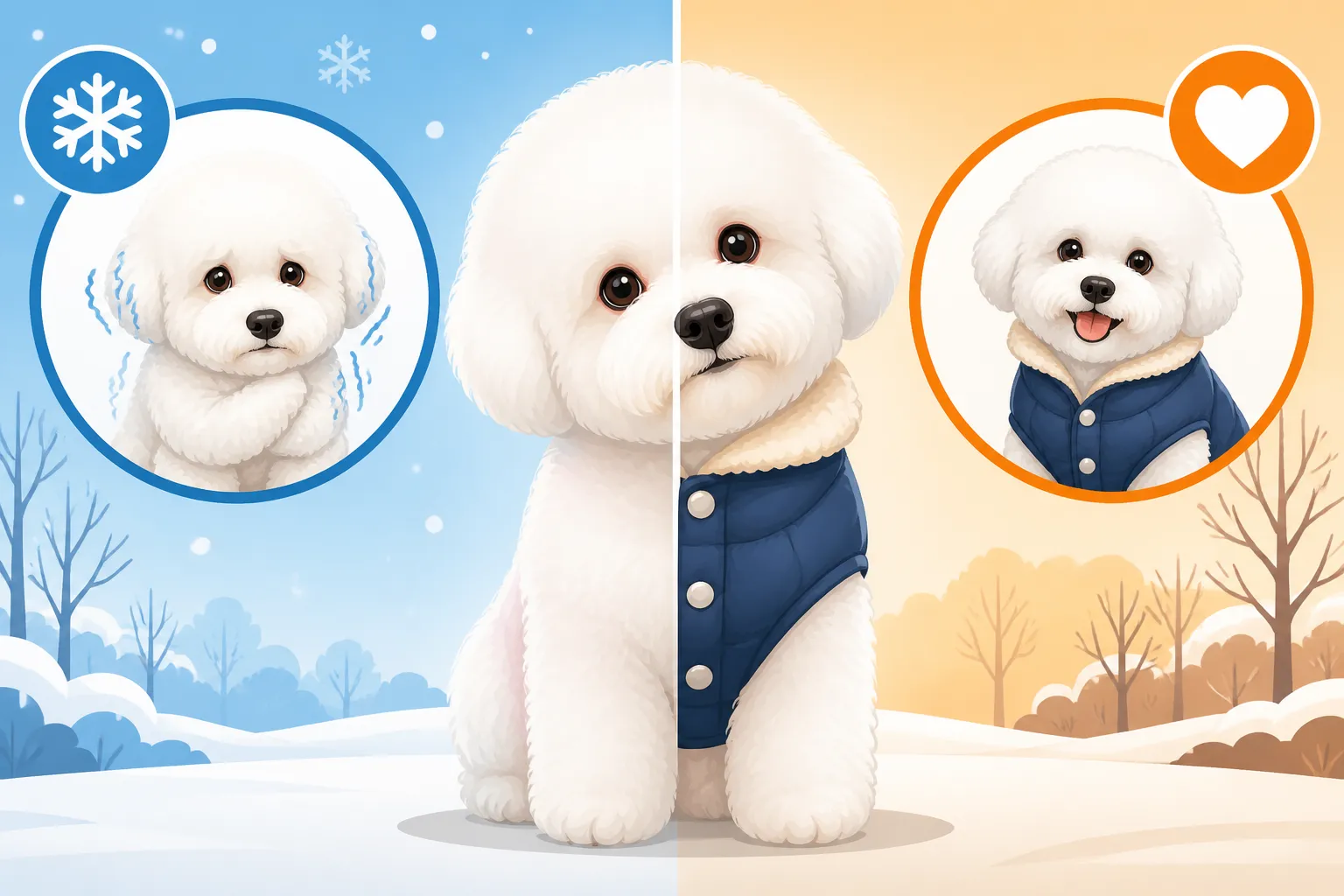
- Shivering or Trembling: This is the most obvious sign. Much like humans, dogs shiver to generate heat when they're cold. If you notice your Bichon trembling, even slightly, it's a clear signal they need to warm up.
- Hunching or Cowering: A dog that's cold will often try to make themselves smaller, tucking their tail, hunching their back, and perhaps pulling their legs in. This reduces their exposed surface area, a natural instinct to conserve heat.
- Reluctance to Move or Go Outside: If your usually enthusiastic Bichon seems hesitant to step out the door, or tries to turn back quickly during a walk, it could be because they're finding the cold unpleasant.
- Lifting Paws Off the Ground: This is a classic sign of cold paws. They might lift one paw, then another, trying to minimize contact with the icy ground. This is also a good indicator that paw protection, like booties, might be needed.
- Seeking Warmth: Your Bichon might try to burrow into your lap, blankets, or seek out sunny spots or warm air vents indoors. If they're doing this excessively after being outside, they're likely cold.
- Whining or Barking (Unusual for the situation): While not specific to cold, if accompanied by other signs, vocalizations can indicate discomfort.
Trust your instincts. If you're cold, chances are your Bichon is, too, especially if they are a senior or less robust individual.
Choosing the Right Winter Wear
Once you've determined your Bichon needs a coat, the next step is selecting the right one. There's a vast array of options out there, from stylish sweaters to highly functional snowsuits.
Here's what to consider:
- Sweaters: Great for mild chilly days, especially indoors if your home is cool, or for quick trips outside when it's not wet. They offer a layer of warmth but aren't waterproof and offer minimal protection against wind. Think of them as an extra sweater for your dog.
- Insulated Coats: These are typically made with a waterproof or water-resistant outer shell and a warm lining (fleece, down alternative). They're ideal for snowy, rainy, or windy conditions. Look for options that cover their back and extend down their sides, and ideally have some belly coverage, which is particularly important for small, short-legged dogs to protect their vulnerable undersides. Brands like those found on Chewy or Amazon offer a wide selection of these.
- Full Snowsuits/Overalls: For extreme cold, deep snow, or extended outdoor adventures, a full-body suit can provide maximum protection. These cover all four legs and the torso, preventing snow and ice from accumulating in their fur and offering comprehensive warmth.
- Booties: Don't underestimate the importance of paw protection. Booties shield paws from ice, snow, freezing pavement, and harmful de-icing chemicals like salt, which can burn their pads. Look for durable, waterproof booties with good traction. It takes some time for dogs to get used to them, so practice indoors first!
- Material: Opt for materials that are easy to clean and dry. Nylon or polyester blends for outer shells are usually good for waterproofing, while fleece or wool blends are excellent for warmth.
- Fit: This is crucial. A coat that's too tight will restrict movement and can be uncomfortable. One that's too loose can sag, get caught on things, and won't keep them warm effectively. Measure your Bichon carefully (neck, chest girth, and back length) before purchasing. Ensure it doesn't chafe under the legs or around the neck. A well-fitting harness, like the ones you might consider if reading Whether a Bichon Frise Should Wear a Harness Not a Collar, can often be worn over or under a coat, depending on the coat's design.
Other Winter Safety Tips
Beyond the coat, there are several other critical steps you can take to keep your Bichon Frise safe and comfortable in winter:
- Paw Care: Even with booties, check paws after every walk. Wipe them clean with a damp cloth to remove any salt, chemicals, or ice melt. Consider a paw balm or wax, like Musher's Secret (readily available on Amazon or Chewy), to create a protective barrier and moisturize their pads, preventing cracking. This is part of the general Whether a Bichon Frise's Paws Need Rinsing advice, but becomes even more critical in winter.
- Limit Exposure: In extreme cold, keep walks short. Just long enough for them to relieve themselves. If you usually have long, leisurely strolls, consider breaking them up into shorter, more frequent trips or engaging in indoor play instead.
- Hydration: Dogs can get dehydrated in winter too, especially with dry indoor air. Always ensure fresh water is available. Encouraging them to drink, perhaps by adding a little water to their food or using a pet fountain, is always a good idea, as discussed in Whether a Bichon Frise Should Be Encouraged to Drink.
- Snow/Ice Accumulation in Fur: For Bichons with longer coats, snow and ice can accumulate into painful ice balls between their paw pads and on their belly and legs. Trim the hair around their paws short to minimize this, and brush them thoroughly after outdoor excursions.
- Never Leave in a Cold Car: Just as you wouldn't leave a dog in a hot car, never leave them in a cold car. Temperatures can drop rapidly, leading to hypothermia.
- Supervise Outdoor Time: Always supervise your Bichon when they're outside in cold weather, especially if you have a yard. They might seem fine, but conditions can change quickly, or they might get too cold without you noticing.
By being observant and proactive, you can ensure your fluffy friend stays snug and healthy all winter long.
Grooming and Winter Coat Management
The Bichon Frise's iconic coat is truly a marvel, but it requires diligent care to remain both beautiful and functional, especially in the winter months. A well-managed coat is your dog's first line of defense against the cold.
Maintaining Coat Health for Winter Warmth
Your Bichon's double coat acts like a natural insulating blanket, but only if it's in top condition. Neglecting their grooming routine in winter can actually make them colder, despite their abundant fur.
- Preventing Mats: Mats are the arch-nemesis of a Bichon's coat, particularly in winter. When fur mats, it pulls tightly against the skin, restricting blood flow and causing discomfort. More importantly for warmth, mats flatten the coat, preventing the dense undercoat from trapping insulating air. Instead of a fluffy, warm layer, you get a compressed, ineffective barrier that actually holds cold and moisture against the skin. Regular, thorough brushing right down to the skin is non-negotiable. If you're doing this at home, consider investing in What a Home Grooming Kit Costs a Bichon Frise Owner to have the right tools, and commit to understanding techniques like line brushing.
- Appropriate Coat Length: While you might think a very long coat is warmest, if it's not meticulously maintained, it can quickly mat and become a hindrance. A moderately long, well-brushed coat is often ideal for winter. It provides ample insulation without being so long that it drags in snow, collects ice balls, or becomes impossible to keep mat-free. Avoid extremely short clips in winter unless absolutely necessary for health reasons, as this removes their natural protection.
- Regular Bathing and Drying: Even in winter, regular baths are important to keep the coat clean and free of dirt and debris that can contribute to matting. After bathing, it's crucial to dry your Bichon thoroughly and brush as you dry to ensure the coat is fluffy and fully extended, maximizing its insulating capacity. A damp coat, even if clean, is a cold coat. Make sure their coat is completely dry before they head out into the cold or settle down for a nap.
Post-Outdoor Care in Winter
The moments immediately following a winter walk are just as important as the preparation. Your Bichon can pick up all sorts of things on their fur and paws that can cause discomfort or even health issues.
- Thorough Drying After Snow/Rain: If your Bichon gets wet from snow, sleet, or rain, don't just let them air dry. Towel them off vigorously, paying special attention to their legs, belly, and between their paw pads. If they're really soaked, use a pet-safe hairdryer on a low, cool setting, brushing the fur as you go to ensure it dries evenly and fluffs up. This helps restore their coat's insulating properties quickly and prevents them from getting chilled.
- Checking for Ice Balls, Salt, and Debris: After a walk in snowy or icy conditions, always check your Bichon's paws, legs, and belly for ice balls that can form in their fur. These are painful and can pull at the skin. Gently melt them with warm water or carefully break them up. Also, look for rock salt, gravel, or other debris that can get stuck in their paw pads. These can cause irritation, cuts, or chemical burns. Wiping their paws with a warm, damp cloth, as you might after a walk in general (consider Whether a Bichon Frise's Paws Need Rinsing), is extra important here.
- Skin Health Considerations: Constant exposure to cold, dry air, coupled with fluctuating temperatures as they go in and out, can be harsh on your Bichon's skin. If their skin is already sensitive, perhaps due to allergies or other conditions, winter can exacerbate dryness and irritation. Pay attention to any redness, flaking, or excessive itching. Maintaining a healthy coat through proper grooming supports skin health. If you notice persistent skin issues, it might be time for a vet check, especially if you're concerned about underlying conditions. For general skin health, products like gentle, moisturizing shampoos can help, or for more specific concerns, discussions around topics like Managing a Bichon Frise's Skin Without Steroids might be helpful with your vet.
By diligently managing your Bichon's coat and providing thorough post-outdoor care, you're not just maintaining their pristine appearance; you're actively contributing to their warmth, comfort, and overall health during the challenging winter months.
Summary Table: Winter Wear for Your Bichon Frise
To help you quickly decide what kind of protection your Bichon might need, here’s a quick guide based on common winter scenarios:
| Weather Condition | Temperature Range | Wind & Precipitation | Recommended Winter Wear | Notes |
|---|---|---|---|---|
| Mildly Chilly | 40-50°F (4-10°C) | Low to None | Light sweater or fleece vest | Good for short walks or indoor warmth if your home is cool. Less crucial for active dogs. |
| Cold & Breezy | 30-40°F (-1-4°C) | Moderate wind, dry | Insulated, windproof coat | Essential for most Bichons, especially seniors or those with shorter trims. Provides core warmth. |
| Freezing & Snowy/Wet | Below 32°F (0°C) | Snow, sleet, rain | Waterproof, insulated coat + booties | Crucial for preventing hypothermia and protecting paws from ice and chemicals. Ensure belly coverage. |
| Extreme Cold/Blizzard | Below 20°F (-7°C) | Strong wind, heavy snow | Full-body snowsuit + booties | Limit outdoor time severely. These conditions are dangerous for small dogs. Full coverage offers maximum protection. |
| Icy Pavement/Salted Areas | Any temperature below freezing | Icy surfaces | Booties (even without a coat if weather is mild otherwise) | Protects paws from painful ice, sharp surfaces, and caustic de-icing chemicals. Consider paw balm under booties for extra care. |
Remember, this table is a general guide. Always observe your individual Bichon Frise for signs of discomfort, and adjust their winter protection accordingly. For their comprehensive daily needs, including year-round care, you might find more helpful information in What a Bichon Frise Needs Every Day.
Disclaimer
This article is for general informational purposes only and does not constitute professional advice. Laws, prices and regulations vary by location and change over time. Consult a qualified professional for guidance on your specific situation.