Whether a Bichon Frise Overheats in Summer
The sweet, fluffy face of a Bichon Frise can make them seem like little clouds, immune to the summer heat, but this couldn't be further from the truth. Many Bichon owners worry about their furry companions when the mercury rises, and for good reason—these beloved dogs are absolutely susceptible to overheating and heatstroke, which can turn into a life-threatening emergency surprisingly quickly. This guide will walk you through understanding why your Bichon is at risk, how to spot the early warning signs, and most importantly, how to keep them safe and comfortable when summer temperatures soar.
Understanding Your Bichon Frise's Unique Heat Challenges
It's easy to look at a Bichon Frise and assume their fluffy white coat is a hindrance in summer, making them hotter. While that thick coat can hold heat, there are several factors beyond just their fur that make them particularly vulnerable to overheating. Understanding these nuances is the first step in truly protecting your little friend.
The Double Coat Dilemma
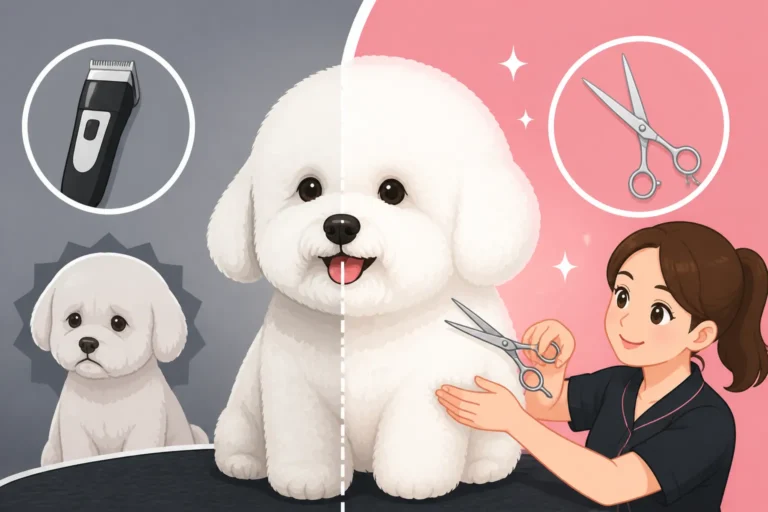
Unlike some breeds, the Bichon Frise boasts a luxurious double coat: a soft, dense undercoat and a coarser, curly outer coat. This coat is actually quite remarkable; in winter, it provides insulation against the cold, and in summer, if properly maintained, it can offer a degree of protection against the sun's rays and even help regulate body temperature by trapping cooler air close to the skin. The problem arises when this coat becomes matted or isn't brushed regularly. A matted coat loses its insulating properties and traps heat, preventing air circulation and making your Bichon feel much hotter than they should. Many people mistakenly believe shaving their Bichon completely solves the problem, but a very short clip can expose their delicate skin to sunburn and actually reduce their natural insulation, potentially making them more vulnerable. Regular grooming, including thorough brushing to remove dead undercoat, is far more beneficial than a drastic shave. For more on keeping that coat healthy, you might find The Powder Puff Outline a Bichon Frise Is Scissored Into helpful.
Brachycephalic Tendencies and Respiratory Risk
While not classified as a severely brachycephalic (short-nosed) breed like a Bulldog or Pug, Bichons do have a somewhat shorter muzzle compared to many other dogs. This facial structure can make them slightly less efficient at panting, which is a dog's primary way of cooling down. When a dog pants, air passes over the moist surfaces of their tongue and respiratory tract, and as the moisture evaporates, it carries heat away from the body. If their airways are even slightly constricted due to their facial structure or exacerbated by humidity or existing conditions like a Whether a Bichon Frise Gets a Collapsing Trachea, their ability to cool themselves efficiently can be compromised. This means they have to work harder to breathe, which in turn generates more body heat, creating a dangerous cycle in hot weather.
Size, Activity, and Underlying Health Concerns
The small size of a Bichon Frise means they have a relatively large surface area to body mass ratio, which might seem like it would help them cool faster, but it also means they can absorb heat quickly from hot surfaces or direct sunlight. Their activity levels also play a huge role. A Bichon performing their famous "Bichon Blitz" zoomies in the midday sun is putting themselves at far greater risk than one calmly lounging in the shade. Furthermore, any underlying health conditions can significantly heighten their risk of overheating. Dogs with heart conditions, respiratory issues, obesity, or endocrine disorders like Cushing's Disease in a Bichon Frise Past Seven are far less tolerant of heat and humidity. Even seemingly minor issues can compound the stress heat places on their system. For example, a Bichon battling What Atopic Dermatitis Does to a Bichon Frise might be more stressed and prone to secondary issues in humid heat.
Recognizing the Early Warning Signs of Overheating
Catching the signs of overheating early can make all the difference between a minor scare and a trip to the emergency vet. As a devoted Bichon owner, becoming attuned to subtle changes in their behavior and physical state is crucial when the temperatures rise.
Subtle Changes in Behavior
Your Bichon might not suddenly collapse; often, the initial signs of overheating are subtle. They might become noticeably more lethargic than usual, even if they're typically quite energetic. Imagine your usually playful Bichon, who would normally greet you at the door with a wagging tail and a little dance, instead just lifting their head slowly or staying curled up in their bed. They might start seeking out cooler spots in the house more persistently, like lying on tile floors in the bathroom or trying to burrow under furniture where it's shady. Their play drive might diminish entirely; a tossed toy might be ignored, or they might take only a few steps before lying down. They might also appear restless, unable to get comfortable, constantly shifting position in an attempt to find a cooler spot. Don't dismiss these minor behavioral shifts as just "being sleepy" or "lazy" on a hot day. They are often your Bichon's first quiet plea for help.
Physical Indicators to Watch For
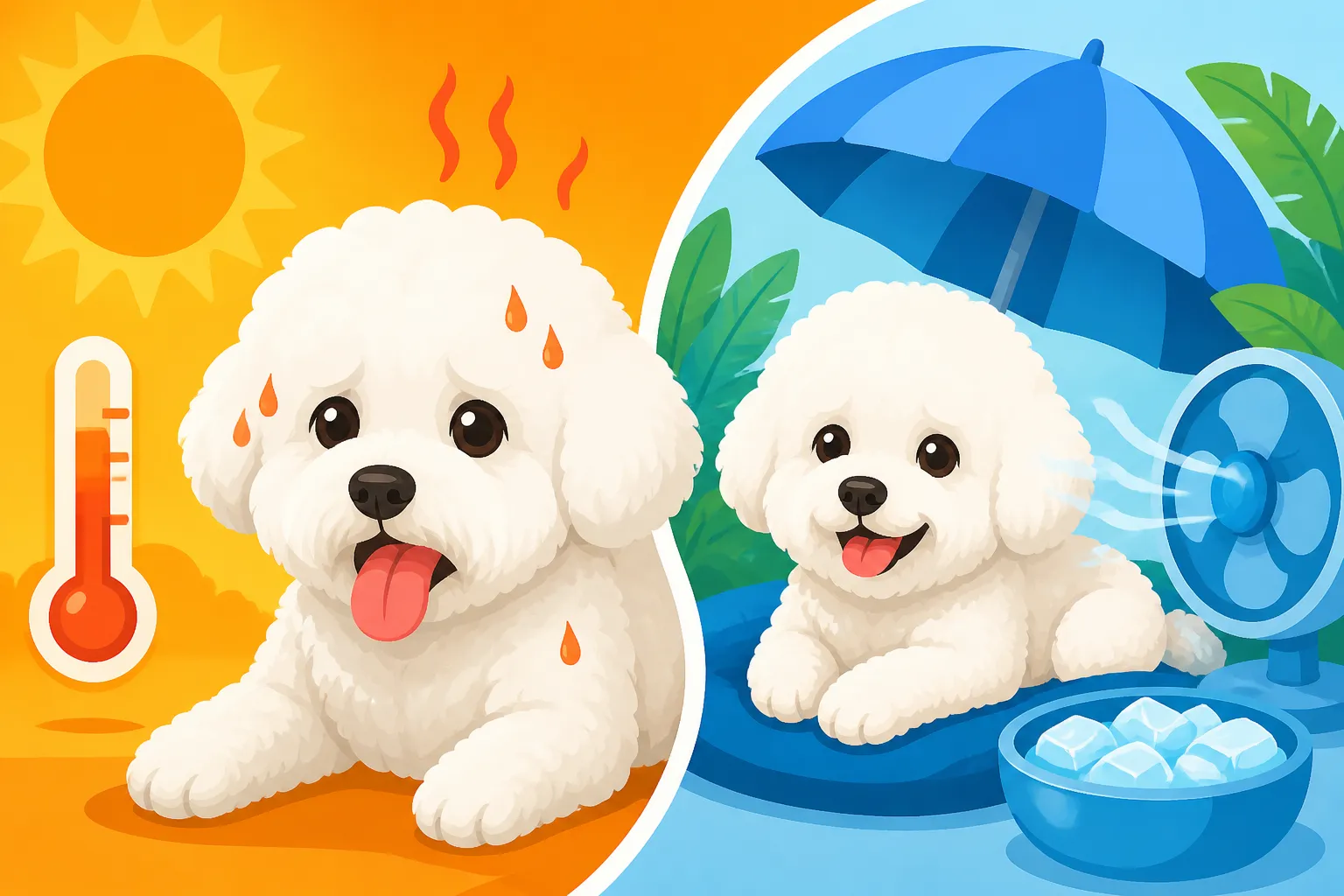
As overheating progresses, more obvious physical signs will emerge. One of the most common and critical indicators is excessive panting. While panting is normal, you'll notice it becoming heavier, faster, and more labored than usual. Their breathing might sound noisy, almost raspy. Their gums might appear a brighter red than normal as their blood vessels dilate in an effort to cool down. You might also notice an increase in drooling, as their body tries to evaporate more moisture. Their eyes might look a bit glazed over or wide, and their coordination could become impaired, leading to staggering or an unsteady gait. In more severe cases, you might observe vomiting or diarrhea. If you notice these symptoms, especially if combined with any of the behavioral changes, it's time to act immediately.
When a Hot Bichon Becomes an Emergency
Unfortunately, overheating can quickly escalate into a life-threatening condition known as heatstroke. If your Bichon's symptoms progress to collapse, severe disorientation, seizures, or unconsciousness, this is an undeniable emergency. Their gums might turn from bright red to pale, gray, or even bluish as their circulation falters. Their body temperature will be extremely high – anything over 104°F (40°C) is cause for serious concern and requires immediate veterinary intervention. At this point, home remedies like cooling baths are secondary to getting professional medical help. Every second counts, so do not delay in contacting your veterinarian or the nearest emergency animal hospital. You'll want to get your Bichon into a cool car as quickly as possible, run the air conditioning, and make that call on the way.
Practical Strategies for Keeping Your Bichon Frise Cool
Preventing overheating is always easier and safer than treating it. By making a few adjustments to your routine and environment, you can significantly reduce your Bichon Frise's risk of heat-related illness.
Adjusting Their Daily Routine
The simplest and most effective strategy is to adjust your Bichon's outdoor activities to the coolest parts of the day. This typically means very early morning walks before the sun gets intense and late evening strolls after the heat has started to dissipate. During the peak heat of the day (usually between 10 AM and 4 PM), keep outdoor time to a minimum—think quick potty breaks only, ideally in a shaded area. If your Bichon loves to play, break up their activity into short bursts rather than one long session. Instead of a 30-minute fetch game, try 5-10 minutes in the cool morning, then another 5-10 in the evening. Always be mindful of the pavement temperature; if it's too hot for your bare hand, it's too hot for their paws, which can not only cause burns but also transfer heat rapidly to their body.
Grooming and Hydration as Your First Line of Defense
Proper grooming is paramount for a Bichon in warm weather. Regular, thorough brushing is essential to remove loose undercoat, which can trap heat and prevent air circulation. This isn't about shaving them down, but about maintaining a healthy, unmatted coat that can do its job of insulation. For deep insights into their coat care, consider How Long Brushing a Bichon Frise Takes or Whether a Bichon Frise Needs Its Feet Trimmed Round.
Hydration is equally critical. Always ensure your Bichon has access to fresh, cool water. Consider placing multiple water bowls around the house, especially near their favorite lounging spots. Some Bichons are encouraged to drink more from a pet water fountain, which you can often find readily available from retailers like Chewy or Amazon. You can also add a splash of water to their kibble or offer wet food options, perhaps exploring brands like Ollie, to naturally increase their fluid intake. Frozen treats, like ice cubes or diluted, pet-safe broth frozen into molds, can also be a fun way to get more water into them. For tips on encouraging hydration, Getting Enough Water Into a Bichon Frise offers more advice.
A table summarizing smart summer practices:
| Activity / Practice | Summer Best Practice | Why It Helps |
|---|---|---|
| Walks & Exercise | Early morning & late evening only. Avoid midday sun. | Reduces exposure to peak heat and hot pavements. |
| Grooming | Brush daily to remove loose undercoat. Maintain appropriate coat length. | Allows air circulation, prevents matting, provides natural insulation/sun protection. |
| Water Access | Multiple bowls of fresh, cool water. Water fountain. Ice cubes. | Encourages constant hydration, which is vital for internal cooling. |
| Cooling Aids | Cooling vests, mats, damp towels (not frozen). | Provides external cooling, draws heat away from the body. |
| Treats | Frozen fruit (dog-safe), ice, or pet-safe broth popsicles. | Hydrates and offers a cooling sensation from the inside out. |
| Travel | Limit car rides. Use AC. Never leave unattended. | Prevents rapid heat buildup in confined spaces. |
Creating a Cool Home Environment
Your home should be a sanctuary from the heat. If you have air conditioning, keep it running at a comfortable temperature. If not, fans can help circulate air, but remember they cool dogs less effectively than humans (dogs cool primarily through panting, not sweating through skin). Draw curtains or blinds on sunny windows to keep direct sunlight out. Tiled floors or a designated "cool spot" in a shaded room can be a godsend for your Bichon. Cooling mats, which activate with pressure or a quick chill in the fridge, can also provide relief. You can find many options for these on Amazon or Chewy. Never leave your Bichon unattended in a car, even with the windows cracked or "for just a minute." Car interiors can reach lethal temperatures in a very short time, and it's simply not worth the risk.
Common Misconceptions and What Not to Do
In an effort to keep our beloved Bichons cool, sometimes well-intentioned actions can actually be detrimental. Let's clear up a few common misunderstandings.
The Shaving Debate
As mentioned earlier, completely shaving a Bichon Frise down to the skin might seem like the logical solution to heat, but it often does more harm than good. Their double coat provides a natural layer of insulation against both cold and heat. Removing this layer can actually make it harder for them to regulate their body temperature. Think of it like a thermos; it keeps things both hot and cold. Additionally, a very short clip leaves their delicate skin exposed to the sun, increasing their risk of sunburn and even skin cancer, particularly for their sensitive pink skin that might lie beneath that white fluff. Instead of shaving, focus on regular brushing to remove dead undercoat and keep the coat at a manageable length, typically around 1-2 inches. If you're considering a change in style for the warmer months, consult with a professional groomer who understands the Bichon coat, as discussed in Why a Groomer Scissors a Bichon Frise Instead of Clipping It.
Leaving Them Unattended in Cars or Hot Spaces
This cannot be stressed enough: never leave your Bichon Frise (or any pet) alone in a car, even with the windows cracked or on a seemingly mild day. The temperature inside a car can rise to dangerous, even fatal, levels in minutes. What feels like a comfortable 70°F (21°C) outside can quickly become 100°F (38°C) or more inside a parked vehicle. This also applies to unventilated garages, sunny conservatories, or any other enclosed space where temperatures can rapidly escalate. It's a risk that is simply not worth taking. If you're running errands, leave your Bichon at home in a cool, safe environment.
Over-reliance on "Cooling" Products Alone
While cooling vests, mats, and other gadgets can be wonderful aids in managing heat, they are not a substitute for common sense and responsible pet ownership. These products supplement other strategies but do not negate the need for shaded rest, ample water, and avoiding peak heat hours. For example, a cooling vest on a Bichon that is still being walked at noon on hot pavement isn't going to prevent heatstroke. They are tools to assist your efforts, not to replace them. Always monitor your Bichon closely, even when using cooling products, and remember that nothing beats a cool, safe environment and careful management during the hottest months.
Taking proactive steps and staying vigilant are the best ways to ensure your cheerful companion remains happy and healthy all summer long.
Disclaimer
This article is for general informational purposes only and does not constitute professional advice. Laws, prices and regulations vary by location and change over time. Consult a qualified professional for guidance on your specific situation.