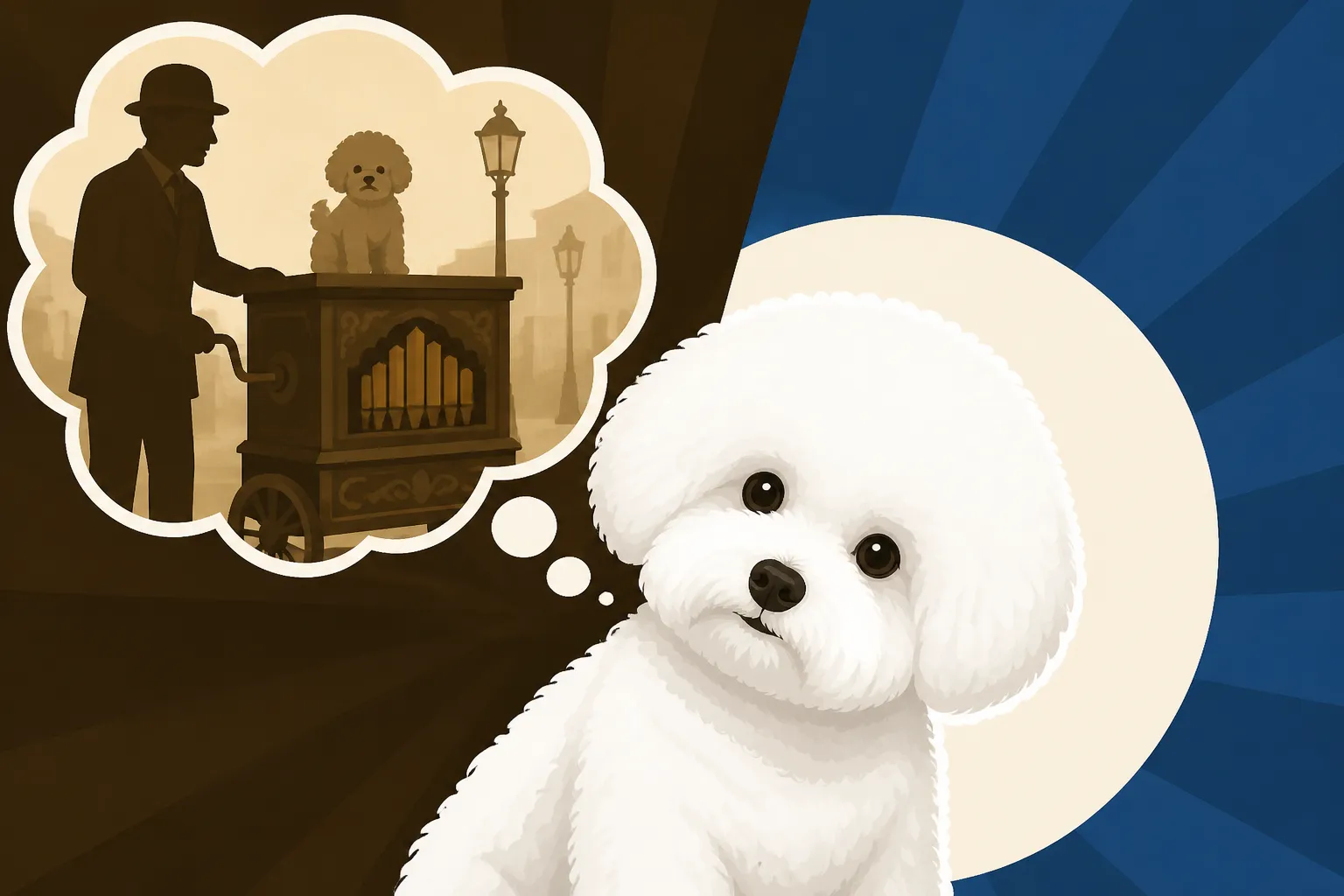
Whether Bichon Frises Worked With Organ Grinders
It's easy to look at our fluffy, pampered Bichon Frises today, lounging on soft beds and demanding gourmet treats, and imagine they've always led a life of luxury. But for many dog breeds, especially those with a long history, there were periods of great hardship and very different roles. It can be quite a shock to discover the less glamorous chapters of their past, particularly the rumors about them working alongside organ grinders on bustling street corners. This guide will delve into the historical reality of the Bichon Frise's journey, exploring whether these cheerful little dogs truly found themselves earning their keep in such a humble, demanding profession.
The Unlikely Fall from Aristocracy
Before we even consider a Bichon Frise shaking a tin cup, it’s crucial to understand just how far these dogs fell. For centuries, Bichon-type dogs were the darlings of European royalty and nobility. They were literally lap warmers and companions for queens, kings, and their courts, living a life of utter indulgence. Their charming personalities and cloud-like coats made them symbols of status and affection. Imagine them draped in silk, nibbling on delicacies, and being carried everywhere by attendants. That was their normal.
From Palace to Pavement: A Royal Downfall
The story of the Bichon Frise is intertwined with dramatic shifts in European society. During the Renaissance, Italian sailors are believed to have brought these small, curly-coated dogs from the Canary Islands to Italy, where they quickly enchanted the aristocracy. They spread through the courts of Spain and eventually found immense favor in France during the reign of King Henry III, who reportedly carried his Bichons in a basket around his neck. These were dogs of privilege, comfort, and high fashion, their white coats a pristine canvas for aristocratic taste. Their very presence was a mark of luxury.
However, the wheels of history turn, and with them, fortunes change dramatically. The French Revolution was a cataclysmic event that didn't just depose royalty; it turned their entire world upside down. Suddenly, symbols of aristocracy became targets. Dogs associated with the court, once cherished, were cast out, their lives abruptly devoid of luxury and security. This was a sudden, brutal transition for a breed accustomed to the softest linens and the finest foods. The comfortable world they knew simply vanished overnight, forcing them to adapt in ways no one could have predicted. It’s hard to imagine, especially when you think of our modern Bichons getting their special diets from Chewy.
The Rise of the Commoner's Companion
As the revolution raged and its aftermath settled, the Bichon Frise found itself in a drastically altered landscape. No longer the exclusive pet of the elite, these resilient little dogs, with their innate charm and intelligence, had to find new ways to survive. They adapted surprisingly well to this new, harsher reality, blending into the lives of ordinary citizens. This period transformed them from regal companions into resourceful survivors. They became popular among people from all walks of life, cherished for their affectionate nature and lively spirit, even if their circumstances were now far removed from their aristocratic past.
This adaptability is a testament to the breed's fundamental character. Despite losing their gilded cages, they didn't lose their spark. Instead, they showcased a remarkable resilience, proving that their true value wasn't tied to their owners' wealth, but to their own endearing qualities. They continued to bring joy and companionship, albeit in very different settings. It's a stark contrast to how we view pet ownership today, where a dog's well-being often means a trip to the vet or a carefully selected, nutritious meal plan.
The Era of Street Performance
When a breed falls from grace as dramatically as the Bichon Frise did after the French Revolution, they don't just disappear. They adapt. And for many small, intelligent, and personable dogs during that tumultuous time, adaptation often meant finding a way to entertain. The streets of Europe became their new stage, and their natural vivacity, combined with a willingness to learn, made them ideal candidates for various forms of street performance.
Beyond the Palace Walls: A New Calling
The period following the French Revolution saw a surge in street entertainment across Europe. With the old order dismantled, many people, including those who once worked for the nobility, found themselves without stable employment. Entertainment became a vital source of income and a way to lift spirits in uncertain times. Organ grinders, traveling musicians, and other performers roamed cities and towns, and often, they had a canine assistant by their side. These dogs weren't just props; they were often integral parts of the act, drawing crowds and charming onlookers into parting with their spare coins. The Bichon Frise Street Performing Years After the Revolution were truly a time of transformation for the breed.
The Bichon Frise, with its bright eyes, fluffy white coat, and naturally cheerful disposition, would have been a captivating sight. Their small size made them easy to transport, and their intelligence made them quick learners. This wasn't about being pampered anymore; it was about survival, about using their inherent talents to contribute to their human companions' livelihoods. It’s a stark reminder that the history of dog breeds is often a mirror to human history, reflecting societal changes and economic pressures.
The Organ Grinder's Companion: Fact or Fiction?
So, did Bichon Frises truly work with organ grinders? The answer is a resounding yes. While not every Bichon ended up in this line of work, many certainly did. The image of a small, white dog, perhaps wearing a tiny costume, collecting coins in a cap or basket while an organ grinder played a lively tune, is a classic depiction of this era. Their appealing looks and ability to perform simple tricks made them perfect partners.
They were specifically chosen for their endearing qualities and their ability to draw a crowd. A cute dog performing a little dance or offering a paw was far more effective at eliciting donations than an organ grinder alone. This wasn't necessarily a life of cruelty, though it was certainly hard work and far from luxurious. It was a partnership born of necessity, where both human and dog relied on each other to make a living. This historical context provides a fascinating insight into the breed's journey and their incredible versatility, showing that their "merry temperament" (as described in The Merry Temperament the Bichon Frise Standard Demands) has deep roots in their past.
The Skills of a Street Performer Bichon
Life on the streets required a very different skill set than lounging in a royal court. A performing Bichon Frise had to be more than just pretty; they needed intelligence, agility, and a robust temperament to handle the unpredictable nature of public performance. They were, in essence, working dogs, albeit in an unconventional way.
Training for the Stage (or Street)
To be a successful street performer, a Bichon Frise needed to be remarkably trainable. They weren't performing complex circus acts, necessarily, but simple, repeatable tricks that charmed an audience. Think about things like sitting up on command, offering a paw, doing a little spin, or even "playing dead." These were all tricks easily taught to an intelligent, food-motivated dog. The connection between dog and handler would have been paramount, built on trust and consistent cues. Whether a Bichon Frise Is Easy to Train certainly factored into their suitability for this kind of work.
The training itself would have been practical and focused on immediate results. There were no fancy dog academies; it was hands-on, day-to-day instruction. They learned to navigate crowded streets, tolerate loud noises, and interact with strangers – all while staying focused on their human partner. This demanding lifestyle highlighted their sharp minds and eagerness to please, qualities that still make them wonderful companions today, whether they're learning a trick for a treat from Chewy or just mastering "sit" for praise.
The Performer's Temperament
Beyond tricks, a street-performing Bichon Frise needed a specific temperament. They couldn't be shy or easily startled. They needed to be confident, adaptable, and outwardly friendly to attract and engage passersby. A timid dog wouldn't earn its keep. Their inherent cheerfulness, a hallmark of the breed, would have been a huge asset, radiating a positive energy that was contagious. Whether Circus Ancestry Shows in a Bichon Frise is a topic that explores this very trainability and inherent showmanship.
This era reinforced the breed's reputation for being outgoing and sociable. They learned to handle all sorts of environments, from bustling marketplaces to quiet village squares. This resilience and unwavering good nature are qualities still deeply embedded in the breed's personality today. Imagine the noise, the crowds, the sudden movements – a Bichon working with an organ grinder had to take it all in stride and still deliver a charming performance.
The Distinction: Organ Grinders vs. Circuses
It's easy to lump all performing dogs together, but there's a subtle yet significant difference between working with an organ grinder and performing in a circus. While both involved entertainment, the scale, environment, and demands were distinct.
The Intimacy of Street Performance
Working with an organ grinder was often a more intimate, localized affair. It was about individual performers and their dogs working a particular street corner or market square, interacting directly with a small audience at a time. The performances were simpler, relying more on the dog's innate charm and basic tricks. The living conditions, while humble, were typically shared with their human companion, often in a small dwelling or on the road. It was a day-to-day grind, literally, with immediate rewards in the form of coins.
The bond between the organ grinder and their Bichon was likely very strong, a partnership built on mutual reliance. The dog wasn't just an employee; it was often the family pet, a lifeline, and a constant companion. This wasn't a large, organized production; it was often a personal endeavor, requiring trust and understanding between dog and owner. This form of employment for the breed highlights their adaptability to different social strata after their time with The French Court That Made the Bichon Frise Fashionable ended.
The Grandeur of the Big Top
Circuses, on the other hand, were larger-scale productions, often involving multiple acts, elaborate costumes, and more complex routines. While Bichons certainly found roles in circuses – their intelligence and appealing looks made them natural fits for various acts – the environment was much grander and more structured. Circus dogs might perform more acrobatic feats, work with other animals, and travel as part of a larger troupe. Whether Bichon Frises Performed in Circuses is a related but distinct aspect of their performing history.
The skills required for circus work could be more specialized, demanding higher levels of agility and coordination. The training might involve more specialized equipment and a more rigorous schedule. While both types of performance showcased the Bichon's talents, the organ grinder role represents a more grassroots, immediate form of earning a living, directly born from societal upheaval, while circus work, though still demanding, often implied a more established entertainment industry.
The Legacy of the Performing Bichon
The era of the street-performing Bichon Frise eventually faded, but it left an indelible mark on the breed's history and character. This period of necessity helped solidify some of the traits we cherish in them today, proving their enduring appeal and resilience.
Survival, Not Just Showmanship
For the Bichons of this time, performing was not just about showmanship; it was about survival. It taught them to be adaptable, to trust their human companions implicitly, and to use their engaging personalities to navigate a challenging world. This resilience is a core part of their genetic makeup, even if our modern Bichons never have to perform for their supper. It's a testament to the breed's fortitude that they didn't just survive this difficult chapter but emerged from it with their characteristic charm intact.
This period of their history is a stark reminder that dogs, especially those living through times of social and economic instability, have often played vital, active roles in their human families' survival, rather than just being pets. It shows a powerful symbiotic relationship where both species benefited from the partnership, highlighting the deep connection between humans and dogs throughout history.
From Street Act to Beloved Pet Again
As society stabilized and attitudes towards animals shifted, the need for street-performing dogs declined. Fortunately, the Bichon Frise's inherent charm and intelligence never truly diminished, and they eventually found their way back into homes as cherished companions. Their history of performing, however, contributed to their reputation as intelligent, trainable, and delightful dogs. How the Bichon Frise Was Rescued After the Wars speaks to the efforts made to preserve and elevate the breed back to a place of honor.
Modern Bichons may not be collecting coins, but their lively spirit, eagerness to learn, and ability to bring a smile to anyone's face are direct echoes of their street-performing ancestors. They may not be wearing tiny hats and dancing for pennies, but they certainly still perform for their families, whether it's the "Bichon Blitz" (a sudden burst of zoomies) or simply charming us with their playful antics. Understanding this past enriches our appreciation for the fluffy white dogs curled up at our feet today.
Modern Bichon Frise and Their Care
Today, the Bichon Frise enjoys a life of comfort and companionship, a far cry from their street-performing days. Their needs are now centered around health, grooming, and mental stimulation, reflecting their status as beloved family members.
Health and Nutrition for the Modern Bichon
Unlike their ancestors who likely scavenged or ate whatever scraps they could get, modern Bichons thrive on carefully balanced nutrition. High-quality dog food, often specifically formulated for small breeds, is essential for their health and longevity. Many owners consult with their vets to choose the best diet, sometimes even opting for specialized foods available from retailers like Chewy, especially if their Bichon has particular health needs. Regular vet check-ups are standard, helping to catch any potential health issues early, a luxury their performing predecessors could only dream of.
Beyond food, hydration is key, and ensuring they have fresh water available at all times is crucial. Some owners even use filtered water or offer wet food to boost their water intake. This focus on preventative care and optimal nutrition ensures our Bichons live long, healthy lives, a stark contrast to the often short and unpredictable lives of their performing ancestors. We now understand so much more about canine health, from managing allergies to preventing conditions like bladder stones, which Bichons are prone to.
Grooming: A Prerequisite, Not a Luxury
The Bichon Frise's iconic fluffy white coat requires significant grooming, which is no longer just for aesthetics, but for health and comfort. Regular brushing prevents matting, and professional grooming every few weeks helps maintain their distinctive "powder puff" look. This is a far cry from the utilitarian trims, or lack thereof, that a street-performing Bichon might have received.
Today, grooming is an essential part of their care routine, often involving specialized shampoos, conditioners, and regular trips to a professional groomer. Owners invest in good grooming tools, sometimes purchased from reputable online stores like Chewy, to keep their Bichons looking and feeling their best. This commitment to grooming reflects our modern understanding of their unique coat needs and our desire for them to be comfortable and clean. The contrast with their past, where perhaps a quick trim with whatever was available was all they got, is striking.
Activities and Training for Today's Bichon
While no longer performing for coins, modern Bichons still benefit immensely from training and mental stimulation. Their intelligence and eagerness to please make them excellent candidates for obedience classes, trick training, or even dog sports like agility. These activities provide mental enrichment and strengthen the bond with their owners. Whether a Bichon Frise Can Do Agility speaks to their inherent capabilities for such activities.
Regular walks and playtime are crucial for their physical and mental well-being. Even if they are perfectly content to be lap dogs, a certain amount of exercise prevents boredom and keeps them healthy. Interactive toys, puzzle feeders, and consistent positive reinforcement training keep their minds engaged, ensuring they are happy, well-adjusted companions. This emphasis on enrichment highlights the profound shift in our relationship with dogs, from working partners out of necessity to cherished members of our families.
| Aspect | Bichon Frise: Street Performer Era | Bichon Frise: Modern Pet Era |
|---|---|---|
| Primary Role | Entertainment, income generation | Companion, family member |
| Diet | Scraps, whatever was available | Balanced, high-quality dog food |
| Shelter | Shared humble lodging, on the road | Comfortable home, dedicated bed |
| Grooming | Minimal, functional | Regular, professional, aesthetic-focused |
| Veterinary Care | None, relied on natural immunity | Regular check-ups, preventative care |
| Training Focus | Tricks for performance, obedience | Obedience, enrichment, companionship |
| Social Status | Commoner's companion | Valued family member, often pampered |
| Daily Life | Unpredictable, demanding | Structured, secure, comfortable |
Conclusion: A History of Resilience and Charm
The history of the Bichon Frise is a truly remarkable one, marked by dramatic highs and lows. From the opulent courts of Europe to the bustling, dusty streets of post-revolutionary France, these charming little dogs have proven their incredible adaptability and enduring spirit. The notion of them working alongside organ grinders isn't a myth; it's a testament to their resilience and their ability to forge deep, symbiotic relationships with humans, even in the most challenging of circumstances. The Barbichon Family the Bichon Frise Belongs To has always been known for its engaging nature.
Understanding this aspect of their past doesn't diminish their current status as pampered pets; rather, it deepens our appreciation for their inherent qualities. The intelligence, cheerful temperament, and robust nature that allowed them to charm audiences for pennies are the same traits that make them such beloved companions today. Whether they were performing for a queen or for a coin, the Bichon Frise has always been a beacon of joy and companionship. So, next time your fluffy white friend demands a treat or cuddles on the sofa, remember the fascinating journey their ancestors took, and perhaps give them an extra pat for their incredible spirit. The long journey from Where the Bichon Type Dogs Came From to our modern homes has been nothing short of extraordinary. Even after their name was officially streamlined, as explored in Whether the Bichon Frise Name Was Changed in 1933, their core traits remained.
Disclaimer
This article is for general informational purposes only and does not constitute professional advice. Laws, prices and regulations vary by location and change over time. Consult a qualified professional for guidance on your specific situation.