Whether Bichon Frises Performed in Circuses
You see a fluffy, white Bichon Frise today, perhaps curled up on a sofa or playfully dashing through a park, and it's hard to imagine them doing anything more strenuous than chasing a squeaky toy. Yet, if you delve into their rich history, you might stumble upon whispers of these delightful dogs gracing an entirely different stage: the bustling, vibrant world of the circus. This guide will take you on a fascinating journey through their past, exploring the historical evidence and inherent traits that suggest these cheerful companions truly did perform under the big top.
The Historical Journey of the Bichon Frise
The Bichon Frise, with its cloud-like coat and engaging personality, has a history far more dramatic and varied than its pampered modern image might suggest. These dogs haven't always been the beloved household companions we know today; their journey through the centuries involved significant shifts in social standing and purpose, which ultimately led some of them to the performing arts. Understanding this historical trajectory is key to appreciating their potential role in circuses.
From Noble Lapdog to Commoner's Companion
Our story begins centuries ago, with the Bichon Frise's ancestors, the "Barbichon" dogs, originating in the Mediterranean region. These charming, small white dogs were adored by sailors and quickly spread across various European ports. Eventually, they made their way to the Canary Islands, particularly Tenerife, which is why they were often called "Tenerife dogs." From these sunny islands, Italian sailors were instrumental in bringing them back to continental Europe, where their true rise to prominence began. The Canary Island the Bichon Frise Is Named After
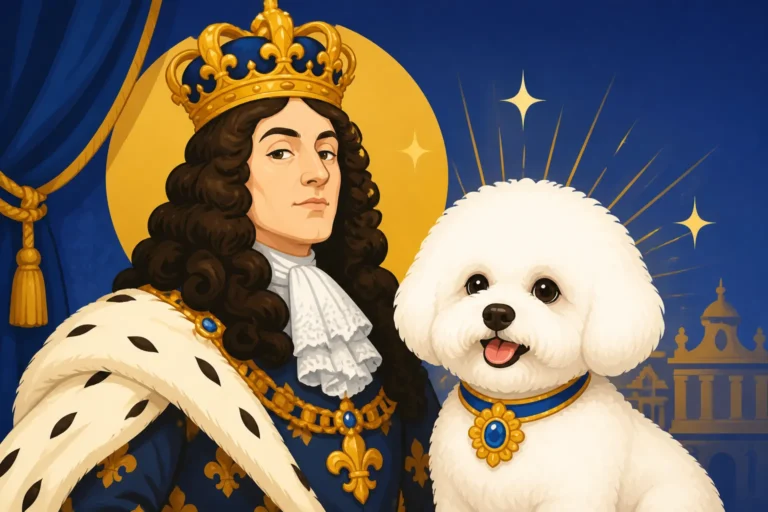
Initially, these dogs found favor among the European aristocracy, especially in the royal courts of Italy and Spain. They were the epitome of a pampered lapdog, appearing in portraits alongside kings, queens, and nobles, living lives of luxury and adoration. Their sweet temperaments and appealing looks made them perfect companions for the privileged classes. However, societal tides can turn quickly, and with changing fashions and political landscapes, the Bichon Frise’s status began to shift. The exclusivity they once enjoyed slowly eroded, and they found themselves moving from the gilded cages of royalty to the less predictable, but often equally loving, homes of commoners.
The French Revolution's Impact on the Bichon Frise
Perhaps no event had a more profound impact on the Bichon Frise's social standing than the French Revolution. This turbulent period, which began in the late 18th century, completely upended the French aristocracy, leading to dramatic social restructuring. The symbols of luxury and privilege, including the beloved lapdogs of the nobility, suddenly became liabilities or simply irrelevant. Many noble families faced ruin, imprisonment, or execution, and their treasured companions were often left to fend for themselves or were taken in by those of lesser social standing. The French Court That Made the Bichon Frise Fashionable
This sudden downturn meant that Bichon Frises, once accustomed to silk cushions and lavish meals, were now mingling with the general populace. They became common sights on the streets, often picked up by entertainers, organ grinders, and traveling showmen who recognized their inherent charm and intelligence. It was a stark contrast to their former lives, but it also offered a new avenue for survival and, surprisingly, for flourishing. This period marked a transition for the breed from being solely aristocratic companions to becoming dogs of the people, capable of adapting to new roles and finding affection wherever they went. This resilience and adaptability were crucial in shaping their future as potential performers.
The Golden Age of Performing Dogs
The 18th and 19th centuries were a heyday for animal acts, and performing dogs were a cornerstone of popular entertainment, from grand circuses to traveling street shows. Before the advent of cinema and widespread television, live performances were a primary form of amusement for people of all social classes. The fascination with clever animals, especially dogs, was immense, and their ability to perform tricks and mimic human behaviors captivated audiences.
What Defined a Good Performing Dog
Not just any dog could be a star. Certain traits were highly sought after by trainers and showmen. First and foremost, intelligence was paramount. A dog needed to be quick-witted, capable of understanding commands, and able to learn complex sequences of actions. Beyond raw intelligence, a strong desire to please was equally important. Dogs that genuinely enjoyed the interaction and positive reinforcement from their handlers tended to perform more enthusiastically and consistently.
Physical agility and coordination were also key, especially for acts involving jumping, balancing, or intricate movements. Small to medium-sized breeds often had an advantage here, as they were easier to handle, transport, and could fit into smaller spaces on stage or in cramped traveling wagons. Their lighter frames also made certain acrobatic feats more feasible. Finally, and perhaps most crucially, a good performing dog needed a naturally engaging and confident personality. They had to be able to "work the crowd," maintaining composure and charm even amidst loud noises, strange environments, and unpredictable audiences. Without this innate showmanship, even the most skilled dog might fall flat.
The Lure of the Spotlight for Small, Clever Breeds
It was precisely these characteristics that made small, intelligent breeds particularly attractive to the world of entertainment. Terriers, Poodles, and various "toy" breeds, including the burgeoning Bichon Frise, were frequently chosen. Their compact size made them easy to manipulate for tricks like jumping through hoops, walking on their hind legs, or riding miniature vehicles. Their bright eyes and expressive faces added an emotional connection with the audience, making their performances all the more endearing.
These breeds were often quite resilient and adaptable, able to withstand the rigors of travel and the demands of performance life. They thrived on attention and affection, which made them highly motivated to learn and perform. For a showman looking to assemble an act, a small dog that was intelligent, eager to please, and inherently charming was a true gem. The investment in their training often paid off handsomely in audience applause and ticket sales. For many of these dogs, finding a place in a performing troupe meant regular food, shelter, and companionship, a welcome alternative to the uncertainties of street life, especially after the societal upheaval of the French Revolution.
Did Bichon Frises Really Perform in Circuses?
Given their history and the characteristics highly valued in performing dogs of the era, the answer leans strongly towards "yes!" While specific records of individual Bichon Frise circus stars might be scarce from centuries past, the historical context, anecdotal evidence, and the breed's intrinsic qualities paint a clear picture of their involvement in the world of entertainment. The Bichon Frise Street Performing Years After the Revolution
Evidence and Anecdotes from the Era
Following their descent from aristocratic laps to the common streets, many Bichon Frises found themselves in the hands of street performers, minstrels, and eventually, the burgeoning circuses of Europe. These showmen quickly recognized the breed's potential. Historical accounts and popular culture of the time often depicted small, fluffy white dogs performing alongside their human counterparts. While not always explicitly named "Bichon Frise" (the breed name itself only became standardized much later), the descriptions and imagery strongly align with the breed's appearance.
One of the most compelling pieces of evidence lies in the very origin of the French word "bichonner," which means "to pamper" or "to make beautiful." Interestingly, it also has connotations of elaborate preparation, which could extend to preparing a dog for a performance. This linguistic link, combined with historical illustrations and written accounts of performing "Bichon-type" dogs, suggests a deep connection between the breed and entertainment. They were known for their vivaciousness and their ability to quickly pick up tricks, making them ideal candidates for the spotlight.
The Types of Tricks and Performances
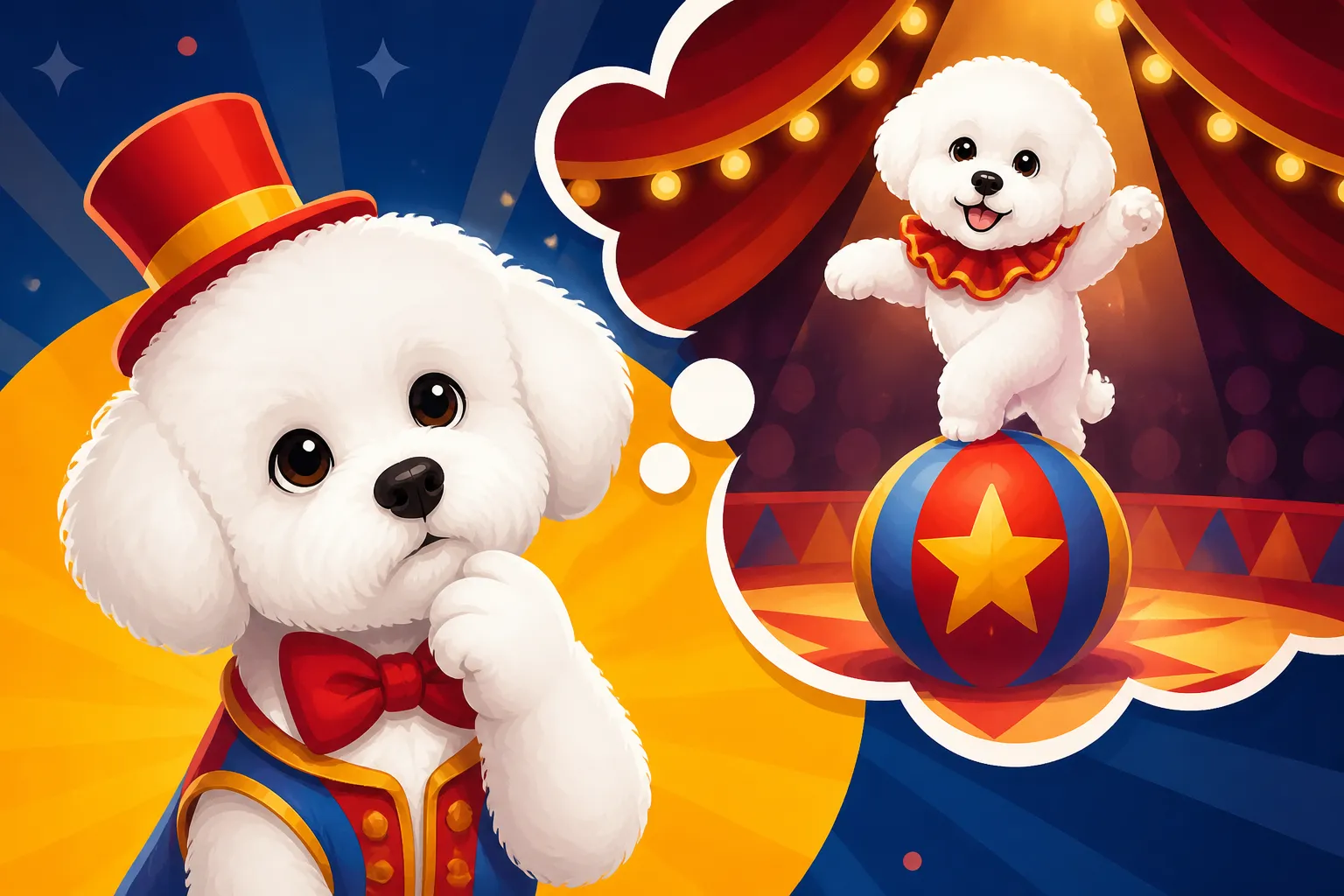
So, what kind of acts would a Bichon Frise have performed? Imagine a scene in a dusty circus ring or on a bustling city street. These clever dogs would have been taught a variety of crowd-pleasing tricks. They were adept at walking on their hind legs, often dressed in tiny, elaborate costumes. They might have jumped through hoops, balanced on balls, or even performed intricate dance routines in time with music. Their small size made them perfect for being carried, tossed (gently, of course!), or incorporated into acts requiring them to sit atop other animals or props.
Consider the classic image of a dog leaping over obstacles or weaving through a handler's legs – these are precisely the sorts of acts a quick and agile Bichon Frise would have mastered. They likely excelled at tricks that showcased their intelligence and charming personalities, such as "playing dead," "begging," or performing simple arithmetic by barking. Their fluffy white coats also made them visually striking, especially when contrasted with dark backdrops or colorful costumes, adding to the spectacle. These performances were not just about skill; they were about eliciting joy and wonder from audiences, something the naturally cheerful Bichon Frise was perfectly suited to do.
The Skills and Temperament That Made Them Stars
The Bichon Frise possesses a unique combination of intelligence, eagerness, and an undeniable charm that made them not just capable, but truly exceptional, performers. These inherent traits were precisely what circus trainers and street performers sought, ensuring the breed’s place in the annals of animal entertainment.
Intelligence and Trainability
Anyone who has spent time with a Bichon Frise will tell you they are sharp cookies. They are intelligent dogs, quick to learn and eager to engage with their human companions. This intellectual capacity is a huge asset in any training scenario, but especially so in the demanding world of performance, where new and complex tricks needed to be mastered efficiently. A trainer could invest time knowing that the Bichon would likely grasp concepts quickly. Whether a Bichon Frise Is Easy to Train
Their trainability isn't just about intelligence; it's also deeply rooted in their desire to please. Bichons thrive on positive attention and praise, making them highly motivated to perform correctly. A simple "good boy" or a tasty training treat from a place like Chewy would often be enough to reinforce desired behaviors. This combination of mental prowess and willingness to cooperate meant they could be taught a wide repertoire of tricks, from simple bows and spins to more elaborate sequences. They were not easily bored by repetition, especially if it meant continued interaction and rewards, which is essential for polishing any performance act.
The Charismatic "Bichon Charm"
Beyond their brains, Bichon Frises possess an undeniable charisma – a sparkling, joyful personality that is often described as "merry." This temperament isn't just endearing to their owners; it's what allowed them to connect with large audiences. A Bichon performing a trick wouldn't just execute the movement; they'd do it with a twinkle in their eye, a wag of their tail, and an air of genuine enjoyment that was infectious. The Merry Temperament the Bichon Frise Standard Demands
This "Bichon charm" meant they could command attention, even in a bustling environment. They are naturally playful and outgoing, often greeting everyone as a potential friend. This inherent sociability made them robust performers, less prone to shyness or fear in front of crowds. Their cheerful disposition and lively antics, sometimes manifesting as the famous "Bichon Blitz" or "zoomies," would have translated beautifully into energetic and engaging stage presence. The Bichon Blitz and What It Means Audiences loved them because they looked like they loved what they were doing, transforming a mere trick into a heartwarming spectacle.
Legacy and Modern-Day Echoes of Their Performing Past
The performing history of the Bichon Frise is not just a quaint anecdote from the past; it's a part of what has shaped the breed into the wonderful companions we cherish today. The traits that made them circus stars continue to resonate, influencing their temperament and even their appearance.
Impact on Breed Development and Characteristics
The selection pressures of performance life undoubtedly played a role in reinforcing desirable traits within the Bichon Frise gene pool. Dogs that were more intelligent, more trainable, more resilient, and more outgoing would have been the ones chosen for breeding, either intentionally by showmen or simply because they were the ones who survived and thrived. Over generations, this would have solidified the very characteristics we admire in the breed today: their bright minds, eager-to-please nature, and cheerful disposition. Whether Circus Ancestry Shows in a Bichon Frise
Furthermore, the need for a visually appealing stage presence might have also subtly influenced their physical characteristics. A fluffy, white coat that could be styled and maintained (even if less meticulously than today's show clips) would have stood out. Their compact size and sturdy build, capable of handling various tricks, would also have been favored. While breed standards have evolved significantly, the foundational qualities that made them excellent performers are still recognized and celebrated in the Bichon Frise of today.
Modern Bichon Frises: Still Show-Stoppers?
Today, you're more likely to see a Bichon Frise competing in obedience, agility, or rally trials than under the big top. However, the legacy of their performing past is clearly visible in these modern activities. Their intelligence and eagerness to learn make them excel in canine sports, where precision and enthusiasm are key. They love having a "job" and thrive on the mental stimulation and physical activity that training provides. Many owners find that their Bichon Frise is surprisingly quick to pick up new tricks, whether it's learning to weave through poles or mastering a complex scent-detection exercise.
Moreover, their innate charm ensures they remain beloved companions. That same ability to connect with an audience translates into their deep bonds with their families. They are still natural entertainers, delighting their owners with playful antics, happy greetings, and an unwavering cheerfulness. Whether they are performing a perfect "stay" in an obedience ring or simply performing a joyful "Bichon Blitz" around the living room, modern Bichon Frises continue to capture hearts, proving that the spirit of a performer still burns brightly within this remarkable breed. Many owners find their Bichons enjoy toys and treats from stores like Chewy, turning everyday interactions into mini-performances. Whether a Bichon Frise Is Genuinely Cheerful
Breed Traits and Their Performance Relevance
Let's take a look at some key traits and how they align with a performing background:
| Trait | Relevance to Performance | How a Bichon Frise Embodies It |
|---|---|---|
| Intelligence | Quick learning of complex tricks, understanding cues. | Known for being bright and adaptable; picks up commands rapidly. |
| Desire to Please | Motivation to perform, responsiveness to handler's commands and praise. | Thrives on positive reinforcement and affection, eager to work for their human. |
| Agility/Coordination | Ability to execute jumps, balances, and intricate movements. | Sturdy yet light frame, capable of quick, precise movements and nimble footwork. |
| Charisma/Temperament | Engaging stage presence, ability to connect with an audience, unfazed by crowds/noise. | "Merry" and outgoing, naturally cheerful and confident, loves attention. |
| Size | Portability, ease of handling for various acts, fitting into different performance settings. | Small to medium size makes them ideal for travel and incorporation into various acts. |
| Resilience | Ability to cope with travel, new environments, and demanding schedules. | Generally robust and adaptable, capable of handling changes in routine. |
This table illustrates clearly why the Bichon Frise was, and remains, an exceptional candidate for roles requiring intelligence, charm, and a willingness to engage. Even when you're just teaching them "sit" or "stay" with treats from Chewy, you're tapping into centuries of inherent ability.
The Bichon Frise's Enduring Appeal
From the sun-drenched shores of the Mediterranean to the opulent courts of Europe, and then onto the bustling streets and lively circus rings, the Bichon Frise has consistently adapted and charmed its way through history. Their journey through the performing arts is a testament to their resilience, intelligence, and captivating personality. While the glittering lights of the circus have largely dimmed for these fluffy white stars, their inherent talents continue to shine in modern contexts, from canine sports to simply being the most delightful and entertaining member of your family. What Merry Means in the Bichon Frise Standard
The next time your Bichon Frise dashes around the house in a "Bichon Blitz" or looks at you with those intelligent, sparkling eyes, remember the rich tapestry of their past. You’re not just looking at a beloved pet; you’re seeing a descendant of canine performers, a little dog whose ancestors might once have brought smiles to countless faces under the big top. Their history reminds us that beauty, brains, and a joyful spirit truly can conquer all, cementing the Bichon Frise's place as a truly special breed, regardless of the stage they find themselves on. Whether they're training for agility, enjoying a treat from Chewy, or simply cuddling on the couch, the Bichon Frise remains a star in every sense of the word. The Age a Bichon Frise Finally Calms Down
Disclaimer
This article is for general informational purposes only and does not constitute professional advice. Laws, prices and regulations vary by location and change over time. Consult a qualified professional for guidance on your specific situation.