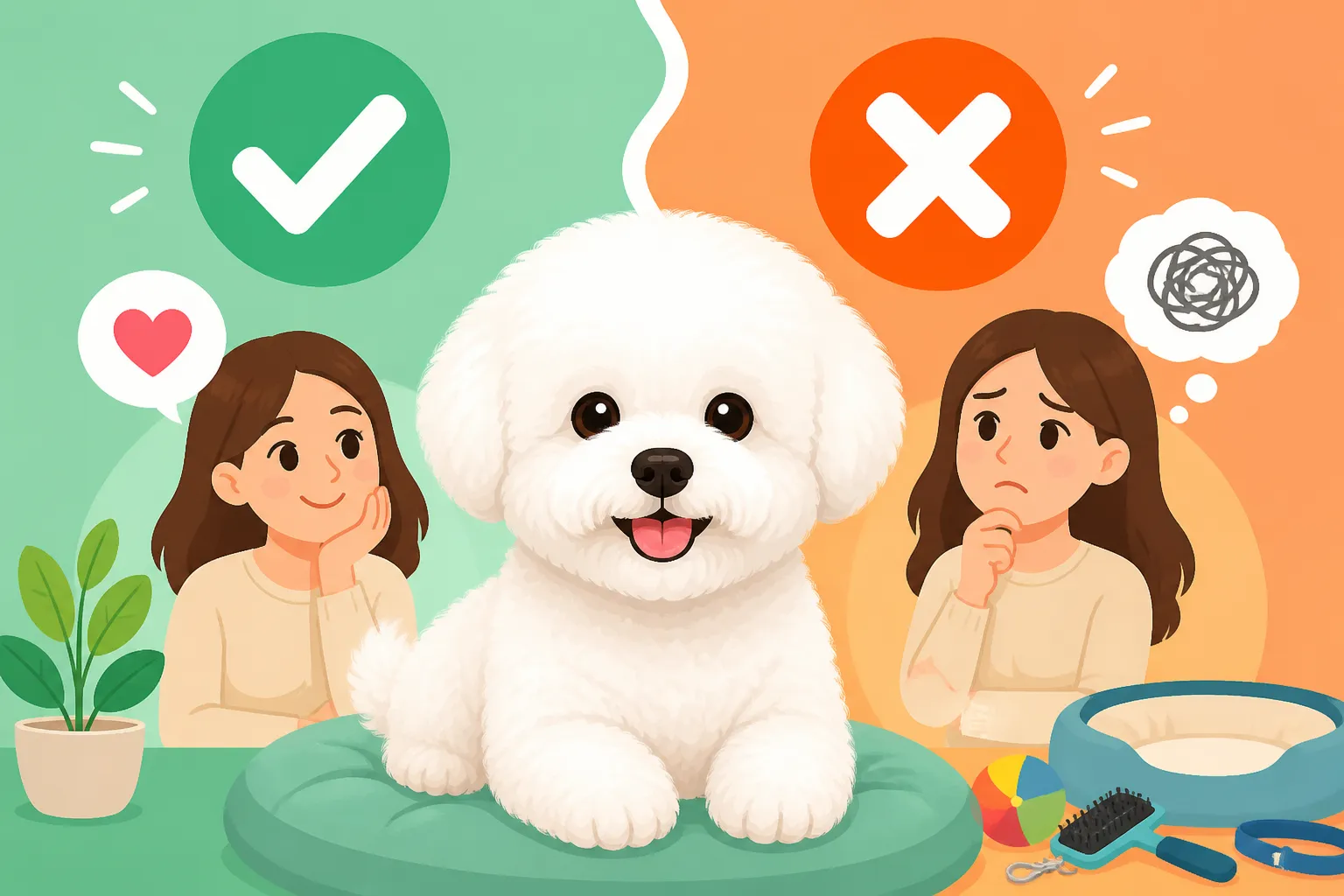
Whether a Bichon Frise Suits a First Time Owner
Bringing a new dog into your life is a huge decision, especially if it’s your first time navigating the wonderful, sometimes overwhelming, world of dog ownership. Many people are drawn to the adorable, fluffy exterior of a Bichon Frise, but they often wonder if this charming breed is truly a good fit for someone without prior dog experience. This guide will dive deep into the unique aspects of owning a Bichon Frise, helping you understand the realities beyond their cute looks and decide if this breed aligns with your lifestyle as a first-time owner.
Understanding the Bichon Frise Temperament and Personality
The Bichon Frise is known for its joyful and affectionate nature, often described as a "merry" little companion. While this sounds delightful, it’s important for a first-time owner to understand what truly lies beneath that fluffy exterior. Their personality isn't just about being cute; it comes with specific traits that require consistent handling and understanding.
The "Merry" Disposition: What it Really Means
When the breed standard talks about a "merry" disposition, it's not just fluff. It describes a genuinely happy, outgoing, and playful dog. Bichons are often enthusiastic greeters, eager to meet new people and other friendly animals. They typically thrive on companionship and being involved in family activities. This can be a huge plus for a first-time owner looking for an affectionate and engaging dog, as a Bichon will often meet your enthusiasm head-on. They love to play games, chase toys, and offer endless cuddles. However, this desire for companionship means they can be prone to separation anxiety if left alone for long periods without proper training and management. A first-time owner needs to be prepared to integrate their Bichon fully into their life, providing plenty of interaction and mental stimulation. They aren't dogs content to be left in a yard or isolated; they want to be right there with you, sharing in your day. This deep bond is incredibly rewarding, but it's a commitment. For more on their delightful nature, check out The Merry Temperament the Bichon Frise Standard Demands.
Trainability and Intelligence: A Double-Edged Sword
Bichons are intelligent dogs, which can be a real asset for a first-time owner. They pick up new commands and tricks relatively quickly, often enjoying the mental exercise that training provides. Positive reinforcement methods, using treats and praise, work wonders with this breed. However, their intelligence can also manifest as a stubborn streak if they perceive an inconsistency in your commands or if they're not adequately motivated. A first-time owner might find themselves struggling if they don't establish clear rules and boundaries from the outset. Early socialization and puppy classes are crucial, not just for learning commands, but for exposing them to various sights, sounds, and experiences in a positive way. This helps prevent timidity or reactivity later in life. Their intelligence also means they need mental stimulation to prevent boredom, which can lead to unwanted behaviors like excessive barking or chewing. Interactive toys, puzzle feeders, and regular training sessions are essential to keep their bright minds engaged. Don't underestimate their cleverness; they'll often try to outsmart you if given the chance!
Grooming: The Unavoidable Reality of a Bichon Frise
Let's be honest, that pristine white, fluffy coat is what often draws people to the Bichon Frise. But what many first-time owners don't realize is the immense commitment required to maintain it. This isn't a wash-and-wear dog; it requires dedicated, consistent care. Skipping grooming will quickly lead to painful matting and potentially expensive trips to the vet or groomer.
The Daily Brushing Commitment
The Bichon Frise has a unique double coat: a soft, dense undercoat and a coarser, curly outer coat. This combination, while beautiful and often touted as "hypoallergenic" because they don't shed much, is a magnet for mats. Shed hair gets trapped within the curls, and if not brushed out daily, it quickly forms tight, painful tangles close to the skin. For a first-time owner, learning proper line brushing techniques is non-negotiable. You can't just brush over the top; you need to systematically brush small sections of hair, all the way down to the skin. This can take anywhere from 15 to 30 minutes, sometimes more, especially as they grow into their adult coat around nine months. Imagine committing to that every single day, rain or shine. If you don't, you'll find yourself at the groomer explaining why your dog needs to be shaved down – a heartbreaking and entirely preventable situation. Stocking up on good quality brushes, like a slicker brush and a metal comb, is vital, and you might even find them conveniently on Chewy. Detailed guidance can be found in How Long Brushing a Bichon Frise Takes.
Professional Grooming Frequency and Cost
Beyond the daily home brushing, a Bichon Frise requires professional grooming every 4-6 weeks to maintain their iconic "powder puff" look. This isn't just a trim; it's a full bath, blow-dry, brush-out, nail trim, ear cleaning, and a meticulous scissor cut to shape their distinctive round head and body. This regular schedule is crucial for preventing mats, keeping their skin healthy, and ensuring they look and feel their best. For a first-time owner, these costs can add up quickly over the dog's lifespan. It's not a one-time expense but a recurring bill that needs to be factored into your budget. If you try to stretch out the time between professional grooms, you risk more severe matting, which can incur additional "dematting fees" or necessitate a complete shave-down. It's important to understand this financial and time commitment upfront. Learning to introduce your puppy to grooming early can make these visits much smoother, as detailed in The Powder Puff Outline a Bichon Frise Is Scissored Into.
Housetraining Challenges and Potential Pitfalls
One of the most frequently cited frustrations by first-time Bichon Frise owners, and even experienced ones, is their reputation for being notoriously difficult to housetrain. It's not impossible, but it requires extreme patience, consistency, and a proactive approach.
Why Bichons Can Be Hard to Housetrain
Several factors contribute to the Bichon Frise's housetraining reputation. Firstly, they are small dogs with smaller bladders, meaning they genuinely need to relieve themselves more frequently than larger breeds. A puppy might need to go out every hour or two, and even adult Bichons benefit from more frequent potty breaks. Secondly, they can be a bit particular about going out in inclement weather. A tiny, fluffy dog might balk at stepping onto wet grass or into the snow, preferring the comfort of an indoor rug. This isn't stubbornness as much as it is being sensitive to their environment. Thirdly, some can be very subtle about signaling their need to go, making it easy for a busy first-time owner to miss the cues. Consistency is key here: taking them out on a strict schedule, rewarding successful outdoor elimination immediately, and cleaning up any indoor accidents thoroughly with enzymatic cleaners are all vital. Without this dedication, a first-time owner can quickly feel defeated. This difficulty is explored further in Why a Bichon Frise Is Famously Hard to Housetrain.
The Link Between Health and Housetraining
What many first-time owners might mistake for "bad" housetraining can sometimes be an underlying health issue. Bichons, unfortunately, are predisposed to certain conditions that can impact bladder control and urination habits. Urinary tract infections (UTIs) are common and can cause frequent urination, straining, or accidents in an otherwise housetrained dog. More seriously, Bichons are known for their propensity to develop bladder stones, particularly calcium oxalate stones. These stones can cause pain, frequent urges to urinate, and even blockages, which are medical emergencies. If your housetrained Bichon suddenly starts having accidents, or if a puppy is struggling more than seems normal, a vet visit is imperative to rule out medical causes. It's a cruel twist when a dog is trying to tell you something is wrong, and it's misinterpreted as a training failure. Being vigilant about their urinary habits and understanding the potential for these health issues is crucial for any owner, especially a first-timer. What a Calcium Oxalate Stone Is in a Bichon Frise offers more insight into this common problem.
Common Health Concerns to Be Aware Of
While every dog can have health issues, some breeds have predispositions to certain conditions. For a first-time owner, being aware of these common health concerns in Bichon Frises can help you make informed decisions about their care, recognize symptoms early, and prepare for potential veterinary expenses.
Predisposition to Specific Conditions
Bichons are generally considered a hardy breed, but they do have a genetic inclination towards certain health problems. As mentioned, bladder stones, particularly calcium oxalate stones, are a significant concern. They can form at a young age, and recurrence is common. Regular urine testing and specific prescription diets are often necessary to manage this condition. Another area of concern is dental disease. Small breeds like Bichons are prone to plaque and tartar buildup, which can lead to gum disease, tooth loss, and even affect their overall health if left untreated. Regular dental care, including daily brushing at home and professional dental cleanings under anesthesia, is critical. Furthermore, Bichons can be prone to allergies, manifesting as itchy skin, ear infections, or paw licking. This can be a lifelong management challenge for an owner. Understanding these predispositions means you can be proactive with preventative care and monitor for early signs. It's not about being alarmist, but realistic. For more on overall health, see What Bichon Frises Are Most Often Treated For.
Managing Chronic Health Issues
If your Bichon Frise does develop a chronic health condition, managing it requires dedication, consistent veterinary care, and often, ongoing financial commitment. For instance, a Bichon on a prescription urinary diet for life to prevent stone recurrence means no table scraps, no unauthorized treats, and careful monitoring of their food intake. A food like Hill's Prescription Diet or Royal Canin Urinary S/O, available through retailers like Chewy with vet authorization, would become a staple. If allergies become a chronic issue, it might involve regular medicated baths, oral medications, or even immunotherapy injections. These aren't quick fixes; they are long-term strategies that require an owner's consistent effort and investment. For a first-time owner, navigating these challenges can be daunting, adding layers of complexity to dog care that they might not have anticipated. It's a journey of learning and advocating for your dog's health. Early intervention and proactive management, guided by your veterinarian, can significantly improve your Bichon's quality of life and potentially reduce the severity of these conditions.
Lifestyle Compatibility for a First-Time Owner
Beyond the breed's inherent traits and health considerations, a first-time owner needs to honestly assess how a Bichon Frise truly fits into their daily life. While they are adaptable, certain lifestyle factors are better suited to their needs.
Exercise Needs and Apartment Living
Despite their small size and fluffy appearance, Bichon Frises are not couch potatoes. They do have energy and need regular exercise to stay healthy and happy. Two short walks a day, plus some indoor playtime, is usually sufficient. They love to run and play, especially enjoying "zoomies" around the house, which breeders often call the "Bichon Blitz." Their exercise needs are manageable for most first-time owners and adapt well to apartment living, provided they get those regular outdoor excursions. A securely fenced yard is a bonus but not strictly necessary if you are committed to leash walks and park visits. The key is consistent, moderate activity. Don't fall into the trap of thinking a small dog doesn't need to walk; mental stimulation from exploring new scents and sights is just as important as physical exertion. A well-exercised Bichon is generally a calmer, happier Bichon. You can find out more about their suitability for different living arrangements in Whether a Bichon Frise Suits an Apartment.
Socialization and Separation Anxiety
Bichons thrive on companionship. They were historically bred to be companion animals, and that desire for closeness is deeply ingrained in their nature. This makes them wonderful, loving pets, but it also means they can be prone to separation anxiety if not properly conditioned. A first-time owner needs to understand the importance of slowly acclimatizing their puppy to being alone for short periods, building up tolerance gradually. Crate training can be a valuable tool, providing a safe den for them. If a Bichon is consistently left alone for long hours without adequate mental and physical stimulation, they may develop destructive behaviors, excessive barking, or even self-mutilation due to stress. This is a critical consideration for those with full-time jobs outside the home. While a dog walker or doggy daycare can help, the ideal situation for a Bichon is a household where they receive ample attention and are not left alone for prolonged durations regularly. This strong need for social interaction is a key part of the breed's charm but also their biggest demand on an owner.
Weighing the Pros and Cons for a First-Timer
Deciding on your first dog is a significant undertaking, and a Bichon Frise offers a unique blend of traits that can be both incredibly rewarding and surprisingly challenging for the uninitiated. It's about finding the right match for your expectations and capabilities.
Advantages of Owning a Bichon Frise
For a first-time owner, the Bichon Frise offers many compelling advantages. Their smaller size makes them adaptable to various living situations, including apartments, and they're generally easy to travel with. Their non-shedding coat is a huge plus for those with allergies, reducing household pet dander. They are typically affectionate, eager-to-please, and bring an incredible amount of joy and laughter into a home with their playful antics and sweet personalities. Their intelligence makes them fun to train, and they genuinely enjoy learning new things with their human companions. Many Bichons thrive as therapy dogs due to their gentle and loving nature, demonstrating their capacity for deep connection. For someone seeking a devoted, cheerful companion who will be an integral part of their family life, a Bichon Frise can be an absolutely perfect choice. They are truly little bundles of love, ready to shower their owners with affection. Their size also means they eat less than a large dog, reducing some everyday costs, and their joyful demeanor is infectious.
Potential Drawbacks for the Inexperienced Owner
However, the Bichon Frise also comes with certain challenges that a first-time owner must be prepared for. The intensive grooming requirements are arguably their biggest demand, both in terms of time and money. Ignoring this will lead to a very unhappy dog and a frustrated owner. Their housetraining difficulties can test the patience of even seasoned dog owners, requiring unwavering consistency. The breed's predisposition to certain health issues, particularly bladder stones and dental problems, means potential significant vet bills throughout their lifespan. These costs can be a shock if not anticipated. Their strong need for companionship can lead to separation anxiety if not managed effectively, which can manifest as destructive behaviors or excessive barking. Furthermore, while intelligent, they can be stubborn, meaning a first-time owner needs to be committed to positive, consistent training without giving up. What may seem like minor issues can quickly become major problems without proper understanding and commitment. It’s vital to consider What Nobody Warns a Bichon Frise Buyer About to get a full picture.
| Trait / Requirement | First-Time Owner Suitability | Explanation |
|---|---|---|
| Temperament | Excellent | Merry, affectionate, and playful. Forms strong bonds, making them a joyful companion for a first-timer. |
| Trainability | Good, with caveats | Intelligent and eager to please, but can be stubborn. Requires consistent, positive reinforcement. Early socialization is key. |
| Grooming | Challenging | High demand: daily brushing (15-30 mins) and professional grooming every 4-6 weeks are non-negotiable to prevent matting. Significant time and financial commitment. |
| Housetraining | Challenging | Can be difficult due to small bladders, weather sensitivity, and subtle cues. Requires extreme patience, strict schedule, and diligence. Potential health issues can complicate matters. |
| Exercise Needs | Manageable | Moderate; two short walks daily and indoor play are usually sufficient. Adapts well to apartment living. |
| Health Issues | Moderate | Prone to bladder stones, dental disease, and allergies. Requires proactive care, potential lifelong special diets (e.g., from Chewy with vet approval), and awareness of recurring vet costs. |
| Companionship | High Demand | Thrives on being with family; prone to separation anxiety if left alone for long periods. Best for owners who are home often or can arrange consistent care. |
| Overall | Good, for dedicated owners | A Bichon Frise can be an amazing first dog for someone who is fully prepared for and committed to their specific grooming, housetraining, and companionship needs. Not a low-maintenance breed. |
Disclaimer
This article is for general informational purposes only and does not constitute professional advice. Laws, prices and regulations vary by location and change over time. Consult a qualified professional for guidance on your specific situation.