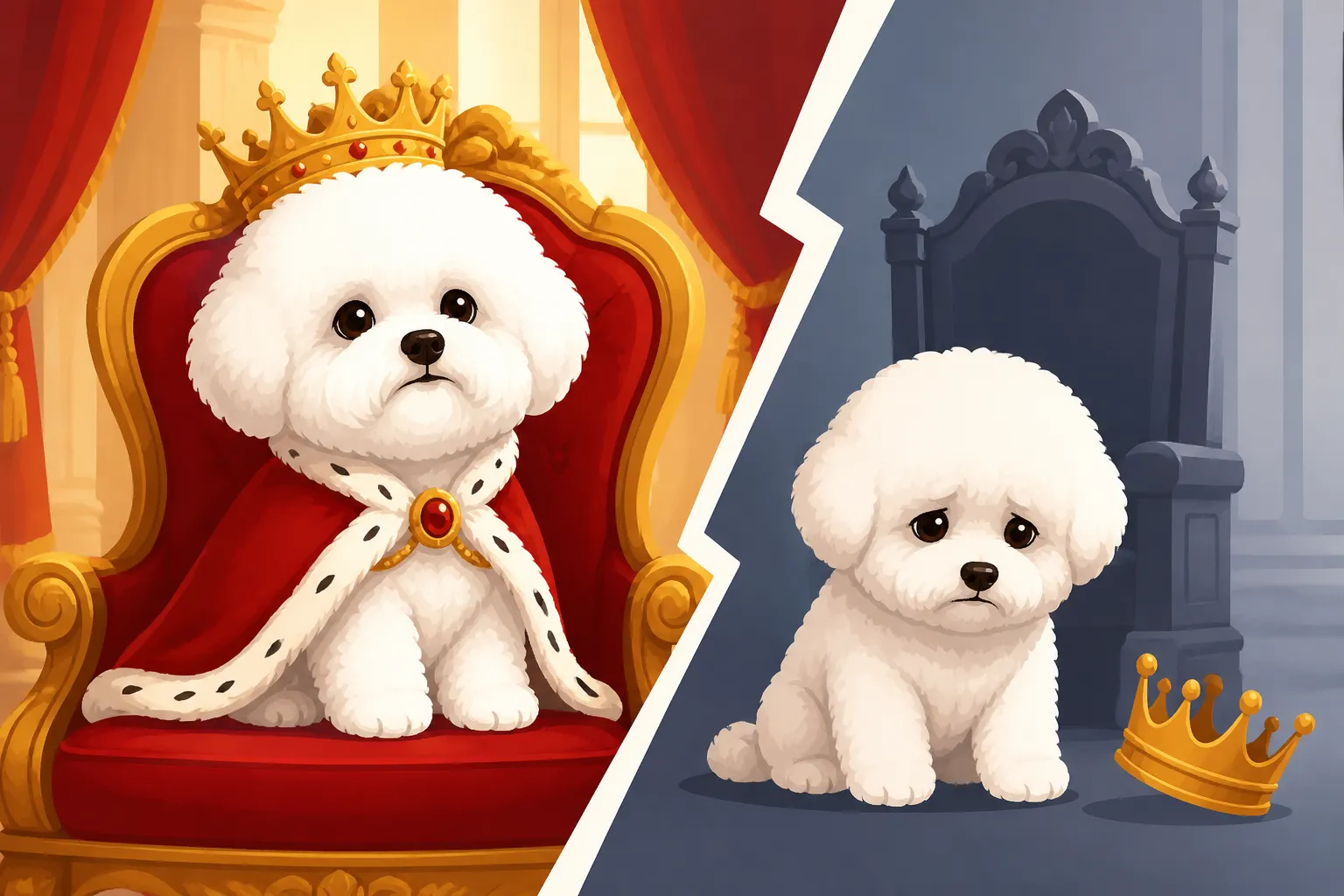
Whether the Bichon Frise Lost Its Court Position
It's quite something to imagine our fluffy, white Bichon Frise, so often found napping on a plush sofa or chasing a squeaky toy across the kitchen floor, once rubbed shoulders with royalty. But the truth is, this charming breed has seen a dramatic shift in its social standing over the centuries, falling from the lap of luxury to the streets before finding its way back into our hearts. This guide will walk you through the fascinating history of the Bichon Frise, exploring how they went from being pampered court darlings to humble street performers, and ultimately, to the beloved family members they are today.
The Golden Age of the Bichon Frise in Royal Courts
Imagine a time when being a dog meant you were practically royalty yourself, adorned with ribbons, fed the finest scraps, and carried in the arms of queens and kings. For the Bichon Frise, this wasn't a fairy tale; it was a reality for a significant period in their early history. These little white fluffballs captured the hearts of European aristocracy, becoming the ultimate symbols of elegance and companionship.
From Sailor's Companion to Noble Lapdog
The journey of the Bichon Frise, or rather, its ancestors, began far from the gilded halls of palaces. Descending from the Barbet, a water spaniel, these small, cheerful dogs were originally companions to sailors and merchants traversing the Mediterranean. They were sturdy, adaptable, and had a knack for charming everyone they met. You can trace their early roots back to The Canary Island the Bichon Frise Is Named After, where they were known as the "Tenerife dog." It was these seafaring connections that helped How Sailors Carried the Bichon Frise Around the Mediterranean, eventually bringing them to the notice of Italian and then French nobility.
Once these delightful dogs arrived in the courts, their fate changed dramatically. Their bright personalities, playful demeanor, and ability to be easily trained made them instant hits. They were small enough to be carried, yet lively enough to entertain. This combination was irresistible to the upper echelons of society.
Life at Versailles: A Symbol of Status
It was in the French court, particularly during the Renaissance and later under monarchs like King Henry III, that the Bichon Frise truly soared to fame. King Henry III was famously devoted to his Bichons, carrying them in a special basket around his neck wherever he went. This royal endorsement cemented their status, making them an essential accessory for any noble lady or gentleman. If you wanted to show off your wealth and sophistication, a well-groomed Bichon Frise was practically a requirement. They were dressed in finery, had servants dedicated to their care, and enjoyed a life of unparalleled luxury.
The breed became synonymous with the grandeur of the era. To understand just how central they were, you only need to look at descriptions of The French Court That Made the Bichon Frise Fashionable. They weren't just pets; they were living jewels, pampered creatures that brought joy and an air of aristocratic whimsy to the often rigid court life. Think of the lavish settings where Whether Bichon Frises Lived at Versailles – these dogs were truly part of that world, a testament to their captivating charm.
The Tumultuous Tides of Revolution and Social Change
However, history is rarely linear, and the fate of the Bichon Frise took a dramatic turn with the arrival of social upheaval. The very institutions that elevated them—the monarchies and the aristocracy—were eventually challenged, and as the old order crumbled, so too did the pampered existence of many Bichons.
When the Bastille Fell, So Did Fortunes
The French Revolution was a cataclysmic event that reshaped society from top to bottom. With the aristocracy facing dire consequences, their beloved companion dogs often shared a similar fate. Many nobles fled, were imprisoned, or lost their lives, and in the chaos, their once-cherished Bichons were frequently abandoned or left to fend for themselves. It was a harsh and sudden fall from grace, a stark contrast to their previous lives of luxury. The grand palaces emptied, and with them, the little white dogs who had graced their halls.
This period was certainly a low point for the breed's social standing. No longer symbols of wealth, they were just another mouth to feed, another creature trying to survive in a turbulent world. It’s hard to imagine, isn’t it, our cheerful Bichons suddenly fending for themselves? It certainly validates the worry about how deeply historical events can impact even the smallest members of society.
Adapt or Perish: The Streets Become a New Stage
But the Bichon Frise, with its inherent intelligence and cheerful disposition, proved to be incredibly resilient. They adapted to their new circumstances with remarkable spirit. Many of these abandoned dogs found new homes with common folk, who quickly discovered their wonderful personalities. More notably, their natural ability to learn tricks and their endearing appearance made them perfect candidates for street performers and circus acts.
Suddenly, the same charming qualities that endeared them to royalty were being showcased on street corners and in traveling shows. The Bichon Frise Street Performing Years After the Revolution were not just a survival mechanism; they became a defining chapter in the breed's story. Alongside organ grinders and acrobats, these little dogs captivated audiences with their tricks, earning their keep and spreading joy among the masses. This period, while certainly a downgrade from court life, ensured the breed's survival and actually broadened its appeal to a wider segment of the population. They became dogs for the people, not just for the privileged few.
Reclaiming a Place: The Breed's Resurgence
The street performing era, while gritty, laid the groundwork for the Bichon Frise's eventual return to prominence, albeit in a very different capacity than before. Their inherent charm simply couldn't be denied, and their cheerful nature continued to win hearts.
A New Appreciation in the Modern Era
After the tumult of revolutions and world wars, the Bichon Frise began its slow but steady climb back into favor. Breeders in Belgium and France worked to preserve and standardize the breed, recognizing its unique qualities. How the Bichon Frise Was Rescued After the Wars is a testament to the dedication of these individuals who saw the value in this resilient little dog. In 1933, the official breed standard was adopted in France, and the name "Bichon à poil frisé" was established, later shortened to Bichon Frise. The Year the Bichon Frise Got Its Modern Name marked a formal re-establishment of the breed.
This period saw the Bichon transition from a curiosity or a performer to a cherished family pet. Their merry temperament, which the breed standard famously demands, made them ideal companions for households looking for a lively, affectionate dog. They were no longer just a status symbol, but a beloved member of the family, bringing joy and comfort.
The Enduring Charm of the Bichon Frise
Today, the Bichon Frise enjoys immense popularity worldwide, thriving as companion dogs in countless homes. They are celebrated not for their royal connections, but for their genuine personalities: intelligent, playful, and incredibly affectionate. They are known for The Merry Temperament the Bichon Frise Standard Demands, making them excellent pets for various lifestyles, from singles to families with older children. Their compact size and adaptable nature make them suitable for apartment living, and their relatively low-shedding coat appeals to many.
While you might not find them being carried around in a king's basket these days, their "court position" has transformed into a cherished spot in our homes and hearts. They truly are the definition of resilience, proving that charm and character can overcome even the most drastic changes in fortune. Modern Bichon owners might seek out everything from the best grooming supplies to specialized food for their furry friends on sites like Chewy, a far cry from street performances but still a testament to the care and affection they receive. Knowing their history only adds to the appreciation we have for these wonderful dogs.
Here's a quick look at the Bichon Frise's historical roles:
| Era | Primary Social Standing | Key Characteristics | Notable Activities |
|---|---|---|---|
| Ancient Roots | Sailor's companion, trade item | Hardy, adaptable, cheerful | Travel, shipboard life, early companionship |
| Renaissance Court | Aristocratic lapdog, status symbol | Pampered, elegant, charming | Courtly life, noble companionship, high fashion |
| Post-Revolution | Commoner's pet, entertainer | Resilient, trainable, clever | Street performance, circus acts, family amusement |
| Modern Era | Beloved family companion, show dog, therapy dog | Affectionate, playful, intelligent, adaptable | Home life, competitive events, emotional support |
The journey of the Bichon Frise is a remarkable tale of adaptation and enduring charm. From the exclusive courts of Europe to the bustling streets, and finally into the comfort of our homes, they've proven their worth time and time again.
Disclaimer
This article is for general informational purposes only and does not constitute professional advice. Laws, prices and regulations vary by location and change over time. Consult a qualified professional for guidance on your specific situation.