Whether a Bichon Frise Gets Dry Eye
It's incredibly frustrating when your sweet Bichon Frise starts having eye problems. You want their bright, expressive eyes to always sparkle with joy, but sometimes, a persistent issue like dry eye can make them uncomfortable and cause a lot of worry for you. This comprehensive guide will walk you through everything you need to know about Keratoconjunctivitis Sicca (KCS), commonly known as dry eye, in Bichons, helping you understand the condition, recognize its signs, and navigate the treatment options available to keep your furry friend's eyes healthy and happy.
Understanding Dry Eye in Bichon Frises
When you hear the term "dry eye," it might sound like a minor irritation, something easily fixed with a few drops. But for a Bichon Frise, dry eye, or Keratoconjunctivitis Sicca (KCS), is a chronic and potentially serious condition that can significantly impact their quality of life if not managed properly. It’s not just about a lack of moisture; it's about the entire health and function of their delicate eyes.
What Exactly is Keratoconjunctivitis Sicca KCS?
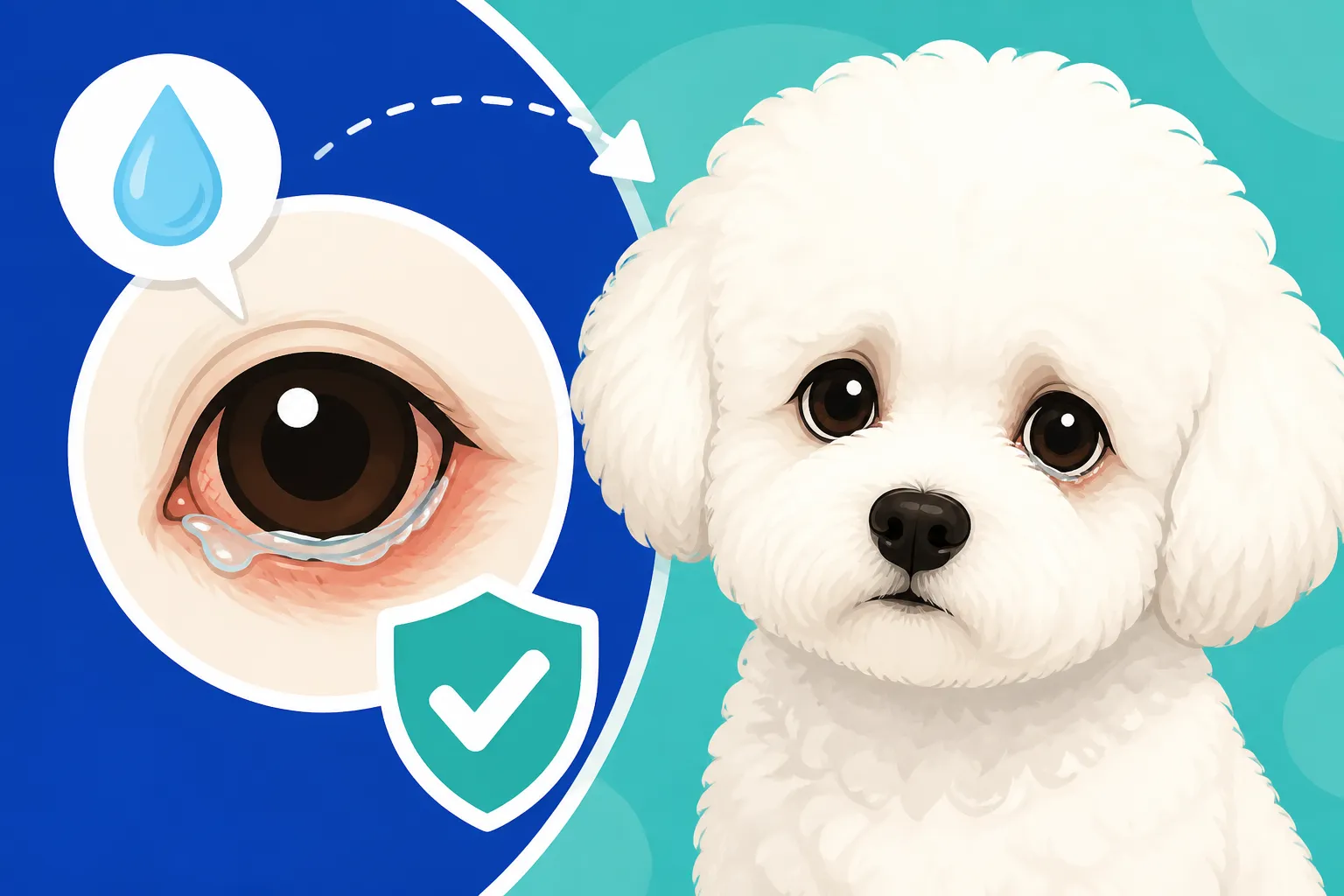
Keratoconjunctivitis Sicca (KCS) is a fancy veterinary term for what we more simply call "dry eye." At its core, KCS means that your dog's eyes aren't producing enough tears, or the tears they do produce aren't of the right quality to adequately lubricate and protect the surface of the eye. Tears do so much more than just keep things moist; they provide vital nutrients, help wash away irritants, and contain antibodies that fight off infections. Without this essential tear film, the cornea (the clear front surface of the eye) and conjunctiva (the pink membranes lining the eyelids) become dry, inflamed, and vulnerable to damage.
Imagine trying to blink with sandpaper in your eyes – that's a bit what it feels like for a dog with severe KCS. The constant friction and lack of protective moisture lead to irritation, redness, and a build-up of thick, sticky discharge as the eye tries to compensate or protect itself. Over time, this chronic dryness can cause serious complications, including corneal ulcers, painful infections, and even blindness if left untreated. It's a condition that requires attention and consistent care, not just a quick fix.
Why Bichons are Prone to Dry Eye
It's a cruel twist of fate that our beloved Bichon Frises, known for their expressive, dark eyes, are genetically predisposed to conditions like KCS. While any dog breed can technically develop dry eye, Bichons are high on the list, along with other breeds like Cocker Spaniels, West Highland White Terriers, Shih Tzus, and Pugs. The underlying cause in many of these breeds, including our Bichons, is often an autoimmune condition. This means the dog's own immune system mistakenly attacks and destroys the tear-producing glands in the eye, leading to a progressive decrease in tear production.
This genetic vulnerability is something good breeders often try to be aware of, but it can still manifest even in well-bred lines. It's part of the unique tapestry of Bichon Frise health, much like their predisposition to conditions like urinary stones, which are unfortunately common. Understanding this genetic link helps us be more vigilant and proactive in monitoring our Bichons for early signs. It also means that treatment is often focused on managing the autoimmune response, not just simply adding moisture.
Common Misconceptions About Tear Stains and Dry Eye
One of the most common misconceptions I hear from fellow Bichon parents is confusing tear stains with dry eye. It’s easy to do, especially since Bichons are notorious for their prominent tear staining. Many assume that if their Bichon has tear stains, they must be producing too many tears, or that the stains themselves are dry eye. However, tear stains, while often a sign of excessive tearing (known as epiphora) or poor tear drainage, are not the same as KCS.
In fact, sometimes, a dog with very mild KCS might initially appear to have more tearing because the irritated eye tries to produce some moisture, but it's often a watery, non-lubricating type of tear, or the staining might be from the thick, mucoid discharge characteristic of KCS itself. True KCS, where tear production is deficient, often leads to a thick, yellowish-green discharge that can crust around the eyes, not just the reddish-brown staining we associate with normal tear flow issues. It’s vital to distinguish between these, as the treatments are vastly different. If you’re ever worried about The Tear Stains Under a Bichon Frise's Eyes, it's always best to have a vet check it out to determine the actual cause.
Recognizing the Signs and Symptoms
Catching KCS early can make a huge difference in managing the condition and preserving your Bichon's vision and comfort. Unfortunately, the early signs can be subtle and easily overlooked, sometimes dismissed as just a bit of seasonal irritation or a minor scratch. That's why it's so important to be observant and know what to look for.
Early Warning Signs to Watch For
The very first indicators of dry eye in a Bichon Frise can be so mild that you might second-guess yourself. You might notice a slight redness in the whites of their eyes, or perhaps a subtle increase in blinking. They might rub at their face a bit more often than usual, or you might spot a thin, watery discharge that seems to vanish quickly, often leading you to think it was just a temporary irritant. This watery discharge can be the eye trying desperately to compensate for the lack of a proper tear film.
Another early sign could be what looks like an increase in those typical Bichon tear stains, but upon closer inspection, it's not the usual clear fluid but something a bit thicker or more persistent. These early signs are easily mistaken for allergies, dust irritation, or just a bit of tired eye. However, if these symptoms persist for more than a day or two, or if they seem to be recurring, it's a definite flag that something more significant might be going on beneath the surface. Consistent vigilance during your daily interactions and grooming sessions is key.
Advanced Symptoms and Discomfort
As KCS progresses and tear production becomes more severely compromised, the symptoms become much more pronounced and distressing for your Bichon. The thick, ropey, yellowish-green discharge is often the most noticeable and unpleasant sign. This isn't tears; it's mucus and debris that the dry eye cannot properly clear. You'll see it accumulating in the corners of their eyes, sometimes matting their fur, and requiring frequent cleaning.
Your Bichon might squint frequently, hold one or both eyes partially closed, or become much more sensitive to light. The eyes themselves will often appear dull, red, and irritated. The cornea, which should be clear and shiny, may start to look cloudy or hazy. In chronic cases, the surface of the eye can develop dark pigmentation, often starting at the edges and slowly creeping across the cornea. This pigmentation, called corneal melanosis, is the body's attempt to protect the eye from chronic irritation, but it significantly impairs vision. Left untreated, severe KCS can lead to painful corneal ulcers and even permanent blindness. It’s a truly miserable experience for your dog, and recognizing these advanced signs means immediate veterinary intervention is critical.
When to See Your Veterinarian
If you notice any of the symptoms described above, whether subtle or severe, it's really important to schedule a visit to your veterinarian as soon as possible. Don't wait to see if it clears up on its own, especially with eye issues. The longer KCS goes undiagnosed and untreated, the higher the risk of permanent damage to the cornea and irreversible vision loss. Early intervention can preserve vision and significantly improve your dog's comfort and quality of life.
Your vet will conduct a thorough eye examination and likely perform specific diagnostic tests. If you're observing redness, discharge, squinting, or increased rubbing, make sure to describe everything you've seen, including how long it's been going on and if it seems to affect one eye or both. Even if you're just unsure and it seems like a minor thing, a quick check-up is always worth it. After all, the health of The Eyes a Bichon Frise Inherits is paramount, and proactive care is always better than reactive treatment when it comes to vision.
Diagnosing Dry Eye in Your Bichon Frise
When you take your Bichon Frise to the vet with concerns about their eyes, a proper diagnosis is the first and most crucial step. It's not enough to just guess; a precise assessment will guide the most effective treatment plan. Thankfully, there's a straightforward and reliable test specifically designed for this condition.
The Schirmer Tear Test
The gold standard for diagnosing KCS in dogs is the Schirmer Tear Test (STT). It's a simple, quick, and non-invasive test that measures tear production. Your veterinarian will place a small, sterile strip of filter paper, folded at a specific point, into the lower eyelid of each of your Bichon's eyes. The paper wicks up tears, and after exactly one minute, the strip is removed, and the amount of moisture absorbed is measured against a scale.
The results are expressed in millimeters per minute (mm/min). A normal tear production for a dog is generally considered to be above 15 mm/min. If your Bichon tests between 10-14 mm/min, it might indicate mild KCS or borderline dry eye. A reading of less than 10 mm/min, especially under 5 mm/min, is a strong indicator of KCS. This test provides a clear, objective measurement of tear function, which is essential for confirming the diagnosis and monitoring treatment progress over time. It helps to ensure that what might look like an infection isn't actually an underlying tear deficiency.
Other Diagnostic Tools
While the Schirmer Tear Test is primary, your vet will likely use other diagnostic tools to get a complete picture of your Bichon's eye health. They will perform a general ophthalmic examination, which includes looking at the eyelids, conjunctiva, and cornea with specialized lights and magnification. A fluorescein stain test is often done to check for corneal ulcers, which are common complications of dry eye. A special orange dye is applied to the eye, and under a blue light, any abrasions or ulcers on the cornea will glow bright green. This is a critical step because certain medications used for KCS, like topical corticosteroids, can worsen an ulcer, so confirming the absence of one is vital before starting treatment.
Your vet might also take samples of the discharge for cytology (examining cells under a microscope) or bacterial culture to identify any secondary bacterial infections that might be present. These additional tests help rule out other eye conditions that might mimic KCS symptoms, ensuring your Bichon receives the most accurate and targeted treatment. For instance, sometimes, what looks like dry eye could also be related to Whether a Bichon Frise Gets Corneal Ulcers from other causes.
Understanding the Prognosis
Once a diagnosis of KCS is confirmed, understanding the prognosis is important. While KCS is a chronic condition, meaning it often requires lifelong management, the good news is that with early diagnosis and consistent, appropriate treatment, the prognosis for maintaining vision and comfort is generally very good. The key here is consistency. Skipping medications or discontinuing treatment can lead to rapid deterioration and potentially irreversible damage.
In cases where the condition is caught late, and significant corneal damage or pigmentation has occurred, the prognosis might be guarded, and some vision loss could be permanent. However, even in these situations, treatment can still help alleviate discomfort and prevent further progression. Your vet will discuss realistic expectations with you, including the need for ongoing monitoring and potential adjustments to the treatment plan over time. The goal is always to restore as much natural tear production as possible and protect the delicate surface of your Bichon's eyes for years to come.
Treatment Options for Bichon Frise Dry Eye
Once your Bichon Frise is diagnosed with dry eye, the next step is to embark on a treatment plan. It’s important to understand that treating KCS isn't typically a one-time fix; it's usually a long-term commitment. The main goal is to stimulate natural tear production and provide lubrication to prevent further damage and discomfort.
Topical Medications and Tear Stimulants
The cornerstone of KCS treatment in Bichons and many other breeds is topical medication designed to stimulate the tear glands. The two most common and effective drugs are cyclosporine and tacrolimus. These are immunomodulators, meaning they work by suppressing the autoimmune response that attacks the tear glands, allowing them to resume some level of function.
- Cyclosporine: Often prescribed as an ophthalmic ointment (like Optimmune) or drops, cyclosporine is typically applied twice daily. It can take several weeks, sometimes even a month or two, to see the full effect, as it takes time for the tear glands to recover and increase production. Many dogs respond very well to cyclosporine, showing significant improvement in tear production and reduction in symptoms.
- Tacrolimus: This is another powerful immunomodulator, often used in cases where cyclosporine alone isn't sufficient or if a more potent effect is needed. Tacrolimus is usually compounded into ophthalmic drops or ointment and also applied once or twice daily. It works similarly to cyclosporine but is often considered stronger.
Both medications require consistent application, and your vet will schedule follow-up Schirmer Tear Tests to monitor your Bichon's response and adjust dosages if necessary. It’s crucial not to stop these medications without veterinary guidance, even if your dog's eyes look much better. The underlying autoimmune condition will likely recur if treatment is discontinued.
Artificial Tears and Lubricants
While tear stimulants work to get the eye producing its own tears, artificial tears and lubricating gels play a crucial supporting role. Think of them as supplemental moisture, stepping in to provide immediate relief and lubrication, especially in the initial stages of treatment or for dogs with very severe KCS who might not regain full tear production. These products don't stimulate tear production; they simply coat the eye's surface, reducing friction and dryness.
Artificial tears are available in various formulations, from thinner drops to thicker gels or ointments. Your vet might recommend applying them several times a day, particularly when your Bichon's eyes seem driest or most irritated. For instance, applying a lubricating gel before bedtime can help keep the eyes comfortable overnight. These are an important part of the routine, working in conjunction with the tear stimulants to keep the eye as healthy and comfortable as possible. They provide that much-needed relief while the primary medications are doing their long-term work.
Addressing Secondary Infections and Inflammation
Because a dry eye lacks the protective and antibacterial properties of a healthy tear film, Bichons with KCS are highly susceptible to secondary bacterial infections. These infections can exacerbate discomfort and complicate treatment. If your vet suspects a bacterial infection, they may prescribe topical antibiotic drops or ointments to be used in conjunction with your KCS medications. It's essential to complete the full course of antibiotics, even if the eye looks better quickly.
Inflammation is another significant component of KCS. In some cases, especially initially, a short course of topical corticosteroids might be prescribed to reduce severe inflammation. However, corticosteroids must be used with extreme caution and only under strict veterinary supervision, as they can delay the healing of corneal ulcers or even worsen them. This is why the fluorescein stain test is so vital before starting any steroid treatment. The goal is to get the inflammation under control quickly, then rely on the tear stimulants and lubricants for long-term management to avoid such risky medications.
Long-Term Management and Home Care
Living with a Bichon Frise who has KCS means understanding that it's a chronic condition, much like managing allergies or certain other health issues. It's not a sprint; it's a marathon that requires dedication, consistency, and a keen eye for detail in your daily routine.
The Importance of Consistent Treatment
I cannot stress this enough: consistency is paramount when managing KCS. Unlike a temporary infection where you stop medication once symptoms resolve, KCS is typically a lifelong condition. The medications, particularly cyclosporine and tacrolimus, work to manage an underlying autoimmune problem. If you stop applying them, even for a few days, the tear glands will likely revert to their previous state of underproduction, and all the signs of dry eye will return, often with a vengeance. This can lead to rapid deterioration of eye health, increased discomfort for your Bichon, and a higher risk of developing complications like corneal ulcers or vision loss.
Think of it like brushing your own teeth; it's a daily habit to maintain health. Missing a dose or two might not seem like a big deal, but over time, it compounds. Regular follow-up appointments with your veterinarian are also crucial. They will perform routine Schirmer Tear Tests to gauge the effectiveness of the treatment and make any necessary adjustments to the medication dosage or frequency. This ongoing monitoring ensures your Bichon's eyes remain as healthy and comfortable as possible, minimizing the chances of significant setbacks.
Home Grooming and Eye Hygiene
For a Bichon Frise, meticulous home grooming is already a necessity, and it becomes even more critical when managing KCS. The thick, mucous discharge characteristic of dry eye can quickly accumulate around the eyes, hardening and matting the delicate fur. This matted discharge not only looks unpleasant but can also cause further irritation to the skin around the eyes, trap bacteria, and even block tear ducts.
Here are some tips for maintaining eye hygiene:
- Gentle Cleaning: Use a soft, damp cloth or sterile eye wipes specifically designed for pets. Gently wipe away any discharge at least once or twice a day. Avoid using harsh chemicals or human baby wipes, as these can irritate your Bichon's sensitive skin and eyes. Many reputable pet supply brands offer excellent, safe eye-cleaning solutions.
- Trimming the Hair: Carefully trim the hair around your Bichon's eyes to prevent it from growing too long and irritating the eye surface or collecting discharge. If you're not comfortable doing this yourself, your groomer can help.
- Preventing Stains: While dry eye discharge differs from typical tear stains, keeping the area clean helps manage both. For tips on general grooming, you might find guidance in an article like Keeping a White Bichon Frise Actually White.
- Warm Compresses: A warm, damp cloth gently applied to the closed eye for a few minutes can help loosen stubborn crusts and provide soothing relief.
Lifestyle Adjustments and Environmental Factors
While KCS is primarily a medical condition, making certain lifestyle adjustments and being mindful of environmental factors can significantly contribute to your Bichon's comfort and eye health. Anything that dries out the air or introduces irritants can exacerbate dry eye symptoms.
- Avoid Irritants: Protect your Bichon from direct exposure to smoke (fireplace, cigarettes), strong winds, and dusty environments. If you live in a particularly windy area, consider doggles (protective eyewear for dogs) for outdoor adventures, though getting a Bichon to wear them consistently can be a challenge!
- Humidify the Air: In dry climates or during winter months when indoor heating can significantly reduce humidity, using a humidifier in your home, especially where your Bichon sleeps, can help keep their eyes and mucous membranes more comfortable.
- Regular Exercise, Mindful Play: Regular, moderate exercise is important for overall health, but avoid activities that expose their eyes to excessive dust or wind. If your Bichon loves car rides with their head out the window, that's a no-go for dry eye sufferers unless you can protect their eyes thoroughly.
- Prevent Rubbing: If your Bichon is constantly rubbing their eyes or face, it’s a sign of discomfort. Address the underlying dry eye with medication, but also ensure they can't cause self-trauma. Sometimes, an Elizabethan collar (cone) might be necessary for short periods if an ulcer develops or irritation is severe.
Financial Considerations and Support
Understanding the financial aspect of managing a chronic condition like KCS is a crucial part of being a responsible Bichon parent. The costs can add up, and being prepared can alleviate a lot of stress.
The Ongoing Costs of Managing Dry Eye
Managing KCS is an ongoing commitment, and so are the associated costs. It’s not just the initial diagnosis; it's the continuous medication and regular vet visits that accumulate over your Bichon’s lifetime.
Here’s a breakdown of potential costs:
- Diagnostic Tests: The initial Schirmer Tear Test and other ophthalmic exams (like fluorescein staining) will incur fees. These are relatively minor compared to ongoing treatments, but they are the starting point.
- Medications: Cyclosporine or tacrolimus eye drops/ointments are often the largest ongoing expense. These medications are prescription-only and can range from $40 to $100+ per month, depending on the dosage, brand, and whether it's a compounded medication. Since it’s usually for life, this is a significant recurring cost.
- Artificial Tears/Lubricants: While often less expensive per bottle, if your Bichon needs frequent applications, these can also add up. Expect to spend $10-$30 per month on these supplemental products.
- Vet Visits and Monitoring: Regular follow-up appointments, often every 3-6 months initially and then yearly once stable, are necessary to monitor tear production and overall eye health. Each visit will involve an exam fee and usually another Schirmer Tear Test.
- Treatment for Complications: If secondary infections or corneal ulcers develop, you'll incur additional costs for antibiotics, pain medications, and possibly more frequent vet visits.
Overall, it's wise to budget at least several hundred dollars a year, potentially more, for KCS management. This is part of the broader financial picture of What a Bichon Frise Costs a Year to Keep, and it's important to be realistic about this long-term investment in their health.
Pet Insurance for Chronic Conditions
This is where pet insurance can be a real lifeline, but there's a critical caveat: timing. Pet insurance, from providers like Healthy Paws, is designed to help cover unexpected illnesses and accidents. However, virtually all policies have clauses that exclude "pre-existing conditions." This means if your Bichon Frise is diagnosed with KCS before you enroll them in a policy, or during the waiting period, that condition and any related care will likely not be covered.
Therefore, the best time to get pet insurance is when your Bichon Frise is a puppy and appears healthy. If you enroll early, and KCS develops later in life (which it often does in predisposed breeds like Bichons), then the ongoing costs of medication, vet visits, and even treatment for complications related to the KCS would be covered, subject to your deductible and reimbursement rate. This can save you thousands of dollars over your dog's lifetime. When researching policies, ask specific questions about coverage for chronic conditions and ensure you understand what "pre-existing" means to them. Understanding What Insuring a Bichon Frise Runs Monthly is key to making this financial planning decision.
Proactive Care to Minimize Complications
Even with a genetic predisposition to KCS, proactive care can go a long way in minimizing the severity of the condition and preventing costly complications. While you can't prevent the autoimmune process from starting, you can certainly be prepared and vigilant.
- Regular Eye Exams: Make yearly eye exams a priority for your Bichon. During their routine wellness check-ups, ask your vet to pay close attention to their eyes. Early detection through a simple Schirmer Tear Test can mean the difference between easily managed KCS and a more severe, damaging case. This is crucial, as highlighted in Whether a Bichon Frise Needs a Yearly Eye Exam.
- Health Screening: If you're considering getting a Bichon puppy, ask breeders about the eye health history of the parents and their lines. While there isn't a specific genetic test for KCS yet, knowing if there's a history of eye issues can be informative.
- Daily Observation: Incorporate a quick eye check into your daily routine. Look for any redness, discharge, squinting, or changes in the clarity of their eyes. Prompt action at the first sign of trouble can prevent minor irritation from escalating into a serious problem that requires more intensive and expensive treatment. Being proactive with conditions like KCS can make a big difference in both your Bichon's comfort and your wallet over the long haul.
Summary of Bichon Frise Dry Eye (KCS) Symptoms and Treatment
Here's a quick overview of what to look out for and the typical treatment approach for KCS in Bichon Frises.
| Feature | Early Symptoms | Advanced Symptoms | Treatment Strategy | Key Medications |
|---|---|---|---|---|
| Appearance | Mild redness, slight blinking, watery discharge | Thick, ropey, yellowish-green discharge; dull, cloudy cornea; corneal pigmentation; visible blood vessels | Aim to stimulate natural tear production, lubricate, and prevent infection | Cyclosporine, Tacrolimus, Artificial Tears, Antibiotics |
| Behavior | Increased rubbing/pawing at eyes, slight squinting | Persistent squinting, light sensitivity, rubbing, signs of pain | Consistent daily application of medications, regular vet checks | |
| Tear Test | Often 10-14 mm/min (borderline) | Less than 10 mm/min (often < 5 mm/min) | Lifelong management, addressing underlying autoimmune cause | |
| Prognosis | Good with early, consistent treatment | Guarded; vision loss possible without aggressive and consistent treatment | Monitoring for complications (ulcers, infections) |
Disclaimer
The information provided in this guide is for general educational purposes only and should not be considered a substitute for professional veterinary advice. Always consult with a qualified veterinarian for any health concerns or before making any decisions related to your Bichon Frise's care and treatment.